The Elite World of Sim Racing: Professional Drivers Share Their Secrets
So, you want to know the secrets of the pros in sim racing? The big reveal is nuanced, but it boils down to this: it’s not just about raw talent or expensive gear, though bot…
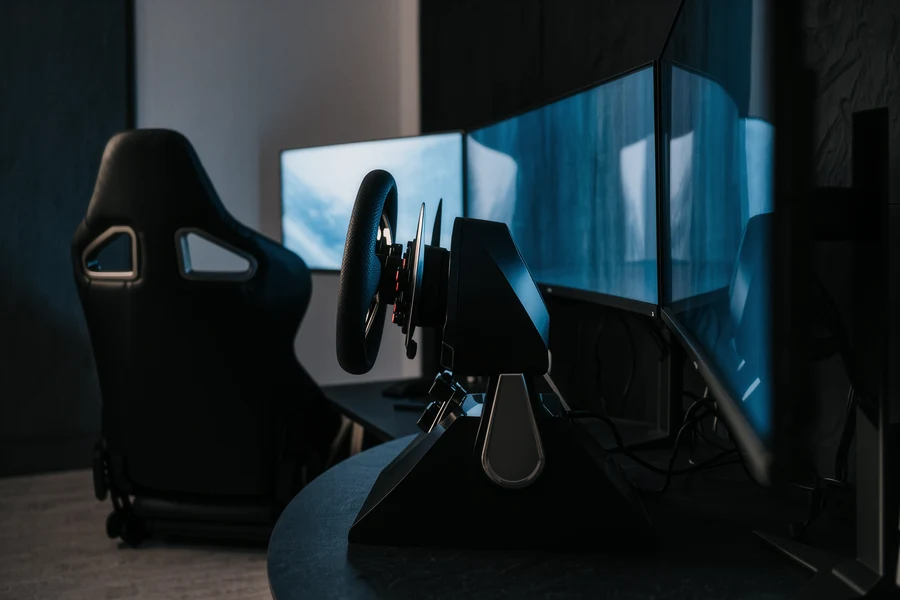
So, you want to know the secrets of the pros in sim racing? The big reveal is nuanced, but it boils down to this: it’s not just about raw talent or expensive gear, though both play a part. It’s a relentless pursuit of marginal gains, a deep understanding of vehicle dynamics, and a mental fortitude that mirrors professional motorsport. Think of it less as a game and more as a highly specialized athletic endeavor.
Beyond the Setup: The Mental Game
For many, sim racing looks like sitting in a chair, pressing pedals, and turning a wheel. But the elite drivers will tell you that the real race often begins long before the green flag drops, and it’s fought in their minds.
Cultivating Focus and Concentration
It’s easy to get distracted. A chat message, a pet, a real-world thought, all can break your rhythm. Pros train themselves to achieve a tunnel vision that’s almost meditative. They aren’t just reacting; they’re anticipating, planning several corners ahead. This isn’t something you’re born with; it’s a skill honed through countless hours of focused practice. They often employ techniques similar to actual athletes: visualization, deep breathing, and pre-race routines to clear their minds and enter “the zone.”
Managing Pressure and Overcoming Frustration
One tiny mistake can ruin a race, costing positions or even points. The mental resilience to bounce back from a spin, a bad pit stop, or a crash that wasn’t your fault is paramount. Professional sim racers learn to compartmentalize, address the mistake, learn from it, and then immediately refocus on the current task. Dwelling on errors is a surefire way to make more. This ties into emotional regulation; staying calm under intense pressure, especially in close-quarters battling, is a hallmark of the best.
Embracing Continuous Learning
The top drivers are never satisfied. They’re constantly analyzing telemetry, watching replays, and seeking feedback, not just from their own performance but from others. The meta in sim racing shifts, car setups evolve, and track conditions vary. A “set it and forget it” mentality will quickly leave you behind. This isn’t just about technical knowledge; it’s about a growth mindset, understanding that there’s always something new to learn or refine.
The Science of Speed: Data Analysis and Telemetry
This is where sim racing truly steps into the realm of professional motorsport. Forget gut feelings and “it just feels fast.” Elite drivers quantify everything.
Understanding Your Laps: Where Time is Gained (or Lost)
Every lap is a treasure trove of data. Professional sim racers meticulously pore over their telemetry, comparing their lines, braking points, throttle application, and steering inputs against their best laps, or even more critically, against the leading drivers. They’re looking for micro-optimizations. Was my braking too early? Did I carry enough speed through the apex? Was my throttle application too abrupt, causing wheelspin? These aren’t abstract questions; the data provides concrete answers.
The Art of Overlaying and Comparison
Sophisticated telemetry tools allow drivers to overlay their laps with those of other fast drivers. This visual comparison reveals discrepancies immediately. You might think you’re using the same line, but the data will show if your car’s trajectory differs by a few inches, which can translate to tenths of a second over a full lap. It also highlights where others are extracting more performance from the car, perhaps a slightly different gear choice or a smoother weight transfer through a challenging section.
The Role of Engineers (and Self-Engineering)
While real-world motorsport teams have dedicated engineers, top sim racers often become their own experts. They learn to interpret graphical data like G-force traces, tire temperatures, and suspension travel. This knowledge directly informs setup changes. They understand the “why” behind what a car is doing, not just the “what.” This involves a basic understanding of vehicle dynamics, how aerodynamics, suspension geometry, and tire characteristics interact to produce performance.
Mastering the Machine: Setup and Car Control
No matter how talented you are, an ill-handling car will limit your potential. Pros spend significant time understanding and optimizing their virtual vehicles.
The Endless Quest for the Perfect Setup
This isn’t about downloading a “fast setup” and being done. A professional sim driver understands that a setup is a living thing, needing constant adjustment based on track conditions, tire wear, and even their own driving style. They know how each suspension setting (springs, dampers, anti-roll bars), aerodynamic element, and differential adjustment affects the car’s behavior. They are not merely tweaking; they are engineering. They might prioritize stability over outright speed for a long race, or dial in more oversteer for a qualifying lap.
Fine-Tuning for Track and Conditions
A setup that’s blisteringly fast on one track might be undriveable on another. High-downforce tracks demand different aerodynamic profiles than low-downforce ones. Hot tracks require adjustments for tire degradation, while colder conditions might necessitate changes for grip. Wet weather, of course, is an entirely different beast, requiring specific setups to manage traction and aquaplaning. The pros have a repertoire of base setups they then fine-tune, often spending hours in practice sessions just dialing in the car.
The Nuances of Car Control and Sensory Input
Even with a perfect setup, the car needs to be driven. Elite sim racers possess an extraordinary feel for the vehicle, even without the physical G-forces of a real car. They learn to interpret subtle cues from their force feedback wheel, the sound of the tires, and the visual feedback of the car’s attitude. This allows them to drive “on the edge” without overstepping it. They can catch slides, manage wheelspin, and consistently extract the maximum from the tire’s grip limits. It’s a finely tuned dance between human input and virtual physics.
The Art of the Race Craft: Strategy and Execution
Talent and speed are crucial, but winning races often comes down to smarter execution and tactical thinking.
Understanding Race Strategy: Fuel, Tires, and Pit Stops
Just like real motorsport, sim racing strategies involve complex calculations. Fuel management isn’t just about topping off; it’s about calculating the minimum amount needed to finish, saving weight, and potentially compromising speed for endurance. Tire choices (if available) involve understanding compounds and their degradation rates. Pit stops are choreographed events: when to pit, which tires to take, and ensuring a fast, clean exchange. These decisions are often made on the fly, reacting to events during the race.
Overtaking and Defending: Respectful Aggression
The best drivers know when to be aggressive and when to be patient. An opportunistic dive bomb might gain a position but could also lead to a crash and a penalty. Defending requires using the track wisely, breaking the tow, and placing the car to make overtakes difficult without being overly defensive and incurring penalties. There’s a crucial balance between being assertive and being reckless. They study common overtaking spots on tracks and practice specific moves.
Race Management and Mental Stamina
Races can be long, tedious affairs, requiring consistent lap times and unwavering focus. Managing tire degradation, fuel consumption, and maintaining concentration for an hour or more (sometimes much longer) is a significant challenge. This ties back to the mental game, avoiding unforced errors, staying calm under pressure, and making smart decisions when fatigue sets in. It’s not just about speed; it’s about sustained performance.
The Gear Factor: Tools of the Trade (But Not the Only Secret)
While skill is paramount, the right equipment can certainly enhance the experience and potentially provide a competitive edge. However, it’s crucial to understand it’s an enabler, not a shortcut.
The Importance of High-Quality Peripherals
A good sim setup starts with high-quality peripherals. A force feedback wheel that provides accurate and detailed information about the car’s behavior is essential. Load cell pedals, which measure pressure rather than travel, offer far greater precision in braking. A sturdy rig that prevents flex and allows for a comfortable, consistent driving position is also important. These tools allow drivers to translate their inputs more accurately and receive clearer feedback from the simulation.
Display Solutions: Immersion and Awareness
Monitors, especially triple-screen setups or VR headsets, play a significant role in immersion and track awareness. A wider field of view allows drivers to better judge distances, anticipate corners, and be more aware of competitors around them. While not strictly necessary for speed, it can reduce cognitive load and enhance the overall experience, allowing more focus on driving.
PC Specifications: Smoothness and Consistency
A powerful PC capable of running the chosen simulator at a high, stable frame rate is non-negotiable. Stutters, frame drops, or input lag can be incredibly detrimental to performance, especially when driving at the limit. Consistency is key here; elite drivers need to trust that their inputs will be registered precisely and that the visual feedback will be immediate and fluid. It’s about removing variables that can hinder performance.
In conclusion, the “secrets” of elite sim racing aren’t really secret at all, but rather a combination of dedicated practice, deep technical understanding, and relentless self-improvement. It’s a demanding discipline that rewards those who treat it with the same seriousness and professionalism as any other competitive sport. It’s a journey, not a destination, and the best drivers are always pushing the boundaries of what’s possible, one perfect lap at a time.
FAQs
What is professional Sim Racing?
Professional Sim Racing is a competitive form of racing where participants use simulated racing software and hardware to compete against each other in virtual environments. It requires skill, strategy, and precision to excel in this competitive field.What skills are required to become a professional Sim Racing driver?
To become a professional Sim Racing driver, one needs to have excellent hand-eye coordination, quick reflexes, a deep understanding of racing techniques, and the ability to adapt to different virtual racing environments. Additionally, strong communication and teamwork skills are important for participating in team-based events.What equipment is needed for professional Sim Racing?
Professional Sim Racing drivers require specialized equipment such as high-quality racing wheels, pedals, and virtual reality headsets. These components are essential for providing a realistic and immersive racing experience. Additionally, a powerful gaming PC or console is necessary to run the simulation software at optimal performance.How do professional Sim Racing drivers compete?
Professional Sim Racing drivers compete in various online and offline events, including individual races, endurance races, and championship series. These competitions are often organized and sanctioned by professional racing leagues and organizations, and they may feature cash prizes, sponsorships, and other incentives for successful participants.What are the career opportunities for professional Sim Racing drivers?
Professional Sim Racing drivers have the opportunity to compete in prestigious events, secure sponsorships from gaming and automotive companies, and even transition into real-world motorsport through programs like the McLaren Shadow Project and the FIA-certified Gran Turismo Championships. Additionally, some professional Sim Racing drivers become content creators, coaches, or commentators within the Sim Racing community.More from Esports & Competitions
Sim Racing Communities and Leagues
Explore sim racing communities and leagues for 2026: r/SimRacing, RaceDepartment, LowFuelMotorsport, endurance teams, league finders, and Nurburgring …

The Rise of Sim Racing Esports
Sim racing esports has absolutely blown up. What started as a niche hobby for gearheads and gamers has rapidly evolved into a legitimate competitive s…
Sim Racing Championship: The Ultimate Virtual Racing Showdown
So, you’re curious about “Sim Racing Championship: The Ultimate Virtual Racing Showdown”? Basically, it’s a big deal in the world of…