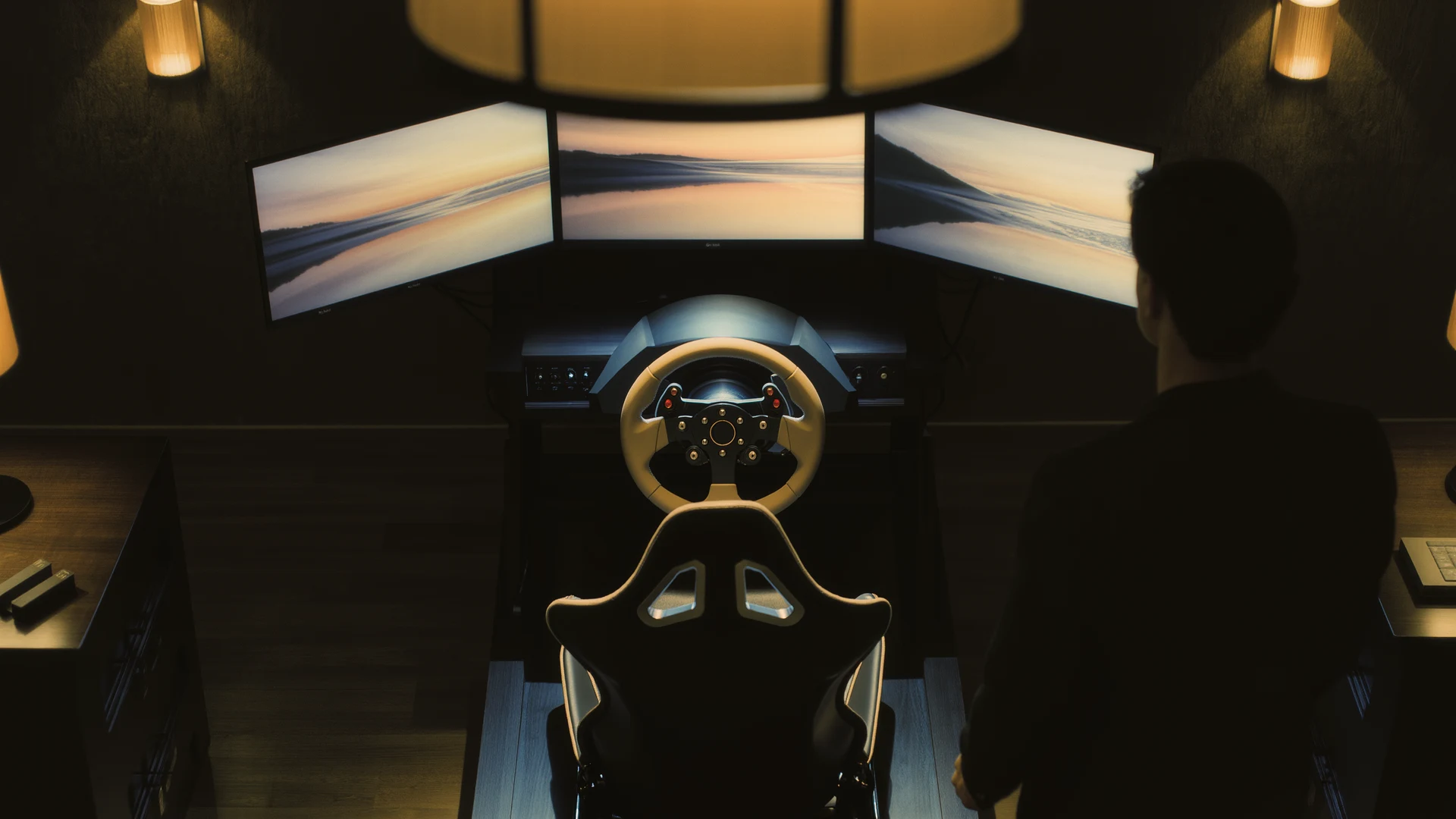
Racing Simulators · 23 min
The Future of Sim Racing: Trends, Hardware and Open Questions
Where sim racing is heading: cheaper direct drive, active pedals, AI opponents, cloud play and esports, with sources and clearly marked forecasts.
Racing simulators explained: complete rigs, turnkey and commercial simulators, the main platforms and what it really takes to start sim racing.
Where sim racing is heading: cheaper direct drive, active pedals, AI opponents, cloud play and esports, with sources and clearly marked forecasts.
How to sim race Formula 1 cars: F1 25 and its 2026 Season Pack, iRacing, Assetto Corsa and AMS2, formula rims, load-cell brakes, technique and…
Assetto Corsa in 2026: Content Manager, Custom Shaders Patch, Pure, free cars and tracks, online racing services, performance settings and AC or ACC.
iRacing complete guide: how the online racing service works, membership prices, iRating and Safety Rating, the Rookie path, and whether iRacing is…
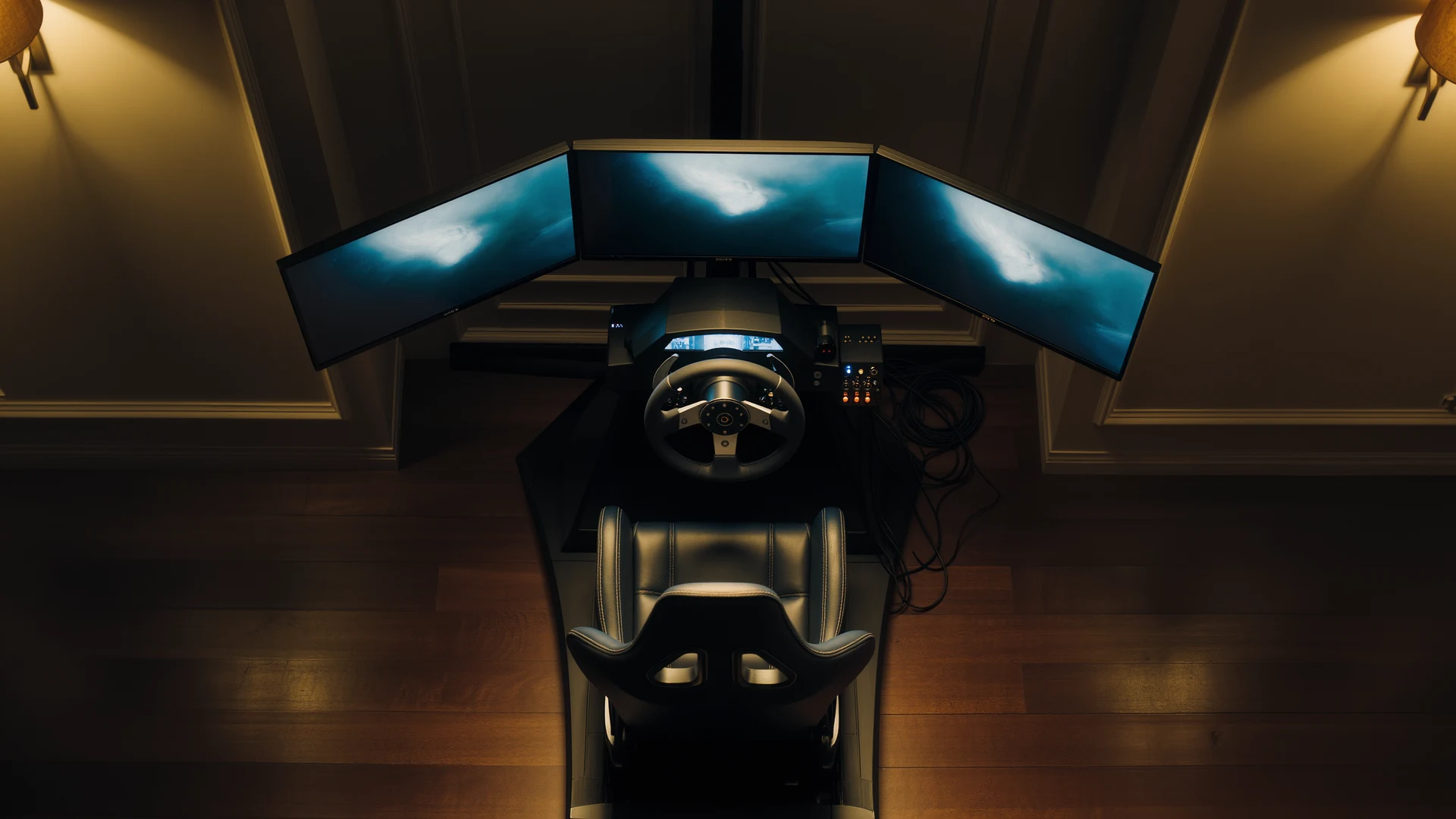
How to start sim racing in 2026: choosing a wheel and pedals, mounting them, picking a first sim, setting up the rig and avoiding common beginner…
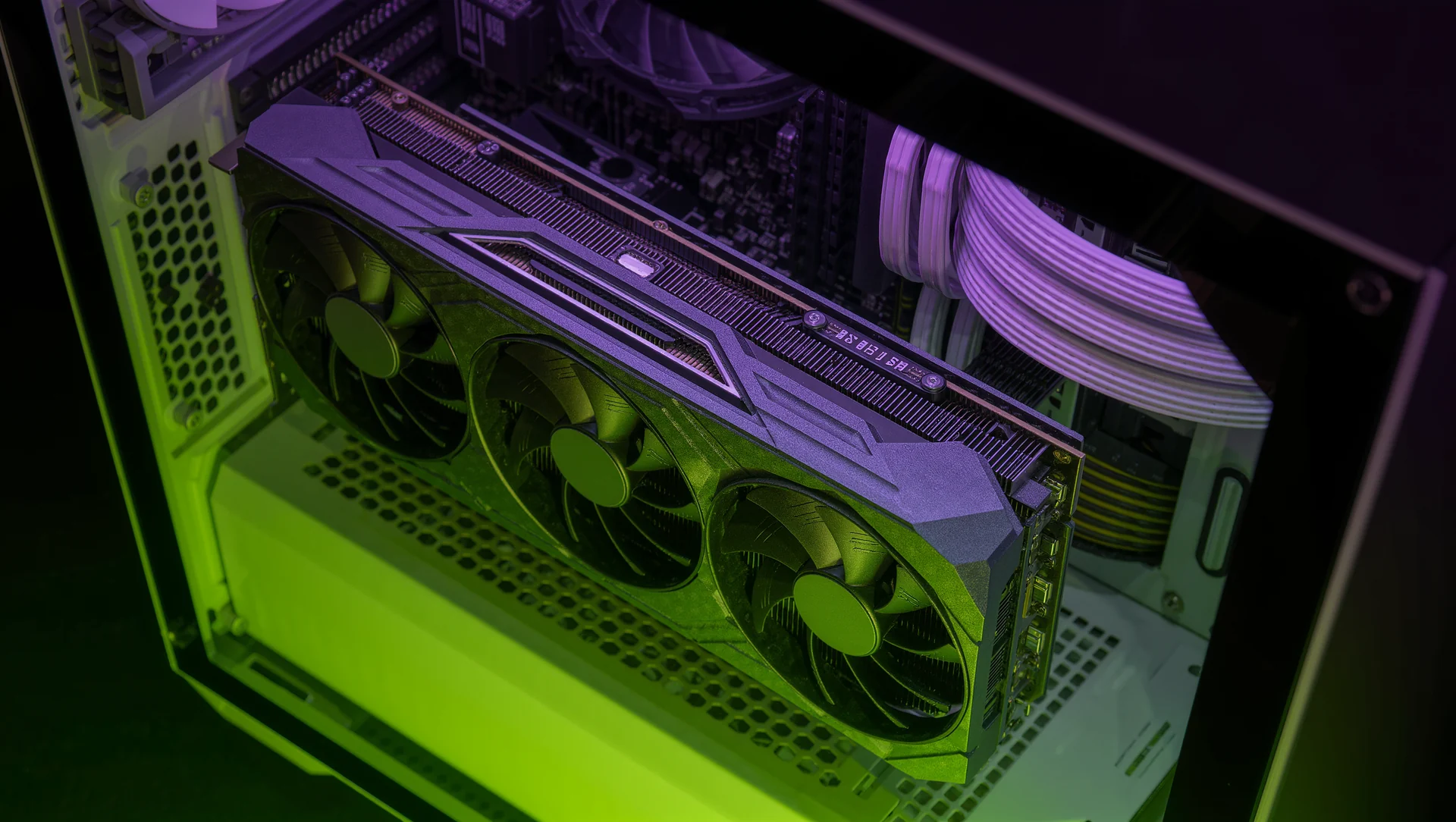
The sim racing PC: where the money actually belongs, what the published requirements ask for and the component most drivers overspend on.
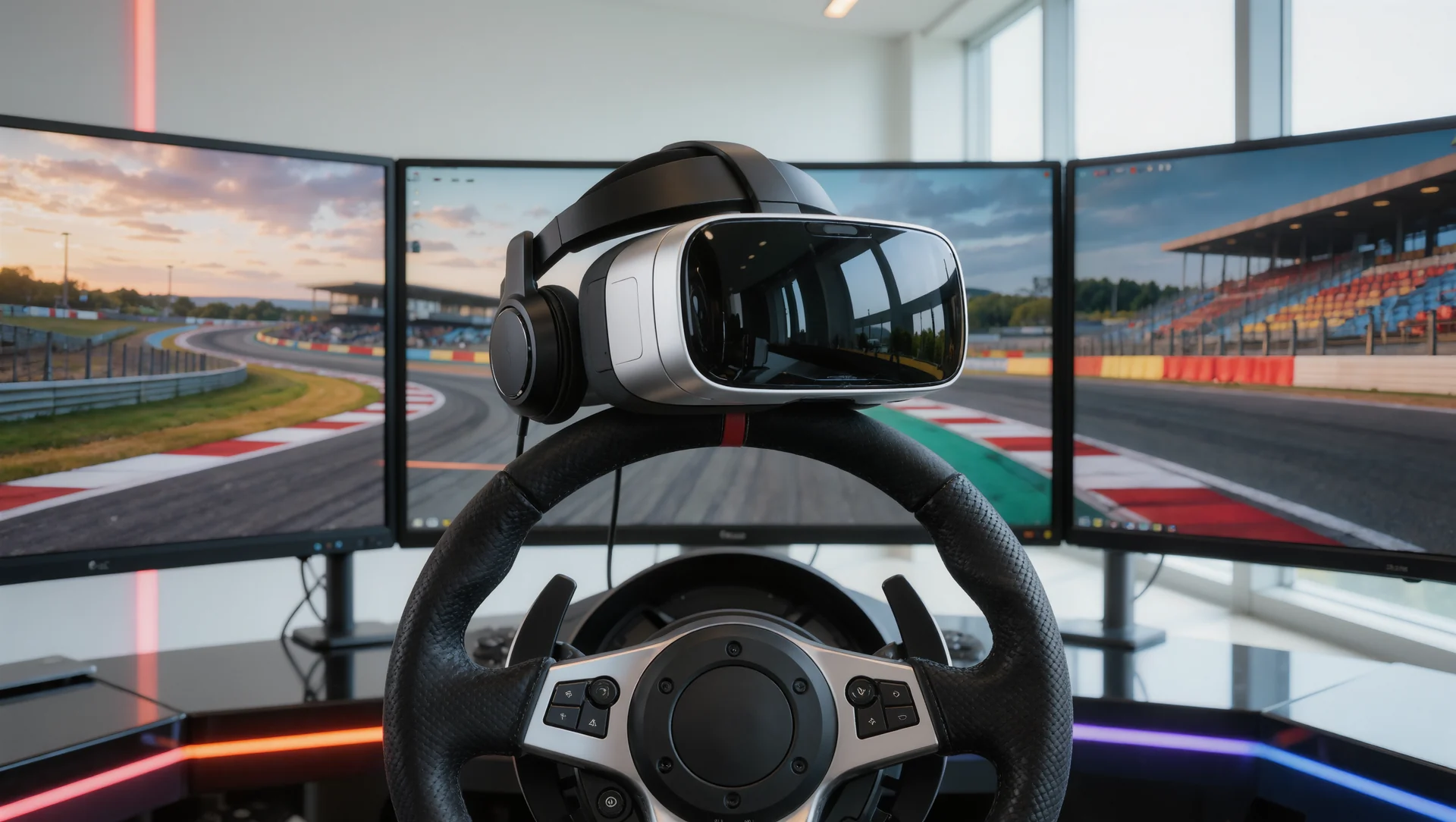
VR or triple screens: the honest comparison, what the published resolutions and system requirements mean and which one suits which kind of racing.
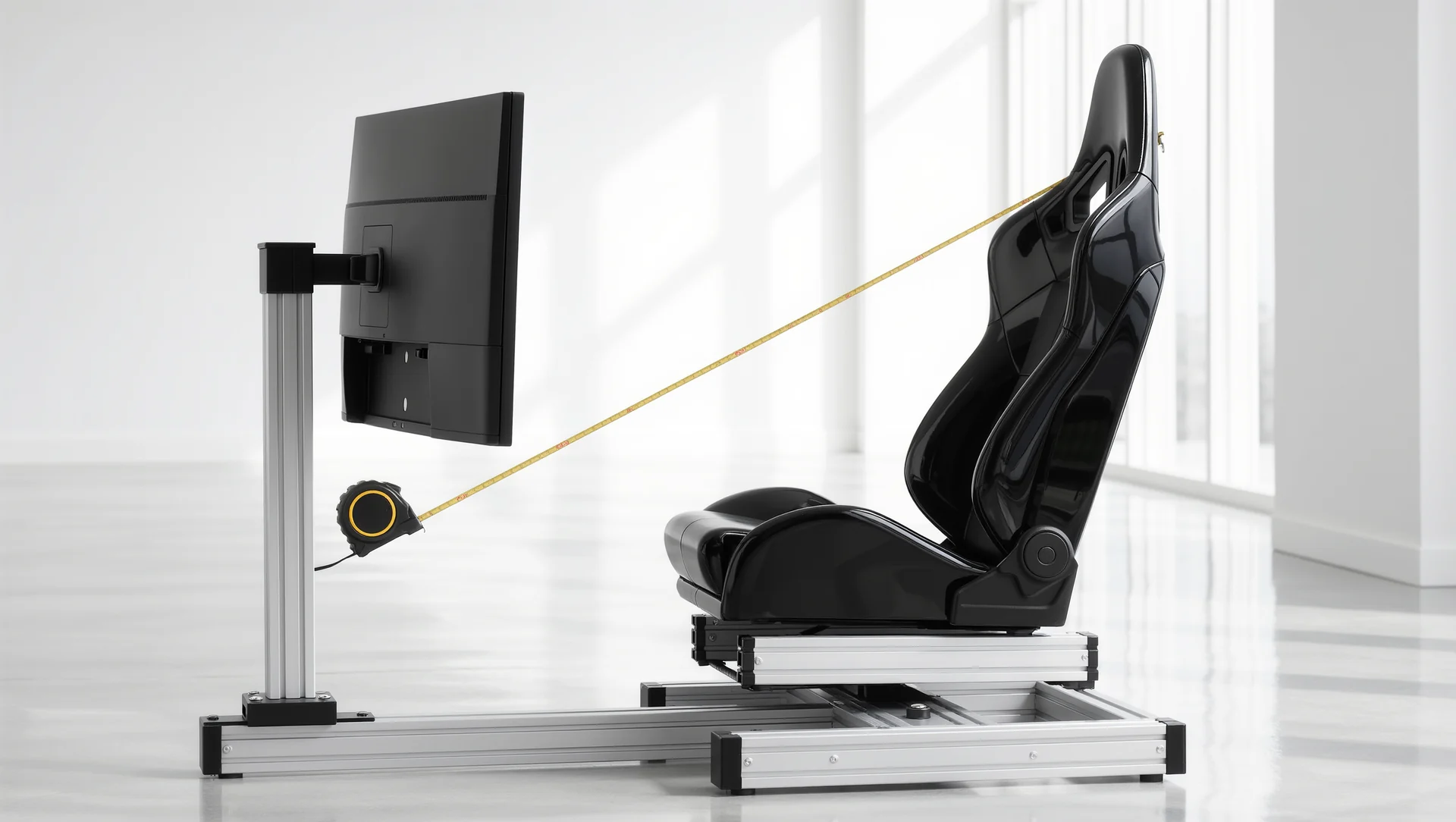
Field of view is a calculation, not a preference: the formula, what a wrong setting costs you and why the correct number always feels too narrow at first.
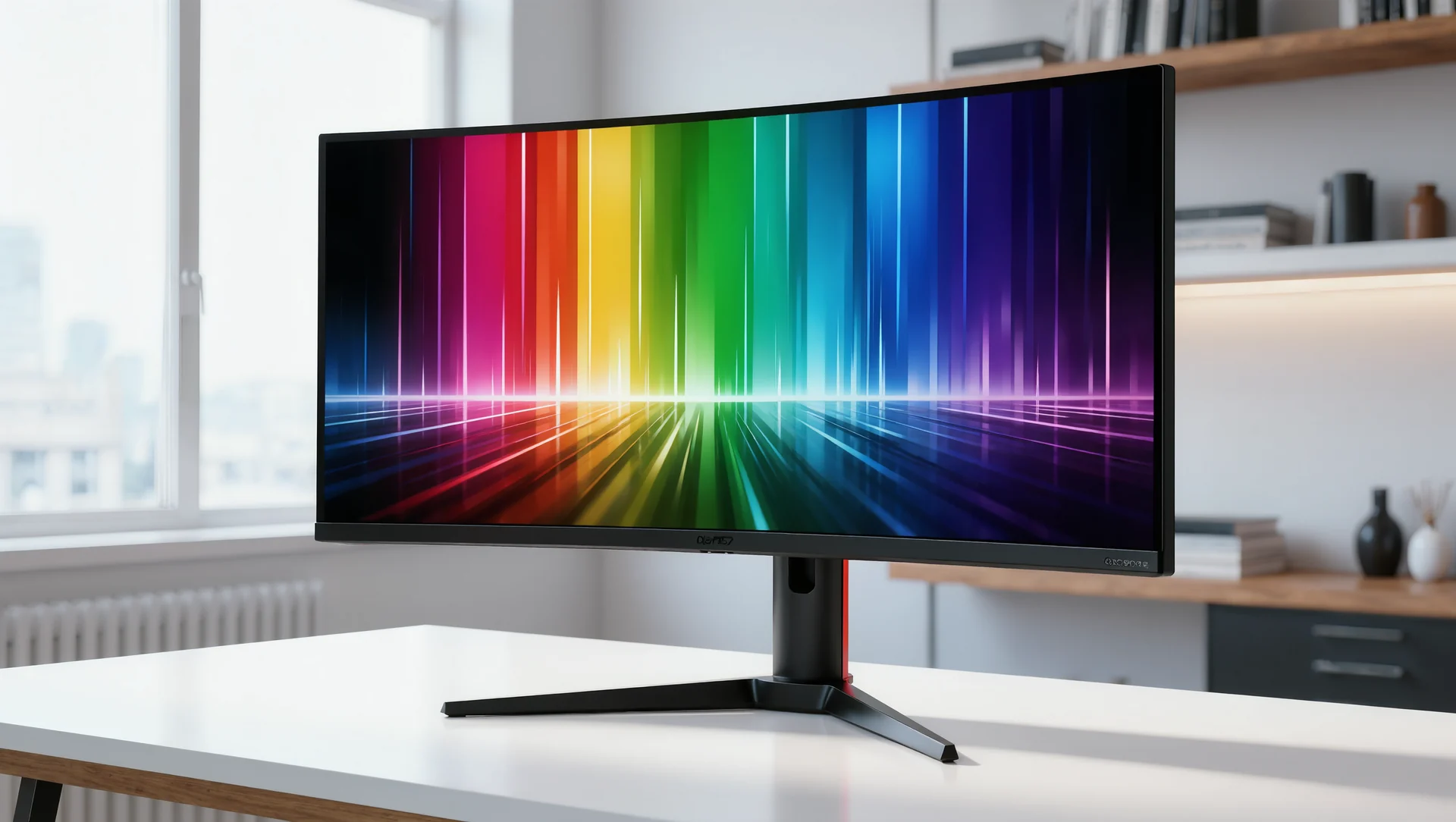
Refresh rate and latency: where the milliseconds actually hide, which ones you can remove and which published thresholds tell you where the problem is.
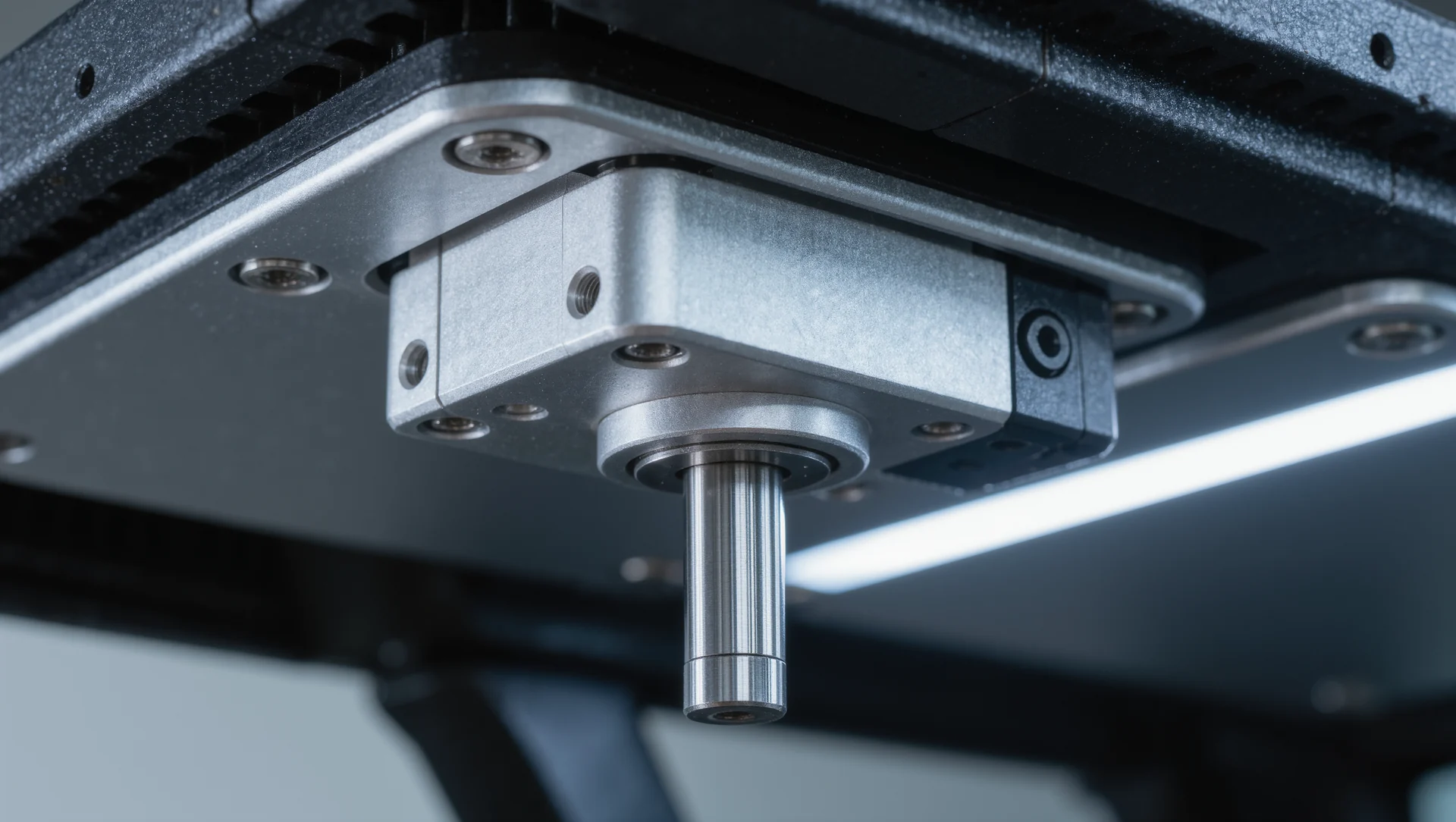
Motion platforms explained honestly: what each degree of freedom adds, where the threshold of usefulness sits and what the published travel figures mean.
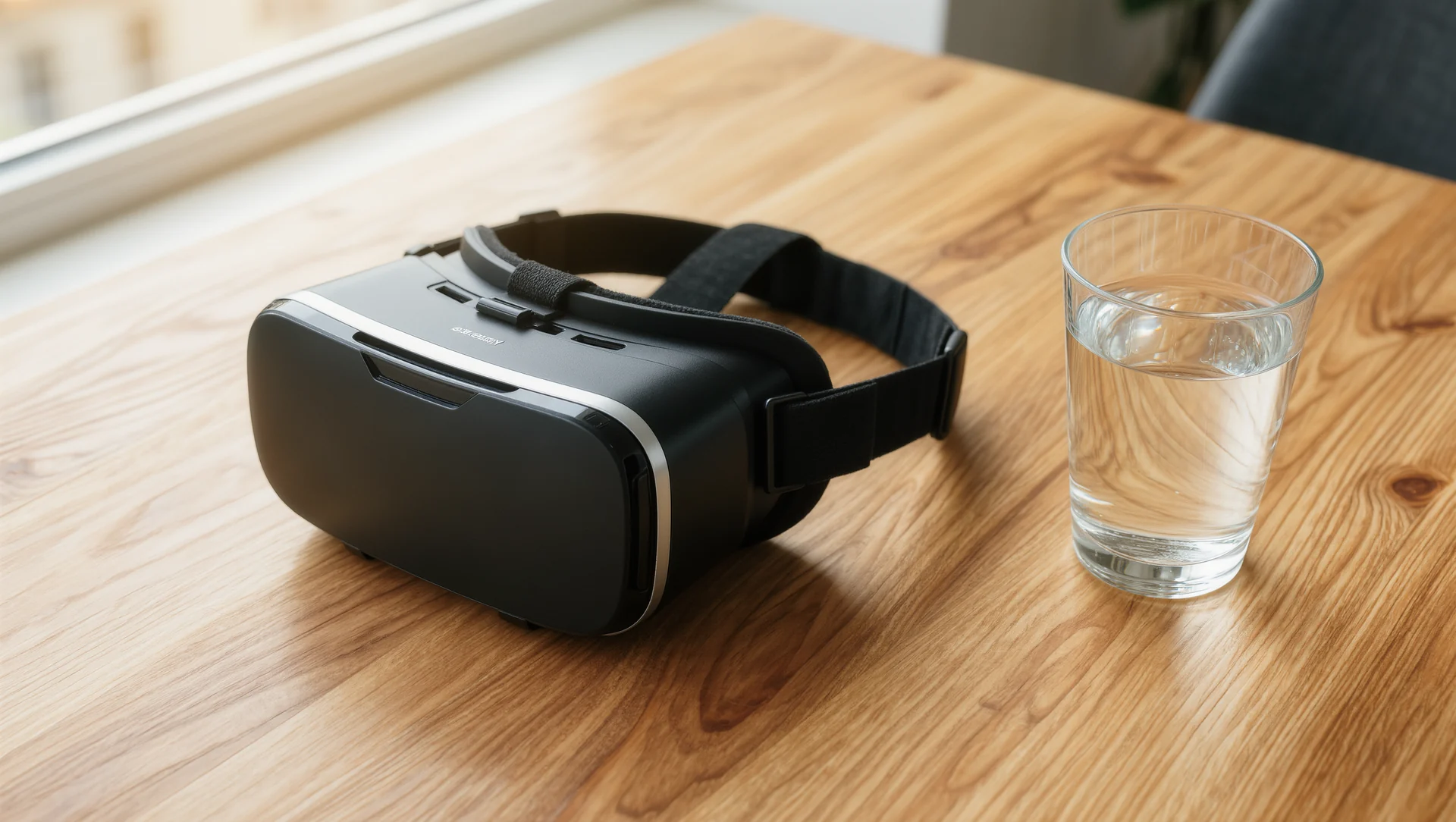
Simulator sickness: the causes you can actually remove, in the order that removes the most, and the ones that are a hardware limit rather than a settings problem.
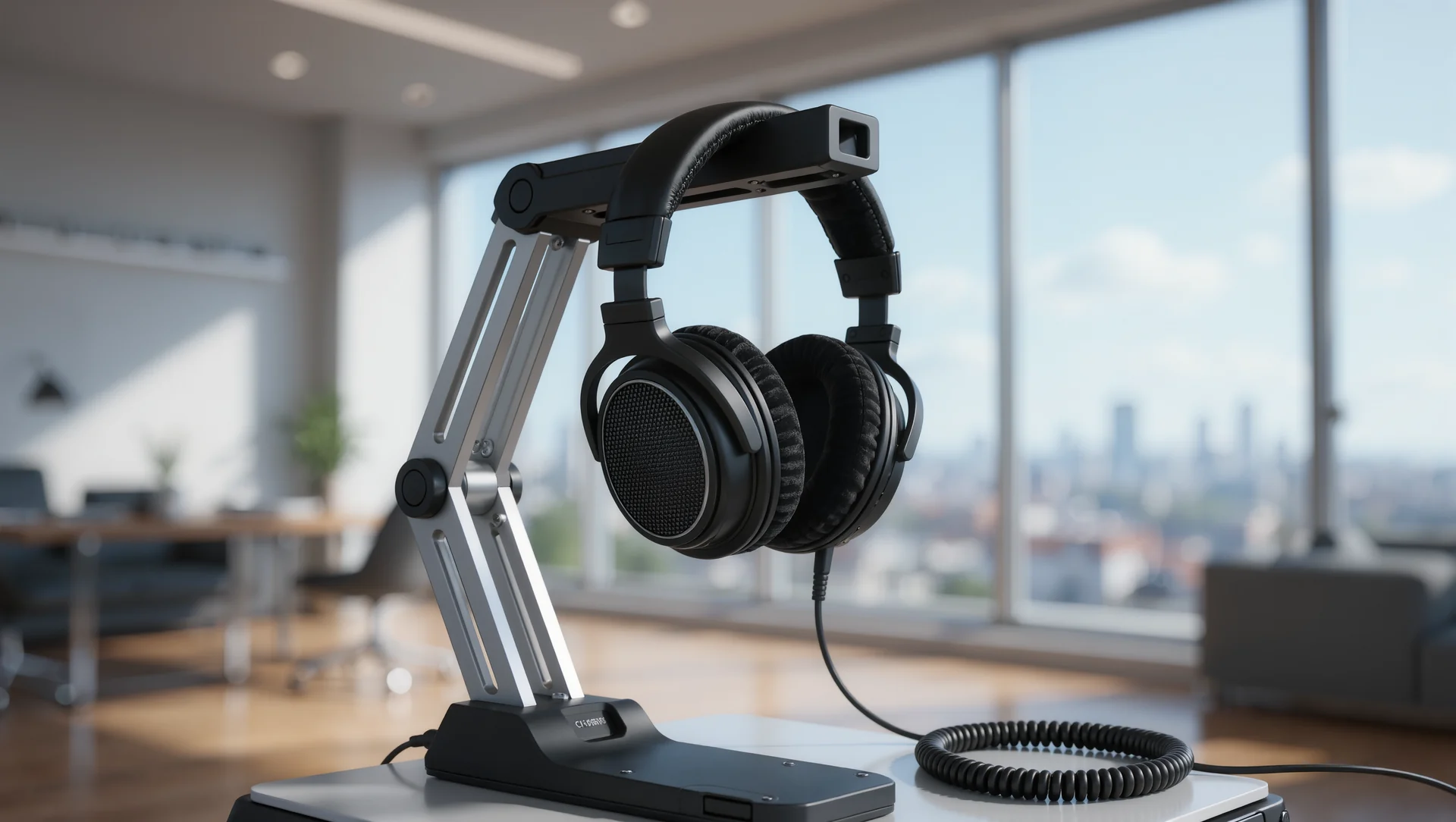
Audio is the cheapest lap time in sim racing: which sounds carry information, what to set and why headphones beat most hardware upgrades for the same money.
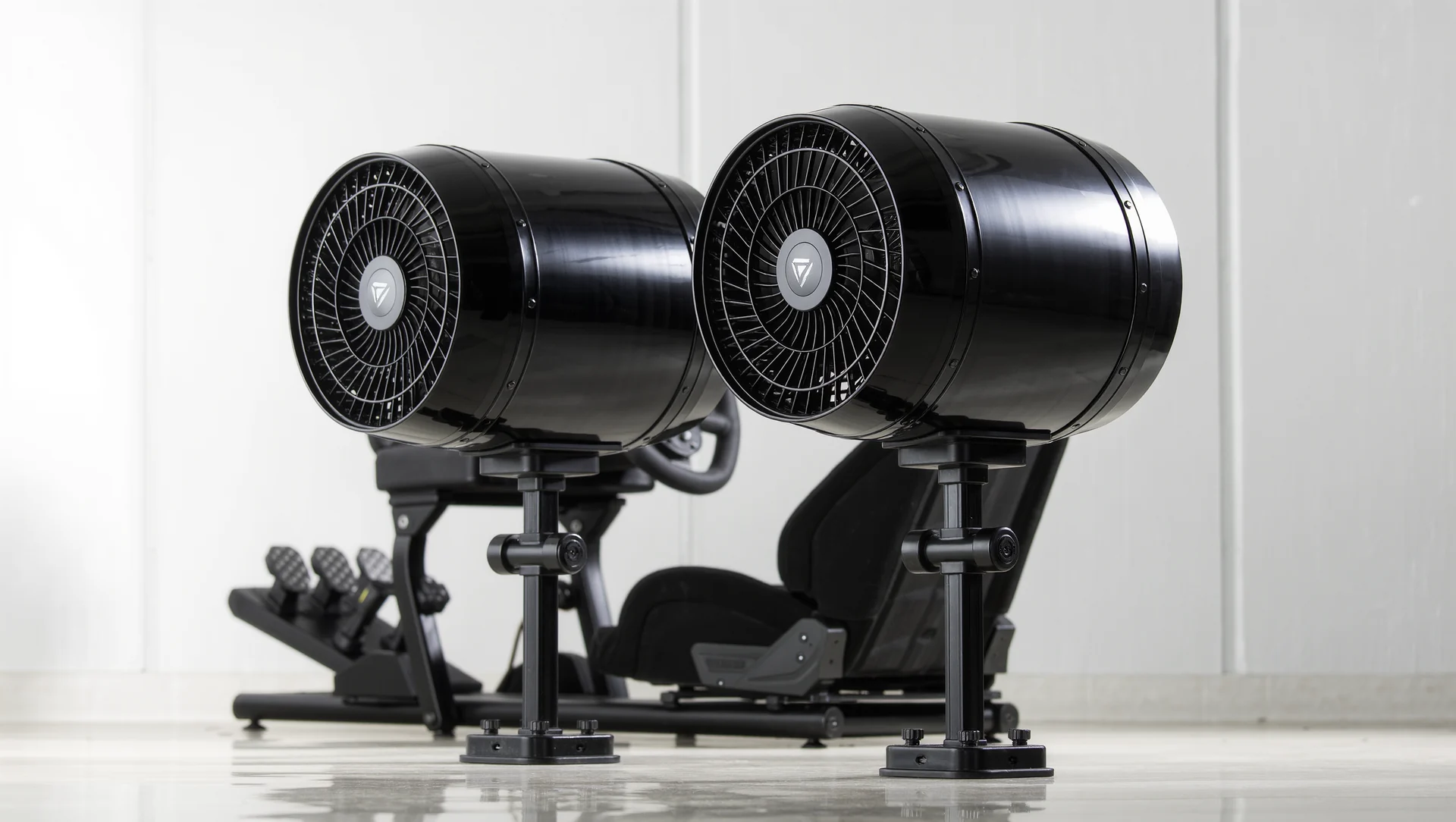
Wind simulators: gimmick or genuine speed cue, what the airflow figures mean and the one physiological reason they work better than they should.
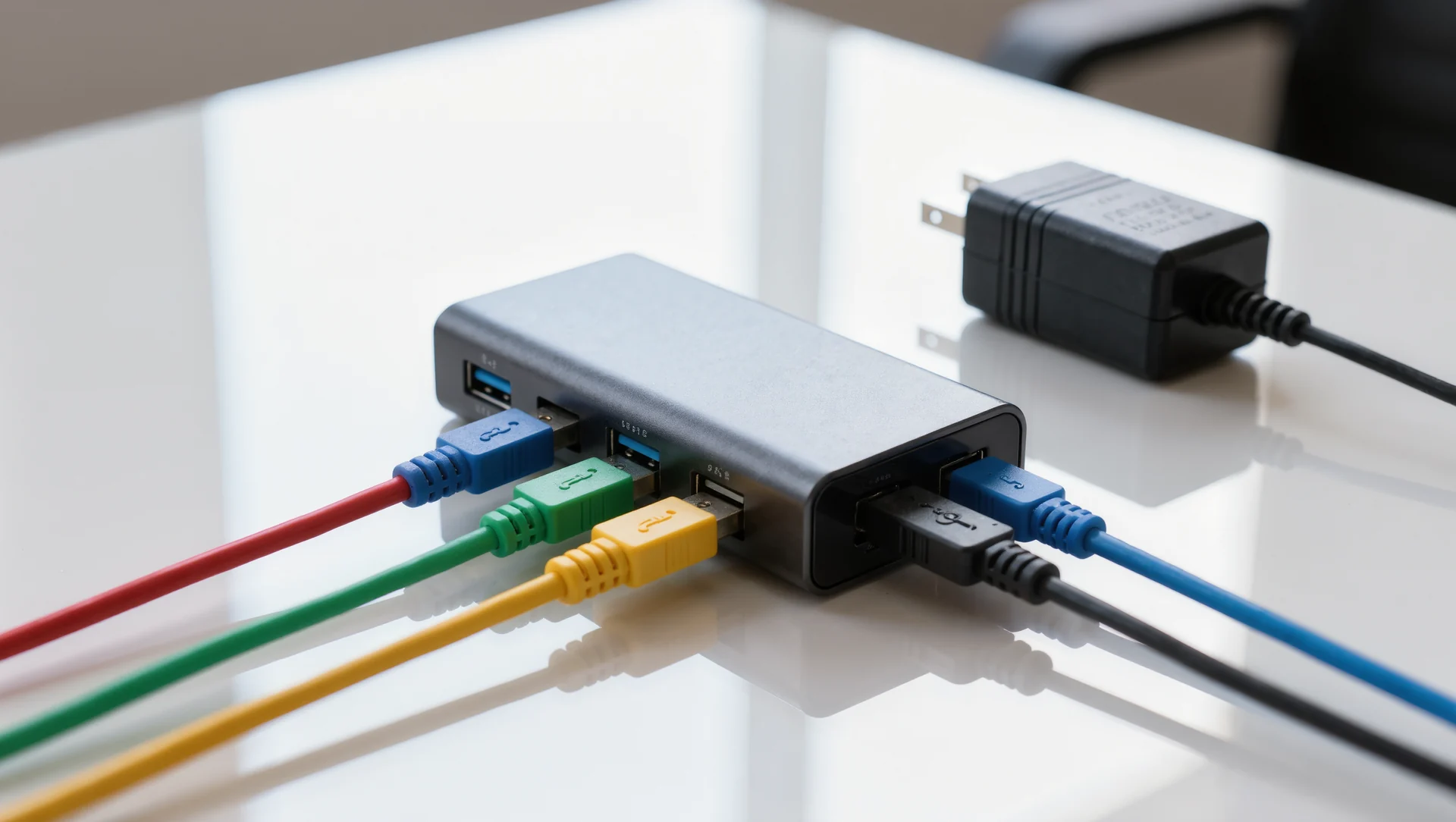
USB power is the invisible cause of random disconnects: the published current budgets, why a hub fixes it and how to diagnose it in ten minutes.
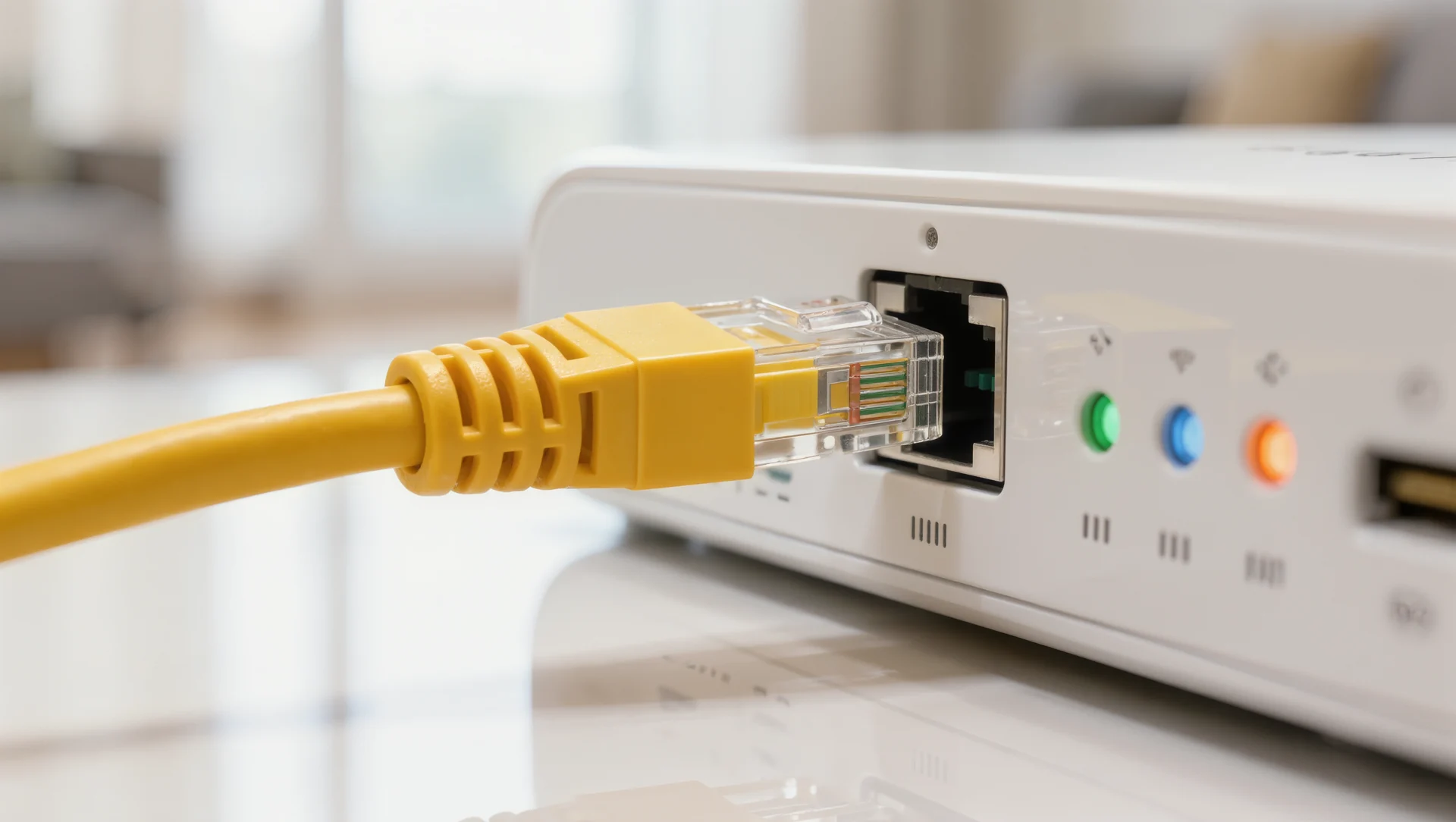
Network latency and what actually causes the warping: the published thresholds, why packet loss is worse than ping and the fixes in order of effect.
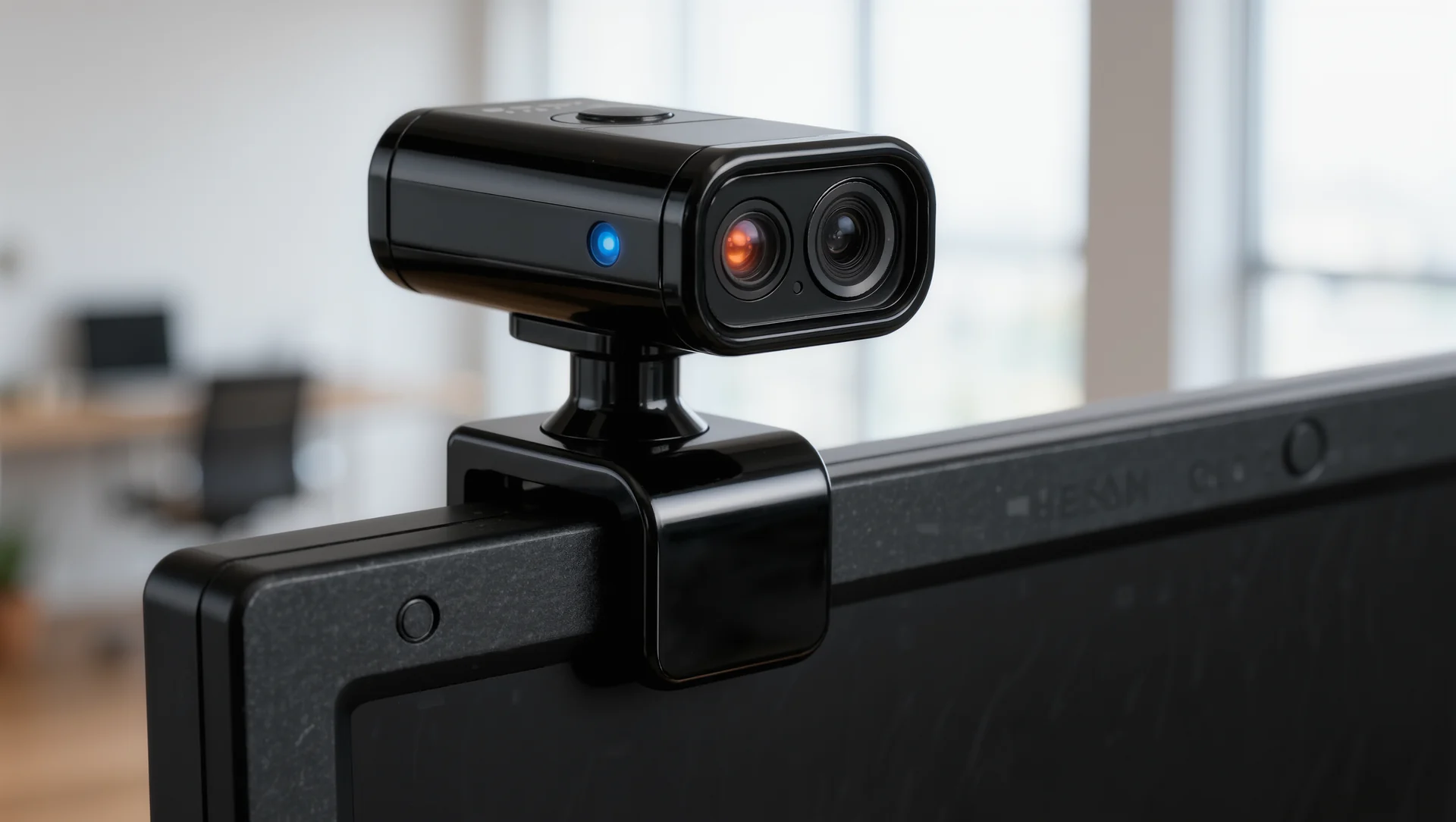
Head tracking and eye tracking on a flat screen: what each one actually does, the published latency and degrees of freedom, and which problem they solve.
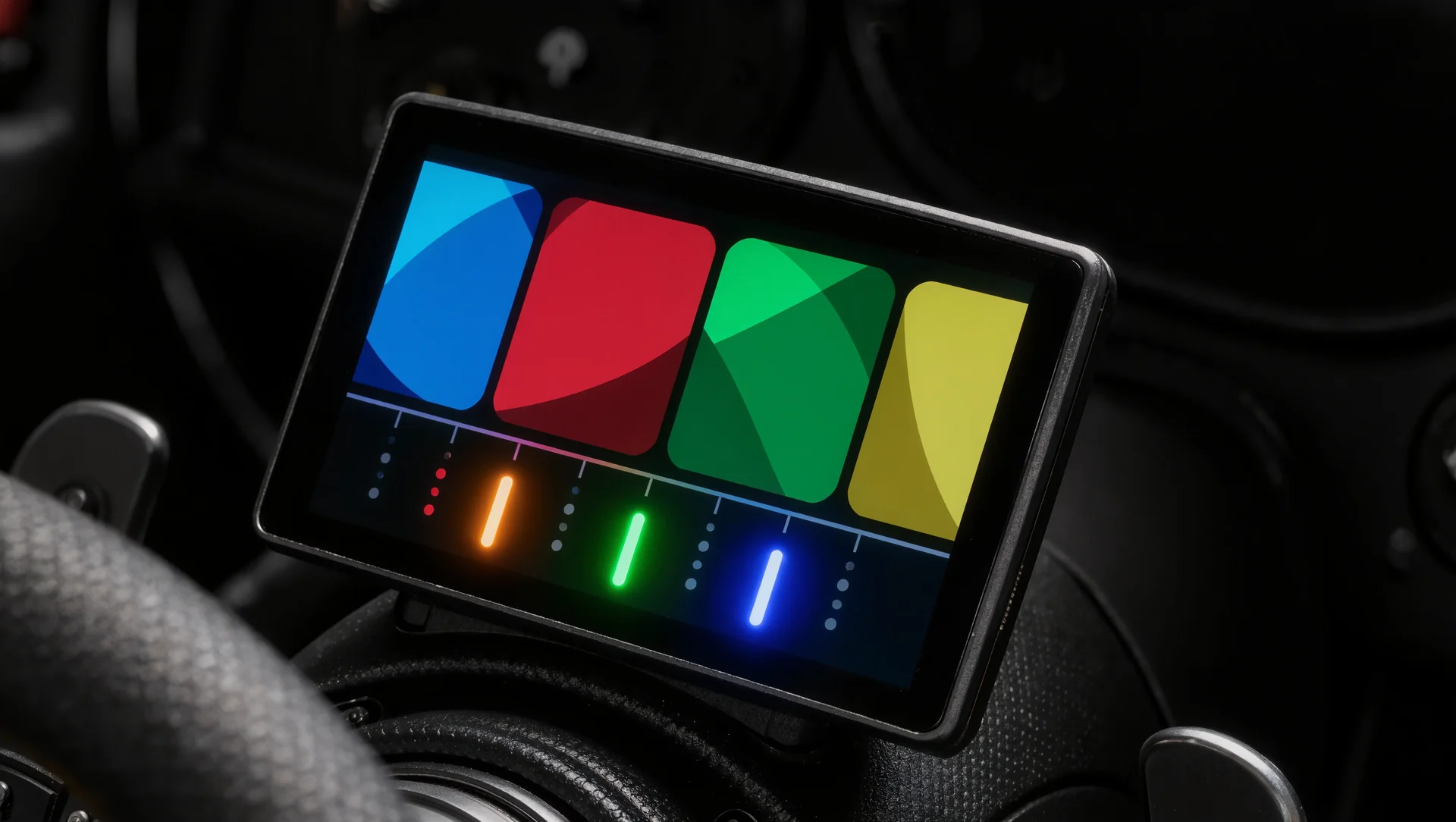
Dashboards and telemetry overlays without the clutter: what the software does, which four readouts earn their place and where an overlay costs more than it gives.