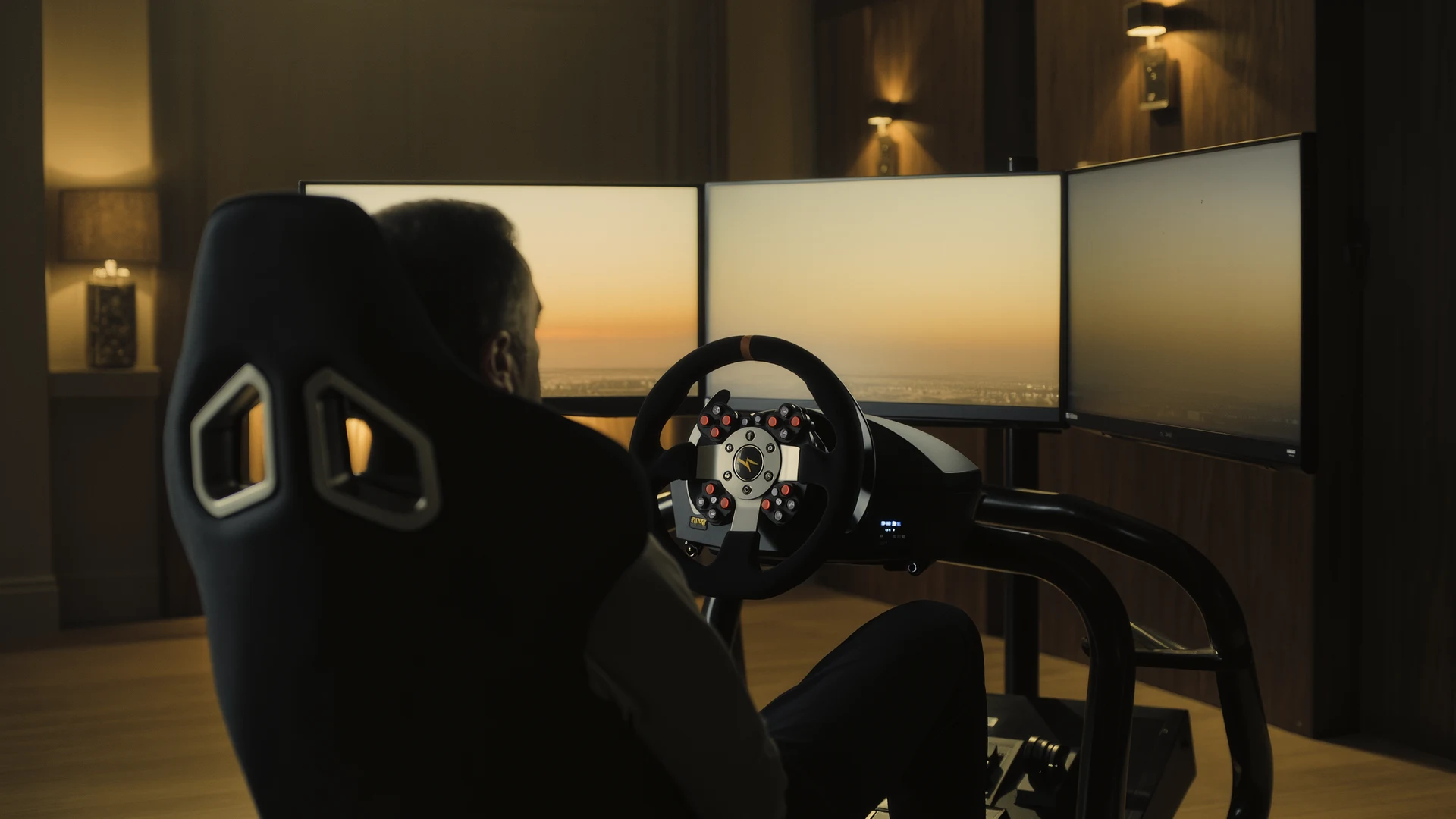
Equipment & Gear · 19 min
Sim Racing PC Build Guide: CPU, GPU and Settings for 2026
Building a PC for sim racing in 2026: why the CPU matters, which graphics card suits one screen, triples or VR, and which Windows settings are…
Sim racing equipment: buying guides for wheel bases and pedals, console compatibility, direct drive torque, shifters, handbrakes, PC hardware and accessories.
Building a PC for sim racing in 2026: why the CPU matters, which graphics card suits one screen, triples or VR, and which Windows settings are…
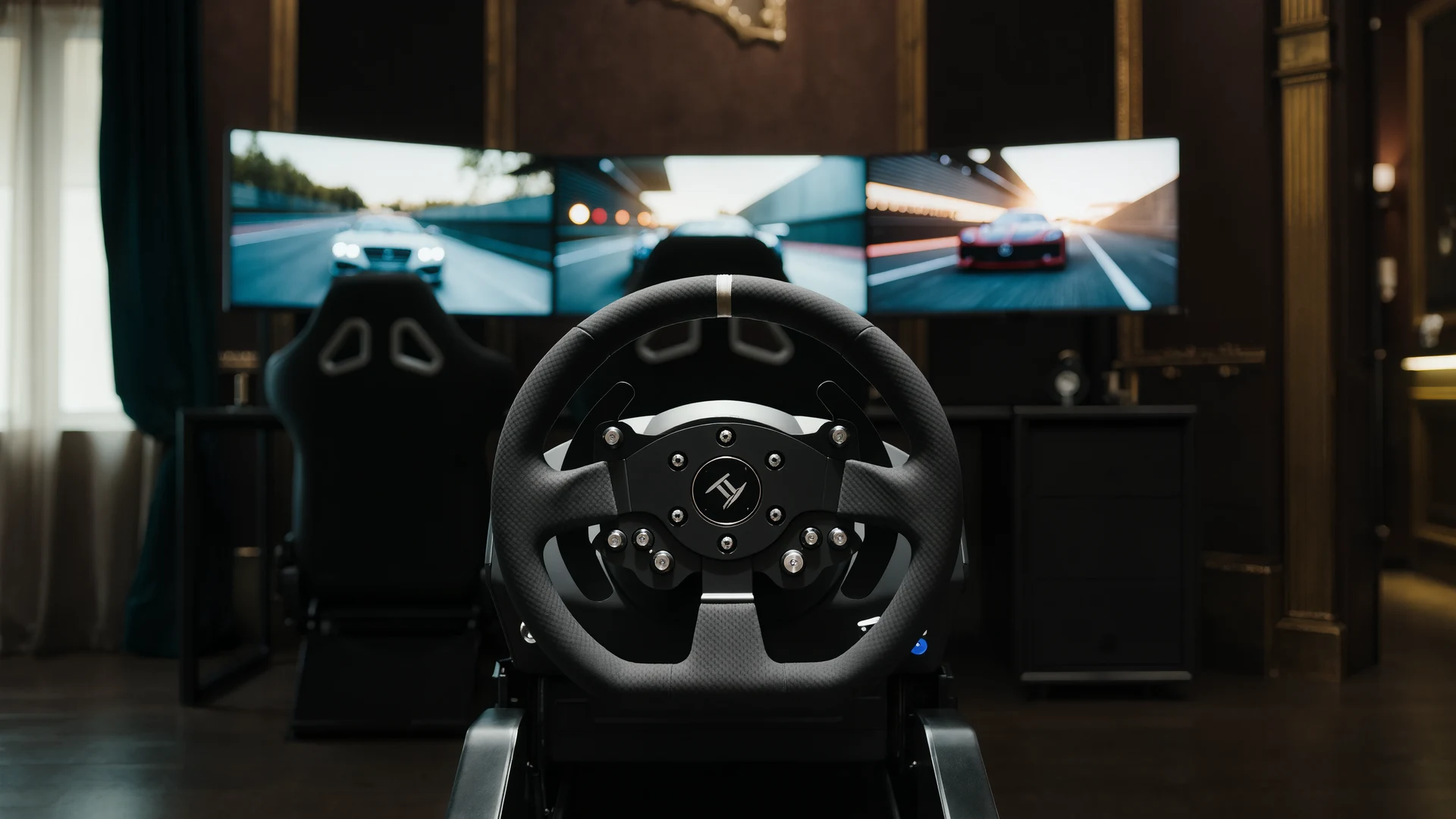
VR or triple monitors for sim racing: Meta Quest 3, Pimax Crystal Light and Bigscreen Beyond 2 against triple 1440p screens on view, depth,…
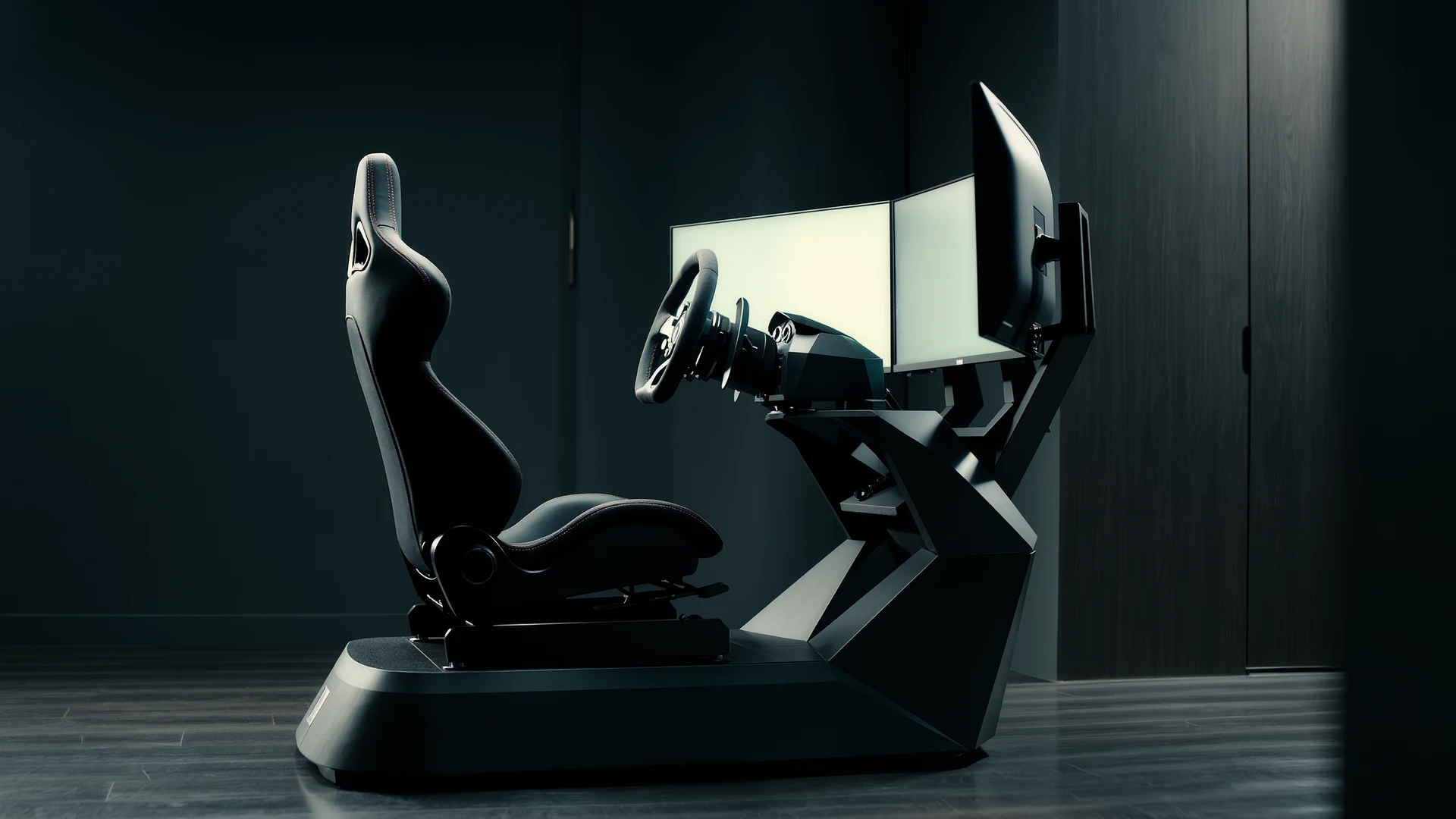
Seat movers, chassis movers and bass shakers compared: how motion cueing works, what D-BOX, PT Actuator and Sigma offer, and how to tune it.
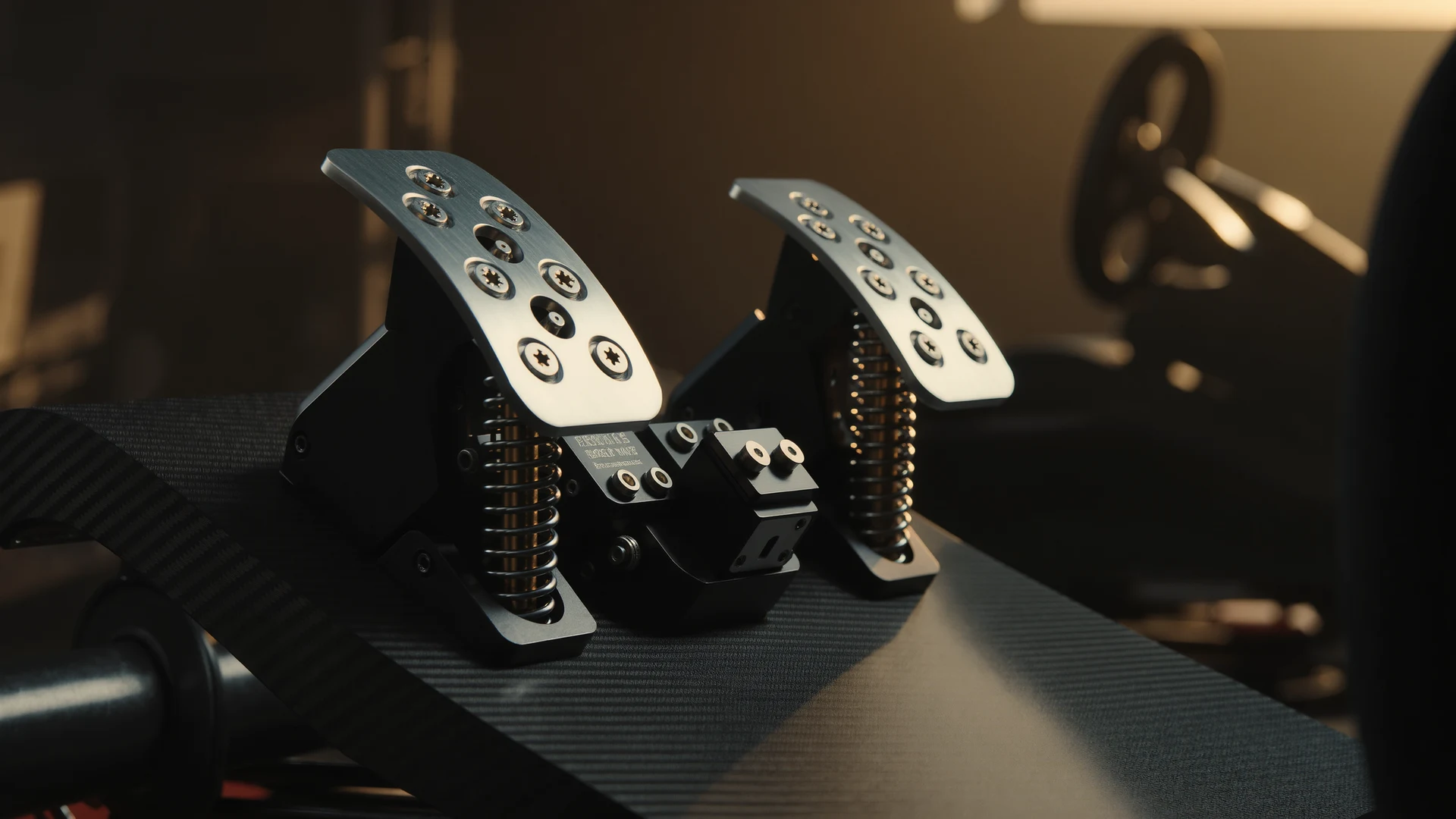
Best sim racing pedals guide for 2026: why load-cell brakes beat position sensors, plus ranked picks from Thrustmaster T-LCM to the Heusinkveld Sprint…
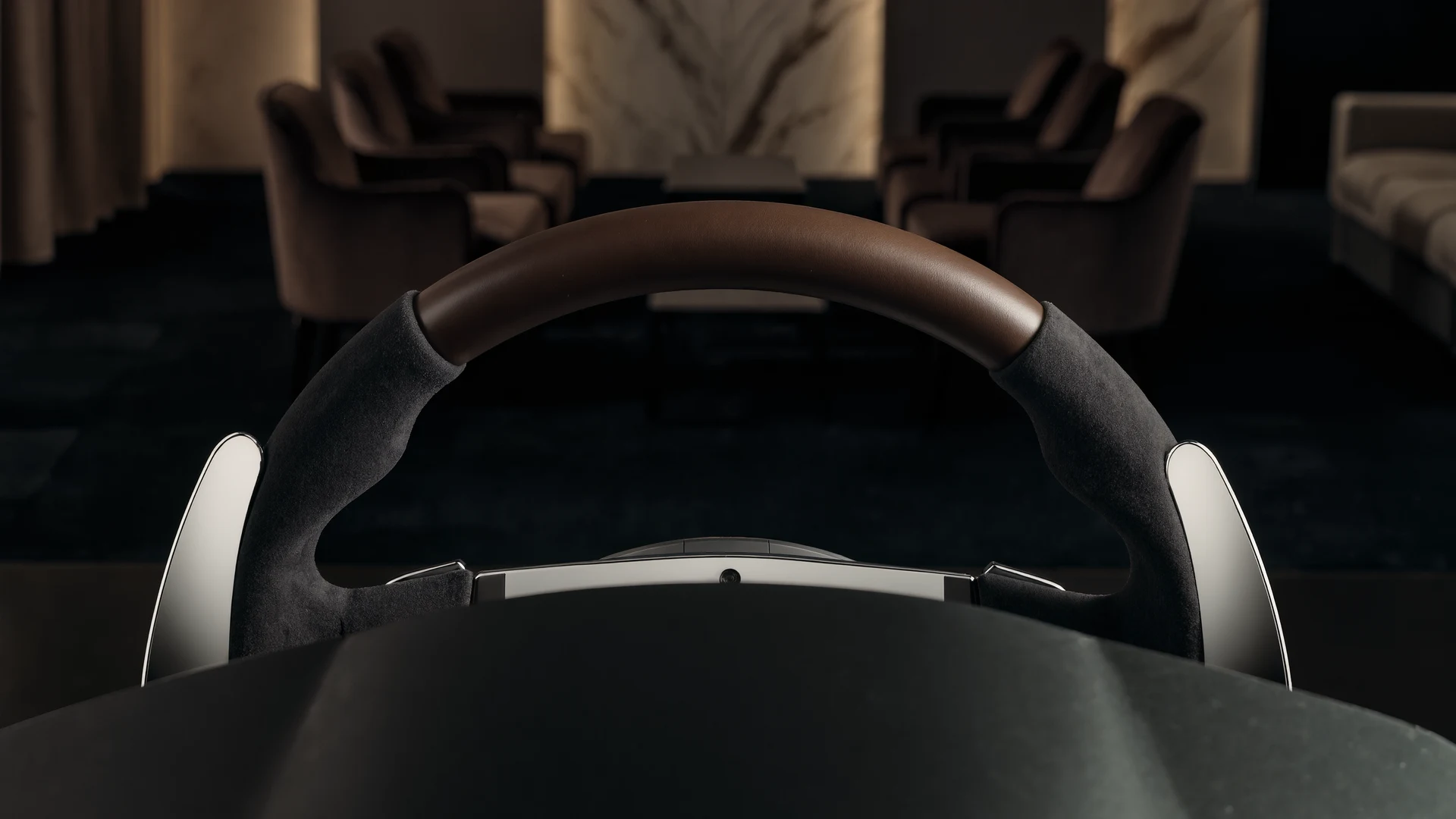
Best sim racing wheels of 2026 ranked: Logitech G923, Fanatec CSL DD, Moza R9 and Simucube 2 Pro. Compare direct-drive torque, price and console suppo…
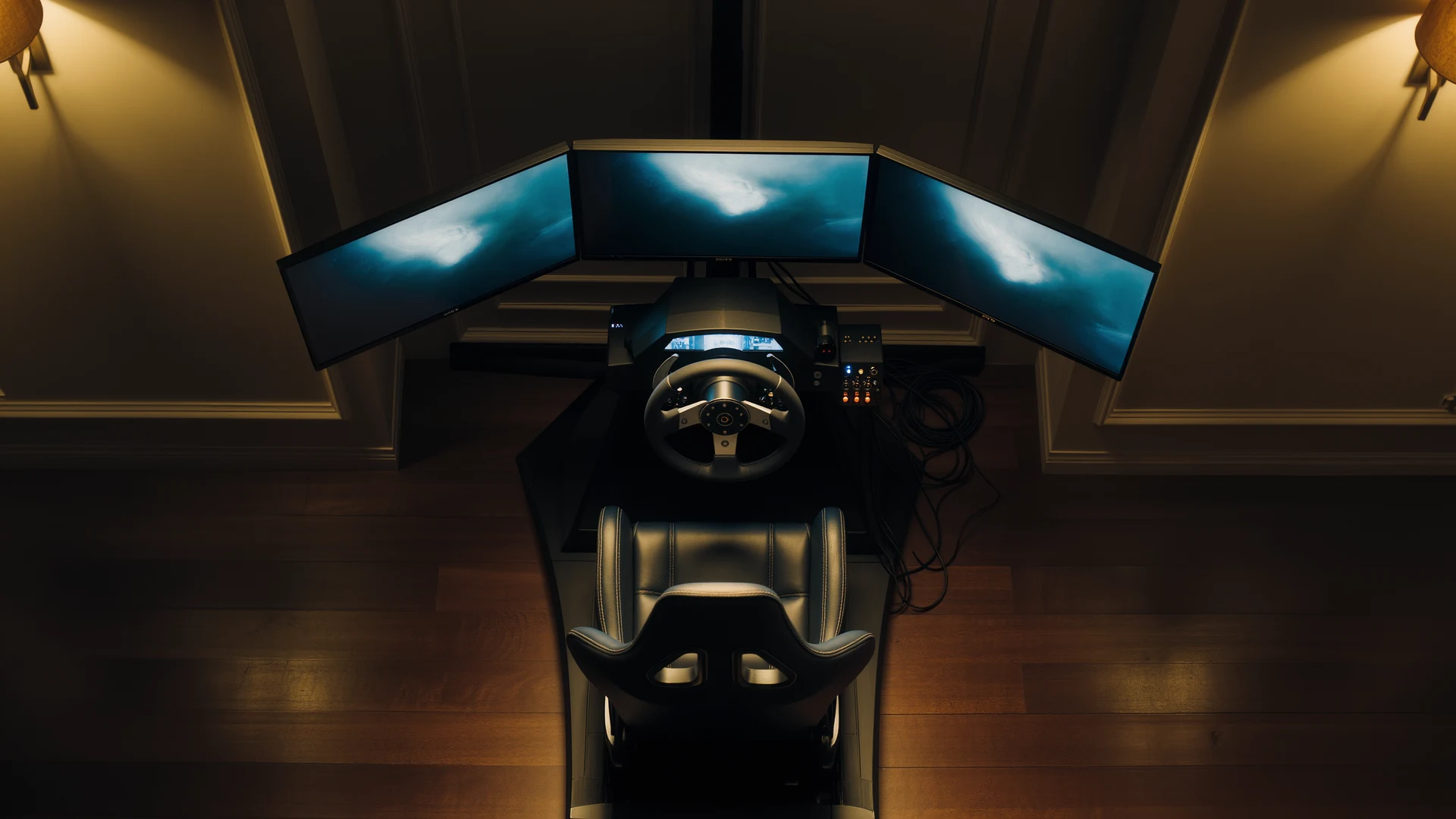
How to start sim racing in 2026: choosing a wheel and pedals, mounting them, picking a first sim, setting up the rig and avoiding common beginner…

Top class wheel bases and pedals in 2026: Fanatec Podium DD, Simucube, Moza and Heusinkveld, with platform limits and list prices checked on 18…
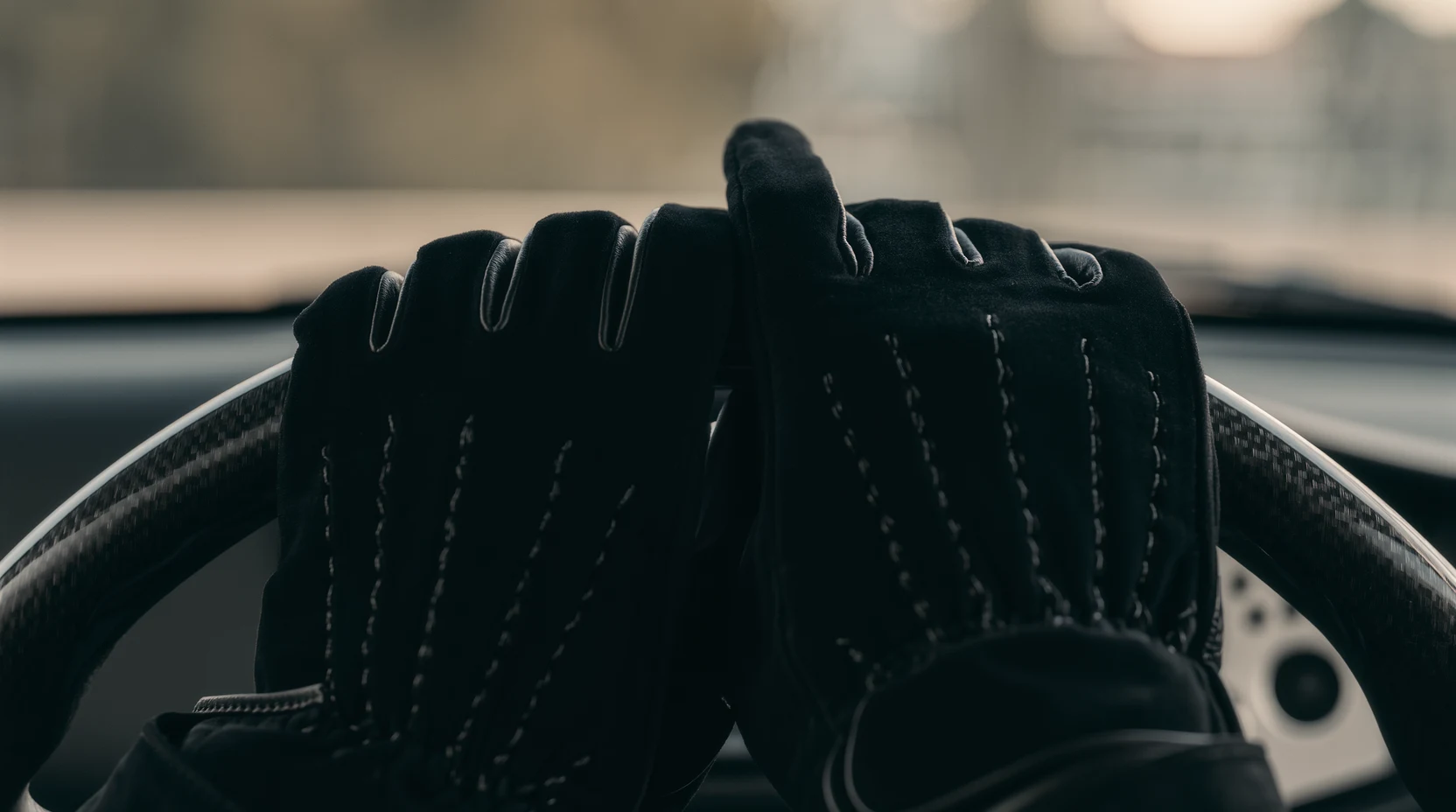
Do you need gloves for sim racing? What they do for grip, comfort and rim wear, which types work, what they cost and how to care for an Alcantara rim.
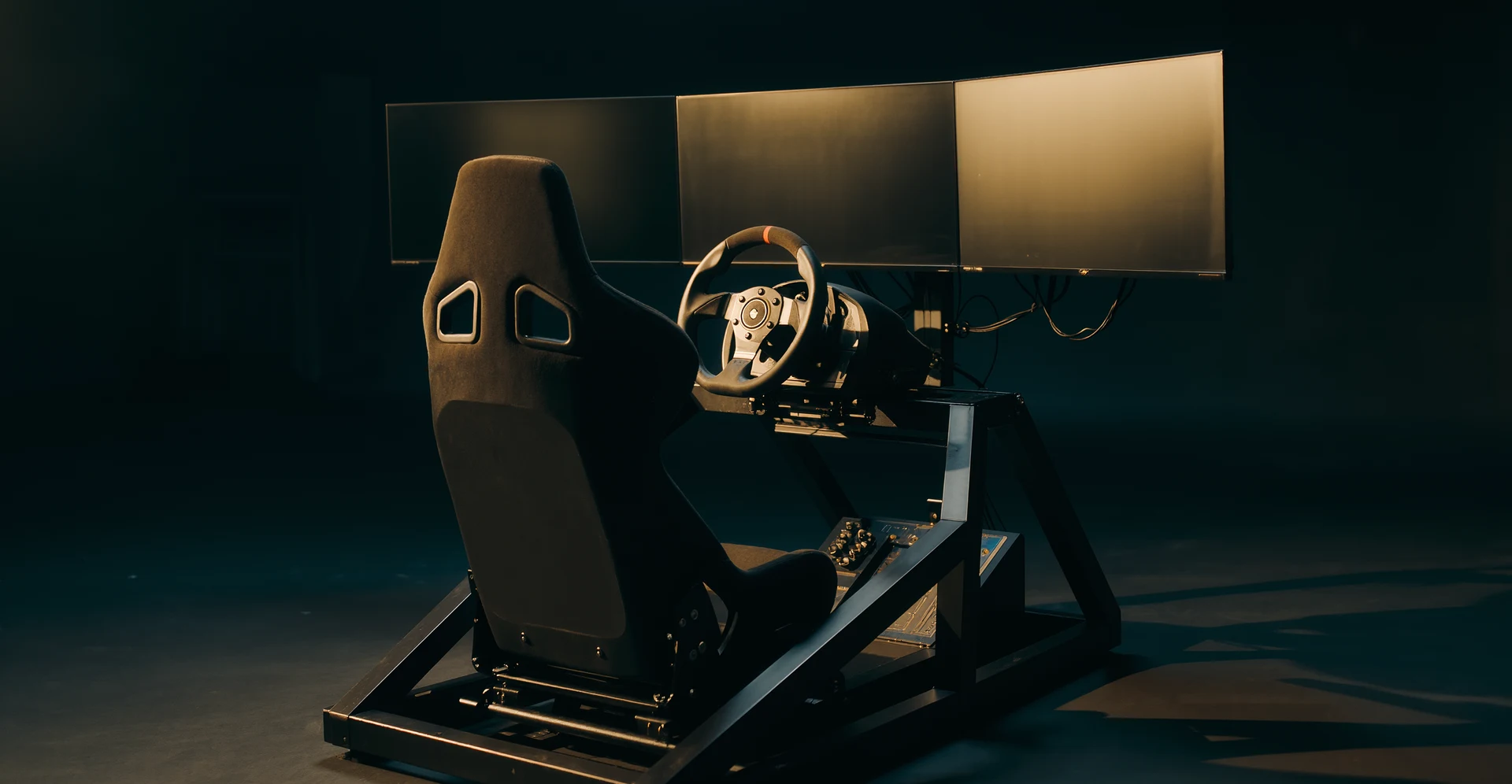
Sim rig accessories that change the experience: bass shakers, shifters, handbrakes, pedals, dashboards, telemetry software, audio and cabling.
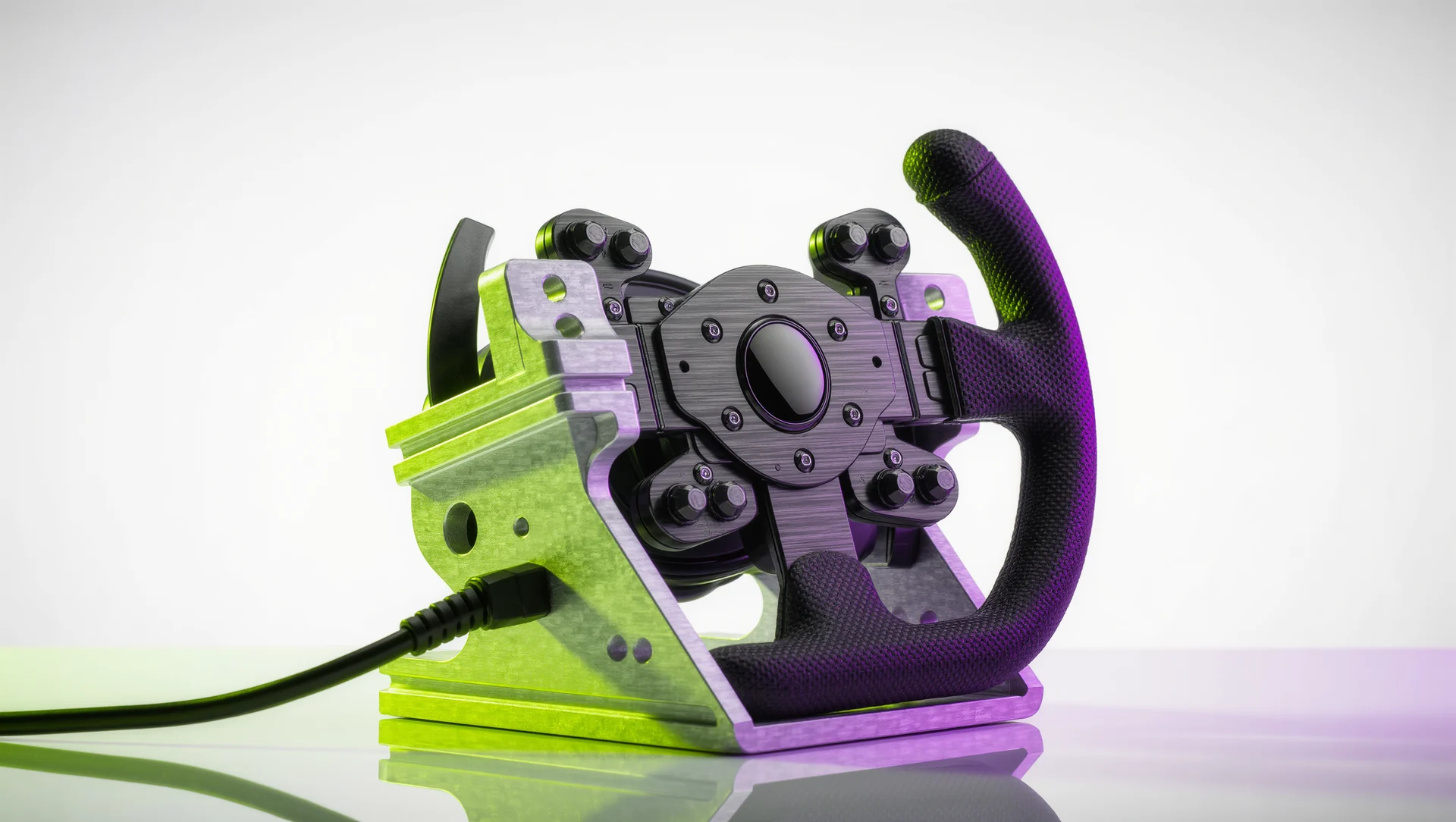
Direct drive torque compared: 5 Nm to 25 Nm across Fanatec, MOZA, Logitech and Simucube, what each level costs and where more torque stops paying.
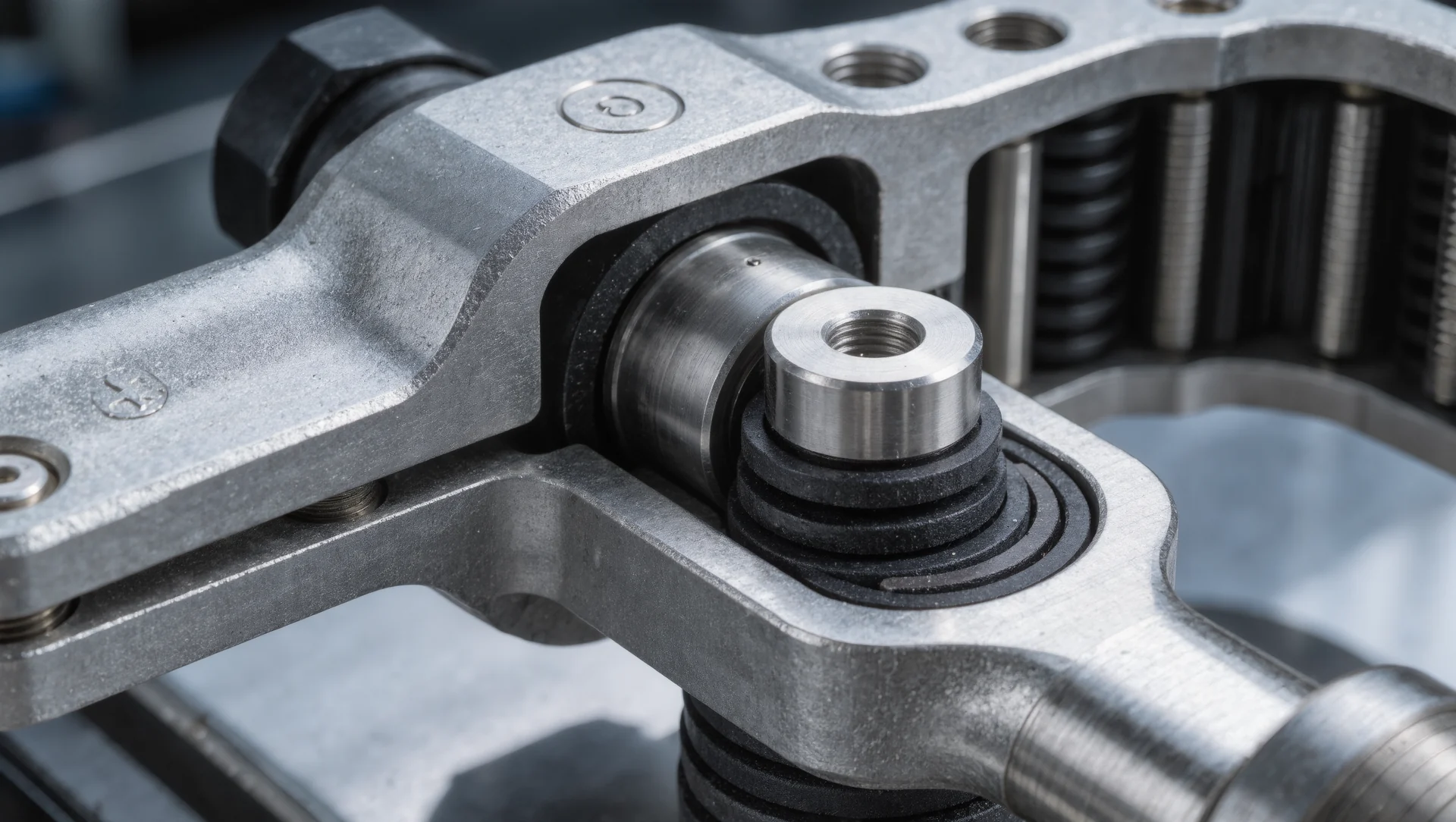
Load cell against potentiometer pedals: what changes in the braking, which figures the manufacturers publish and why the upgrade is felt on the second lap.

Calibrating the brake curve to your own leg: where to set the maximum, why the curve shape matters and how to test it in three laps instead of guessing.
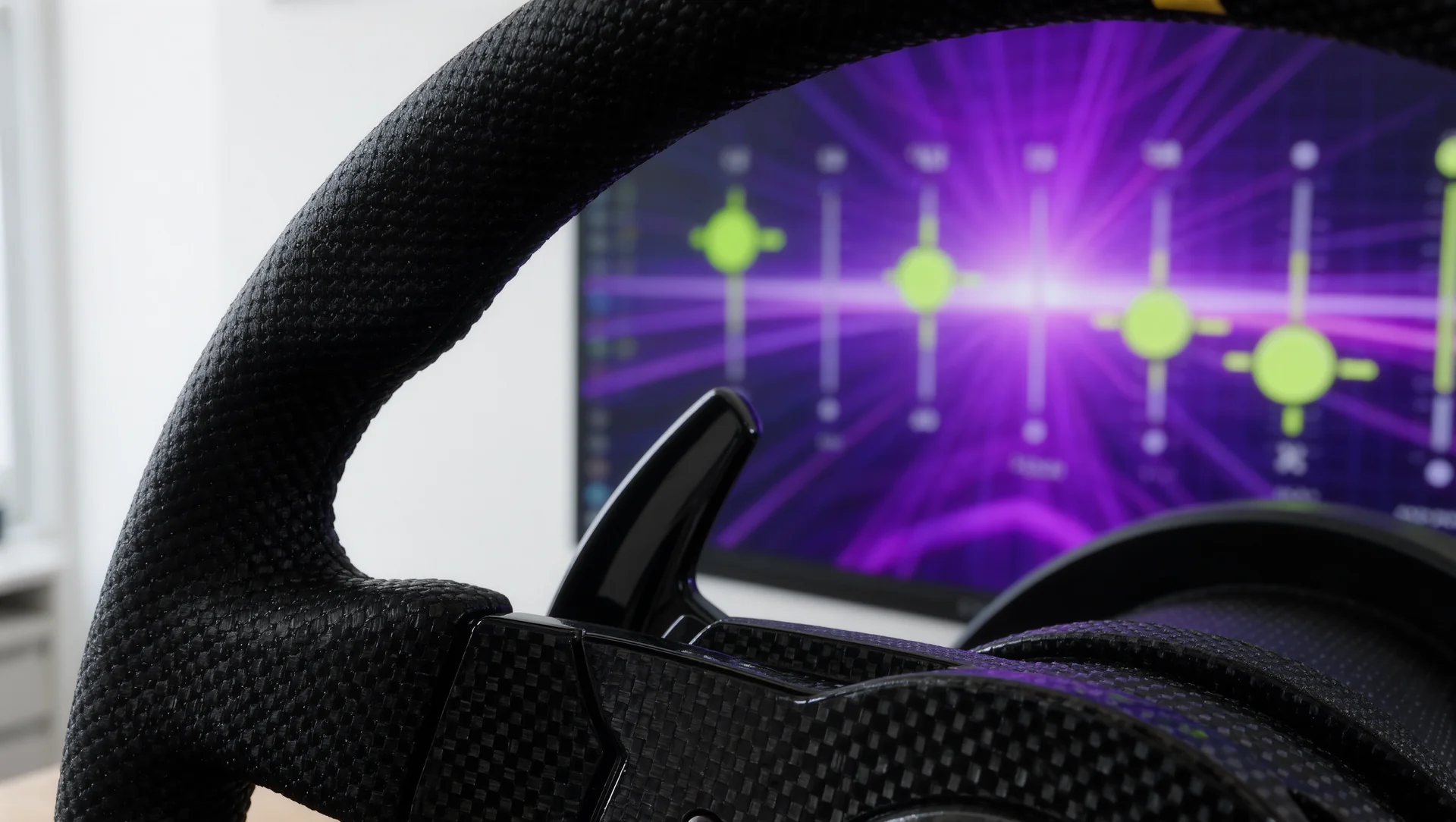
Force feedback settings explained slider by slider: what each one does to the signal, the published ranges and the order in which to set them.
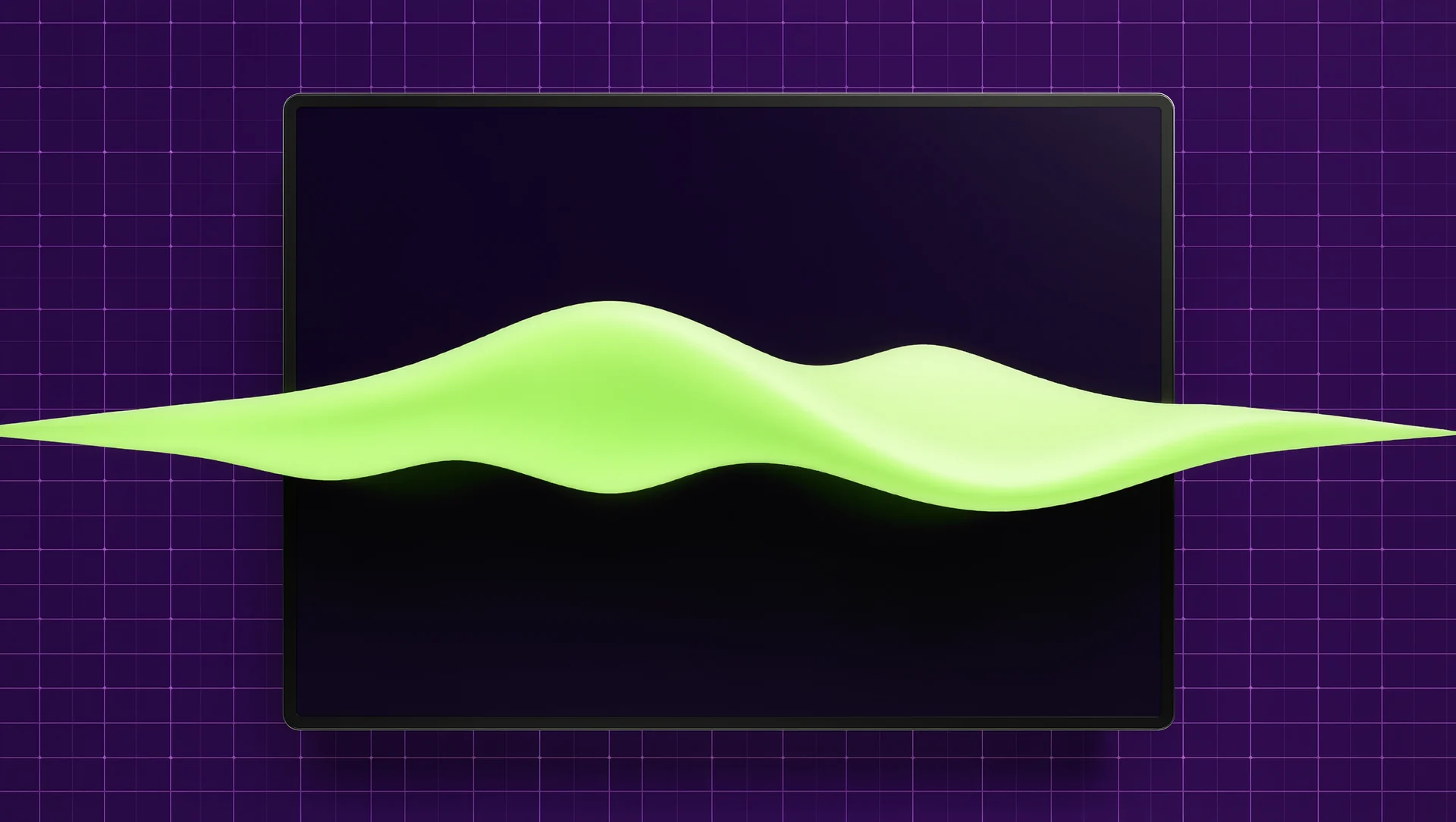
Clipping explained: what the force meter shows, why the strongest setting loses detail and how iRacing sets the maximum for you.
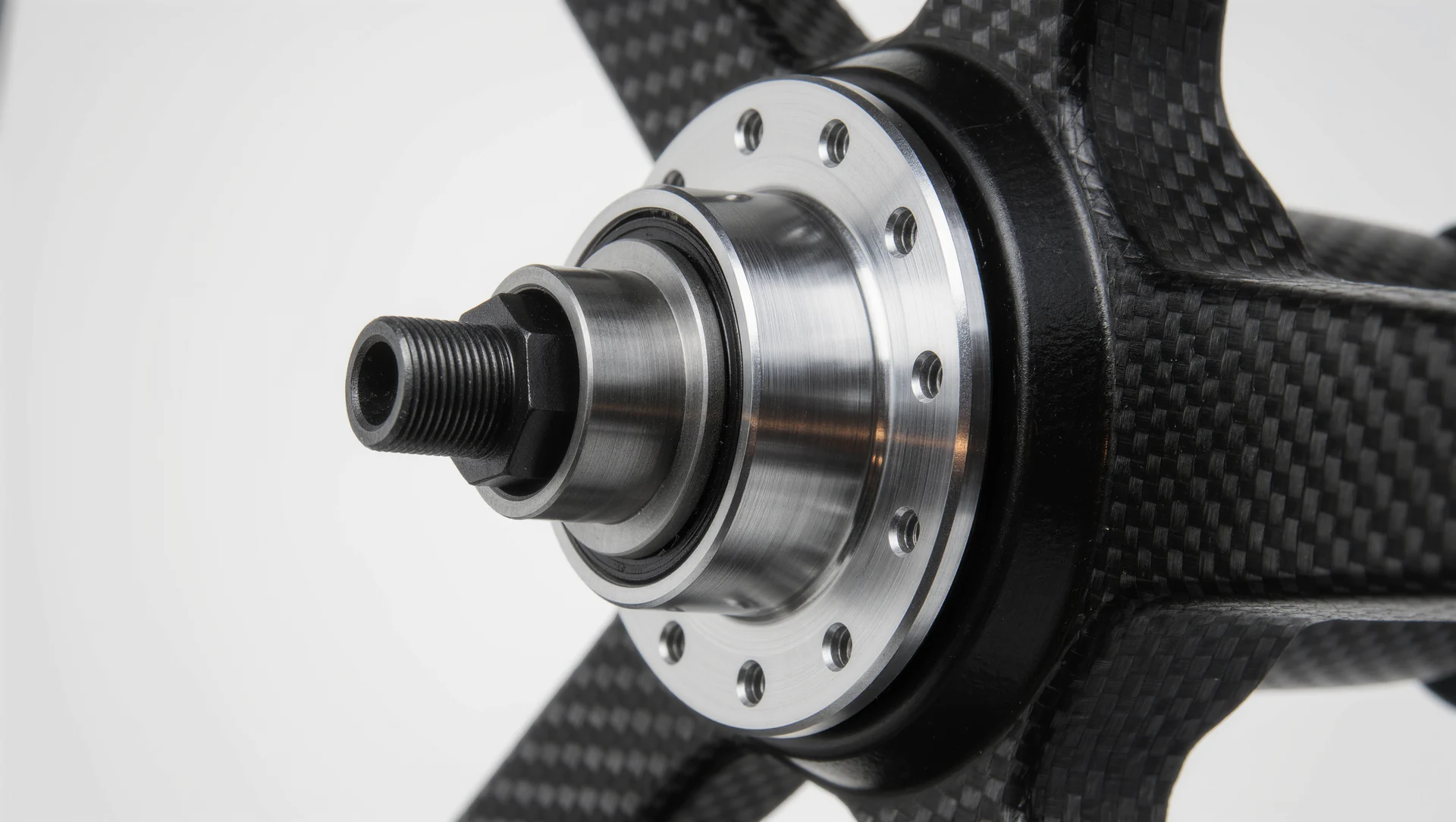
Quick release standards explained: the 70 mm bolt pattern, why QR1 and QR2 do not mix, and which variant belongs on which torque level.
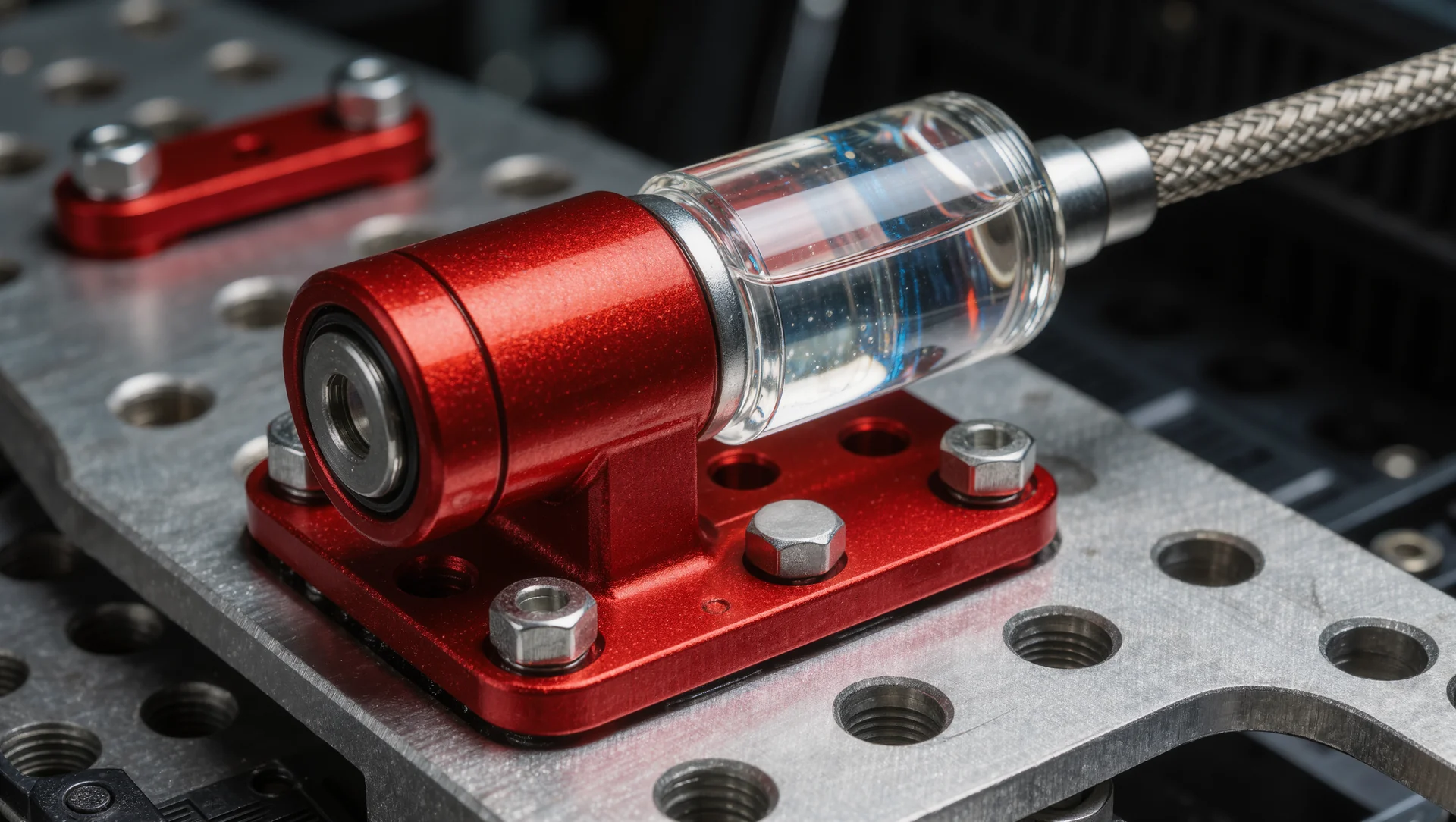
True hydraulic brake pedals against a good load cell: the published pressures, prices and maintenance, and who genuinely gains from the upgrade.
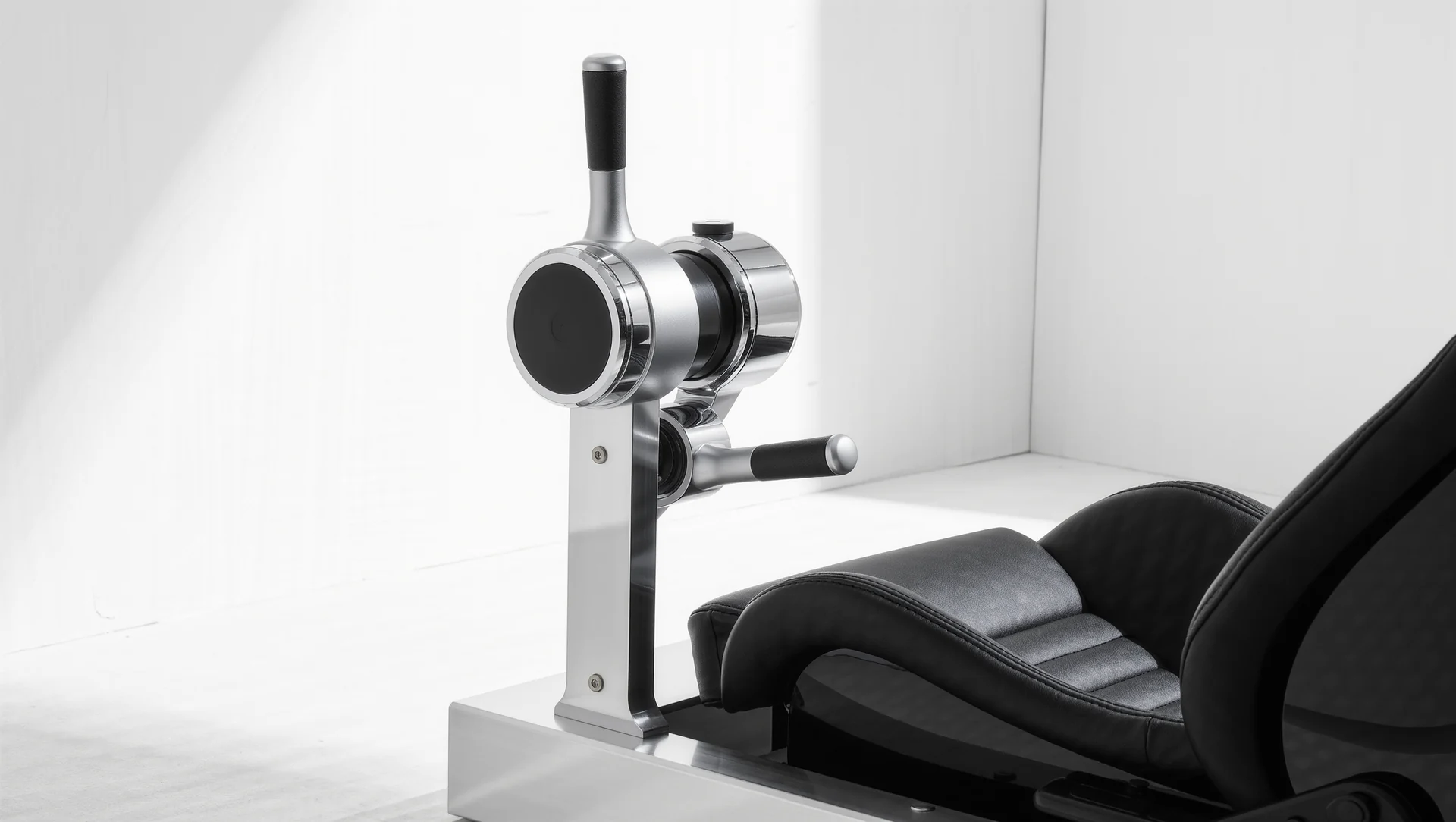
Handbrake and sequential shifter: which discipline actually needs them, the published forces and angles, and the order to buy them in.
H pattern shifting with a clutch in a simulator: which cars need it, what the hardware costs and how heel and toe actually works without a real gearbox.
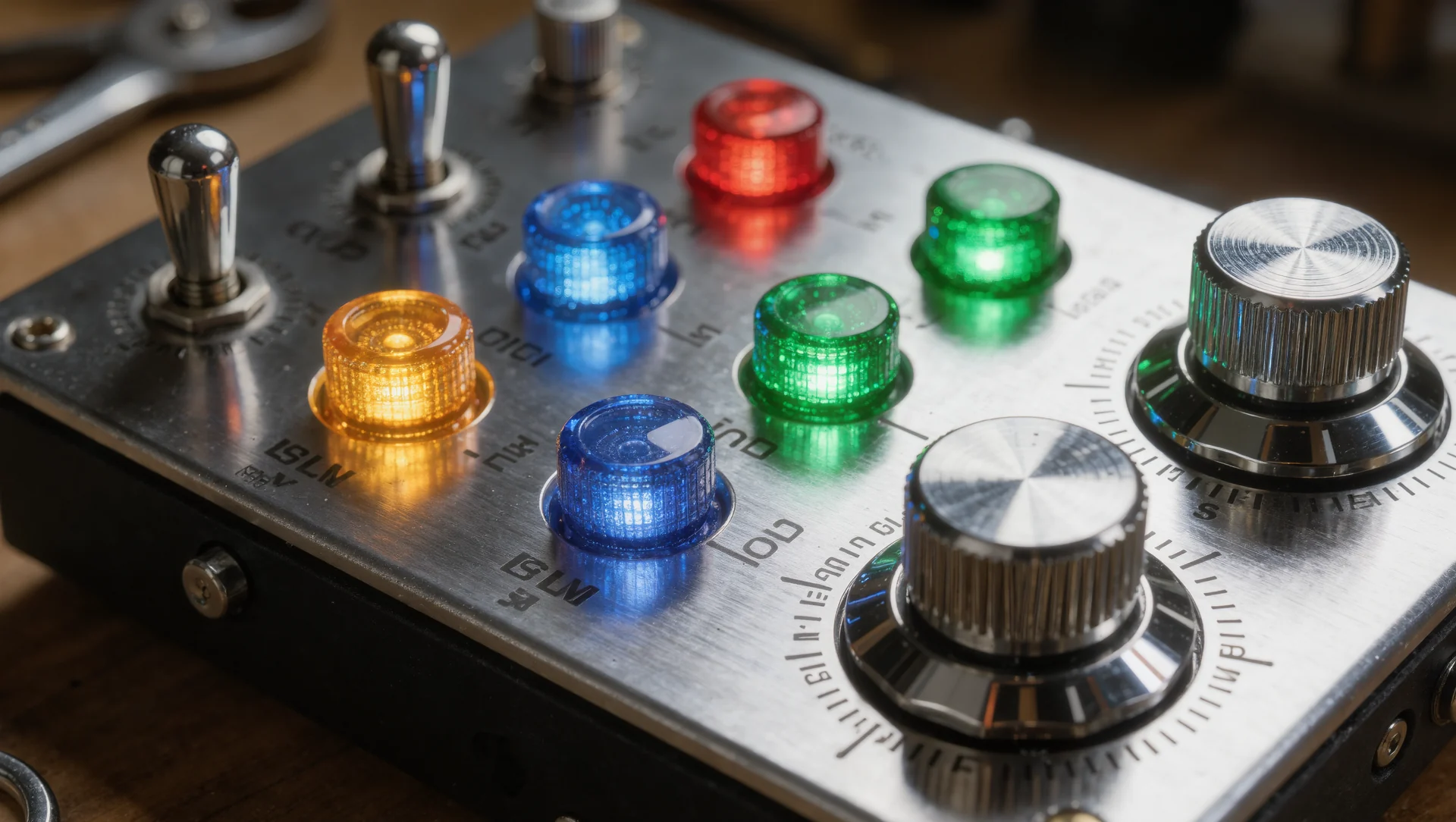
Button box mapping that survives a race: the published input limits, which functions belong where and the rule that keeps you from pressing the wrong one.
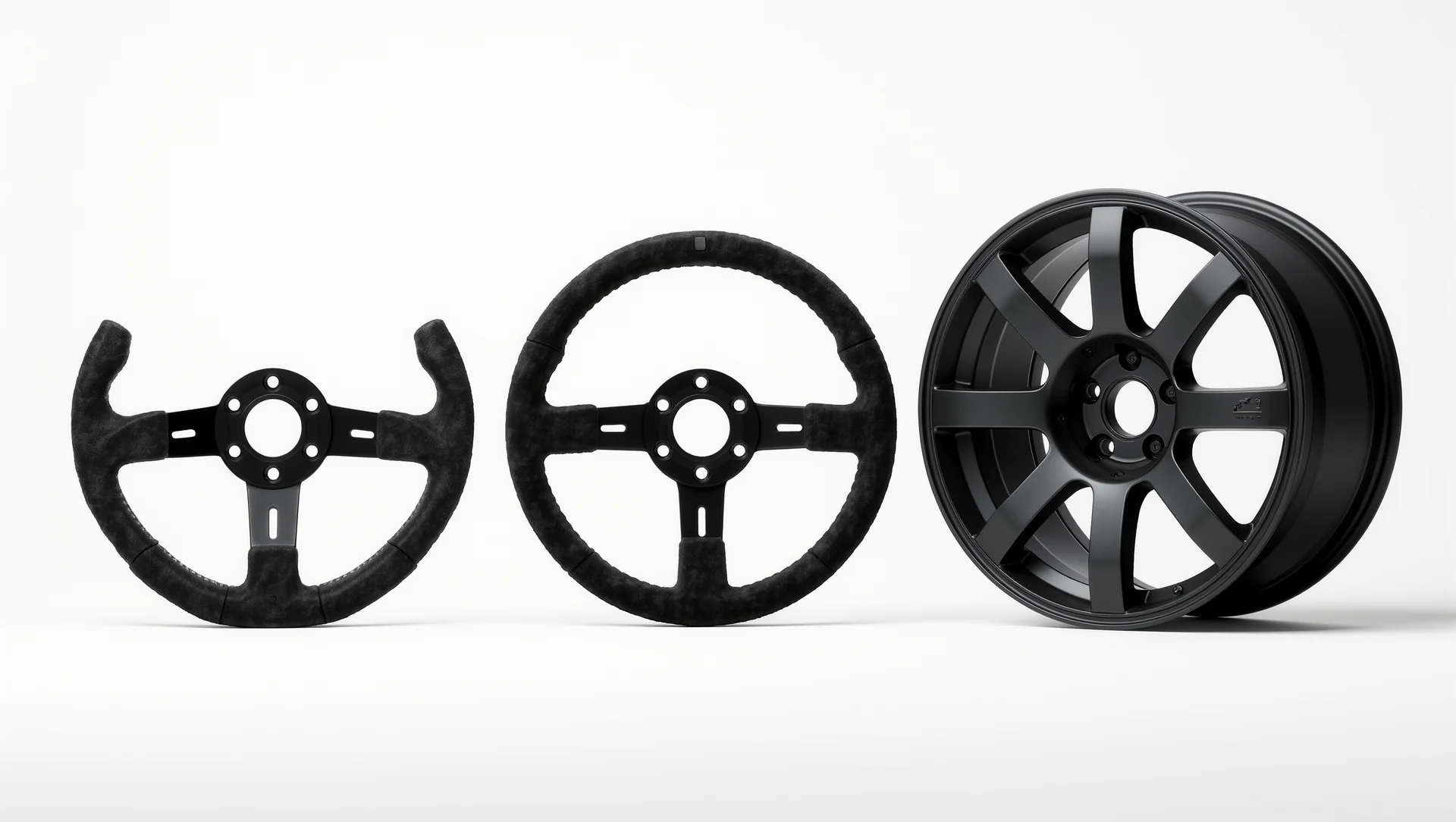
Wheel rim diameter for formula, GT and rally: the published sizes and weights, what each one changes in the force and how to choose without buying four.
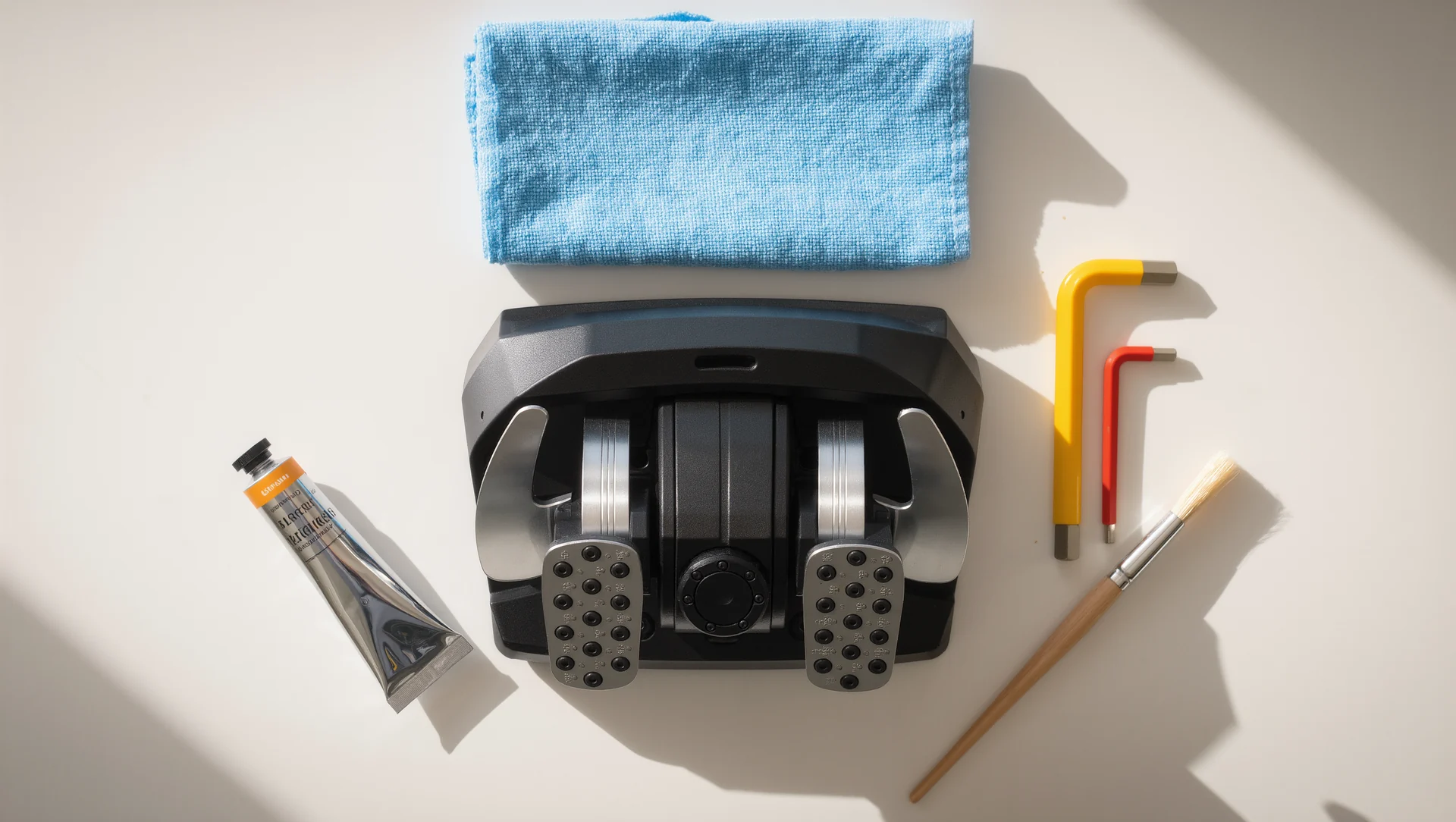
Maintenance that doubles the life of sim racing hardware: what the manufacturers let you service yourself, what to check on a schedule and what to leave alone.
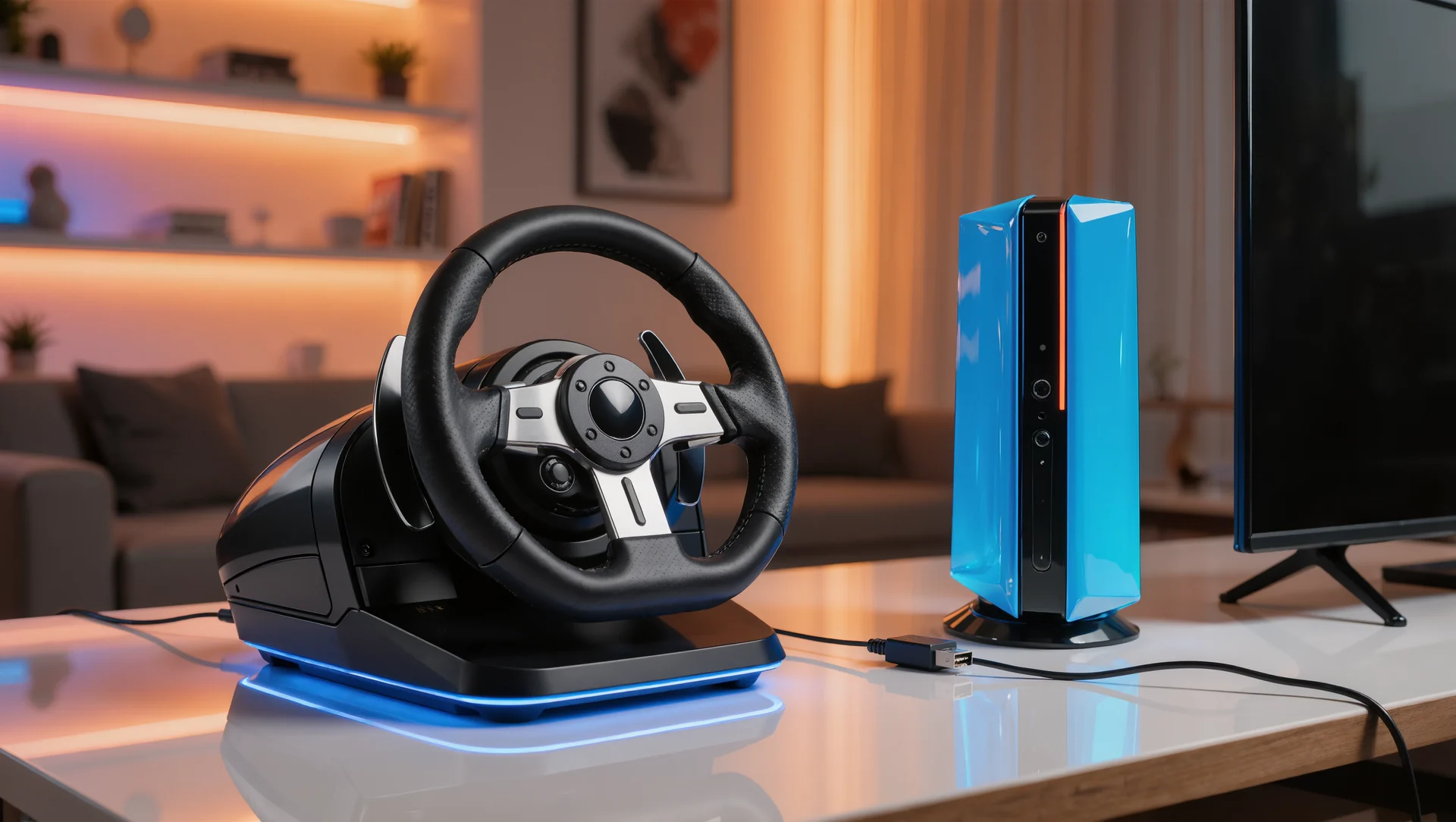
Console wheel compatibility explained by where the licensing chip sits, which combinations work on which platform and what that means before you buy.