Hydraulic brakes in a sim: worth the mess
True hydraulic brake pedals against a good load cell: the published pressures, prices and maintenance, and who genuinely gains from the upgrade.
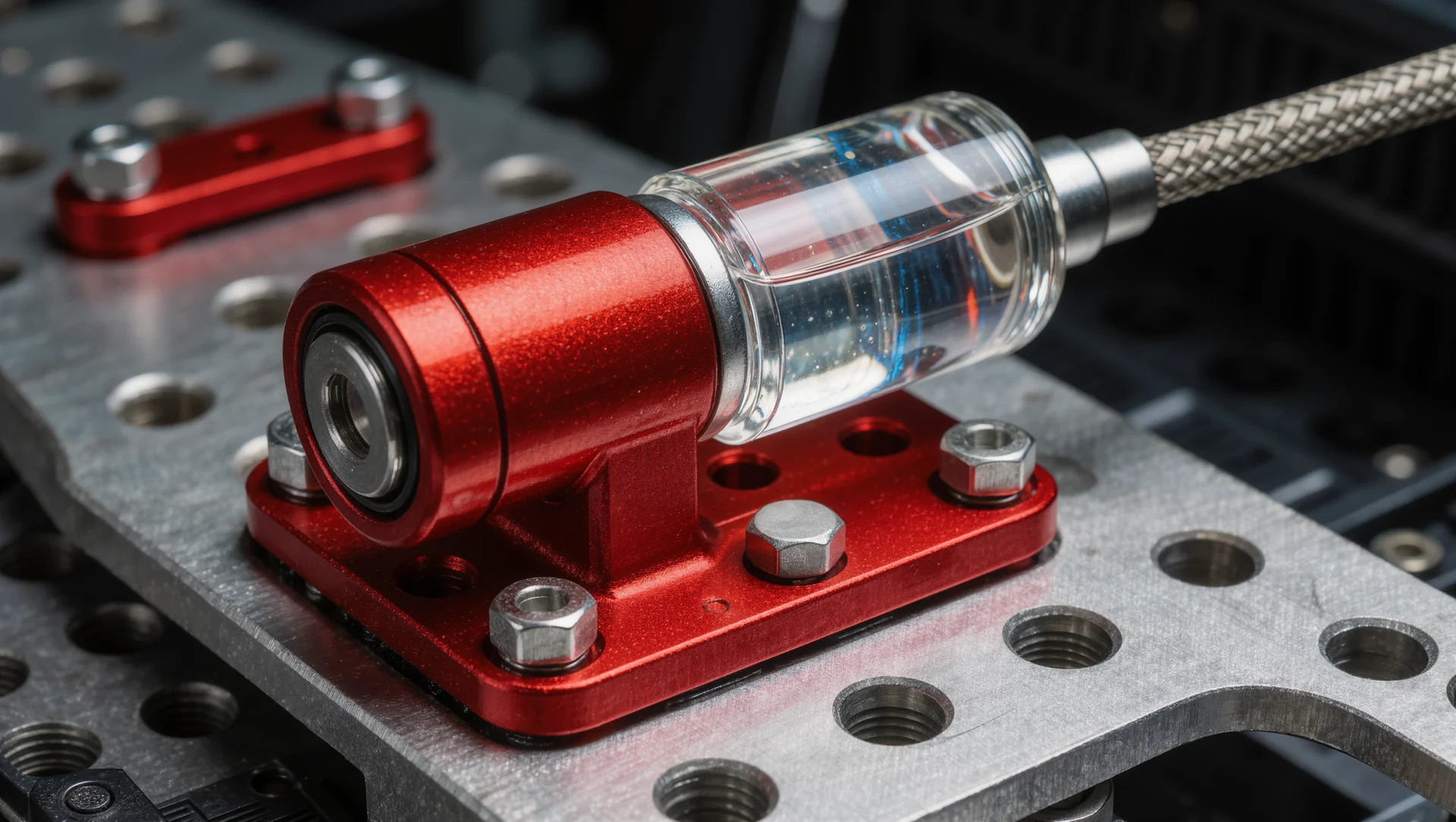
A load cell measures how hard you push; a hydraulic pedal builds real pressure in a real fluid line and measures that. The difference is about 1,000 dollars, a fluid reservoir and a maintenance schedule, and for most drivers the honest answer is that the load cell was already enough.
What each system actually does
A load cell pedal converts leg force into a number directly. Heusinkveld publishes the Sprint with a 120 kg load cell that, through the pedal geometry, results in roughly 65 kg of maximum brake force at the pedal face, built from CNC laser cut stainless steel, weighing 15 kg for the three pedal set and listed at 699 dollars. The feel comes from elastomers and springs, and the force curve is adjusted in software.
A true hydraulic pedal reproduces the mechanism instead of the result. A master cylinder pressurises a fluid line, a pressure sensor reads that line, and the number sent to the simulator is a pressure rather than a force. Sim Coaches publishes 0 to 1,600 PSI of real brake pressure, a response time under 1 millisecond, CNC aluminium construction, DOT 5 brake fluid, a 50 ml reservoir and about 6 lbs per pedal.
The functional difference is what happens between your foot and the sensor. In a load cell pedal, an elastomer stack compresses; in a hydraulic pedal, fluid moves and the resistance builds the way a real caliper builds it. Both end up as a number in the same range, and the argument is entirely about how that number feels on the way.
What it costs and what it demands
The price gap is the first honest fact. Sim Coaches lists a two pedal set without haptics at 1,650 dollars, with haptics at 1,875, a three pedal set at 2,150 and 2,375 respectively, against 699 dollars for the Heusinkveld Sprint three pedal set. That is roughly three times the money for the third pedal set comparison, and the difference would buy a stronger wheel base.
The second fact is maintenance. A hydraulic system has fluid, and fluid systems need bleeding, they can develop air in the line, and DOT 5 sitting in a 50 ml reservoir is still brake fluid in your living room. Nothing about that is difficult, but a load cell pedal has no equivalent task at all.
The third is the rig. Real brake pressure means real reaction force, and a pedal set that weighs 6 lbs each and generates pressure up to 1,600 PSI will find every weakness in a frame that a 65 kg load cell pedal tolerated. The upgrade is often a rig upgrade wearing a pedal upgrade's label.
| Item | Load cell (Heusinkveld Sprint) | Hydraulic (Sim Coaches) |
|---|---|---|
| Sensing | 120 kg load cell | 0 to 1,600 PSI pressure sensor |
| Force at the pedal | about 65 kg | pressure, not force |
| Response time | not published | under 1 millisecond |
| Weight | 15 kg for three pedals | about 6 lbs per pedal |
| Price | 699 dollars for three pedals | 2,150 dollars for three pedals |
| Maintenance | none | DOT 5 fluid, 50 ml reservoir, bleeding |
Who actually gains
Drivers who race the same car for hundreds of hours gain the most, because the value of hydraulics is in the last five per cent of modulation at the threshold, and that is the part you only reach when everything else is already repeatable. If your braking points still vary by more than a car length between laps, the pedal is not what is limiting you.
Drivers moving between sim and real cars gain too, because pressure is what a real pedal reports and the muscle memory transfers more directly. This is the case where the specification difference stops being philosophical.
Everybody else should spend the difference on the rig, the seat and the seat time. A 699 dollar load cell set that is properly calibrated to your own leg outperforms a 2,000 dollar hydraulic set on a frame that flexes, and the second sentence is the one people skip.
If you do buy hydraulic
Plan the mounting before the pedals arrive. A 18 by 12 by 8 inch assembly with a fluid reservoir needs a rigid plate and a way to reach the bleed points without dismantling the rig. Then calibrate to your own maximum rather than to the system maximum: 1,600 PSI is the range of the sensor, not a target for your leg.
Sources
Frequently asked questions
Is hydraulic braking measurably faster?
Not by itself. It improves modulation at the threshold, which helps a driver who is already consistent and does nothing for one who is not.
Do I have to bleed the system?
Yes, occasionally, like any fluid brake. It is straightforward, but it is a task a load cell pedal never gives you.
Will it work on my existing rig?
Only if the rig already handles a strong load cell without flexing. Real pressure means real reaction force into the frame.
What about hydraulic damping on a load cell pedal?
That is a different thing: a damper smooths the movement of a load cell pedal without making the measurement hydraulic. It is a cheap and effective middle path.
More in Wheels & Pedals
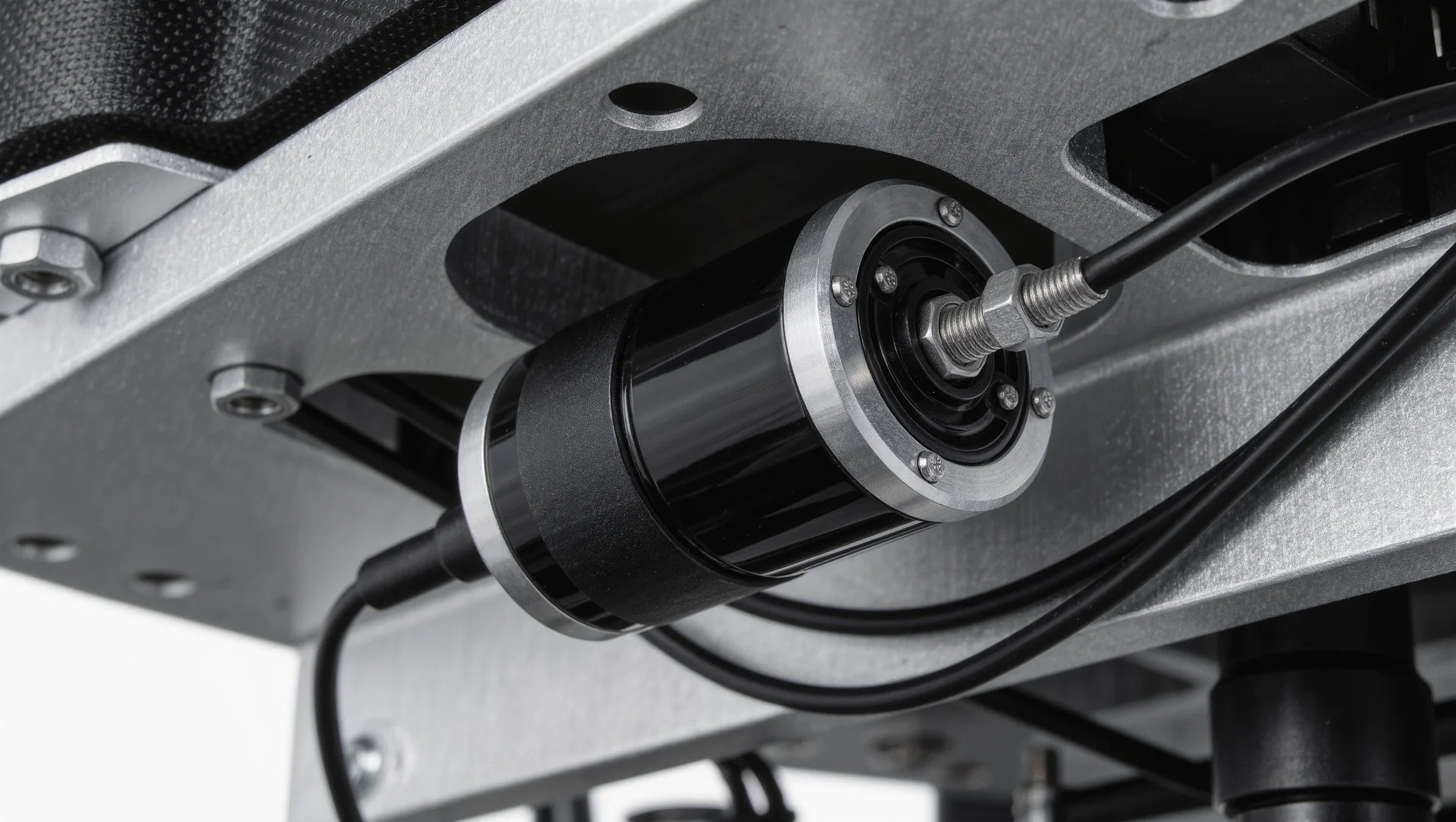
Bass shakers on a rig: placement, power, limits
Bass shakers on a sim rig: the published power and frequency figures, where to mount them, how many you need and where the limits genuinely are.
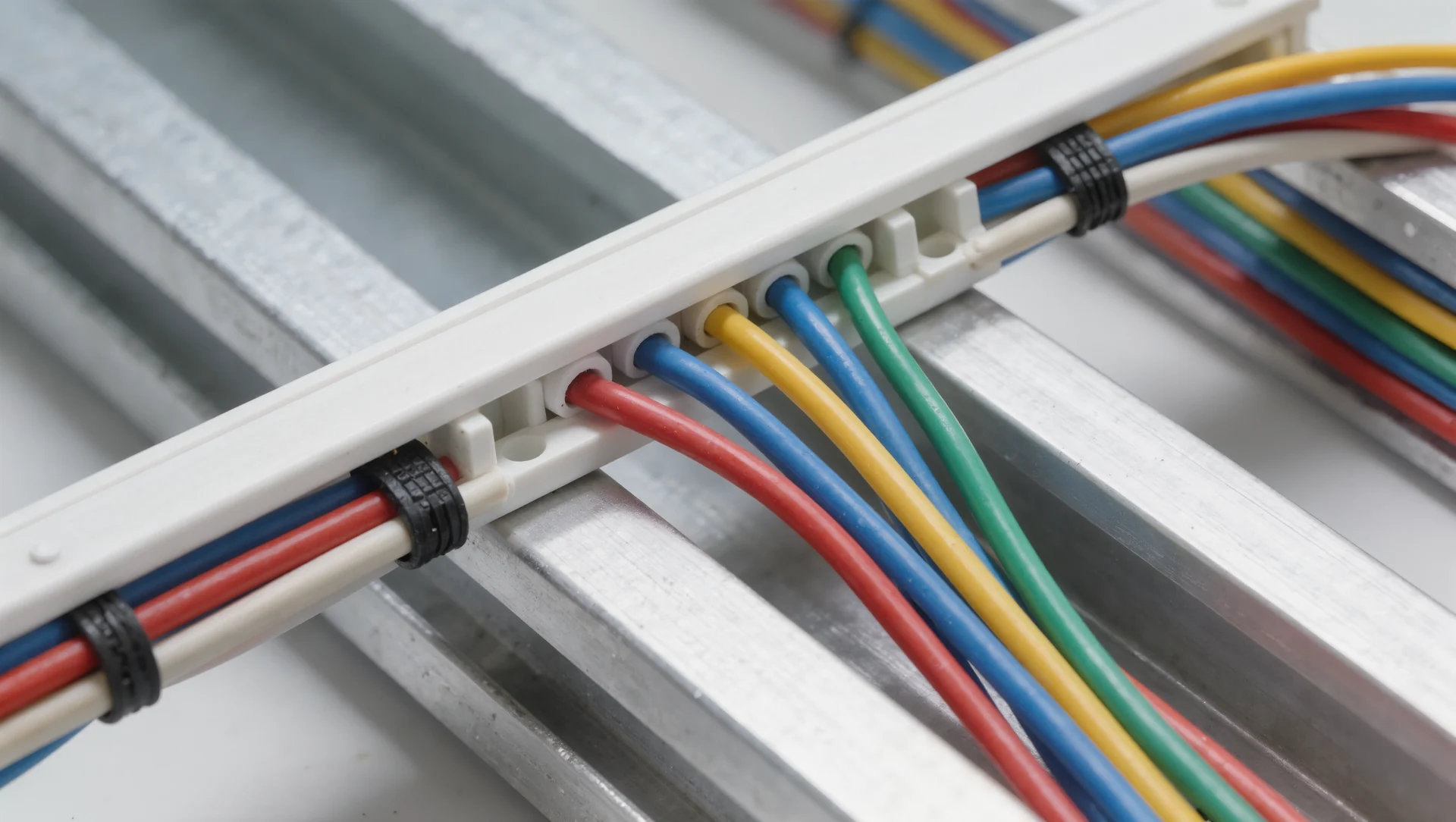
Cable management that survives a motion platform
Cable routing that survives a moving rig: the published filling rules for energy chains, the USB length limits and the order in which to lay a loom.
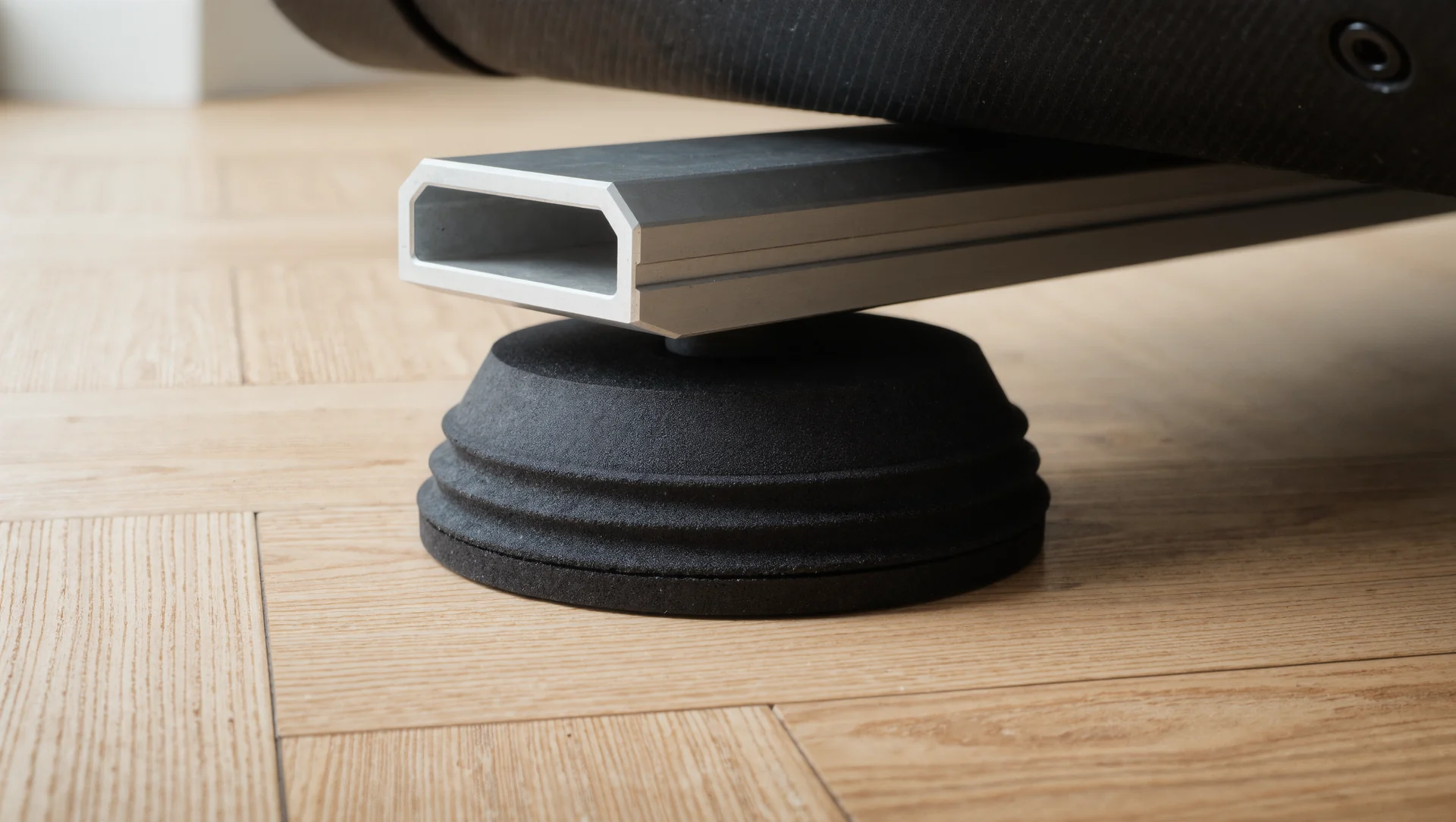
Rig noise through the floor and what actually stops it
Rig noise through the floor is structure borne, not airborne. Why carpet does nothing, what the isolation figures mean and how to size a decoupling pad.