Handbrake and sequential shifter: which discipline needs them
Handbrake and sequential shifter: which discipline actually needs them, the published forces and angles, and the order to buy them in.
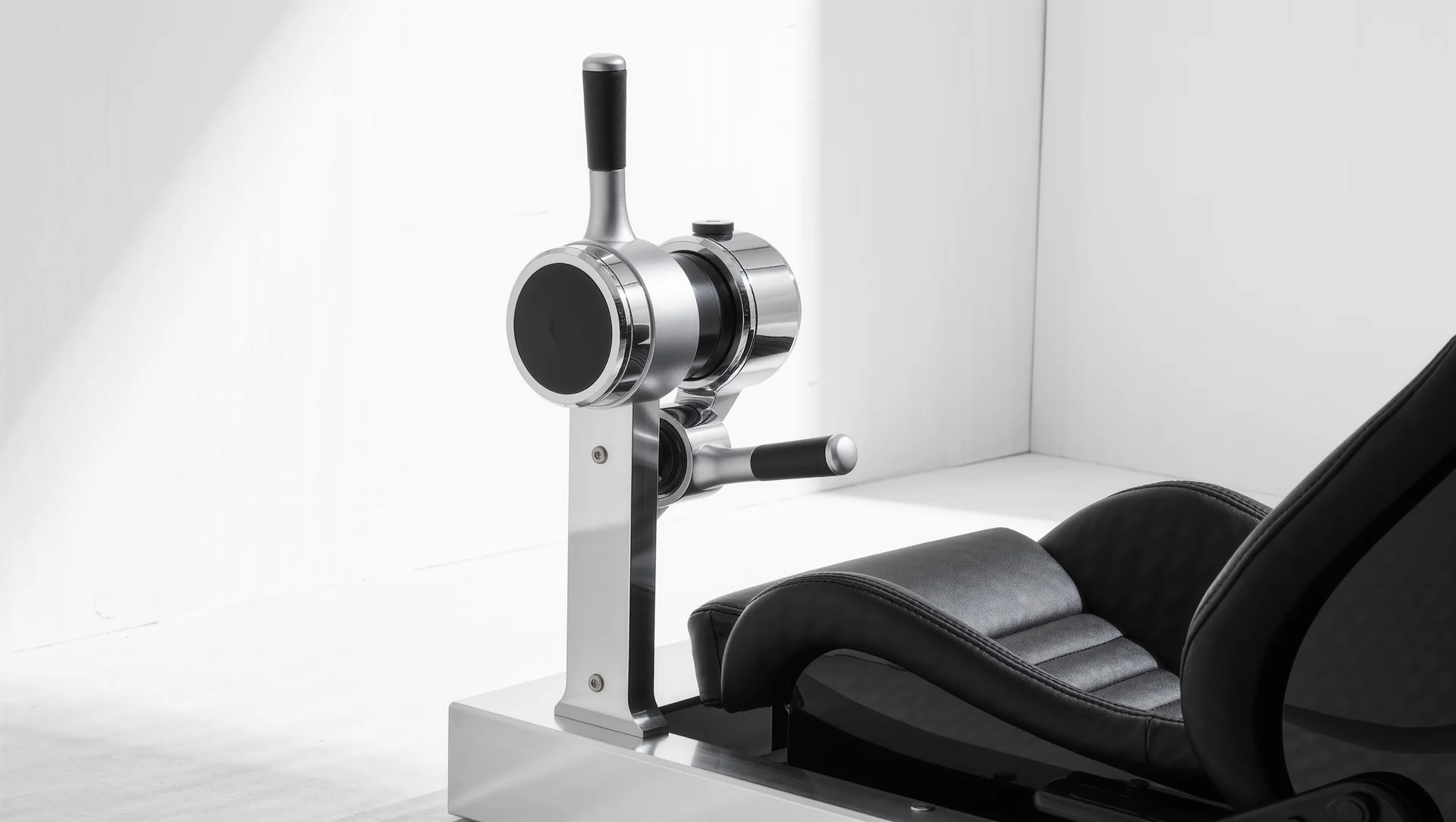
A handbrake is useless in GT racing and indispensable in rally; a sequential shifter is the opposite of a luxury in touring cars and pure decoration in a formula car. Both are discipline specific tools, and buying them before you know which discipline you race is how rigs end up with unused levers.
What each one is for
A handbrake exists to rotate the car without using the brakes, which matters in exactly three places: rally hairpins, rallycross, and drifting. In circuit racing it does nothing at all, because there is no situation on a sealed surface where locking the rear axle deliberately makes a lap faster.
A sequential shifter replaces paddles with a lever that moves through one gear per pull. It matters where the real car has one, which covers most touring cars, a large part of the rally field and many GT4 and GT3 cars. It is a feel and immersion upgrade rather than a lap time one, because the shift itself is not faster than a paddle.
The distinction people miss is that both change how much of your body is involved. A hand leaving the wheel to pull a lever is a hand not correcting the car, and in a rally stage that timing is part of the skill. That is precisely why it belongs in rally and not on an oval.
The published figures
Heusinkveld publishes the Sim Handbrake with a 120 kg load cell that produces up to approximately 22 kg of force measured at the lever, a lever angle adjustment of up to about 26 degrees, an optional yaw adjustment of up to about 22.5 degrees with the adapter plate, a base measuring 317 by 162 by 84 mm, a weight of about 2.17 kg and a price of 329 euro.
The 22 kg figure is the one to read carefully. A 120 kg load cell does not mean you pull 120 kg; the lever geometry divides it down to a force a hand can produce repeatedly, which is the entire point. A handbrake that needs more than about 20 kg at the lever cannot be pulled in the middle of a corner with one hand.
The MagShift sequential shifter is published with independently adjustable upshift and downshift forces across a total lever resistance range of roughly 4.5 kg to 11 kg, using opto electronic wear free sensors. The independence of the two directions is the useful part: a real sequential is not symmetric, and matching that changes how the lever reads under load.
| Item | Figure |
|---|---|
| Handbrake load cell | 120 kg |
| Force at the handbrake lever | up to about 22 kg |
| Lever angle adjustment | up to about 26 degrees |
| Yaw adjustment with adapter plate | up to about 22.5 degrees |
| Handbrake base and weight | 317 x 162 x 84 mm, about 2.17 kg |
| Handbrake price | 329 euro |
| Sequential shifter resistance | about 4.5 kg to 11 kg, adjustable per direction |
The order to buy in
If you race rally, the handbrake comes before almost everything else, including a stronger wheel base. A rally stage is a sequence of corners that need rotation, and no amount of torque at the wheel substitutes for the rear axle letting go on command.
If you race touring cars or GT, the sequential shifter comes after the pedals and before anything cosmetic. Paddles work, so this is a purchase you make because the car has a lever and you want the same input, not because the stopwatch demands it.
If you race formula or open wheel, neither belongs on the rig. Buy neither, spend the 658 euro on a better seat, better pedals or an event entry, and revisit the question if your discipline changes.
Mounting them so they stay useful
Both are pulled sideways, which is a load direction most rigs never see. A handbrake generating 22 kg at the lever puts a bending moment into whatever it is bolted to, and a 2.17 kg unit on a 317 mm base needs a proper bracket rather than a plate held by two bolts.
Position matters more than for pedals. The handbrake lever has to be reachable with the hand you actually free up, at an angle where a pull is a pull rather than a lift, and the 26 degrees of lever adjustment exist for exactly this. Set it seated, in your driving position, and pull it twenty times before you tighten anything.
Sources
Frequently asked questions
Do I need a handbrake for circuit racing?
No. There is no situation on a sealed circuit where deliberately locking the rear axle produces a faster lap.
Is a load cell handbrake worth it over a switch?
For rally, yes, because the amount of rotation depends on how hard you pull. For occasional use, a simple switch does the job.
Is a sequential shifter faster than paddles?
No. It is an immersion and matching upgrade for cars that have a lever in reality, not a lap time upgrade.
Can I mount both on one bracket?
Usually not well. Both are pulled sideways with different geometry, and a shared bracket compromises the angle of at least one of them.
More in Wheels & Pedals
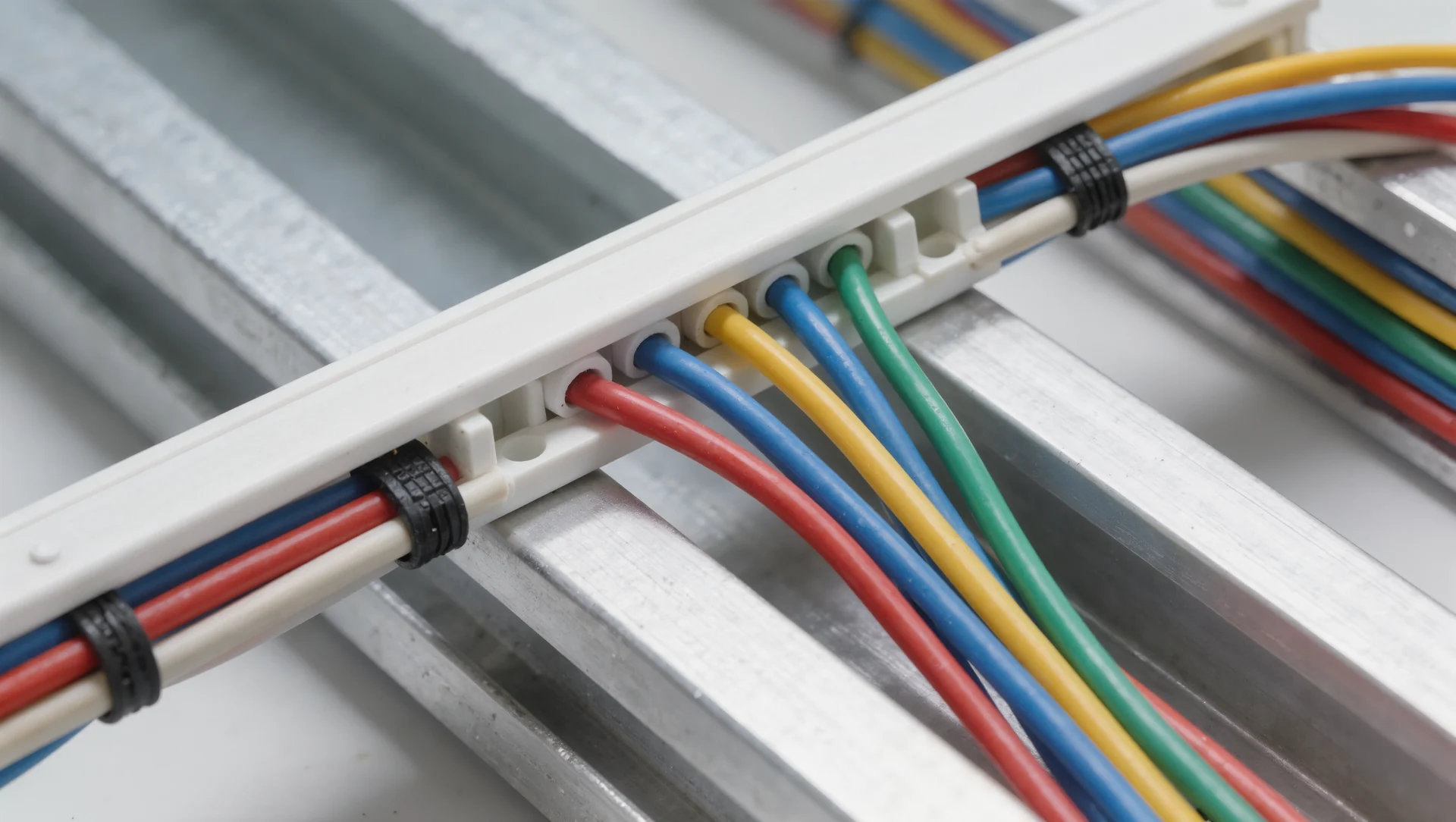
Cable management that survives a motion platform
Cable routing that survives a moving rig: the published filling rules for energy chains, the USB length limits and the order in which to lay a loom.
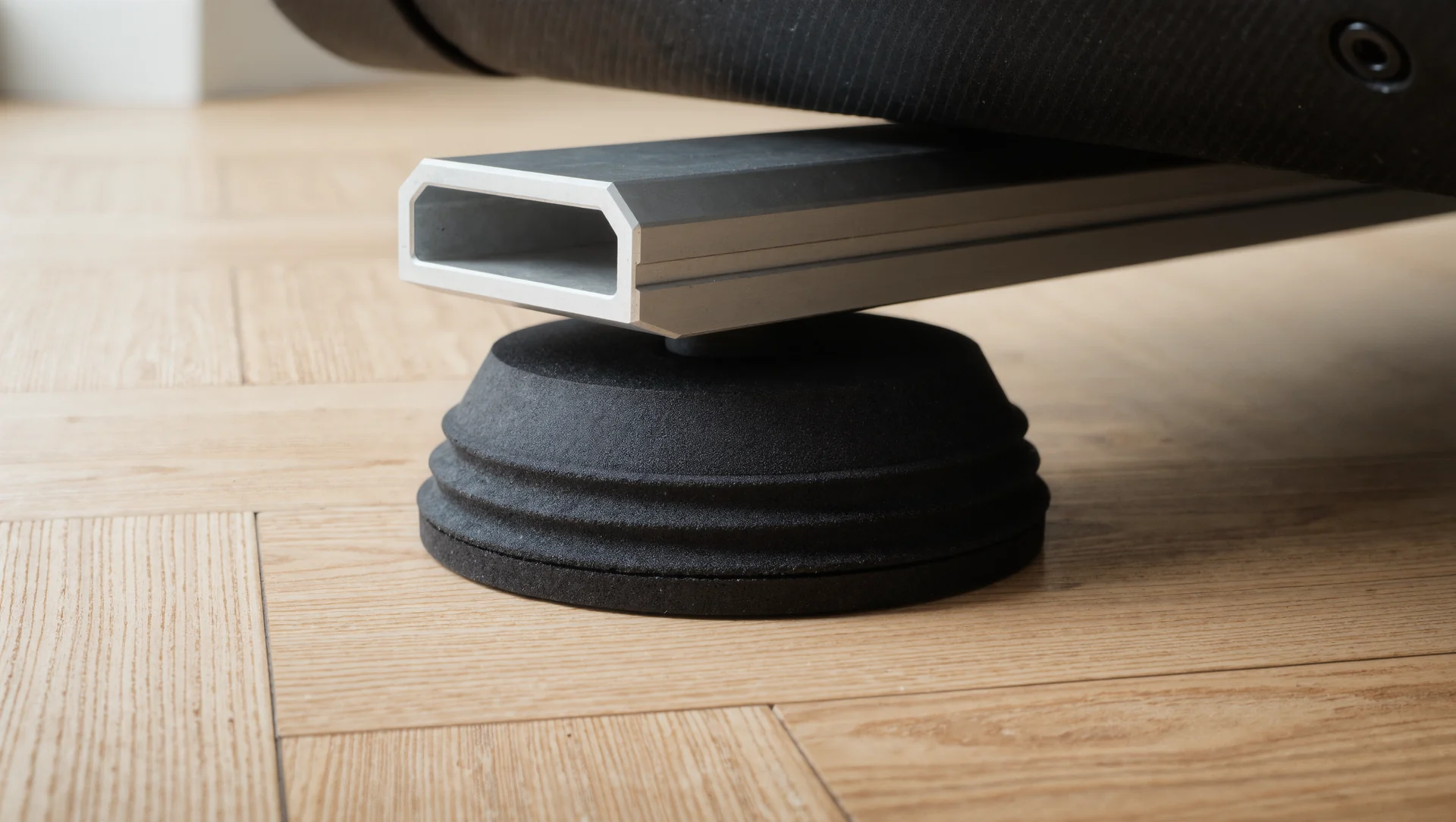
Rig noise through the floor and what actually stops it
Rig noise through the floor is structure borne, not airborne. Why carpet does nothing, what the isolation figures mean and how to size a decoupling pad.
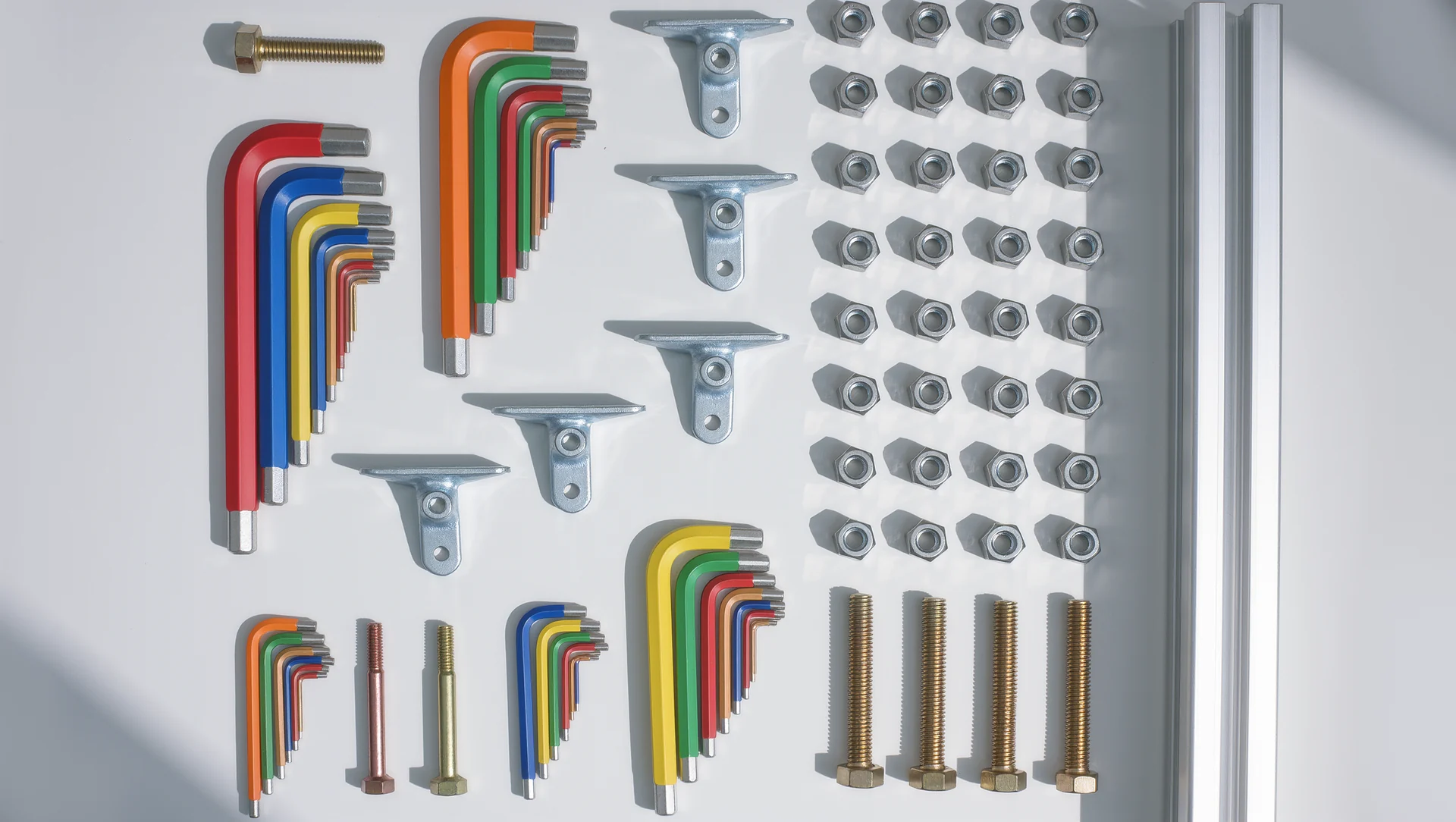
The tool list for an aluminium profile build
The tool list for an aluminium profile build, with the published torque limits and the two tools that decide whether the frame stays square.