H pattern and clutch: heel and toe in a sim
H pattern shifting with a clutch in a simulator: which cars need it, what the hardware costs and how heel and toe actually works without a real gearbox.
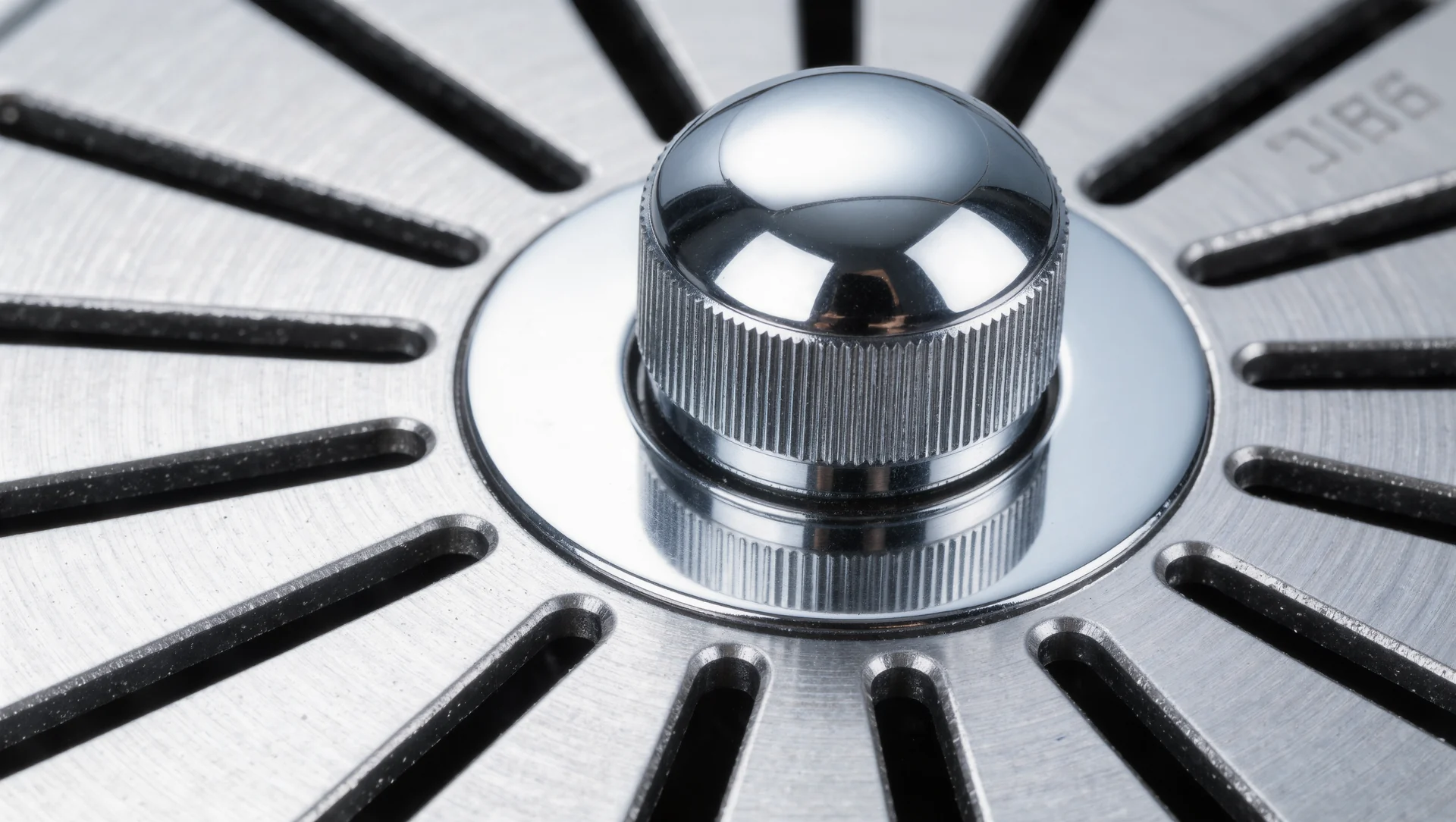
Heel and toe exists because a synchromesh gearbox needs the engine speed to match the road speed before the next gear will go in cleanly. A simulator reproduces that requirement faithfully enough that the technique transfers, and the hardware to practise it costs about a thousand dollars less than most people assume.
What the technique is for
Downshifting into a corner does two things at once: it selects a lower gear and it connects a slow turning engine to fast turning wheels. Without matching the two, the clutch releases into a mismatch, the driven wheels are dragged towards engine speed and the rear of the car goes light exactly where you are asking it to turn.
Heel and toe solves it by doing three jobs with two feet. The left foot works the clutch, the ball of the right foot holds the brake pressure, and the side or heel of the same foot blips the throttle to lift the engine speed. The name describes the foot position, not a rule; on most modern pedal sets the right foot rolls rather than pivots.
In a simulator the same sequence applies, because the gearbox model rejects a badly matched shift in the same way. What differs is the consequence: a missed shift costs a tenth rather than a gearbox, which is precisely why a simulator is the right place to learn it.
The hardware and what it costs
The shifter comes first. Fanatec publishes the ClubSport Shifter SQ V1.5 as a full metal unit with a 7 speed H pattern mode and a sequential mode, switchable without unplugging or rebooting, with adjustable shift feel and resistance, polished aluminium knobs and a price of 299.99 dollars. The seventh gear and reverse require pressing the lever down, which prevents the wrong selection under load.
The clutch pedal comes second and matters more than people expect. A three pedal set such as the Heusinkveld Sprint at 699 dollars gives a clutch with the same adjustability as the brake, and the useful part is the bite point: a clutch that engages across a believable travel range lets you practise release timing rather than a switch.
That puts a complete heel and toe capable setup at roughly 999 dollars of shifter and pedals, which sits below the price of a single hydraulic brake pedal set. For a driver whose cars have three pedals, that is a far better use of the money than upgrading a brake that already works.
| Item | Published detail | Price |
|---|---|---|
| Fanatec ClubSport Shifter SQ V1.5 | 7 speed H pattern plus sequential mode | 299.99 dollars |
| Mode switching | without unplugging or rebooting | |
| Seventh gear and reverse | require pressing the lever down | |
| Heusinkveld Sprint three pedal set | adds an adjustable clutch | 699 dollars |
| Complete setup | shifter plus three pedals | about 999 dollars |
Learning it in the right order
Practise the blip on its own first, in a straight line, without braking. Downshift, clutch in, blip, clutch out, and listen. The goal is one clean rise in engine speed that arrives while the clutch is out of engagement, not a loud noise at a random moment.
Then add the brake, still in a straight line. Hold a constant brake pressure and blip without the pressure changing; this is the hard part and the whole reason the technique has a name. If your brake pressure moves when you blip, the pedal geometry needs work before the technique does.
Count the steps so you know what you are practising: one clutch press, one gear change, one blip and one clutch release, four actions inside a window of roughly 400 milliseconds at a normal downshift, repeated twice or three times per corner and perhaps 40 times a lap at a circuit with 14 corners. That is why five laps of deliberate practice teaches more than an hour of racing: the racing hides 200 repetitions inside other work.
Only then take it into a corner, and only in one car until it is automatic. The sequence is heavier on attention than it looks, and a driver splitting attention between the technique and the corner learns neither.
When not to bother
In cars with paddles and an automated gearbox, none of this applies, and the simulator will blip for you. In formula cars it has been irrelevant for decades. And in any car where you are still working on braking points, the shift technique is a distraction from the thing that actually costs you time.
Sources
Frequently asked questions
Does heel and toe make me faster in a sim?
In cars that need it, yes, because a badly matched downshift unsettles the rear exactly at turn in. In paddle shift cars it does nothing.
Do I need a real clutch pedal?
For learning the technique, yes. A button or a switch teaches the sequence but not the release timing, and the release timing is the skill.
Is the sequential mode on the same shifter enough?
For touring cars and rally, yes. The H pattern only matters when the car you drive actually has one.
Why does my brake pressure move when I blip?
Pedal geometry. If the throttle sits too far from the brake or at a different height, your foot has to rotate instead of roll.
More in Wheels & Pedals
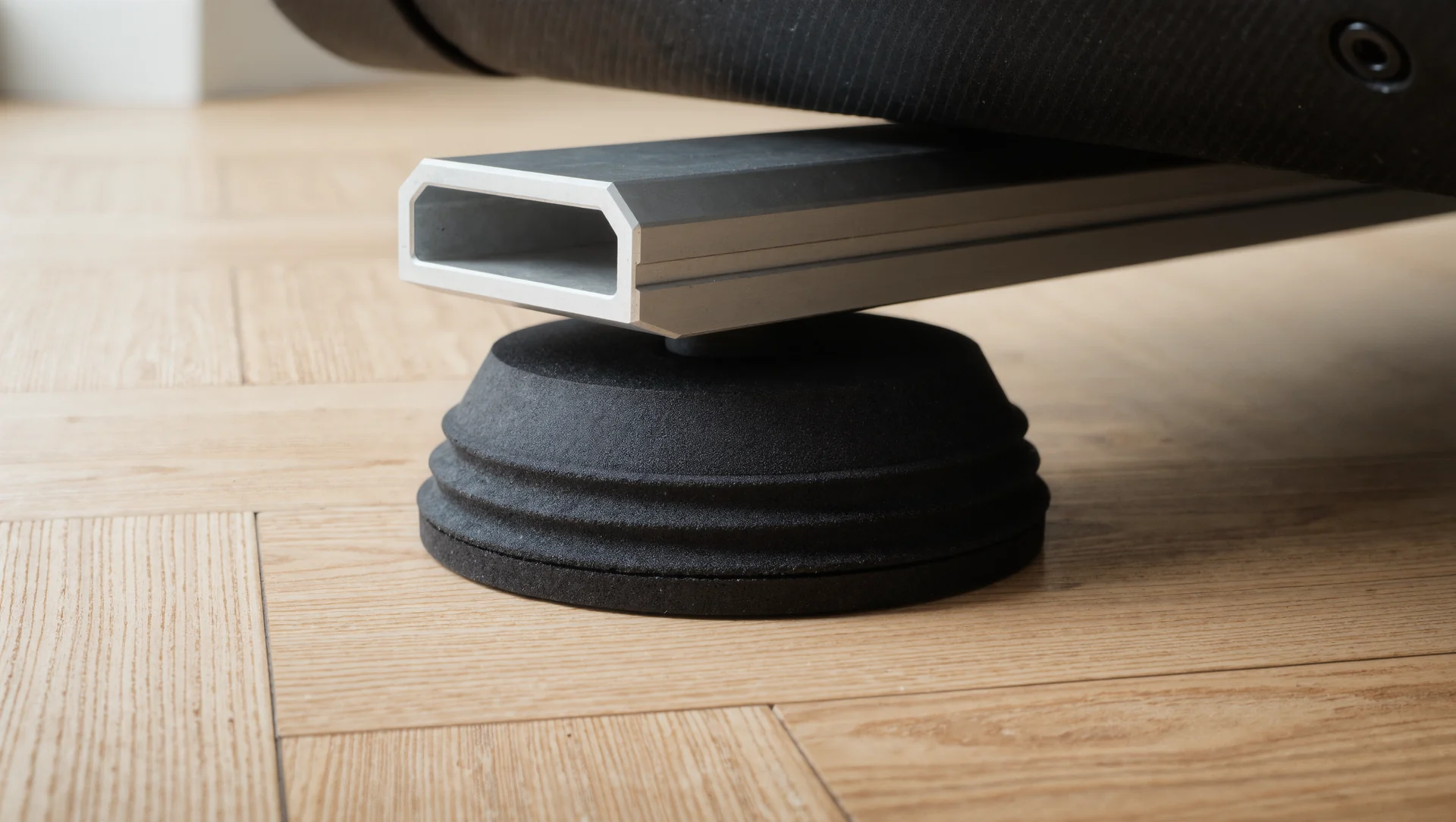
Rig noise through the floor and what actually stops it
Rig noise through the floor is structure borne, not airborne. Why carpet does nothing, what the isolation figures mean and how to size a decoupling pad.
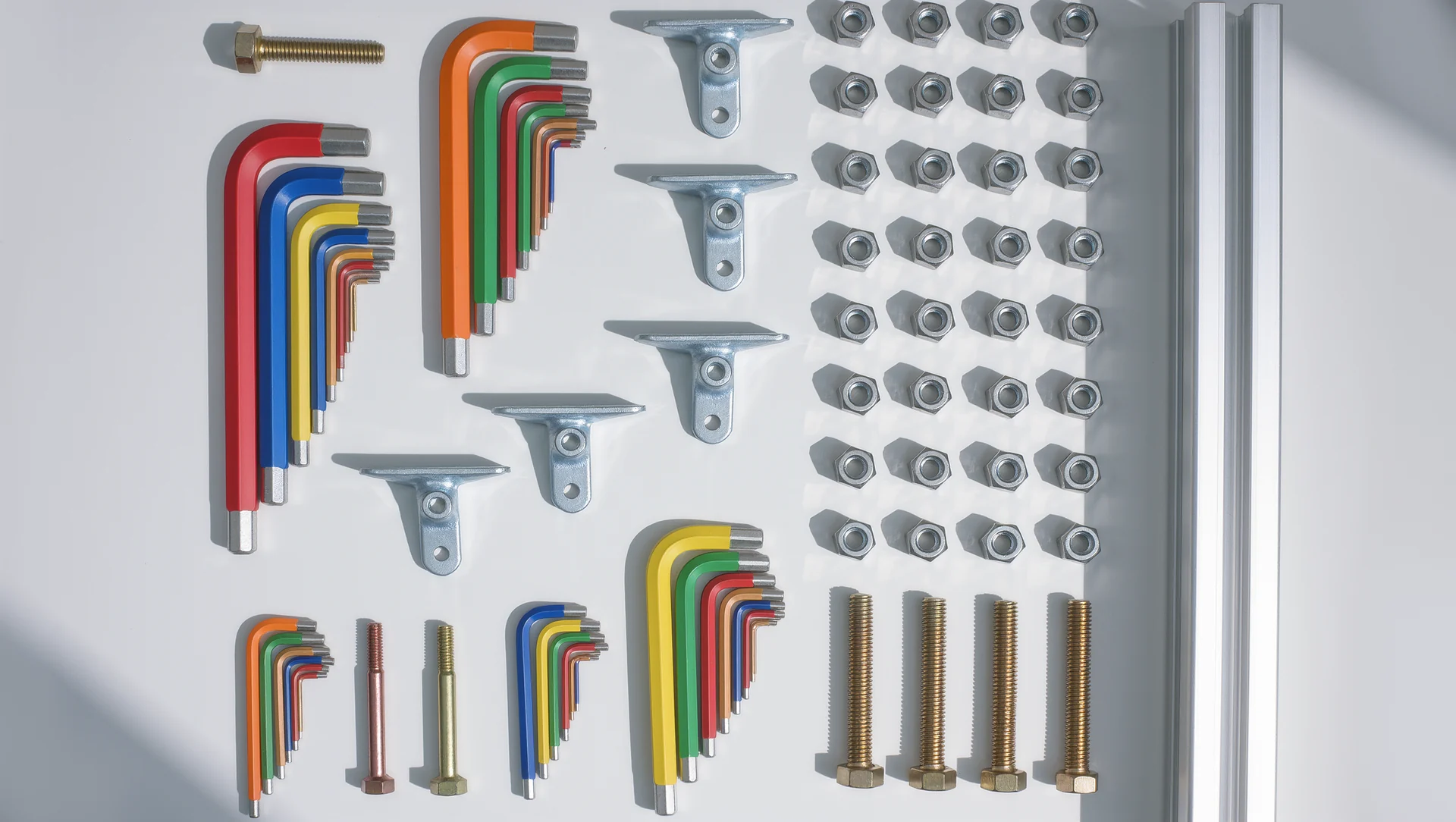
The tool list for an aluminium profile build
The tool list for an aluminium profile build, with the published torque limits and the two tools that decide whether the frame stays square.
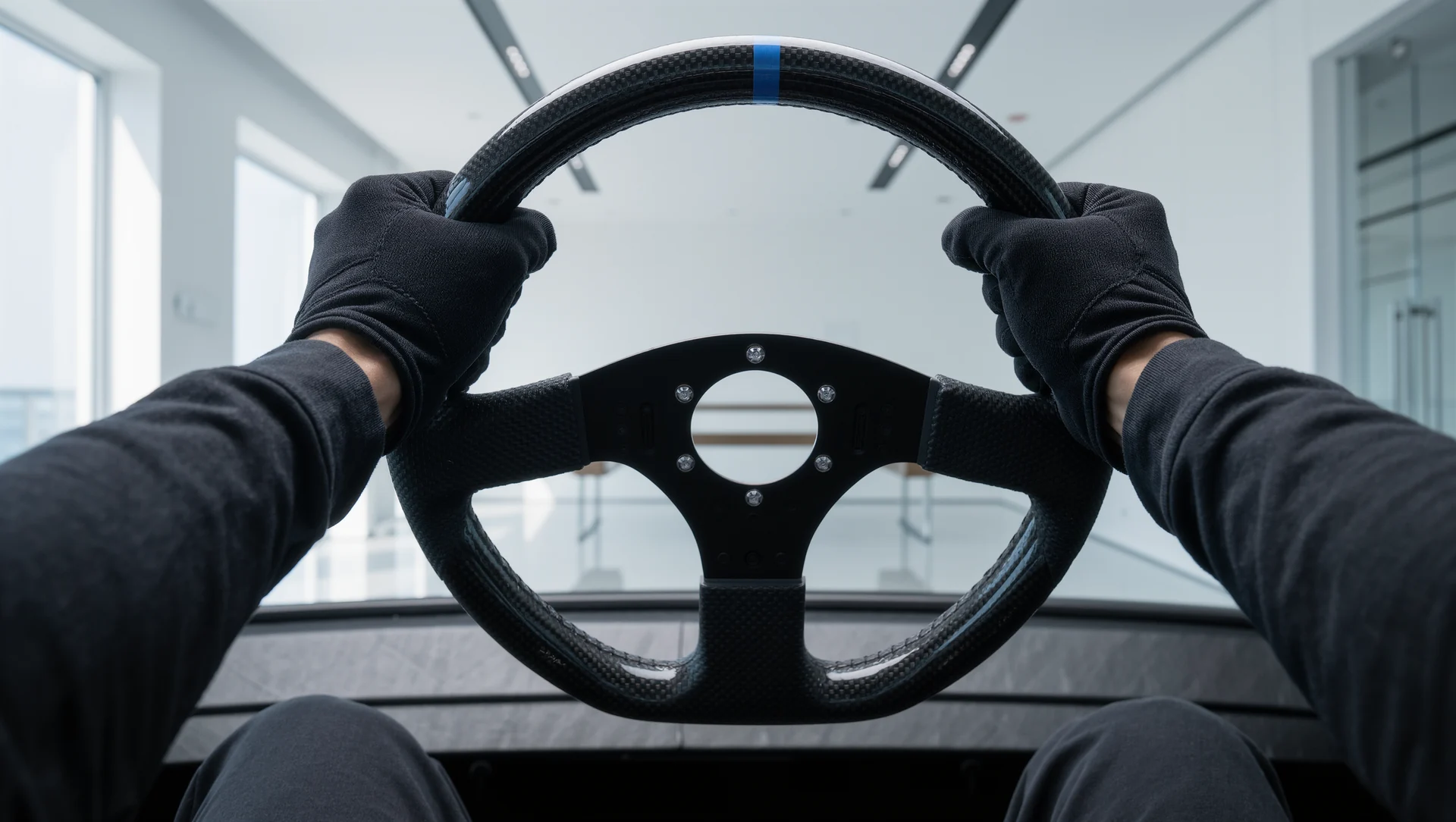
Wheel distance and the ninety degree elbow
Wheel distance decides whether your shoulders or your elbows do the steering. The angle to aim for, the published rim sizes and how to measure it in five minutes.