Revving Up: Virtual Motorsport Events Take Center Stage
Virtual motorsport events are absolutely taking center stage, offering a compelling blend of accessibility, competitive thrill, and, for many, a legitimate path into racing. Whethe…

Virtual motorsport events are absolutely taking center stage, offering a compelling blend of accessibility, competitive thrill, and, for many, a legitimate path into racing. Whether you’re a seasoned sim racer or just curious about the hype, the virtual tarmac is buzzing with activity and real opportunities.
It’s not just a passing fad; virtual motorsport is flourishing for several key reasons. It addresses many of the traditional barriers to entry in real-world racing while opening up new avenues for participation and spectacle.
Accessibility for All
Real-life motorsports demand significant financial investment, specialized equipment, and often, extensive travel. Virtual racing drastically lowers these hurdles.
Cost-Effective Entry
You don’t need hundreds of thousands of dollars for a race car, team, and track time. A decent PC or console, a wheel and pedal set, and a subscription to a racing sim can get you started for a fraction of the cost. This makes it possible for vastly more people to experience the thrill of competitive racing.
Global Reach, Local Action
Virtual events transcend geographical boundaries. You can race against competitors from across the globe from the comfort of your own home. This global network opens up a diverse talent pool and creates truly international competitions without the logistical nightmares of physical travel for every participant.
Technology’s Leap Forward
The fidelity of modern racing simulators is truly astonishing. It’s no longer just a game; it’s a sophisticated training tool and competitive platform.
Hyper-Realistic Simulations
Today’s top simulators like iRacing, Assetto Corsa Competizione, and rFactor 2 employ advanced physics engines, laser-scanned tracks, and incredibly detailed car models. This means the car dynamics, tire wear, track surface variations, and even weather effects are replicated with impressive accuracy, providing a challenging and authentic driving experience.
VR and Haptics
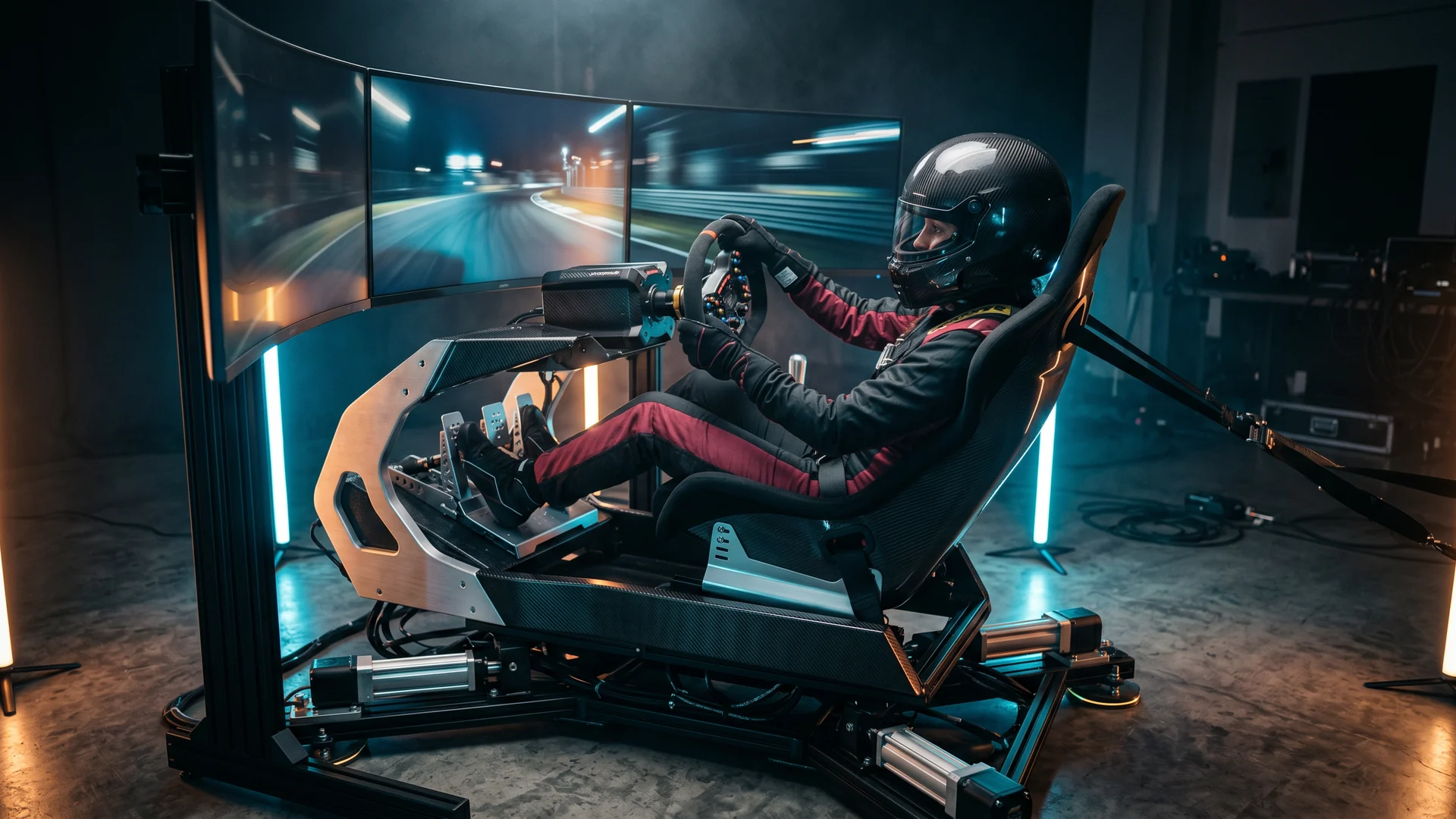
Virtual Reality (VR) immerses drivers like never before, giving a genuine sense of speed and spatial awareness. Coupled with high-end force feedback steering wheels and haptic feedback systems (like shakers and motion platforms), the physical sensation of driving is elevated, further blurring the lines between virtual and real.
The Competitive Landscape: From Amateurs to Pros
Virtual motorsport isn’t just about hot lapping; it’s a vibrant ecosystem of organized competition, attracting both aspiring and established talent.
Grassroots Racing Communities
The backbone of virtual motorsport lies in its strong community-driven events.
Online Leagues and Clubs
Countless leagues and clubs exist, catering to all skill levels. From casual weekly races with friends to highly organized amateur championships with robust stewarding and points systems, there’s a space for everyone. These communities often provide a supportive environment for learning and improvement.
Pathway to Pro
Many professional esports drivers got their start in these grassroots leagues. Performing well in online championships is a proven way to get noticed by professional teams and manufacturers.
Professional Esports Series
This is where the big money, major manufacturers, and established racing organizations come into play.
Manufacturer-Backed Competitions
Automotive giants like Porsche, BMW, Mercedes, and Formula 1 itself host official esports championships. These series often feature significant prize pools, factory support, and a high level of media coverage. They’re designed to find and nurture the best virtual racing talent.
Sim Racing Teams
Just like real-world racing, professional sim racing has its own dedicated teams. These teams scout talent, provide equipment, coaching, and strategic support, mirroring the structure of traditional motorsport operations. Winning for a top sim racing team can be a career in itself.
Crossover Athletes: Real Racers Go Virtual
A significant trend has emerged with real-world professional drivers actively participating in virtual motorsport.
Training and Skill Refinement
Many F1, IndyCar, and GT drivers utilize simulators as a vital training tool. They can learn new tracks, practice lines, and test setups in a cost-effective, low-consequence environment. The realistic physics of modern sims make this transfer of skill highly effective.
Maintaining Competitive Edge
During off-seasons or breaks, virtual racing allows professional drivers to keep their reflexes sharp and maintain a competitive mindset. It’s a way to stay race-fit even when not in a physical car.
Engaging with Fans
For fans, it’s a unique opportunity to race against, or at least watch, their real-life heroes in a more accessible setting. This crossover brings increased legitimacy and exposure to the virtual racing scene. The blurring of lines is becoming more and more common.
The Business of Virtual Racing: Big Names and Bigger Opportunities
Virtual motorsport isn’t just a hobby; it’s a growing industry attracting significant investment and creating new career paths.
Sponsorship and Endorsements
As viewership and participation grow, so does the interest from sponsors.
Brand Visibility
Traditional motorsport sponsors are increasingly seeing the value in virtual events. Brands looking to reach a tech-savvy, gaming-oriented, and motorsport-interested audience find virtual racing an ideal platform. This includes everything from car manufacturers to energy drink companies and tech brands.
Esports Player Endorsements
Top virtual racers are becoming personalities in their own right, attracting individual sponsorship and endorsement deals. They build personal brands through streaming, social media, and competitive success, making them valuable assets for companies.
Event Organization and Broadcasting
The production value of virtual motorsport events has skyrocketed, mirroring traditional sports broadcasting.
Professional Production Houses
Specialized companies are now dedicated to organizing and broadcasting virtual racing events. This involves sophisticated camera work (virtual cameras, of course), replays, live commentary, graphics packages, and data overlays, all designed to make the viewing experience as engaging as possible.
Streaming Platforms
Twitch, YouTube, and other streaming platforms are key distribution channels for virtual motorsport. Live viewership numbers for major events can rival, and sometimes even surpass, those of traditional racing series on traditional TV channels, especially for niche events. This has opened up new advertising revenue streams.
Impact on Real-World Motorsport
Virtual motorsport isn’t just an isolated entity; it’s increasingly integrated with, and influencing, the real-world racing landscape.
Talent Identification and Development
The simulator is becoming a legitimate scouting ground.
Driver Academies
Some professional racing teams and manufacturers are establishing virtual driver academies. These programs identify promising sim racers and provide them with coaching, training, and sometimes even opportunities to test real race cars. This offers a new, more accessible, and data-driven pathway for talent to emerge.
A Stepping Stone
There are numerous examples of sim racers making the leap to real-world racing careers. Their extensive experience with car control, race craft, and strategic thinking in a virtual environment gives them a significant advantage when they get behind the wheel of a physical car. It’s a tangible stepping stone, no longer just a fantasy.
Fan Engagement and Outreach
Virtual racing provides a powerful tool for connecting with and growing the fanbase.
Interactive Experiences
Fans can participate in virtual versions of their favorite series, directly engaging with the sport in a way that’s impossible with traditional racing. This fosters a deeper connection and understanding of the intricacies of race craft and strategy.
Building New Audiences
Virtual motorsport attracts a younger, digitally native audience who might not traditionally follow real-world racing. By making the sport more accessible and interactive, it serves as a gateway to cultivate new fans for both real and virtual motorsports. The crossover appeal is undeniable and beneficial to the entire motorsport ecosystem.
Vehicle Development and Data Analysis
Simulators have moved beyond just training.
Testing and Prototyping
Automotive manufacturers and racing teams use highly advanced simulators not just for driver training, but for real-time vehicle development. Engineers can test aerodynamic changes, suspension setups, and different components in a virtual environment before costly physical prototypes are built. This significantly speeds up development cycles and reduces expenses.
Race Strategy and Engineering
Teams leverage simulators to run complex simulations of race strategies, fuel consumption, tire degradation, and pit stop timings. This data provides invaluable insights that inform real-world race decisions, giving teams a competitive edge. The accuracy of the simulations allows for increasingly fine-tuned analyses.
Getting Started in Virtual Motorsport
So, if you’re revved up by the idea of virtual motorsport, how do you get involved? It’s more accessible than you might think.
Essential Hardware
You don’t need to break the bank to begin, but smart choices make a difference.
The Core Setup
You’ll need either a capable gaming PC or a current-generation console (PlayStation or Xbox). For controllers, a force feedback steering wheel and pedal set are really essential. A basic entry-level setup can be had for a few hundred dollars, offering a significantly more immersive and precise experience than a gamepad.
Upgrade Path
As you get more serious, you might consider higher-end direct drive wheels (for more realistic force feedback), load cell pedals (for better braking feel), a sim racing cockpit (for a stable and ergonomic driving position), and potentially VR headsets for ultimate immersion. But start simple and upgrade as your passion grows.
Choosing Your Sim
The simulator software itself is your gateway to the virtual tracks.
Key Simulators
- iRacing: Known for its hyper-realistic physics, laser-scanned tracks, and competitive online multiplayer. It’s subscription-based and often considered the most “serious” sim for competition.
- Assetto Corsa Competizione (ACC): The official game of the GT World Challenge, offering incredibly detailed GT3 and GT4 car physics and fantastic weather effects.
- rFactor 2: Highly moddable, excellent tire model, and a preferred choice for many professional esports teams and bespoke championships.
- Forza Motorsport / Gran Turismo: Console exclusives offering fantastic graphics, a huge car list, and accessible physics, great for casual racing and building skills before moving to more dedicated sims.
Start with What You Enjoy
Each sim has its strengths. Try out a few if you can, or watch online reviews to see which style of racing and community appeals to you most. Don’t feel pressured to jump straight into the deepest, most complex sim right away. Fun is the primary goal at the start.
Building Your Skills
Like any motorsport, practice and learning are vital.
Practice, Practice, Practice
There are no shortcuts to pace. Spend time learning tracks, understanding car behavior, and experimenting with setup changes. Many simulators offer practice sessions and hot lap modes for this exact purpose.
Learn from Others
Watch replays of faster drivers, utilize onboard telemetry tools sometimes available in sims to compare your lines and inputs, and engage with the community. There are tons of tutorials on YouTube covering everything from basic driving techniques to advanced car setup.
Join a Community
Finding a good online league or club will not only provide structured racing but also a community of like-minded individuals who can offer advice, coaching, and friendly competition. Sharing data and tips with league members is a common way to improve swiftly.
Virtual motorsport is here to stay, offering a thrilling, accessible, and increasingly professional avenue for anyone with a passion for speed. It’s a testament to how technology can democratize a sport, bringing the roar of engines and the thrill of competition to a global audience like never before.
FAQs
What are virtual motorsport events?
Virtual motorsport events are competitive racing events that take place in a virtual environment, using racing simulation software and online platforms. Participants use gaming consoles or computers to compete against each other in virtual versions of real-world racing circuits.How do virtual motorsport events work?
Virtual motorsport events typically involve participants racing against each other in real-time, with the races often being broadcasted live on streaming platforms. Participants use specialized racing simulation software and hardware to control their virtual cars and compete in races that mimic real-world racing conditions.What are the benefits of virtual motorsport events?
Virtual motorsport events provide a platform for racing enthusiasts to compete against each other without the need for physical tracks or real cars. They also offer a more accessible and cost-effective way for aspiring racers to hone their skills and gain exposure in the motorsport industry.Are virtual motorsport events popular?
Yes, virtual motorsport events have gained popularity in recent years, especially with the rise of esports and online gaming. Many professional racing drivers and teams have also participated in virtual motorsport events, further increasing their appeal and visibility.What are some popular virtual motorsport events?
Some popular virtual motorsport events include the Formula 1 Esports Series, the Gran Turismo Sport World Tour, and the iRacing World Championship Series. These events attract a large audience and feature top-tier virtual racing competition.More from Esports & Competitions

Sim Racing Communities and Leagues
Explore sim racing communities and leagues for 2026: r/SimRacing, RaceDepartment, LowFuelMotorsport, endurance teams, league finders, and Nurburgring …

The Rise of Sim Racing Esports
Sim racing esports has absolutely blown up. What started as a niche hobby for gearheads and gamers has rapidly evolved into a legitimate competitive s…
Sim Racing Championship: The Ultimate Virtual Racing Showdown
So, you’re curious about “Sim Racing Championship: The Ultimate Virtual Racing Showdown”? Basically, it’s a big deal in the world of…