The Rise of Competitive Sim Racing
So, what’s all the fuss about competitive sim racing? It’s essentially esports, but with virtual race cars and actual, high-stakes competition. Think of it as the ultim…

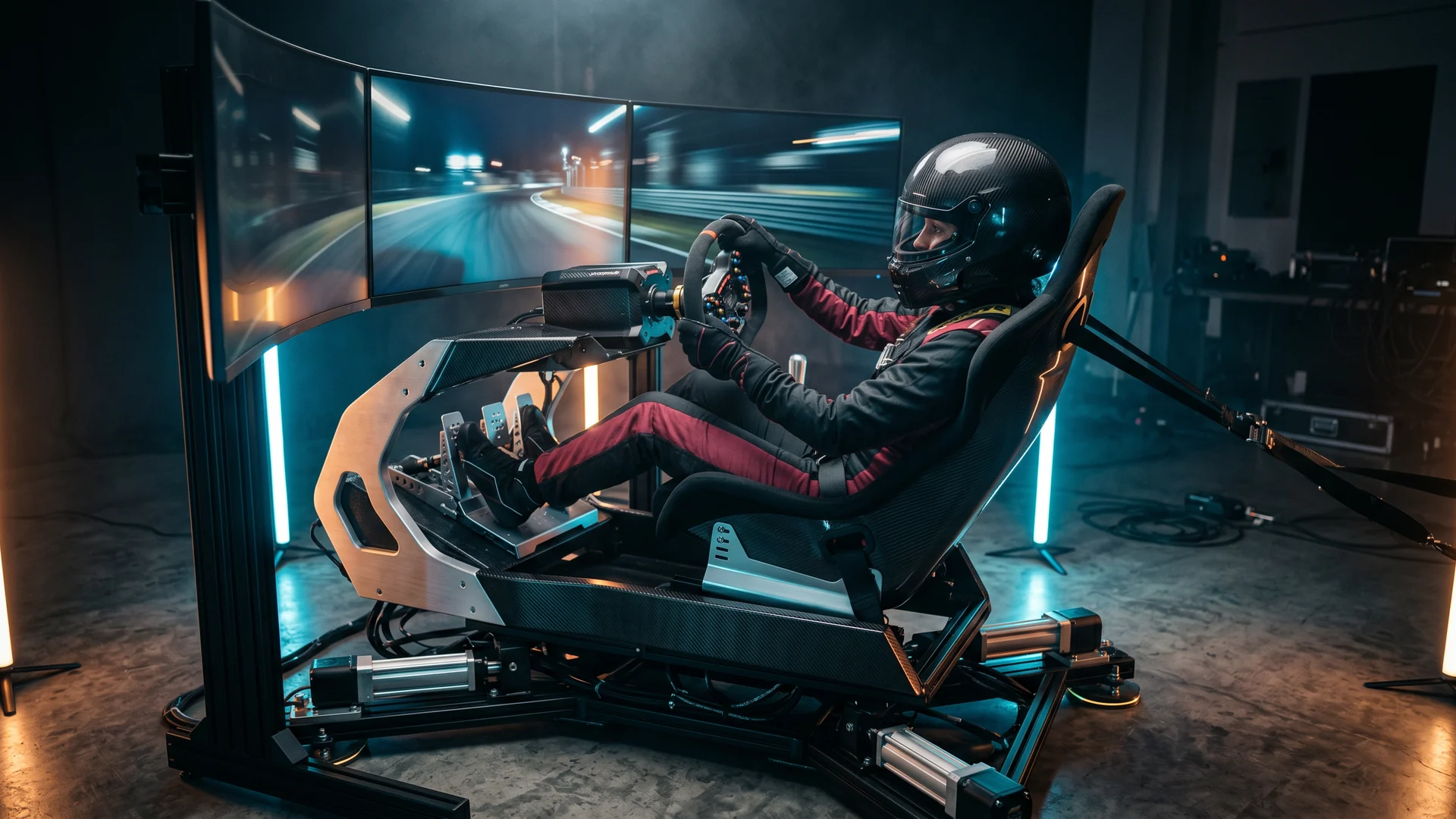
So, what’s all the fuss about competitive sim racing? It’s essentially esports, but with virtual race cars and actual, high-stakes competition. Think of it as the ultimate test of racing skill, strategy, and mental fortitude, all played out from the comfort of a simulator rig. It’s gone from a niche hobby to a legitimate professional sport, drawing serious investment, media attention, and a growing fanbase. This isn’t just a bunch of folks playing video games; it’s a rapidly evolving landscape where virtual tracks translate into real-world opportunities and intense rivalries.
Competitive sim racing hasn’t just popped up overnight. It’s been a slow burn, fueled by a perfect convergence of factors that have brought it to the forefront. Understanding these elements helps paint a clearer picture of its current trajectory.
Technological Advancements Paving the Way
Let’s be honest, you couldn’t have professional sim racing on a PlayStation 1. The leap in technology has been monumental, making the virtual experience incredibly immersive and challenging.
Realistic Physics and Graphics
The foundational element is the sheer fidelity of modern simulators. Games like iRacing, Assetto Corsa Competizione, and rFactor 2 aren’t just arcade racers. They employ incredibly sophisticated physics engines that accurately model tire grip, suspension dynamics, aerodynamic forces, and even track surface imperfections. This means that to be fast, you need to drive these virtual cars much like you would a real one. Coupled with increasingly photorealistic graphics, the visual feedback further enhances the immersion, making it easier for drivers to interpret what the car is doing.
Accessible Yet Powerful Hardware
While professional setups can be eye-waterwateringly expensive, the barrier to entry for a decent sim racing experience has significantly lowered. You can get a good wheel and pedal set for a reasonable price, and even mid-range PCs can now run most simulators smoothly. This accessibility allows more people to get involved, creating a larger talent pool and ultimately, more competition. High-end direct-drive wheels and load cell pedals, once exotic, are now more common, offering unparalleled feedback and control that blurs the line between virtual and real.
The Power of the Internet
It sounds obvious, but reliable, low-latency internet is non-negotiable for competitive online racing. The ability to race against people from around the world without significant lag is crucial for fair competition. Online platforms also facilitate global leagues, championships, and live-streamed events, reaching a much wider audience than local LAN parties ever could.
The Pandemic’s Unexpected Boost
While certainly not a desirable event, the COVID-19 pandemic inadvertently shone a massive spotlight on sim racing.
Real-World Racing on Hold
When real motorsports ground to a halt, fans and teams were left with a void. Sim racing stepped in as a legitimate substitute. Star drivers like Max Verstappen, Lando Norris, and Charles Leclerc, already keen sim racers, began competing in virtual events, often live-streamed. This brought a huge amount of mainstream attention to the scene.
Professional Drivers Embracing the Virtual Grid
Seeing their heroes compete in virtual races made it clear that sim racing wasn’t just a game for kids. It was a serious discipline that even top professionals respected and utilized for practice and competition. This endorsement legitimized the sport in the eyes of many who might have previously dismissed it. The skill required to be fast in sim racing was clearly transferable, and for many drivers, it even became a genuine part of their training regimen.
The Professionalization of Virtual Speed
Competitive sim racing isn’t just about weekend warrior bragging rights anymore. It’s evolved into a structured professional sport with career paths and significant financial incentives.
Team and Sponsor Involvement
Just like real motorsports, sim racing now has dedicated professional teams. These aren’t just groups of friends; they are often well-organized entities with management, coaches, and even dedicated engineers who analyze data and provide feedback.
Major Brands Stepping In
As the audience grows, so does the interest from big-name sponsors. Automotive manufacturers, energy drink companies, and even tech giants are now investing in sim racing teams and events, recognizing the marketing potential and the passionate demographic it reaches. This influx of capital helps raise prize pools, fund team operations, and generally elevate the professionalism of the sport. We’re seeing everything from dedicated sim racing studios built by teams to full-time salaries for top drivers.
Esports Organizations Taking Notice
Established esports organizations, with their experience in managing professional gaming teams and events, have also entered the sim racing arena. They bring expertise in broadcasting, marketing, and player management, further solidifying sim racing’s place within the wider esports ecosystem.
Major Leagues and Championship Structures
Gone are the days of informal online races. Today, competitive sim racing boasts highly organized leagues and championships.
Official Series and Prize Pools
Most major simulators have official or highly respected third-party championships with substantial prize pools. These often mimic real-world racing formats, with qualifying, multiple races, and championship points. Winning these can be incredibly lucrative, with top drivers earning tens of thousands, sometimes even hundreds of thousands, of dollars annually through prize money and sponsorships.
Pathways to Real Racing
In an exciting development, some sim racing series now offer direct pathways into real-world motorsport. The GT Academy program, for example, famously took Gran Turismo players and put them into real racing cars. While not as prevalent today, opportunities still exist, with some teams actively scouting sim racers for development programs or offering drives in lower-tier real-world series. This blurs the line between virtual and reality in a truly compelling way.
What It Takes to Be a Top Sim Racer
Don’t let the “video game” label fool you; competing at the top level of sim racing demands a unique blend of skills that goes far beyond simply being good with a controller.
Beyond Raw Speed: The Skillset
While blistering lap times are crucial, they’re only part of the equation. A truly elite sim racer possesses a broader range of abilities.
Consistency Under Pressure
Anyone can string together a fast lap on their own. The real challenge comes in maintaining that speed and staying out of trouble for an entire race distance, with 30-odd other drivers vying for the same piece of virtual tarmac. The mental discipline to avoid mistakes, especially when the stakes are high, is paramount. One small error can ruin a whole race or championship.
Race Craft and Strategy
This is where the racing intellect truly shines. Understanding how to manage tires, fuel, and track position is critical. Knowing when to attack, when to defend, and when to conserve resources can be the difference between victory and defeat. Pit stop strategy, understanding undercut/overcut potential, and responding to changing track conditions (like virtual rain) are all complex layers of race management.
Technical Understanding and Setup Development
Just like in real racing, car setup is vital. Top sim racers spend countless hours tweaking suspension, aerodynamics, gear ratios, and tire pressures to extract every ounce of performance. This requires a deep understanding of vehicle dynamics and the ability to articulate what the car is doing and what changes are needed to go faster. It’s essentially being your own engineer.
The Role of Data and Analytics
Data is king in modern motorsport, and sim racing is no exception.
Telemetry Analysis
Every lap generates a wealth of telemetry data: throttle input, brake pressure, steering angle, speed, G-forces, tire temperatures, and much more. Top drivers and their teams pore over this data to identify areas for improvement, comparing their lines and inputs against others or previous best laps. Software tools make this process incredibly scientific and precise.
Replay and Lap Review
Watching replays from different camera angles, especially comparing your lap against an opponent’s or a benchmark, provides invaluable insights. You can see precisely where time is being lost or gained, identify aggressive braking points, or spot subtle differences in cornering technique that make all the difference.
The Community and Culture of Sim Racing
Beyond the professional spotlight, sim racing thrives on a passionate and diverse community that’s always growing.
Accessibility and Inclusivity
One of the great strengths of sim racing is its inherent inclusivity. Unlike real motorsports, physical limitations are largely irrelevant. Anyone, regardless of age, gender, or physical ability, can compete on a level playing field.
A Global Paddock
The online nature of sim racing means that competitors from all corners of the globe can race against each other simultaneously. This creates a vibrant, international community where different perspectives and driving styles converge. It also fosters friendly rivalries and strong friendships built across continents.
Learning and Sharing
The sim racing community is generally very supportive. There are countless forums, Discord servers, and YouTube channels dedicated to helping new drivers improve. From setup guides to track tutorials and driving technique breakdowns, knowledge sharing is a big part of the culture.
The Spectator Experience
While participating is great, watching competitive sim racing has also become a significant draw.
High-Quality Broadcasts
Professional sim racing events are now broadcast with production values that rival traditional sports. Multi-camera angles, live telemetry overlays, expert commentators, and replays make for a compelling viewing experience. You get insights into strategy and driver performance that enhance the drama.
Engaging Storylines
Just like in real racing, rivalries emerge, underdogs rise, and champions are crowned. These human elements create engaging storylines that draw viewers in and keep them invested in the outcomes of races and championships. The personality of the drivers, often amplified through their social media presence, adds another layer to the narrative.
The Future Trajectory: What’s Next?
The growth of competitive sim racing shows no signs of slowing down. As technology progresses and the awareness grows, we can expect even more exciting developments.
Further Integration with Real Motorsport
The lines between virtual and real are likely to continue blurring. We’ll probably see more drivers, both young and established, using simulators as an integral part of their training. There might be more direct pipelines from top sim racing series into real-world racing drives, further solidifying its status as a legitimate proving ground.
Technological Evolution
Virtual reality (VR) and augmented reality (AR) are still evolving, and their integration into sim racing could take immersion to entirely new levels. Haptic feedback systems, dynamic motion rigs, and even more sophisticated physics models will continue to push the boundaries of realism, making the experience even more captivating for both drivers and spectators.
Broader Audience and Mainstream Acceptance
As more media outlets cover sim racing and big brands continue to invest, its appeal will inevitably broaden. It’s still relatively nascent compared to other esports titles, but the potential for growth is immense. We could see sim racing championship finals rivaling some real-world motorsport events in terms of viewership and cultural impact.
Competitive sim racing isn’t just a trend; it’s a testament to how technology and passion can create entirely new forms of sport. It’s a place where skill, strategy, and dedication are rewarded, and where anyone, regardless of their background, can compete for glory. It offers a unique thrill, whether you’re behind the wheel or watching from the sidelines, and it’s here to stay.
FAQs
What is competitive Sim Racing?
Competitive Sim Racing is a form of e-sports where participants race against each other in virtual racing simulations. It involves using racing simulators and competing in organized events and tournaments.What equipment is needed for competitive Sim Racing?
To participate in competitive Sim Racing, you will need a racing simulator setup which typically includes a racing wheel, pedals, and a gaming chair. Additionally, a high-performance gaming PC or gaming console, along with a compatible racing simulation software, is required.How do participants compete in competitive Sim Racing?
Participants in competitive Sim Racing compete in organized events and tournaments, which can be hosted by gaming organizations, e-sports leagues, or racing simulation software developers. These events can take place online or in physical locations, and participants race against each other in various virtual racing tracks.What are the benefits of competitive Sim Racing?
Competitive Sim Racing offers several benefits, including the opportunity to improve racing skills, compete against other skilled racers, and potentially win prizes and recognition. It also provides a realistic racing experience without the risks and costs associated with real-life racing.Is competitive Sim Racing recognized as a legitimate e-sport?
Yes, competitive Sim Racing is recognized as a legitimate e-sport and has a growing community of participants and fans. It is often featured in e-sports events and competitions, and some professional racing teams and organizations have also started to invest in Sim Racing as a way to scout and develop talent.More from Esports & Competitions

Sim Racing Communities and Leagues
Explore sim racing communities and leagues for 2026: r/SimRacing, RaceDepartment, LowFuelMotorsport, endurance teams, league finders, and Nurburgring …

The Rise of Sim Racing Esports
Sim racing esports has absolutely blown up. What started as a niche hobby for gearheads and gamers has rapidly evolved into a legitimate competitive s…
Sim Racing Championship: The Ultimate Virtual Racing Showdown
So, you’re curious about “Sim Racing Championship: The Ultimate Virtual Racing Showdown”? Basically, it’s a big deal in the world of…