Sim Racing Leaderboard: Who Will Top the Charts?
Ever wondered who’s actually the fastest on those sim racing leaderboards? It’s a question that crosses the mind of anyone who’s spent more than a few hours chasing lap…
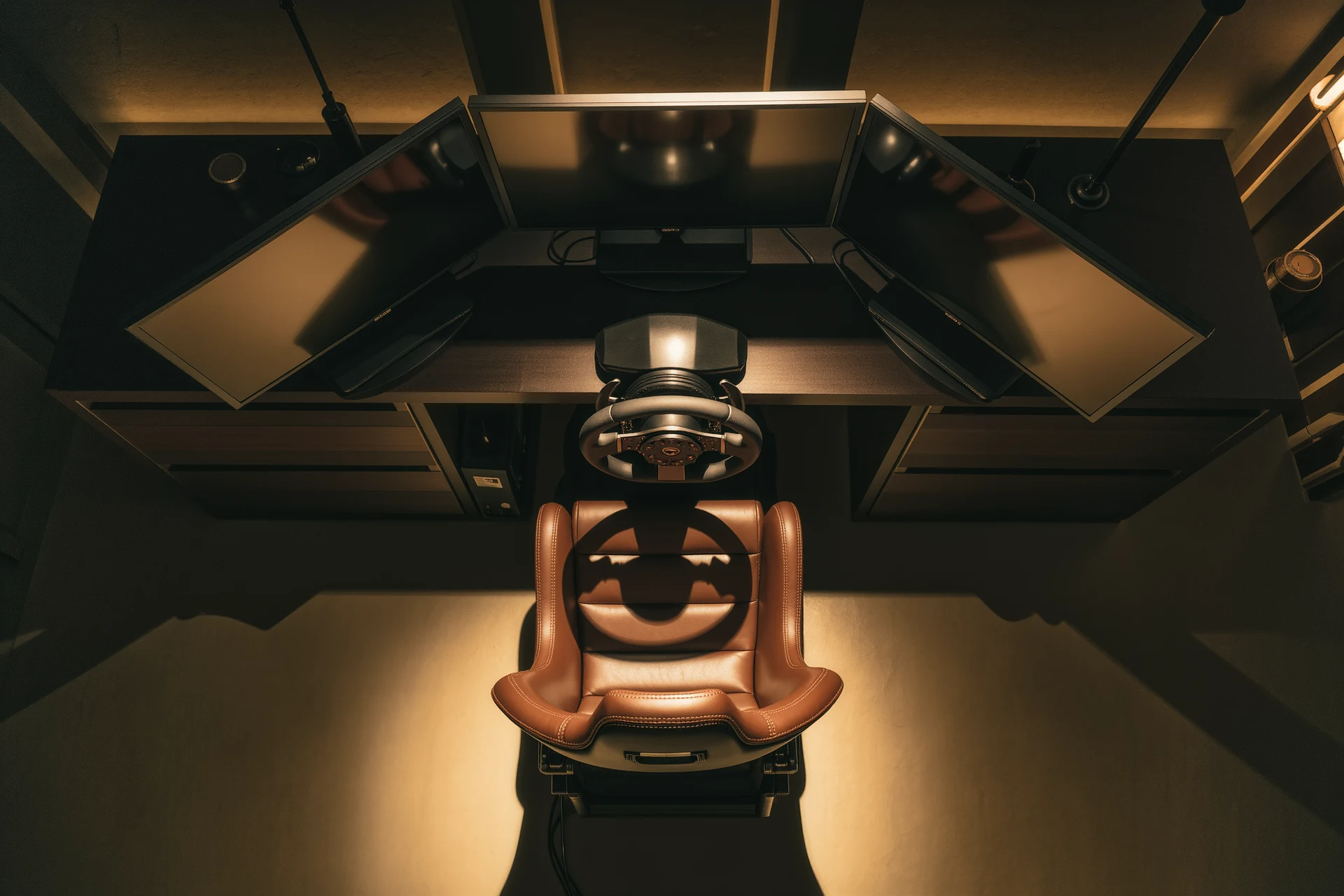
Ever wondered who’s actually the fastest on those sim racing leaderboards? It’s a question that crosses the mind of anyone who’s spent more than a few hours chasing lap times. The short answer? It’s a constantly shifting landscape, but there are definitely patterns and names that tend to emerge. It’s less about predicting a single winner and more about understanding the factors that make someone a consistent contender for the top spot.
The allure of the sim racing leaderboard is undeniable. That little asterisk next to your name, or the satisfying bump up the ranks after a particularly brilliant lap, can be incredibly motivating. But what separates the truly elite from the rest of us? It’s not just raw talent, though that’s certainly a big part of it. It’s a potent blend of dedication, consistent practice, and a sharp mind for strategy and data.
Innate Talent vs. Grueling Practice
For some, there’s an almost uncanny natural ability. They can hop into a new car or track combination and just get it. It’s like they have a built-in feel for the limits. But even these prodigies can’t rely on talent alone. The best sim racers are also notoriously hard workers. Hours upon hours are spent dissecting telemetry, refining braking points, and understanding tire degradation. It’s this relentless pursuit of perfection that truly elevates them. They’re not just driving fast; they’re driving smart.
The Importance of a Solid Setup
Anyone who’s dabbled in sim racing knows about setups. A good car setup can shave seconds off your lap time, and a bad one can make even the most skilled driver feel like they’re fighting a greased pig. The absolute top drivers don’t just use setups; they understand them. They can tweak and tune with a level of precision that borders on magical.
Understanding the Fundamentals
Before you can even think about optimizing for a specific track, you need a foundational understanding of how different adjustments affect the car. Things like spring rates, damper settings, and tire pressures aren’t just numbers on a screen; they have a direct impact on how the car behaves under acceleration, braking, and cornering.
The Role of Telemetry Data
This is where the real science comes in. Telemetry logs are like a car’s autobiography, detailing every aspect of its performance. The top sim racers pore over this data, comparing their laps to those of faster drivers. They look for differences in steering input, throttle application, brake pressure, and suspension travel. Finding those subtle discrepancies is key to identifying areas for improvement.
Mental Fortitude: The Unsung Hero
Sim racing isn’t just a physical endeavor; it’s a mental marathon. The ability to stay focused lap after lap, even when fatigued or under pressure, is paramount. A single mistake can cost you the lead and potentially the race. The best of the best have developed incredible mental resilience.
Dealing with Pressure
Imagine being in a tight battle for the lead, the seconds ticking away, and the pressure is immense. The top drivers thrive in these situations. They’ve learned to compartmentalize, to focus on the task at hand, and to execute consistently. It’s a learned skill, not something everyone possesses naturally.
Overcoming Setbacks
Not every lap is a fast lap. Not every race is a win. Sim racers face crashes, technical glitches, and simply being outpaced. The true champions don’t dwell on these failures. They learn from them, dust themselves off, and go again. Their ability to bounce back quickly is a massive advantage.
The Ever-Evolving Meta: What Tracks and Cars Dominate?
The sim racing world isn’t static. New cars and tracks are constantly being released, and the “meta”, the most optimal way to drive a particular car on a specific track, shifts over time. This means that staying at the top requires constant adaptation and learning.
The “Go-To” Tracks for Proving Speed
Certain tracks, due to their technical nature and demanding corners, tend to be the proving grounds for real talent. Places like the Nürburgring Nordschleife, Spa-Francorchamps, and Monza often feature on leaderboards because they require a deep understanding of car control and precision.
Nürburgring Nordschleife: The Ultimate Test
This legendary circuit is a true test of endurance and skill. With over 170 corners and varying elevation changes, it demands absolute concentration and a perfect setup. A good time here speaks volumes about a driver’s capabilities.
Spa-Francorchamps: The “Ardennes Rollercoaster”
Known for its exhilarating downhills, blind crests, and challenging chicanes, Spa requires a delicate balance of bravery and accuracy. Mastering Eau Rouge and Raidillon is an achievement in itself.
Monza: The Temple of Speed
While seemingly straightforward with its long straights, Monza’s crucial chicanes and the art of slipstreaming require a different kind of skill. Every tenth gained on the straights can be lost in the braking zones, making precision vital.
The Dominant Series and Their Stars
Different sim racing titles and their associated series attract different types of drivers and often have their own established hierarchies.
iRacing: The Pinnacle of Competition
iRacing is often considered the gold standard for competitive online racing. Its meticulous laser-scanned tracks and sophisticated physics engine mean that the competition is fierce. Names likekimi mäki, max hofer, and jake stewart are frequently seen at the top of various disciplines within iRacing.
Endurance Racing Aces
In longer endurance events, drivers who can maintain consistent pace and manage tire wear are king. Players who consistently show up in GT3 or LMP series on iRacing are often lauded for their stamina and strategic prowess.
Sprint Race Specialists
For shorter, more intense sprint races, drivers who excel at qualifying and making aggressive overtakes often dominate. Here, raw speed and the ability to push the car to its absolute limit for a short duration are key.
Assetto Corsa Competizione (ACC): The GT3 King
ACC’s laser focus on GT3 racing has cultivated a strong community and a set of familiar faces at the top of the leaderboards. Drivers who master the nuances of these powerful machines and the intricacies of tracks like Barcelona or Hungaroring are the ones to watch.
The Art of GT3 Racing
GT3 cars are notoriously challenging to drive quickly. Their power, weight, and aerodynamic complexity mean that finding the sweet spot requires a deep understanding of their behavior. Drivers who can consistently extract the maximum out of these cars are highly respected.
Other Simulators and Their Rising Stars
Beyond iRacing and ACC, sim racing is a diverse ecosystem. Titles like rFactor 2, Automobilista 2, and even more arcade-style games like Forza Motorsport, have their own dedicated fan bases and leaderboard contenders. New talent is always emerging from these platforms.
The Technical Edge: Hardware and Software That Matters
While skill is paramount, the right tools can certainly give a sim racer a helping hand. From powerful PCs to precise steering wheels, the equipment can make a difference, especially at the highest levels.
The Rig That Fuels the Dream
A high-end sim racing rig is an investment, but for those serious about competing, it’s often a necessary one.
Steering Wheels: Beyond the Gimmicks
Not all wheels are created equal. Direct drive wheels offer incredibly realistic feedback, allowing drivers to feel subtle changes in tire grip and track surface. This level of immersion can translate into faster and more consistent lap times.
Pedals: The Foundation of Control
The pedals are arguably the most important input device for a sim racer. High-fidelity load-cell pedals, which measure the force applied rather than just travel, provide far greater precision and control over braking and throttle application, crucial for trail braking and smooth throttle application.
The Importance of VR
Virtual Reality has revolutionized the sim racing experience for many. The sense of immersion and the ability to accurately judge braking points and track width can be a significant advantage, especially on tracks with limited visibility.
How Software Can Give You an Edge
Beyond the game itself, various software tools can assist sim racers in their pursuit of speed.
Telemetry Analysis Tools
As mentioned before, telemetry is key. Software like Motec i2 Pro or dedicated tools within specific sims allows for in-depth analysis of car performance, helping drivers identify areas for improvement that might not be obvious through just driving.
Setup Tools and Simulators
There are also external tools and simulators that can help drivers understand setup changes without having to experiment endlessly in-game. These can provide insights into how different suspension geometries or aerodynamic configurations will affect the car.
The Unseen Grind: Consistency and Persistence
It’s easy to see the fast lap times and the top rankings and think it’s all about hitting that perfect lap every now and then. But the reality of topping leaderboards is a grinding, consistent effort.
The Daily Grind: It’s Not Always Glamorous
The best sim racers don’t just hop on for an hour before dinner. Many dedicate significant portions of their day to practicing, analyzing, and refining. This means sacrificing other activities and maintaining a disciplined routine.
Practice Makes Permanent
This isn’t about rushing through laps. It’s about repetition with intention. Drivers will often do hundreds of laps focusing on specific sections of a track, or practicing a particular technique until it’s second nature.
The Mental Discipline of Repetition
Doing the same thing over and over can be mind-numbing for most. The elite sim racers have the mental fortitude to stay engaged and focused, finding small improvements even on the 100th lap of a particular corner.
Learning from Everyone, Everywhere
The top sim racers are not afraid to learn from others. They observe faster drivers, analyze their replays, and even ask for advice.
Watching the Masters
There’s an abundance of sim racing content online: Twitch streams, YouTube videos, and recorded races. The best drivers aren’t just watching for entertainment; they’re studying. They’re dissecting lines, braking points, and throttle inputs.
Community and Collaboration
In many sim racing communities, there’s a culture of sharing knowledge. While there’s competition, there’s also a willingness to help others improve, creating a rising tide that lifts all boats, but ultimately, those who can synthesize and apply that knowledge the best will rise to the top.
The Future of the Leaderboards: What’s Next?
The sim racing landscape is constantly evolving, and so too will the nature of leaderboard dominance. We’re seeing exciting advancements in technology and a growing number of talented individuals entering the scene.
The Rise of AI and Machine Learning
As AI technology progresses, it’s not unimaginable that AI-driven drivers could start appearing on leaderboards, pushing human capabilities to new limits. This could lead to new benchmarks for performance and force humans to rethink their approach.
Esports and Professionalization
Sim racing is increasingly being recognized as a legitimate esport. This professionalization means more structured training, better coaching, and greater incentives for drivers to reach the pinnacle of performance. This will likely lead to an even more competitive and refined breed of sim racer.
Accessibility and Emerging Talent
As sim racing hardware and software become more accessible, the talent pool is widening. We’re seeing skilled drivers emerge from regions and backgrounds that might have previously been overlooked. This democratization of the sport means that the faces at the top of leaderboards could become even more diverse and unexpected in the future.
Ultimately, the question of “who will top the charts” on any given sim racing leaderboard is a dynamic one. It’s a testament to the dedication, skill, and relentless pursuit of improvement that defines the best sim racers. It’s a constant battle against the clock, against rivals, and sometimes, against oneself. And that, in many ways, is what makes it so compelling.
FAQs
What is a sim racing leaderboard?
A sim racing leaderboard is a platform or system that tracks and displays the performance of sim racers in various racing simulations. It allows racers to compare their lap times, race results, and overall performance with others in the sim racing community.How does a sim racing leaderboard work?
A sim racing leaderboard works by collecting and organizing data from sim racing events and competitions. This data is then used to create rankings, leaderboards, and statistics that can be accessed and viewed by the sim racing community.What are the benefits of using a sim racing leaderboard?
Using a sim racing leaderboard provides several benefits, including the ability to track personal progress, compare performance with other racers, and identify areas for improvement. It also adds a competitive element to sim racing and can help foster a sense of community among racers.Are there different types of sim racing leaderboards?
Yes, there are different types of sim racing leaderboards, including those specific to certain racing simulations, leagues, or events. Some leaderboards may focus on specific tracks or car classes, while others may encompass a wider range of racing disciplines.How can I participate in a sim racing leaderboard?
To participate in a sim racing leaderboard, you can typically register and submit your race results or lap times through the designated platform or website. Many sim racing leaderboards are open to all skill levels and offer opportunities for racers to compete and track their progress.More from Esports & Competitions
Sim Racing Communities and Leagues
Explore sim racing communities and leagues for 2026: r/SimRacing, RaceDepartment, LowFuelMotorsport, endurance teams, league finders, and Nurburgring …

The Rise of Sim Racing Esports
Sim racing esports has absolutely blown up. What started as a niche hobby for gearheads and gamers has rapidly evolved into a legitimate competitive s…
Sim Racing Championship: The Ultimate Virtual Racing Showdown
So, you’re curious about “Sim Racing Championship: The Ultimate Virtual Racing Showdown”? Basically, it’s a big deal in the world of…