Unleash the Thrill: Porsche GT Driving Experience
So, you’re wondering about the Porsche GT Driving Experience and if it’s worth your time, and your money. The short answer? It’s a unique opportunity to push some seri…
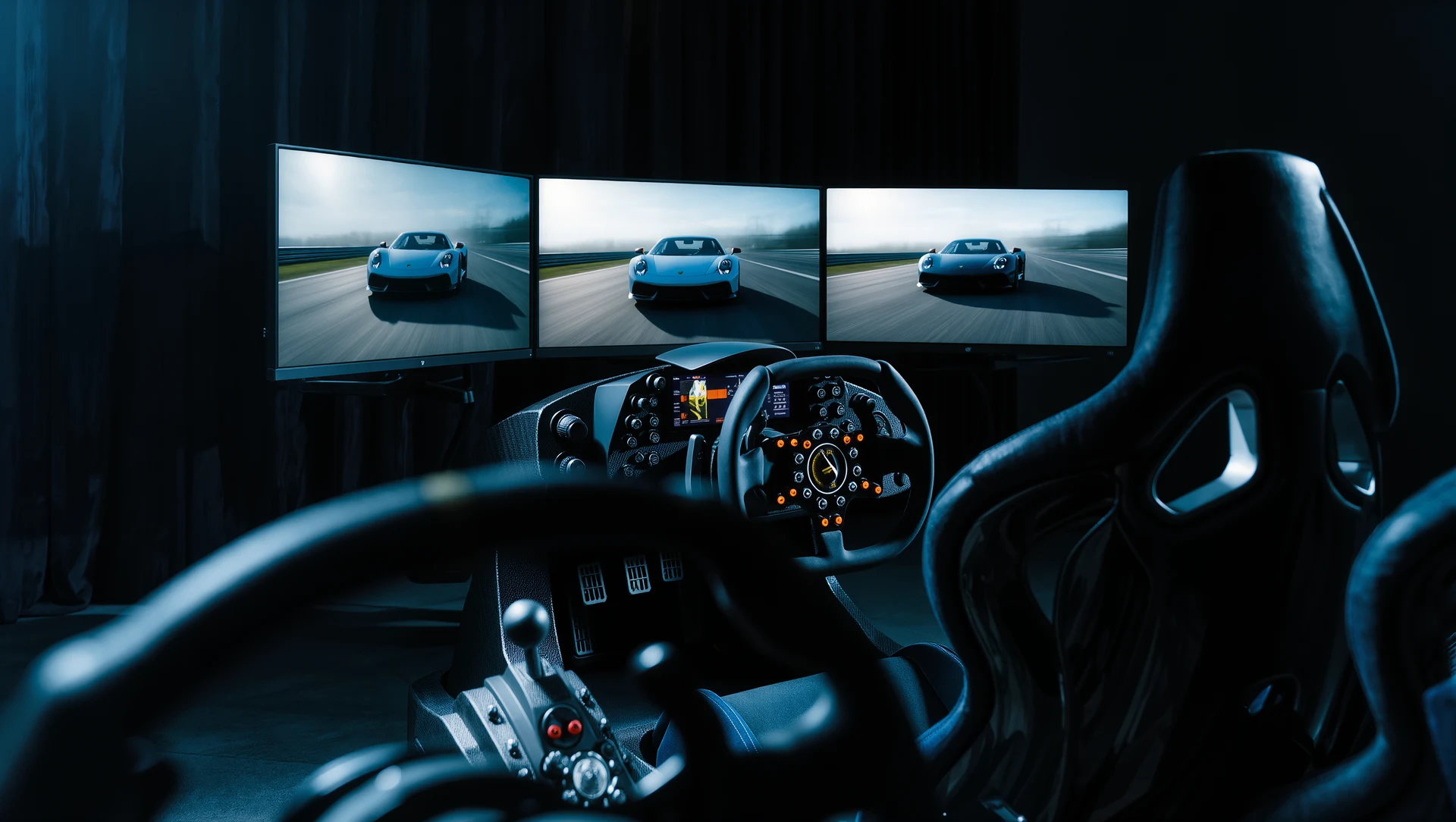
So, you’re wondering about the Porsche GT Driving Experience and if it’s worth your time, and your money. The short answer? It’s a unique opportunity to push some seriously capable cars to their limits on a track, guided by professional instructors. It’s definitely not your typical joyride; it’s about learning, improving, and really understanding what these incredible machines can do.
What Exactly Is the Porsche GT Driving Experience?
Think of it as getting VIP access to Porsche’s high-performance world. It’s not a race, but it’s the closest most of us will get to experiencing a GT3, GT2 RS, or other RS models in their natural habitat, a racetrack. You’ll be behind the wheel of these legendary cars, learning fundamental driving techniques that translate from the track to the road, but with a lot more speed and a lot more grip.
It’s run by Porsche, so you know the equipment is top-notch. They aren’t just handing you the keys to a supercar and saying “go for it.” There’s structure, instruction, and a focus on safety and skill development. The goal is to elevate your driving, not just to provide a fleeting adrenaline rush, though there’s certainly plenty of that too.
Why Choose a GT Car for This?
Porsche’s GT cars are purpose-built for performance. They sit at the pinnacle of the brand’s road-legal offerings, designed with motorsport DNA woven into every component. When you’re talking about the GT range, you’re talking about cars like the 911 GT3, GT3 RS, and the ferocious GT2 RS. These aren’t just sporty versions of their standard siblings; they are fundamentally different machines.
They possess a level of chassis tuning, aerodynamic sophistication, and powertrain prowess that’s frankly astonishing. The suspension is stiffer, the steering is more direct, the brakes are stronger, and the engines are higher-strung and more responsive. They offer an unfiltered connection between the driver and the road, or, in this case, the track.
The GT Driving Experience leverages these inherent capabilities. It’s designed to showcase how these cars react, how they communicate, and how you can harness their immense power and precision safely and effectively. You’re not just driving a fast car; you’re driving a precision instrument that happens to be incredibly fast.
The Core Components: What You’ll Actually Do
The experience is divided into several modules, each focusing on a specific aspect of high-performance driving. It’s not just about hitting the accelerator and hoping for the best. You’ll learn about the physics of driving, how to manage weight transfer, and how to coax the best out of the car.
Track Familiarization and Basic Techniques
Before you even get near a GT car, there’s a significant emphasis on understanding the track itself and the foundational skills needed to navigate it. This isn’t about memorizing apexes right away; it’s about building a mental map and a physical feel for the environment.
Understanding the Track Layout
You’ll spend time with instructors dissecting the track. This isn’t just pointing out corners; it’s about understanding how the banking, elevation changes, and runoff areas affect your driving. Instructors will explain braking points, turn-in points, and the concept of the racing line, but tailored to an amateur’s understanding. They’ll break down complex corners into manageable sections, helping you visualize the ideal path.
Precision and Control with Standard Porsches
Often, the initial on-track sessions are conducted in standard Porsche models, like a 911 Carrera or a Cayman S. This is crucial for a reason. It allows you to get comfortable with the track environment, the basic driving inputs (steering, braking, acceleration), and the feel of a rear-engine, rear-wheel-drive car without the overwhelming power and razor-sharp responsiveness of a GT car. You’ll work on smooth inputs, observing the car’s behavior, and building confidence in your ability to control it. This phase is all about learning good habits before amplifying them.
Progression to the GT Cars: The Real Deal
This is where the excitement truly ramps up. Once you’ve got a handle on the basics, you’ll transition to the main event: the GT cars. The instructors don’t just throw you in; there’s a methodical approach to acclimatizing you to their heightened performance.
Introduction to GT Car Dynamics
You’ll be introduced to the specific characteristics of the GT cars you’ll be driving. Expect to learn about their unique suspension setups, the feel of their more direct steering racks, and the immense stopping power of their brakes. Instructors will explain how these elements contribute to their track prowess and what you need to do as a driver to leverage them. They’ll discuss the difference in responsiveness, the sensitivity of the throttle, and the importance of smooth, deliberate inputs.
Mastering Weight Transfer and Tire Grip
A significant chunk of the instruction will revolve around understanding and managing weight transfer. In a high-performance car, particularly on a track, this is paramount. You’ll learn how accelerating, braking, and turning all shift the car’s weight, and how to use this to your advantage. Instructors will demonstrate how to load the tires to maximize grip and how to feel when the car is approaching its limit. This isn’t just theoretical; you’ll be feeling these shifts behind the wheel.
The Art of Braking: Late, Hard, and Straight
Braking is an art form in performance driving, and the GT cars demand respect. You’ll be taught how to brake later and harder than you might ever imagine, but crucially, in a straight line. This maximizes deceleration and allows the car to settle before you initiate a turn. Instructors will guide you on understanding brake modulation and how to gradually release the brakes as you turn in, ensuring stability and maintaining grip. This skill is vital for carrying speed through corners.
Cornering: The Racing Line and Apex Control
This is where the magic happens. You’ll delve into the intricacies of the racing line, the optimal path through a corner that allows for the highest speed and the quickest exit. Instructors will guide you on identifying the apex (the innermost point of the corner) and how to position the car precisely to hit it. You’ll learn about turn-in points, maintaining a consistent radius through the corner, and looking ahead to the exit. The precision required in a GT car makes this a particularly rewarding skill to develop.
Specific Sessions and Car Examples
The experience isn’t a one-size-fits-all affair. Different programs might offer variations, but the core principle of progressively building skills remains.
High-Speed Handling and Stability
Once you’re comfortable with the core techniques, the focus shifts to higher speeds and the car’s behavior at those limits. You’ll learn how to maintain stability during long straights, how to manage aerodynamic forces, and how to react to subtle changes in the car’s balance at speed. This is where the advanced chassis engineering of the GT cars really shines, and understanding how to work with it is key.
Understanding Electronic Driver Aids (and When to Turn Them Off)
Modern performance cars, even GT models, are equipped with sophisticated electronic driver aids like stability control and traction control. The experience will likely involve understanding how these systems work and, importantly, when and how to use them. You’ll probably have opportunities to drive with them on and potentially experience driving with them dialed back or even off, allowing you to feel the car’s raw behavior and better understand the role of these aids in maintaining control. This is a valuable lesson in understanding the car’s inherent capabilities versus automated assistance.
The Porsche 911 GT3 RS and Beyond
While the specific car lineup can vary, expect to get seat time in some of the most sought-after Porsche models. The 911 GT3 RS is a common fixture, a track-focused weapon in its own right. Depending on the program, you might also encounter other RS variants, each offering a slightly different flavor of extreme performance. The experience is designed to give you a comprehensive understanding of what makes these specific models so extraordinary.
Advanced Techniques and Instructor Feedback
The value of professional guidance cannot be overstated. The instructors are experienced racers and driving coaches who can identify areas for improvement you might not even be aware of.
Real-Time Coaching and Data Analysis
You’re not just out there on your own. Instructors will be communicating with you, offering real-time feedback during your laps. They’ll be watching your lines, your braking, your throttle application, and your steering inputs. This immediate, expert feedback is invaluable for making corrections on the fly and truly grooving the correct techniques. Some programs might even incorporate data acquisition, allowing for post-session analysis of your driving performance.
Fine-Tuning Your Driving Style
The goal isn’t just to replicate what the instructor does, but to understand why they do it and then apply it to your own driving style and capabilities. The instructors are adept at adapting their teaching to individual learning curves, helping you progress at a comfortable yet challenging pace. They’ll encourage you to feel the car, to listen to its feedback, and to develop a more intuitive connection.
Developing Confidence and Skill Transferability
Ultimately, the Porsche GT Driving Experience aims to build your confidence and enhance your driving skills in a way that’s transferable. The techniques you learn on the track, smooth inputs, proper braking, understanding weight transfer, and anticipating the car’s behavior, are all directly applicable to everyday driving, making you a safer and more accomplished driver on public roads, even if you’re never pushing the limits.
Is It Worth the Investment?
This is the big question, isn’t it? The Porsche GT Driving Experience is not a cheap excursion. However, if you’re a serious car enthusiast, a budding track driver, or simply someone who wants to experience these incredible machines in a way that’s both thrilling and educational, the answer is very likely yes.
The Value Proposition Explained
You’re paying for access to world-class machinery, expertly maintained and ready to perform. You’re paying for the tutelage of highly skilled professionals who know these cars inside and out. You’re paying for a safe, controlled environment where you can push a supercar to its limits without risking your license or your life.
Comparing it to Other Experiences
When you compare the cost to renting a supercar for a few hours of spirited road driving, or to a single track day with your own car (which involves wear and tear, tires, and maybe even instruction), the GT Driving Experience starts to look like a more structured and arguably more valuable proposition for serious learning. It’s not just about the horsepower; it’s about the holistic understanding of high-performance driving.
Who Should Seriously Consider This?
If you dream of driving a 911 GT3, but the reality of ownership is distant, this is a fantastic way to get an intimate understanding of what makes these cars special. If you’re looking to get into track days and want a structured introduction to performance driving, this is an unparalleled starting point. And if you simply love cars and want a truly unforgettable, educational, and exhilarating experience, then this is certainly worth your serious consideration. It’s an investment in your passion and your skills.
FAQs
What is the Porsche GT driving experience?
The Porsche GT driving experience is a program offered by Porsche that allows participants to drive high-performance GT models on a race track under the guidance of professional instructors.What cars are included in the Porsche GT driving experience?
The Porsche GT driving experience typically includes models such as the Porsche 911 GT3, 911 GT3 RS, and 718 Cayman GT4. These cars are known for their exceptional performance and handling.Where does the Porsche GT driving experience take place?
The Porsche GT driving experience is held at various race tracks and driving facilities around the world. Participants can choose from a range of locations to find a program that suits their preferences and schedule.Who can participate in the Porsche GT driving experience?
The Porsche GT driving experience is open to drivers of all skill levels, from beginners to experienced track enthusiasts. Participants must meet certain age and licensing requirements, and no prior racing experience is necessary.What can participants expect from the Porsche GT driving experience?
Participants can expect to receive professional instruction on driving techniques, as well as the opportunity to push the limits of the Porsche GT models in a controlled and safe environment. The experience typically includes classroom sessions, on-track driving exercises, and personalized coaching.More from Supercars
Join the Exclusive Supercar Club Today!
If you’re wondering how to get behind the wheel of those dream machines without breaking the bank, a supercar club might be exactly what you…
Unleash Your Inner Speed Demon with a Ferrari Driving Experience
Ever dreamt of that iconic Ferrari roar? Of carving corners with precision that feels almost balletic? You’re not alone. The good news is, getti…

Ultimate Supercar Destination: Your Dream Dealership
So, you’re wondering where to find that dream supercar? The one that gets your heart racing just thinking about it. It’s a big question, a…