Virtual Racing: The Ultimate Competition
Virtual racing. Is it really the ultimate competition? If you’re asking if it has the raw, visceral thrill of a real engine roaring inches away, or the unique feel of G-force…
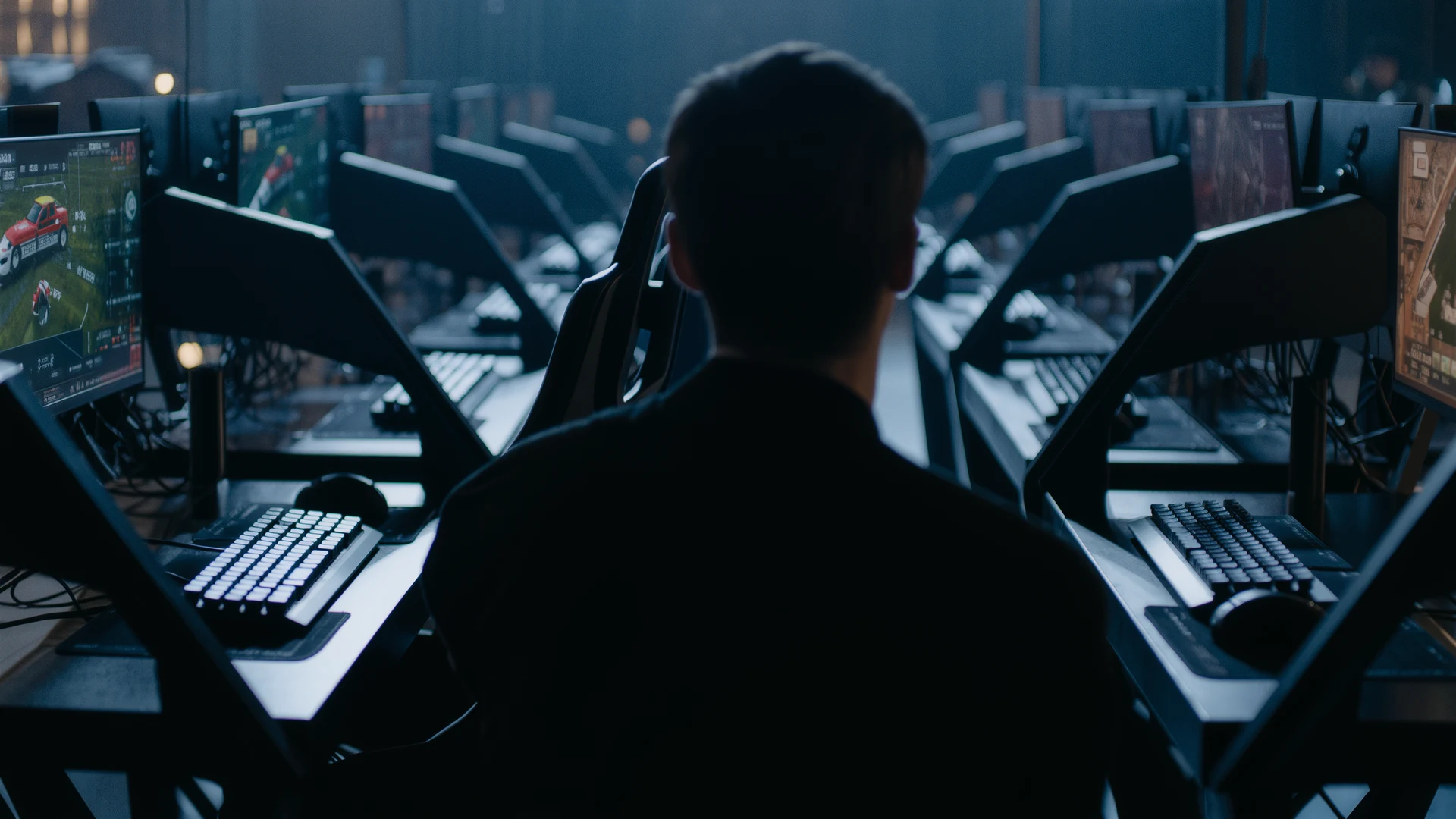
Virtual racing. Is it really the ultimate competition? If you’re asking if it has the raw, visceral thrill of a real engine roaring inches away, or the unique feel of G-forces pinning you to your seat, then maybe not. But for a whole lot of people, virtual racing is the ultimate competition. It’s accessible, incredibly deep, and can offer a level of strategic and technical challenge that rivals anything on a real track. It’s less about the adrenaline rush of physical danger and more about the pure, unadulterated pursuit of speed and perfection, all without the risk of a broken bone or a dented car.
What Makes it “Ultimate”?
So, what’s the big deal? Why do so many people dedicate hours to clicking mice and wiggling wheels on a screen? It boils down to a few key things: accessibility, realism delivered through technology, and a competitive landscape that’s global and fiercely challenging.
Breaking Down the Barriers
Let’s face it, real-world racing is expensive. Like, really expensive. Think about it: a professional racing driver needs access to high-performance cars, pristine tracks, a pit crew, and all the logistical nightmares that come with it. Virtual racing throws most of that out the window.
- Cost-Effective Entry: You don’t need millions to get started. A decent gaming PC or console, a steering wheel and pedals (which can range from affordable to high-end, but are still a fraction of real-world costs), and the cost of the game itself. That’s it. The barrier to entry is dramatically lower.
- Time Commitment Redefined: While real racing demands significant time for practice and travel, virtual racing can be fitted into your life more realistically. A quick race session after work? A few hours on a weekend? It’s much more flexible. You can hone your skills and compete without having to clear your entire life schedule.
- Learning Curve, Not Cliff: You can learn the intricacies of a car or a track at your own pace. Make mistakes, spin out, learn from it, and jump back in. There’s no real-world consequence for a poor lap, just the opportunity to analyze your data and improve.
The Illusion Becomes Reality
Modern virtual racing simulations have gotten incredibly sophisticated. They aim to replicate the physics, handling, and even the nuances of driving real race cars.
- Physics Engines at Work: Developers pour immense resources into creating physics engines that accurately model tire grip, suspension travel, aerodynamic forces, and engine power delivery. This isn’t just about making cars look good on screen; it’s about making them feel like they’re behaving realistically.
- Track Accuracy through Laser Scanning: Many modern racing games use laser-scanning technology to recreate real-world race tracks with astonishing precision. From the subtle bumps in the asphalt to the exact camber of a corner, these digital replicas are incredibly faithful.
- Force Feedback: The Direct Connection: A good force feedback steering wheel is game-changing. It translates the forces acting on the tires and suspension into vibrations and resistance felt through the wheel. You can feel when the tires are losing grip, when you’re hitting a kerb, or when the car is skittish. This sensory feedback is crucial for precise control.
A Global Arena
The internet has turned virtual racing into a truly global phenomenon. You’re not just competing against your local league; you’re competing against the best sim racers from every corner of the world.
- Massive Player Bases: Popular sim racing titles boast millions of players. This means a constantly available pool of opponents at all skill levels, ensuring you can always find a race.
- Skill Over Location: Your geographical location is irrelevant when it comes to your ranking or your ability to compete in a high-level online race. It’s all about your driving skill and how well you adapt to the game.
- Diverse Racing Disciplines: From Formula 1-style single-seaters and GT3 sports cars to the wild world of rally and even trucking simulators, the virtual racing world offers a staggering variety of disciplines to master.
The Tech Behind the Speed
It’s easy to dismiss virtual racing as just a video game, but at the higher echelons, it’s a complex interplay of cutting-edge technology and human skill.
Hardware: More Than Just a Controller
While you can race with a standard controller, serious virtual racers invest in dedicated hardware to enhance immersion and performance.
- Steering Wheels and Pedals: This is the most significant upgrade. A force feedback wheel provides tactile feedback, allowing you to feel the car. Pedal sets, especially those with load-cell brake pedals, offer more nuanced control over throttle and braking, mimicking the responsiveness of real race car pedals.
- Sim Rigs and Cockpits: For the ultimate immersion, enthusiasts build or buy dedicated racing cockpits. These range from simple wheel stands to full-blown chassis that house your wheel, pedals, shifter, and even motion platforms that simulate the G-forces of acceleration, braking, and cornering.
- VR Headsets: Stepping Inside the Cockpit: Virtual reality has taken sim racing to a new level. Wearing a VR headset places you directly inside the virtual car. You can look around the cockpit, judge braking points by seeing the track ahead, and feel a sense of presence that’s hard to replicate on a flat screen. It significantly improves spatial awareness and immersion.
Software: The Engine of Realism
The games themselves are the heart of the experience, and the dedication to realism by their developers is what sets them apart.
- Simulation vs. Arcade: It’s crucial to distinguish between arcade racers and true simulations. Arcade games prioritize fun and accessibility, often with forgiving physics. Simulators, on the other hand, aim for as much realism as possible, demanding precision and dedication.
- Data and Telemetry: Many sims provide detailed telemetry data that replicates what real race engineers use. You can analyze your driving line, braking points, acceleration, tire temperatures, and much more. This data is invaluable for understanding your performance and identifying areas for improvement.
- AI: A Worthy Opponent (Sometimes): While human opponents are generally preferred for competition, the AI in some modern sims has become incredibly sophisticated. They can race aggressively, make realistic mistakes, and even adapt to your driving style, providing a challenging practice partner or an alternative when online servers are quiet.
The Competitive Edge: Finding Your Race
Virtual racing isn’t just about driving fast alone; it’s about the thrill of competition. There are various ways to get involved and test your mettle.
Organized Leagues: The Grassroots of Sim Racing
Leagues are the backbone of organized virtual racing. These are groups of people who regularly race against each other, often with specific car and track combinations.
- Structure and Rules: Leagues typically have a season structure, points systems, and a set of rules designed to promote fair and clean racing. This creates a sense of community and ongoing rivalry.
- Building Skills and Reputation: Participating in leagues is an excellent way to learn race craft, improve your consistency, and build a reputation within the sim racing community. You’ll encounter drivers with different strengths and weaknesses, forcing you to adapt.
- Finding the Right Fit: There are leagues for every discipline, from entry-level fun to highly competitive, professional-level series. Websites and forums dedicated to sim racing are great places to find leagues in your preferred genre.
Esports and Professional Sim Racing: The Pinnacle
What started as a hobby has grown into a legitimate esport. Professional sim racers are highly skilled individuals who compete for significant prize money and recognition.
- Professional Organizations and Teams: Just like in traditional sports, sim racing has professional teams that scout talent, provide support, and manage their drivers.
- Major Championships and Events: Events like the FIA Formula 1 Esports Series, the Le Mans Virtual Series, and the iRacing World Championship are broadcast globally and attract huge audiences. These are the ultimate proving grounds.
- The Skillset of a Pro Sim Racer: Beyond raw speed, professional sim racers possess incredible mental fortitude, the ability to adapt quickly to changing conditions, excellent data analysis skills, and the discipline to maintain peak performance consistently. They often practice for hours daily.
Casual Online Racing: Jump In and Go
For those who want to race without the commitment of a league, casual online races are readily available.
- Instant Action: Many games offer matchmaking systems that quickly place you in a race with other players. These can be a great way to get a quick racing fix.
- Variety of Events: You can often find public races for a wide range of cars and tracks, from short sprint races to longer endurance events.
- Learning the Ropes: While not as structured as leagues, casual races are still a good place to gain experience and learn from others. However, be prepared for a wider range of driving standards.
The Mental Game: Beyond Just Steering
Driving in virtual racing is as much a mental challenge as it is a physical one. It requires focus, discipline, and the ability to manage your emotions under pressure.
Concentration and Focus: Staying in the Zone
Maintaining concentration for extended periods is paramount in virtual racing.
- Sustained Attention: A single lapse in focus can lead to a mistake that costs you the race. You need to be able to sustain high levels of attention, especially during long endurance races.
- Visual and Auditory Cues: You rely heavily on visual cues to judge braking points, track position, and the behavior of other cars. Auditory cues, like engine notes and tire scrub sounds, also provide crucial information.
- Minimizing Distractions: In a real car, there are external distractions. In sim racing, the main distractions are internal, your own thoughts, impatience, or frustration. Learning to manage these is key.
Strategy and Decision Making: More Than Flat Out Speed
Winning isn’t always about being the fastest lap after lap. Smart strategy can make all the difference.
- Tire Management: In longer races, understanding tire wear and degradation is crucial. Pushing too hard early on can leave you struggling at the end.
- Fuel Management: Similar to tire wear, fuel conservation can be a factor in endurance races, forcing you to balance outright speed with efficiency.
- Pit Stop Strategy: For races with pit stops, optimizing your strategy, when to pit, what tires to choose, can gain you significant time over your competitors.
- Race Craft and Overtaking: Knowing when to attack, when to defend, and how to execute clean overtakes requires tactical thinking and spatial awareness. It’s about anticipating your opponent’s moves.
Dealing with Pressure and Mistakes: The Psychological Battle
Cracking under pressure or recovering from a mistake is a massive part of virtual racing.
- Handling On-Track Battles: Close racing with rivals can be intense. Learning to maintain composure when dicing for position, especially when someone is trying to get past you, requires significant mental control.
- Recovering from Errors: Everyone makes mistakes. Spinning out or going off-track can be demoralizing. The ability to quickly recompose yourself, get back on track without losing too much time or position, and regain your rhythm is a hallmark of a good driver.
- Mindset and Resilience: A resilient mindset is essential. You need to be able to learn from every race, good or bad, and use that knowledge to improve. Frustration is a common emotion, but mastering it is what separates the good from the great.
Is It The Ultimate Competition?
So, back to the original question. Is virtual racing the ultimate competition? It’s a subjective thing, isn’t it?
If “ultimate” means the rawest, most dangerous, and physically demanding test of human endurance with the highest stakes of physical well-being, then perhaps not. However, if “ultimate” means a competition that offers:
- Unparalleled Accessibility: Allowing millions to compete regardless of financial background.
- Immense Depth and Technical Challenge: Requiring intricate knowledge of physics, strategy, and precise control.
- Global Reach and Fierce Competition: Putting you against the best drivers on the planet in a meritocracy of skill.
- Constant Innovation: Pushing the boundaries of technology to create increasingly realistic experiences.
Then, yes. For many, virtual racing is the ultimate competition. It’s a testament to how technology can democratize extreme sports and create new arenas for human achievement, all from the comfort of your own home. It’s a serious pursuit for a dedicated community, and its influence on motorsports, both real and virtual, is only continuing to grow.
FAQs
What is a virtual racing competition?
A virtual racing competition is a simulated racing event where participants use video game software and racing simulators to compete against each other in a virtual environment.How do participants compete in a virtual racing competition?
Participants compete in a virtual racing competition by using specialized racing simulators and video game software that accurately replicate real-life racing conditions, including tracks, cars, and physics.What are the benefits of participating in a virtual racing competition?
Participating in a virtual racing competition allows individuals to hone their racing skills, compete against other racers from around the world, and potentially win prizes or recognition for their performance.What equipment is needed to participate in a virtual racing competition?
To participate in a virtual racing competition, individuals typically need a racing simulator setup, including a steering wheel, pedals, and a gaming console or computer with racing simulation software.Are virtual racing competitions recognized in the professional racing industry?
Yes, virtual racing competitions have gained recognition in the professional racing industry, with some professional racing teams and organizations hosting their own virtual racing events and scouting talent from the virtual racing community.More from Esports & Competitions
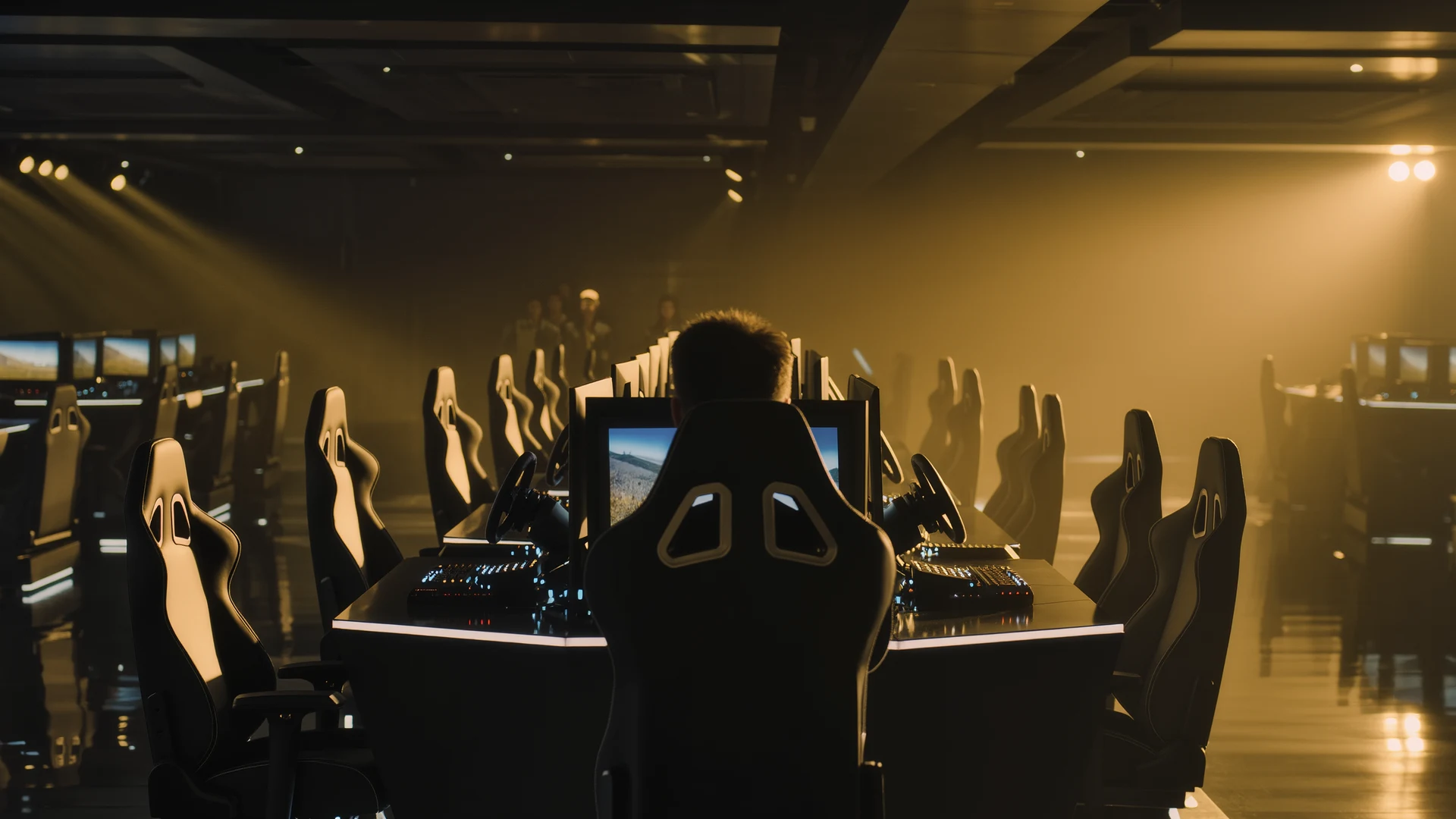
Sim Racing Communities and Leagues
Explore sim racing communities and leagues for 2026: r/SimRacing, RaceDepartment, LowFuelMotorsport, endurance teams, league finders, and Nurburgring …

The Rise of Sim Racing Esports
Sim racing esports has absolutely blown up. What started as a niche hobby for gearheads and gamers has rapidly evolved into a legitimate competitive s…
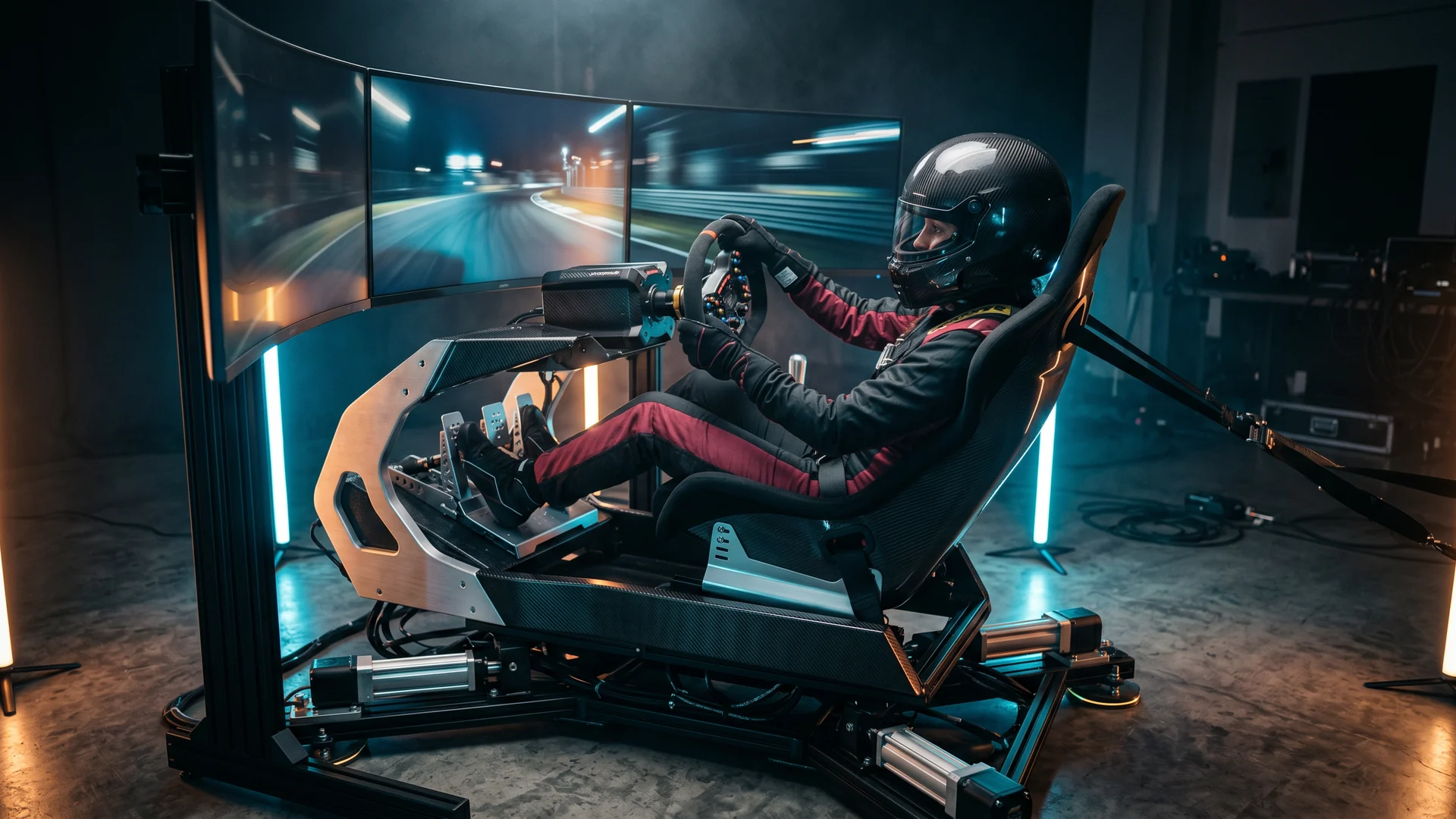
Sim Racing Championship: The Ultimate Virtual Racing Showdown
So, you’re curious about “Sim Racing Championship: The Ultimate Virtual Racing Showdown”? Basically, it’s a big deal in the world of…