Classic Racing Cars: Reviving the Golden Era
Ever wonder what it takes to bring those iconic, roaring beauties of yesteryear back to life? It’s a journey filled with passion, precision, and sometimes, a whole lot of hea…
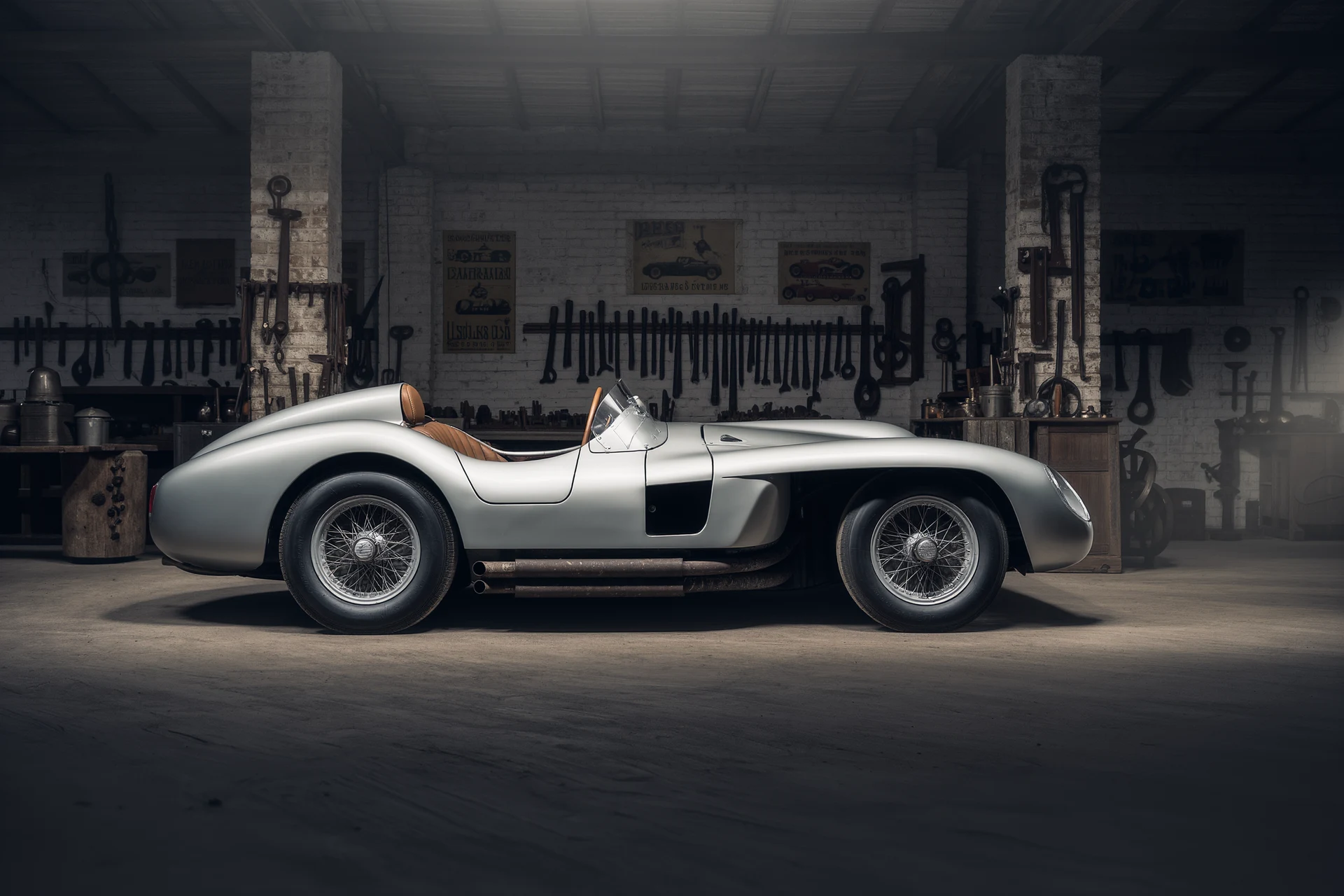
Ever wonder what it takes to bring those iconic, roaring beauties of yesteryear back to life? It’s a journey filled with passion, precision, and sometimes, a whole lot of head-scratching. Reviving a classic racing car isn’t just about polishing chrome; it’s about preserving history, understanding intricate mechanics, and ensuring these magnificent machines can once again tear up the track, much like they did in their glory days.
The Allure of Yesteryear’s Speed
There’s something undeniably captivating about classic racing cars. They represent a different era of motorsport, one where raw power, driver skill, and mechanical ingenuity were paramount. From their distinct designs to the unmistakable rumble of their engines, these cars tell stories of legendary races and pioneering engineering. It’s not just about speed; it’s about soul.
More Than Just a Car
For many, a classic racing car isn’t just a vehicle; it’s a piece of art, a historical artifact, and a testament to human endeavor. The connection to these machines runs deep, often spanning generations of families and enthusiasts.
The Starting Line: Sourcing and Authenticity
Finding the right car is often the first, and sometimes most challenging, step. It’s not like picking up a modern car from a dealership. We’re talking about rare beasts, often hidden away in garages or private collections.
The Treasure Hunt Begins
Locating a classic racing car can be like an archaeological dig. You might hear whispers, follow leads through old racing programs, or spend countless hours on specialized forums. Sometimes, you’re looking for a complete car, and other times, you might find a chassis and a scattered collection of parts.
Decoding the Pedigree
Once a potential car is found, establishing its authenticity is paramount. Is it a genuine period racer, or a meticulously crafted replica? This involves poring over chassis numbers, engine stamps, archival photos, and historical race records. An expert eye is crucial here, as even the most convincing fakes can hide subtle discrepancies.
Originality vs. Usability
A big consideration is how original you want the car to be. While a completely unaltered car holds immense historical value, sometimes minor modifications are necessary for safety or reliable operation in modern events. This is a delicate balance, and the decision often depends on the car’s intended future, museum piece or track warrior.
The Heart of the Machine: Engine and Drivetrain Restoration
The engine is undeniably the beating heart of any classic racing car. Getting it right is a meticulous process that combines historical knowledge with modern engineering precision.
Stripping Down and Assessing
The first step is a complete disassembly. Every nut, bolt, and component is carefully removed, cleaned, and inspected. This reveals the true condition of the engine, worn bearings, cracked blocks, fatigued components, and sometimes, unexpected surprises left by previous restorers.
Sourcing Period-Correct Parts
Finding original or period-correct replacement parts can be a serious hurdle. Many manufacturers from that era no longer exist, or their parts divisions are long gone. This often involves:
- Scouring specialist suppliers: There are dedicated companies that reproduce high-quality parts for specific marques.
- Networking with enthusiasts: The classic car community is a rich source of knowledge and sometimes, spare parts.
- Custom fabrication: For truly unobtainable parts, skilled machinists might need to recreate them from scratch using original drawings or damaged exemplars as templates.
The Rebuild Process
Rebuilding a classic racing engine is an art form. It’s not just about swapping parts; it’s about precise clearances, balanced components, and meticulous assembly. Engine builders specializing in these historical powerplants understand the nuances of period materials, tolerances, and tuning specific to that era. They often have proprietary knowledge passed down through generations.
Beyond the Engine: Chassis, Suspension, and Bodywork
While the engine gets a lot of attention, the rest of the car is equally critical for both performance and preservation.
Chassis Integrity
The chassis, or frame, provides the structural backbone of the car. Over decades, it can suffer from fatigue, rust, or damage from track incidents. Restoration involves:
- Thorough inspection: Using techniques like dye penetrant inspection or even X-rays to detect hidden cracks.
- Straightening and repair: Carefully correcting any distortions or damage to bring the chassis back to original specifications.
- Reinforcement (where appropriate): Sometimes minor, reversible reinforcements might be added for enhanced safety without compromising authenticity.
Suspension and Steering
These systems are crucial for how the car handles and feels on the track. Worn bushings, fatigued springs, and damaged dampers are common. Restoration involves:
- Rebuilding or replacing components: Ensuring that shock absorbers, leaf springs, wishbones, and steering boxes function as new, or better.
- Geometry setup: Re-establishing the original suspension geometry for optimal handling. This often requires deep knowledge of the particular car’s design philosophy.
Bodywork: Art and Aerodynamics
The bodywork of a classic racer is often a masterpiece of form and function. Whether it’s hand-beaten aluminum, fiberglass, or steel, restoring it requires unique skills.
- Panel beating and fabrication: Skilled craftsmen painstakingly repair or remanufacture damaged body panels, often using traditional techniques.
- Paint and livery: Recreating the original paint scheme and race livery is crucial for historical accuracy. This means researching period photos to match colors, sponsors, and race numbers precisely.
Safety First: Modernizing Without Compromising
While the goal is historical accuracy, safety is paramount, especially if the car is destined for track use. This is where subtle, often invisible, modernizations come into play.
Driver Protection
Modern racing standards are far more rigorous than those of the golden era. Restorers often integrate safety enhancements like:
- Roll cages (if applicable and discreet): Strengthening existing structures or adding period-appropriate roll-over protection.
- Fuel cells: Replacing potentially leaky original fuel tanks with modern, crash-resistant fuel cells.
- Fire suppression systems: Installing onboard fire extinguisher systems.
Braking Systems
Older racing cars often had drum brakes or early disc brake designs that weren’t as effective as today’s systems. While maintaining the original aesthetic, upgrades can include:
- Improved brake pads and fluid: Using modern compounds and fluids for better stopping power and fade resistance.
- Master cylinder rebuilds: Ensuring the braking system’s hydraulics are in perfect working order.
- Discreet caliper upgrades (rarely, if allowed by regulations): Some race series permit minor, visually undetectable upgrades to calipers for safety.
Electrical Systems
Original electrical systems in classic cars can be notoriously temperamental. Restoration often involves:
- Rewiring: Replacing old, brittle wiring with modern, high-quality looms.
- Component checks: Ensuring all gauges, lights, and ignition components are functioning reliably.
- Upgraded battery systems: Using modern, lightweight batteries for improved reliability.
The Grand Finale: Testing and Tuning
Once the painstaking restoration is complete, the car isn’t immediately ready for the track. A rigorous testing and tuning phase is essential to ensure everything works as intended and to unleash its full potential.
Initial Fire-Up
The moment the engine first roars to life after a complete rebuild is often emotional. It’s a testament to countless hours of work. This initial fire-up is carefully monitored for oil pressure, coolant leaks, and any unusual noises.
Dyno Testing
Before hitting the track, the engine is usually run on a dynamometer. This allows tuners to:
- Optimize carburetion/fuel injection: Adjusting fuel-air mixtures for peak performance and reliability.
- Fine-tune ignition timing: Ensuring the spark occurs at the optimal moment.
- Measure horsepower and torque: Verifying that the engine is producing its expected power output.
Track Shakedown
The first laps on a real track are crucial. This is where the car’s handling, braking, and overall dynamics are tested under load. Experienced development drivers will:
- Evaluate suspension settings: Adjusting ride height, damper compression, and rebound.
- Assess brake balance: Ensuring the car brakes predictably and powerfully.
- Monitor temperatures and pressures: Keeping a close eye on oil, water, and tire temperatures.
The Future: Racing, Exhibiting, and Preserving
A revived classic racing car has several possible futures, each contributing to its legacy.
Back on the Track
Many owners restore these cars with the explicit intention of racing them again. Historic racing series around the world offer a chance for these machines to compete, much to the delight of fans and drivers alike. These events are not just races; they’re living museums.
Showcasing History
Other cars find their home in museums, private collections, or at prestigious concourse events. Here, they are admired for their beauty, engineering, and historical significance, educating new generations about the golden era of motorsport.
A Labor of Love
Ultimately, reviving a classic racing car is a labor of love, a dedication to a bygone era of engineering and speed. It’s about ensuring that the roar of those legendary engines continues to echo, preserving a vital part of automotive history for decades to come.
FAQs
What are classic racing cars?
Classic racing cars are vintage vehicles that were used in competitive racing events in the past. These cars are typically from the early to mid-20th century and are known for their unique designs and historical significance in the world of motorsports.What makes classic racing cars special?
Classic racing cars are special because they represent a bygone era of racing history and engineering. These vehicles often have iconic designs, powerful engines, and were driven by legendary racing drivers. They hold a special place in the hearts of racing enthusiasts and collectors.What are some famous classic racing car models?
Some famous classic racing car models include the Ferrari 250 GTO, Porsche 917, Ford GT40, Mercedes-Benz W196, and the Lotus 49. These cars are celebrated for their performance on the racetrack and their enduring legacy in the world of motorsports.Are classic racing cars still used in competitions today?
Yes, classic racing cars are still used in vintage racing events and historic racing competitions around the world. These events allow owners and drivers to showcase and race their classic cars in a competitive and nostalgic setting.How can one acquire a classic racing car?
Classic racing cars can be acquired through private sales, auctions, and specialized dealerships that focus on vintage and classic automobiles. It’s important to thoroughly research and inspect the vehicle’s history and condition before making a purchase.More from Cars & Tracks

Mastering the Track: A Sim Racing Guide
So, you’re looking to get into sim racing, huh? That’s awesome! It’s a fantastic way to scratch that racing itch without, you know, actually cra…

Experience the Thrill: Le Mans Circuit Simulator
Thinking about what it’s like to drive the iconic Circuit de la Sarthe? A Le Mans circuit simulator offers the closest you can get to that heart…
Precision Racing: The Power of Laser Scanned Tracks
Laser scanning is dramatically changing how racing tracks are designed, built, and even how we experience them. It’s not just about making things look…