The Evolution of Prototype Racing Cars
So, you want to know how prototype racing cars have changed over time? In a nutshell, they’ve gone from glorified road cars to purpose-built, highly aerodynamic machines, alw…
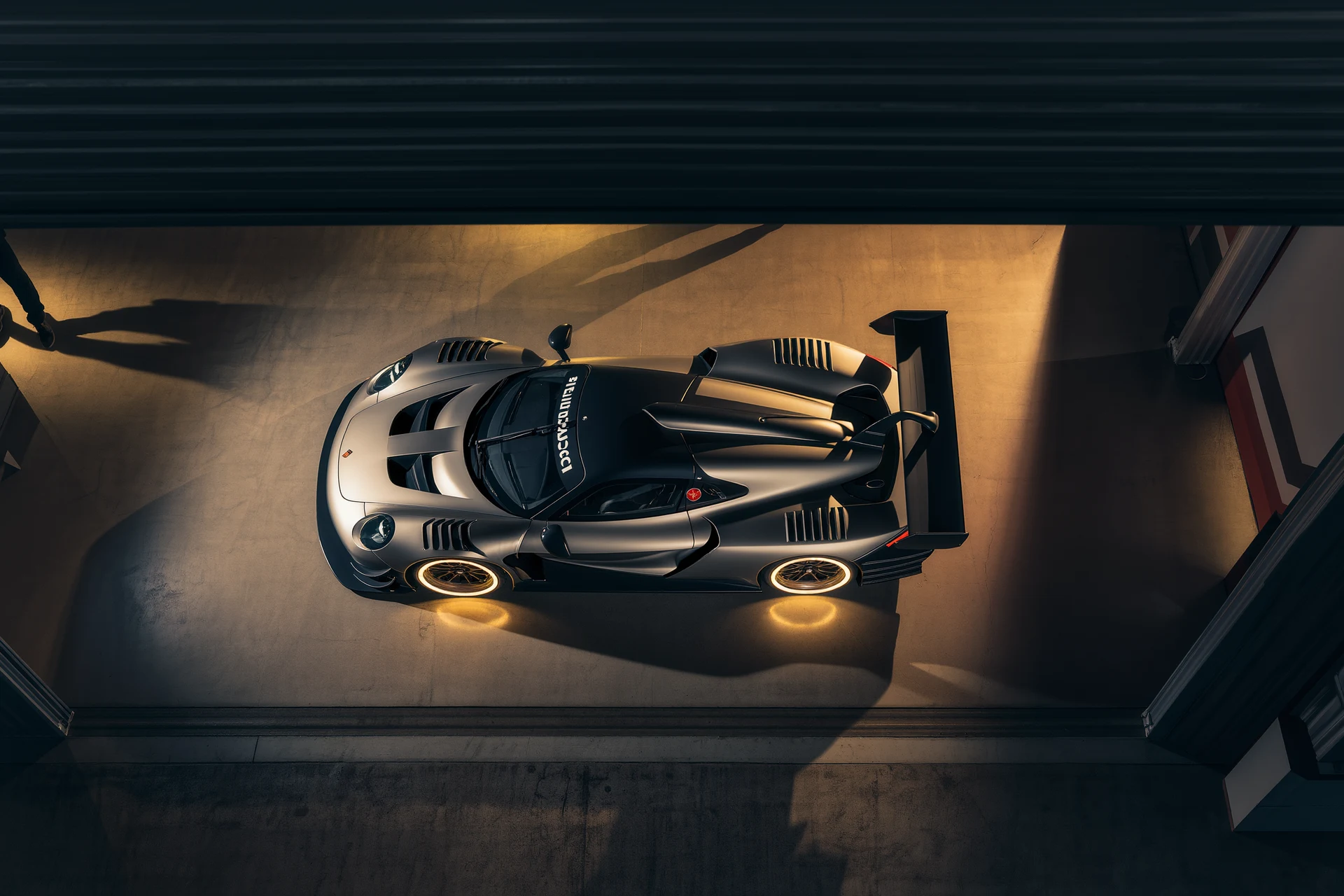
So, you want to know how prototype racing cars have changed over time? In a nutshell, they’ve gone from glorified road cars to purpose-built, highly aerodynamic machines, always pushing the boundaries of technology in pursuit of speed and endurance. It’s a fascinating journey of innovation, often driven by regulations, but always with the core goal of winning the toughest races.
The Early Days: From Road Cars to Racers
Before we had dedicated prototypes, racing was a bit more… improvisational. Think of it as taking a souped-up everyday car and seeing how fast it could go.
Modifying the Standard: The Birth of Special Racers
In the very early 20th century, race cars were essentially production vehicles with some tweaks. Manufacturers like Mercedes, Fiat, and Peugeot would take their largest, most powerful touring cars, strip out anything unnecessary (like seats, often, for weight), and then beef up the engines. These weren’t ‘prototypes’ in the modern sense, as they were still derived closely from models sold to the public. The focus was on raw power and durability, as races were often long and grueling tests of man and machine. You’d see huge, exposed engines and minimal bodywork, safety was certainly not the priority it is today.
The Interwar Era: Developing Bespoke Chassis
As racing gained popularity, particularly with events like the Le Mans 24 Hours gaining traction, a need for more specialized vehicles emerged. By the 1920s and 30s, we started seeing chassis built specifically for racing, even if they still often housed modified production engines. Brands like Bentley, Alfa Romeo, and Bugatti were key players here. They weren’t just modifying road cars anymore; they were designing stronger, lighter frames and exploring basic aerodynamic principles. While rudimentary by today’s standards, fins, fairings, and enclosed cockpits began to appear, hinting at the future. Think of the monstrous Mercedes-Benz W25 or Auto Union Type C, powerful, elegant, but still quite open-wheeled and relatively simple in their aerodynamic philosophy.
Post-War Innovation: The Rise of Dedicated Sports Racers
After World War II, a new era of engineering freedom really took hold. The ‘sports racer’ category gained prominence, and these cars were starting to look significantly different from anything you’d buy in a showroom.
The Golden Age of Le Mans: Aero and Engines Take Center Stage
The 1950s and 60s were a golden age for sports car racing, epitomized by Le Mans. This is where aerodynamic understanding truly began to flourish, moving beyond just simple streamlining. Cars like the Jaguar D-Type, with its distinctive ‘long nose’ and fin, or the Ferrari 250 Testa Rossa, began to sculpt the air more deliberately. Designers were realizing that shape wasn’t just for aesthetics; it was critical for stability and speed. Engine development also exploded, with marques like Ferrari, Aston Martin, and Maserati pushing the boundaries of V12 and inline-six powerplants. These cars were still relatively open in design, but the transition towards fully enclosed cockpits was on the horizon for many classes.
Mid-Engine Revolution and Monocoque Chassis
A huge leap came with the adoption of mid-engine layouts, moving the engine from the front to behind the driver. This dramatically improved weight distribution and handling. The first truly dominant mid-engine sports prototypes included cars like the Ford GT40 and the Porsche 917. Simultaneously, the introduction of monocoque chassis, a single, rigid structure that integrates the body and frame, revolutionized structural integrity and safety, while also allowing for lighter and stiffer cars. This was a direct progression from aircraft construction methods and made cars much more robust performers at high speeds. These innovations completely transformed how cars were designed, built, and raced.
The Ground Effect Era: Mastering the Air Beneath
The 1970s and early 80s brought a revolutionary new concept to prototype racing: ground effect. This was a game-changer, fundamentally altering how cars generated downforce.
Skirts and Venturis: Suction Power
Ground effect essentially uses the shape of the car’s underbody to create a low-pressure area between the car and the track surface, sucking the car down and vastly increasing grip. The pioneering designs, often seen in Formula 1 initially, quickly migrated to prototype racing. Cars featured large venturi tunnels under the sidepods, often sealed off with sliding “skirts” that touched the ground. This created an incredible amount of downforce, allowing for astonishing cornering speeds. The Lancia LC2 and Porsche 956/962 C are prime examples of prototypes that perfected this technology. However, ground effect cars were notoriously sensitive to ride height and could be very unpredictable if the seal was broken, leading to sudden loss of downforce.
Turbocharging Takes Over: Raw Power Meets Aero
Alongside ground effect, turbocharging became the dominant engine technology. Manufacturers like Porsche, Lancia, and Sauber-Mercedes embraced forced induction, squeezing immense power from relatively smaller engines. The combination of colossal horsepower and powerful ground effect aerodynamics made for incredibly fast, yet also sometimes terrifyingly unpredictable, racing machines. The noise alone was an experience, a symphony of turbo whistles and wastegate chatter. This period solidified prototypes as the absolute pinnacle of racing technology, eclipsing even Formula 1 in terms of outright speed on some circuits due to fewer restrictive rules.
The Silhouette Era and Modern Prototypes: Balancing Speed with Safety
As speeds continued to climb in the ground effect/turbo era, safety became a more pressing concern. Regulations began to rein in the most extreme aspects, leading to a new wave of prototype design.
Group C Regulations and Closed Cockpits
The introduction of Group C regulations in the 1980s aimed to balance performance, cost, and safety. While still allowing for immense power and advanced aero, Group C mandated closed cockpits. This wasn’t just for safety; it also improved aerodynamics and allowed for more consistent airflow over the car. Legendary cars like the Porsche 962 C, Sauber C9, and Jaguar XJR-9 epitomized this era, blending sleek, enclosed bodywork with powerful turbocharged engines. Fuel efficiency became a key factor in these regulations, leading to sophisticated engine management systems.
Le Mans Prototype (LMP) Classes: Hybridization and Standardization
The 1990s and 2000s saw the evolution into the Le Mans Prototype (LMP) classes (LMP1, LMP2, etc.). These classes brought more standardized safety structures (like carbon fiber monocoques crash-tested to strict standards) and a focus on cost control within certain tiers. Aerodynamics continued to evolve, becoming increasingly complex with intricate dive planes, diffusers, and wing elements. The biggest shift in recent years for top-tier prototypes (LMP1) was the widespread adoption of hybrid powertrains. Manufacturers like Audi, Porsche, and Toyota pushed the boundaries of energy recovery systems, combining traditional internal combustion engines with electric motors to create hyper-efficient, incredibly powerful machines. This blending of traditional racing prowess with cutting-edge green technology demonstrated the relevance of prototype racing to future automotive developments.
The Future of Prototype Racing: Hypercars and Beyond
The landscape of prototype racing is always shifting, and the latest evolution points towards increased manufacturer involvement and a new era of diverse and exciting machinery.
Hypercar/GTP Era: Road Car Connections and Regulations
The latest chapter is the introduction of the Le Mans Hypercar (LMH) and LMDh (Le Mans Daytona h) regulations. The idea is to bring a closer visual connection to road-going hypercars, while still allowing for cutting-edge racing technology. This opens the door for new manufacturers and aims for closer competition and more sustainable budgets. The regulations are complex, featuring a balance of performance (BoP) system to ensure different car concepts can compete on a level playing field. We’re seeing a new generation of stunning prototypes from Cadillac, Porsche, Ferrari, Peugeot, Toyota, and Alpine, all aiming for overall victory at the world’s biggest endurance races. The emphasis is on energy management, driver accessibility (allowing for more “gentlemen drivers” in certain classes), and a tighter control over extreme performance to manage costs and safety.
Electric and Hydrogen Prototypes: The Next Frontier?
While current top-tier prototypes still heavily rely on internal combustion engines (even with hybrid assistance), the future undoubtedly holds more sustainable powertrain options. We’ve seen tentative steps with fully electric prototypes for demonstration runs, and hydrogen fuel cell technology is being explored by several manufacturers. The challenges are significant, battery weight, charging infrastructure, and energy density for hydrogen. However, given the history of prototype racing as a testbed for automotive innovation, it’s highly probable that future generations of these incredible machines will showcase completely new propulsion methods, pushing the boundaries of what’s possible on track, and eventually, on our roads. The evolution is far from over.
FAQs
What are prototype racing cars?
Prototype racing cars are high-performance, purpose-built racing vehicles designed for endurance racing events such as the 24 Hours of Le Mans and the World Endurance Championship. These cars are built to be fast, aerodynamic, and reliable for long-distance racing.What makes prototype racing cars different from other racing cars?
Prototype racing cars are different from other racing cars in that they are specifically designed for endurance racing, with a focus on aerodynamics, fuel efficiency, and reliability. They often feature advanced technologies and materials to maximize performance and durability.What are some examples of prototype racing cars?
Some examples of prototype racing cars include the Audi R18, Toyota TS050 Hybrid, Porsche 919 Hybrid, and the Peugeot 908. These cars are built by manufacturers specifically for endurance racing and have achieved success in events such as the 24 Hours of Le Mans.What are the different classes of prototype racing cars?
Prototype racing cars are typically classified into different classes based on their technical specifications and performance capabilities. The main classes include LMP1 (Le Mans Prototype 1), LMP2, and LMP3, each with specific regulations and restrictions.What are the key features of prototype racing cars?
Key features of prototype racing cars include advanced aerodynamics, hybrid powertrains, lightweight construction, and advanced electronic systems. These cars are designed to be fast, agile, and reliable for long-distance racing, with a focus on maximizing performance while minimizing fuel consumption and mechanical wear.More from Cars & Tracks
Mastering the Track: A Sim Racing Guide
So, you’re looking to get into sim racing, huh? That’s awesome! It’s a fantastic way to scratch that racing itch without, you know, actually cra…

Experience the Thrill: Le Mans Circuit Simulator
Thinking about what it’s like to drive the iconic Circuit de la Sarthe? A Le Mans circuit simulator offers the closest you can get to that heart…

Precision Racing: The Power of Laser Scanned Tracks
Laser scanning is dramatically changing how racing tracks are designed, built, and even how we experience them. It’s not just about making things look…