The Future of Hypercar Technology: Advancements and Innovations
When you think “hypercar,” mind goes to mind-blowing speed, exotic shapes, and prices that make your eyes water. But what’s next for these super-machines? The fut…
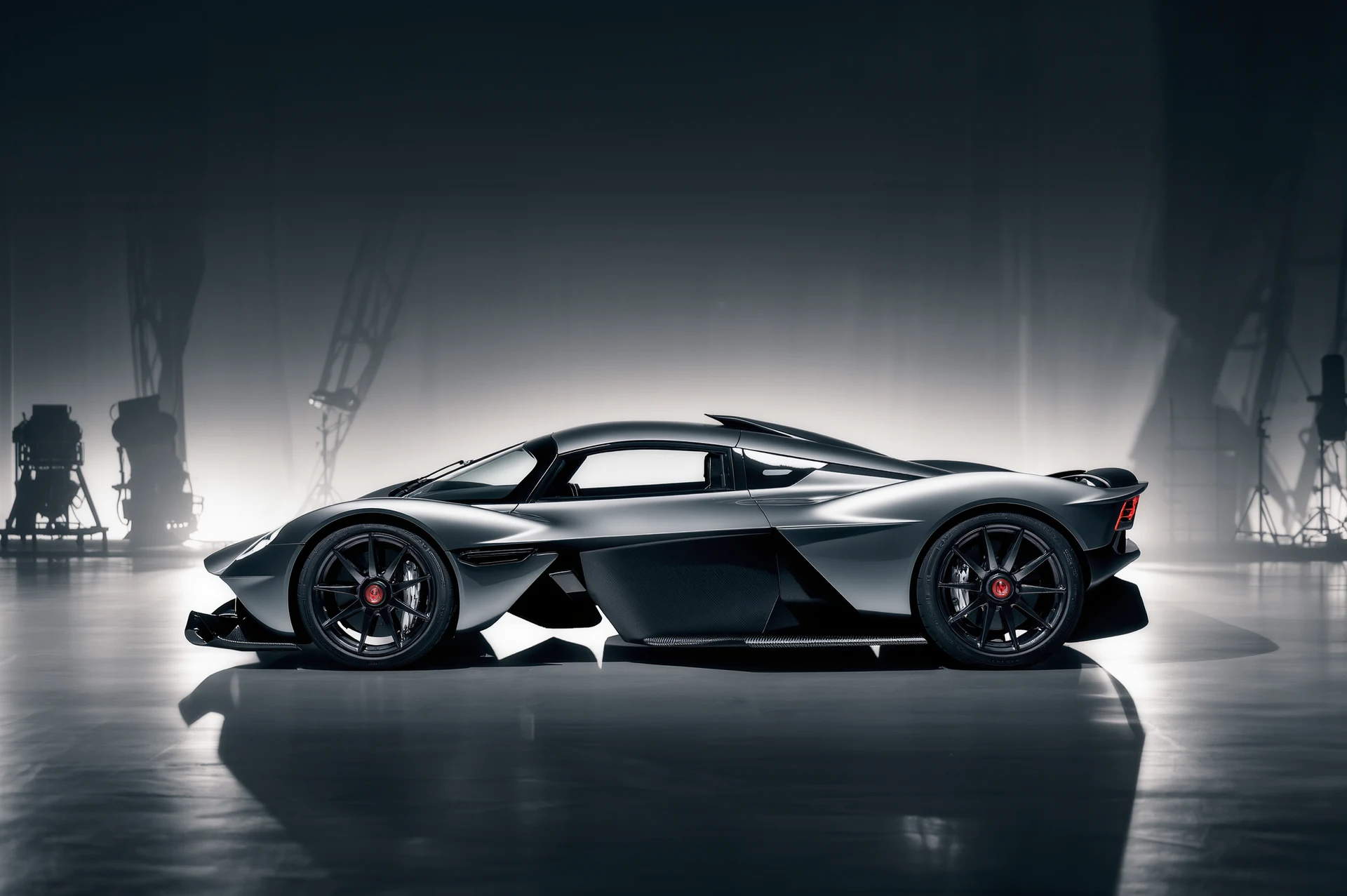
When you think “hypercar,” mind goes to mind-blowing speed, exotic shapes, and prices that make your eyes water. But what’s next for these super-machines? The future of hypercar technology isn’t just about making them faster (though they’ll certainly still be that). It’s about smarter, cleaner, and more integrated ways of hitting those incredible performance benchmarks. Think less raw, brute force and more sophisticated engineering across the board.
The biggest shift happening in hypercars, and frankly the entire automotive world, is the unstoppable march of electrification. Gone are the days when a purely internal combustion engine was the undisputed king of the road, especially in this elite segment.
The Hybrid Advantage
While fully electric hypercars are emerging, the immediate future for many is hybrid. This allows manufacturers to leverage the instant torque and power delivery of electric motors without completely sacrificing the visceral experience and range capabilities of a gasoline engine.
- Power Augmentation: Electric motors are bolted onto existing or new V6, V8, or even V12 engines. They don’t just add power; they fill in the torque gaps that traditional engines might have, providing a seamless surge of acceleration from a standstill.
- Energy Recovery: Think of it as a hyper-efficient KERS (Kinetic Energy Recovery System). Powerful regenerative braking captures energy that would otherwise be wasted as heat, storing it in a compact battery to be deployed later for a burst of offensive or defensive power.
- Enhanced Efficiency (Relatively): While we’re not talking about fuel economy figures that would win eco-awards, hybrid systems can make these thirsty beasts slightly more efficient, or at least allow for a smaller, lighter, and more potent gasoline engine to be used in conjunction with the electric boost.
The All-Electric Frontier
The ultimate performance statement is increasingly becoming an all-electric one. Battery technology is advancing rapidly, making it possible to cram enough energy into these low-slung machines to provide ludicrous range and sustained power.
- Torque Monster: Electric powertrains offer unparalleled instant torque. This translates to acceleration figures that are frankly absurd, often shattering existing records for production cars. The feeling is less like being pushed and more like being slingshotted.
- Packaging Benefits: Electric motors and batteries can be packaged in innovative ways. Multiple motors can drive individual wheels, allowing for sophisticated torque vectoring and all-wheel-drive control that was previously unimaginable. The battery pack, often integrated into the chassis, can also lower the center of gravity, improving handling.
- Sustainability Narrative: For a segment that has always been about excess, electrification offers a way to reconcile performance with a nod towards environmental responsibility. While “sustainable” is a relative term here, it’s a narrative that resonates with buyers and manufacturers alike.
Aerodynamics: Sculpting the Air
Hypercars are already masters of aerodynamic efficiency, but the future will see even more advanced and dynamic application of airflow management. It’s not just about looking pretty; it’s about fundamental physics dictating grip and speed.
Active Aerodynamics on Steroids
What used to be fixed wings and diffusers are becoming dynamic, intelligent systems that adapt to driving conditions in real-time.
- Adaptive Spoilers and Wings: These aren’t just for show. They can deploy, retract, and adjust their angle of attack based on speed, cornering forces, and braking. More downforce in corners means higher cornering speeds. Less drag on straights means higher top speeds.
- Ground Effect Enhancement: Manufacturers are finding increasingly clever ways to use underbody aero to create massive amounts of downforce. This involves intricate diffuser designs and active elements that manage airflow beneath the car, effectively “sucking” it to the road.
- Cooling and Air Management: Aerodynamics also plays a crucial role in cooling the highly stressed components of a hypercar, especially hybrid and electric powertrains. Ducts and vents are meticulously sculpted to guide air where it’s needed most, from brakes to batteries and engine components.
Computational Fluid Dynamics (CFD) Mastery
The design process itself is being revolutionized by sophisticated computer simulations.
- Precision Tuning: CFD allows engineers to simulate airflow with incredible accuracy, virtually testing thousands of different design iterations without needing to build physical prototypes. This fine-tuning leads to optimized shapes that are both visually striking and aerodynamically brilliant.
- Predictive Performance: By understanding precisely how air will interact with the car, designers can predict and fine-tune handling characteristics, stability, and overall performance long before the car hits the track.
Materials Science: Building Lighter and Stronger
The relentless pursuit of performance in hypercars has always been intertwined with the development and use of advanced materials. The future will see an even greater integration of lightweight, high-strength composites.
Carbon Fiber Continues its Reign
Carbon fiber reinforced polymer (CFRP) is already the material of choice for hypercar chassis and bodywork, but its application will become even more sophisticated.
- Advanced Weaves and Layups: Manufacturers are developing new ways to weave and orient carbon fibers, creating structures that are not only lighter but also stronger and more resistant to impact. This allows for thinner, more aerodynamic body panels and lighter chassis components.
- Monocoque Innovation: The trend towards full carbon fiber monocoques will continue. This integrated chassis and body shell provides incredible torsional rigidity, which is essential for precise handling and a stable platform for the potent powertrains.
- 3D Printed Components: Expect to see more 3D-printed carbon fiber or other composite components. This allows for highly complex, optimized shapes that are difficult or impossible to create with traditional manufacturing methods, often for internal structures or specific aerodynamic elements.
Beyond Carbon Fiber
While carbon fiber dominates, other advanced materials will play increasingly important roles.
- Lightweight Alloys: Advanced aluminum and magnesium alloys will still be used for certain structural components and engine parts where their specific properties are advantageous.
- Titanium Integration: Titanium, known for its high strength-to-weight ratio and corrosion resistance, might see increased use in exhaust systems, suspension components, and even certain chassis elements where its unique properties are beneficial.
- Graphene Integration: While still somewhat experimental, the potential for graphene within composite materials or as a separate additive is huge. Its incredible strength and conductivity could lead to even lighter, stronger, and more efficient components in the future.
Powertrain Integration and Management: The Intelligent Heartbeat
As hypercars blend multiple power sources and rely on sophisticated electronic control, the management of these systems becomes as critical as the hardware itself.
Sophisticated Energy Flow
The dance between electric motors and internal combustion engines needs to be orchestrated with extreme precision.
- AI-Powered Control Units: The brain of the hypercar will become increasingly intelligent. Advanced AI algorithms will manage energy deployment, regeneration, engine operation, and even driver inputs to optimize performance for any given situation, whether it’s track driving, city cruising, or spirited backroad carving.
- Seamless Transitions: The goal is for the driver to experience the combined power as a unified force, without noticeable shifts between electric and gasoline power. This requires incredibly fast and accurate control systems.
- Predictive Performance Management: The car could learn a driver’s habits and predict upcoming maneuvers (like braking for a corner) to pre-emptively adjust the powertrain and prepare for optimal acceleration out of it.
Enhanced Engine Technology
Even with electrification, the internal combustion engine isn’t disappearing overnight. It’s just getting smarter and more efficient.
- Downsized and Turbocharged: Expect to see smaller displacement engines paired with massive turbochargers or sophisticated electric supercharging, delivering V12 power from a V6 or even a four-cylinder.
- Advanced Fuel Injection and Combustion: Technologies like direct injection, advanced ignition systems, and variable valve timing will continue to be refined for maximum efficiency and power extraction.
- Exotic Engine Configurations: While V8s and V12s are classic, we might see a resurgence of unique configurations optimized for hybrid integration and packaging in the future.
The Software Overlay: The Digital Brain
The hypercar of tomorrow is as much a piece of software as it is mechanical engineering. The digital realm will dictate much of its behavior and user experience.
Connected and Intelligent Vehicle Systems
Hypercars will become even more connected, leveraging data and processing power in new ways.
- Over-the-Air (OTA) Updates: Just like your smartphone, hypercars will receive software updates wirelessly, enabling performance enhancements, new driving modes, and bug fixes without ever needing to visit a dealership.
- Advanced Telemetry and Data Analysis: Owners and manufacturers can access vast amounts of data from the car’s performance, allowing for personalized tuning, analysis, and even remote diagnostics. This is crucial for fine-tuning these complex machines.
- Driver Assistance Integration (Carefully): While not the primary focus, advanced driver assistance systems might emerge in hypercars, not to take control, but to subtly assist or warn the driver in extreme situations, enhancing safety without compromising the core driving experience. Think of highly sophisticated stability control or proactive braking interventions.
User Interface and Experience Evolution
The way drivers interact with these machines will also change.
- Immersive Digital Cockpits: Expect highly customizable digital displays and augmented reality overlays that provide information relevant to performance, navigation, and drivetrain status in an intuitive way.
- Personalized Driving Profiles: The car will remember and adapt to individual driver preferences, not just for seat position, but for throttle response, suspension settings, and aerodynamic deployment.
- Simulated Driving Experiences: Advanced simulators, potentially integrated into the car’s infotainment, could offer realistic track simulations or training modules, allowing drivers to hone their skills in a safe environment before taking on a real circuit.
The future of hypercar technology isn’t a single breakthrough, but rather a confluence of advancements across multiple disciplines. It’s about creating machines that are not only faster and more exhilarating but also smarter, more integrated, and more sophisticated than ever before. The obsession with extreme performance remains, but it’s now being pursued through a lens of cutting-edge engineering, intelligent software, and a re-imagining of what ultimate automotive performance truly means.
FAQs
What is hypercar technology?
Hypercar technology refers to the advanced engineering and technological innovations used in the design and construction of high-performance, ultra-fast cars known as hypercars. These technologies include lightweight materials, advanced aerodynamics, hybrid powertrains, and cutting-edge electronics.What are some examples of hypercar technology?
Examples of hypercar technology include carbon fiber construction for lightweight and strong chassis, active aerodynamics for improved downforce and drag reduction, hybrid powertrains combining electric motors with high-performance internal combustion engines, and advanced electronic systems for vehicle control and performance optimization.How does hypercar technology differ from regular car technology?
Hypercar technology differs from regular car technology in its focus on extreme performance, speed, and advanced engineering. Hypercars often utilize exotic materials, cutting-edge aerodynamics, and hybrid powertrains to achieve unparalleled levels of performance, while regular cars prioritize practicality, comfort, and affordability.What are the benefits of hypercar technology?
The benefits of hypercar technology include significantly improved performance, such as higher top speeds, faster acceleration, and better handling. Additionally, hypercar technology often leads to advancements in fuel efficiency, reduced emissions, and the development of new technologies that can eventually trickle down to mainstream vehicles.How is hypercar technology influencing the automotive industry?
Hypercar technology is influencing the automotive industry by pushing the boundaries of what is possible in terms of performance, efficiency, and technological innovation. Many of the advancements made in hypercar technology eventually find their way into mainstream vehicles, leading to improved performance, safety, and sustainability across the automotive industry.More from Hypercars
The Rise of Hypercar Investment: The Future of Luxury Performance Cars
Thinking about hypercars as an investment? It’s a question many high-net-worth individuals are pondering. The short answer is: yes, they can be …
Ultimate Hypercar Experience: A Thrilling Ride
So, you’re curious about the ultimate hypercar experience, wondering what it really entails beyond just seeing these incredible machines on a sc…
The Top Hypercar Brands: A Guide to the Ultimate Performance Machines
So, you’re wondering which hypercar brands truly stand out from the crowd? The answer isn’t just about speed; it’s a blend of engine…