Hypercar Brands: Bugatti, Koenigsegg, Pagani and More
Bugatti, Koenigsegg, McLaren, Ferrari, Rimac, Lotus, Pagani and Aston Martin: the cars, the figures their makers publish, the build numbers, and the sims where you can drive them.
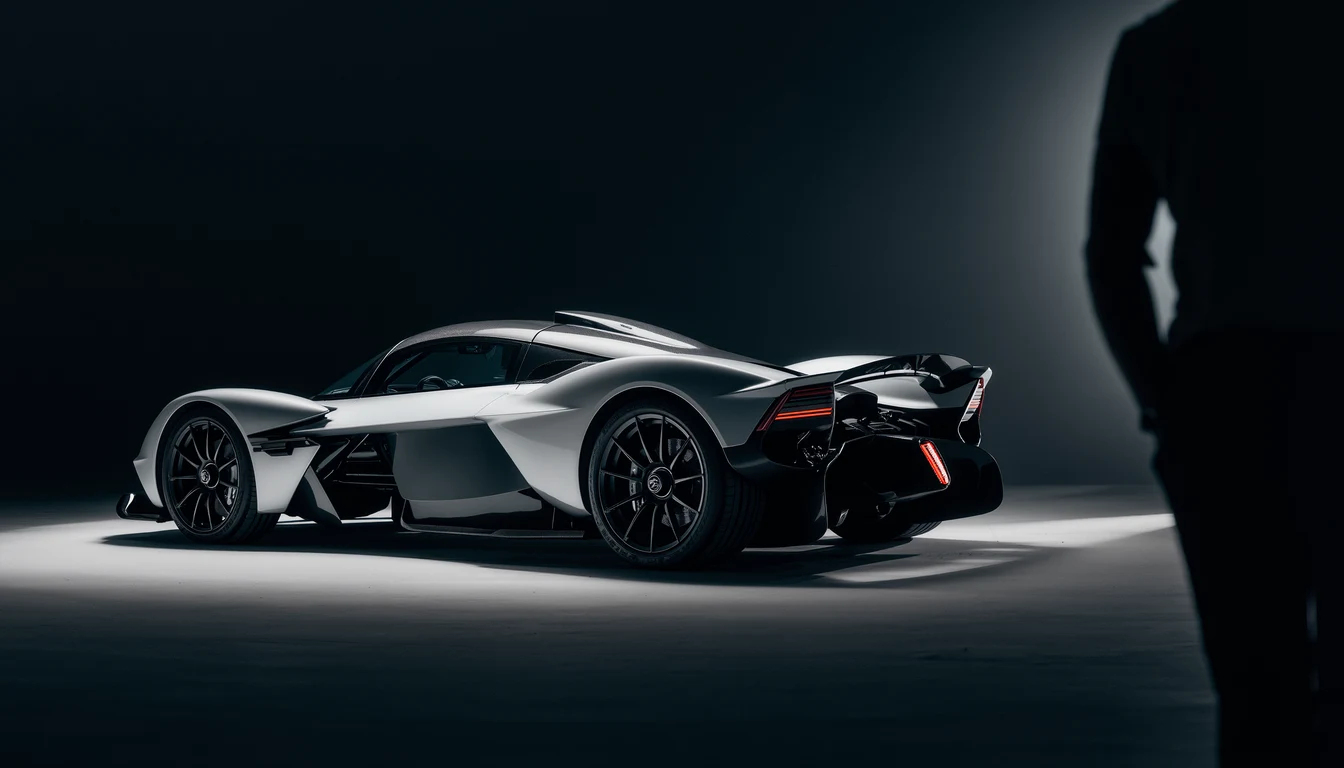
Which brands build hypercars, and what sets them apart? Speed is only part of it. Hypercars are built in small numbers, often with hybrid or fully electric powertrains, and each brand has its own idea of what the car is for: top speed, lap time, long distance comfort or craftsmanship. This guide goes through the main brands and their best known models, with the figures their makers publish, and ends with where you can drive them in a sim.
Before we dive into the current titans, it’s important to acknowledge the brands that laid the groundwork for today’s hypercar landscape. These companies weren’t just building powerful sports cars; they were crafting machines that transcended their era, becoming benchmarks for speed and exclusivity.
Bugatti: Where Engineering Meets Opulence
For many, the name Bugatti is synonymous with hypercars, and for good reason. Their legacy stretches back to the early 20th century, but it was their re-emergence in the modern era that truly cemented their hypercar status.
The Veyron: the 400 km/h benchmark
The Bugatti Veyron 16.4 set the modern benchmark. Its newly developed 8.0 litre W16 engine with four turbochargers produced 1,001 PS, and on 19 April 2005 it reached 407 km/h, a figure Bugatti describes as a milestone in automotive history.
The Chiron: Refinement and Raw Power
Building on the Veyron, the Chiron kept the W16 but raised the output to 1,500 PS, and to 1,600 PS in the Chiron Super Sport and Centodieci. On 2 August 2019 a pre-production car derived from the Chiron reached 490.484 km/h at the Ehra-Lessien test track, the first time a hypersports car passed 300 mph. Bugatti describes the record car as a pre-production vehicle, so the run is not a record for a series production car. The Chiron Super Sport 300+, limited to 30 cars, is based on that record car. The Chiron line combines this speed with comfort for long distances.
The Divo and Centodieci: Limited Edition Art
Beyond their mainline hypercars, Bugatti also crafts ultra-exclusive, coach-built models like the Divo and Centodieci. These vehicles use the Chiron’s underpinnings but feature unique bodywork, often with a focus on track performance (Divo) or a homage to past Bugatti legends (Centodieci). These are essentially rolling sculptures, produced in extremely limited numbers and fetching astronomical prices.
Koenigsegg: Swedish Audacity and Innovation
If Bugatti represents established luxury and immense power, Koenigsegg embodies audacious innovation and relentless pursuit of extreme performance. Christian von Koenigsegg’s vision has pushed the boundaries of engine design, aerodynamics, and lightweight construction since the company’s inception.
The CCX and Agera: Proving the Concept
Koenigsegg first gained significant attention with the CCX, a car designed to be homologated for global markets, with the company’s own engine design. The Agera and its RS variant then set new marks: on 4 November 2017, on a closed public road near Pahrump in Nevada, an Agera RS averaged 447.19 km/h over two runs in opposite directions, with a best single run of 457.94 km/h, according to Koenigsegg.
The Regera: The “Ghost” of Powertrain Engineering
The Regera introduced the Koenigsegg Direct Drive (KDD) system. It has no conventional gearbox: the twin turbo V8 drives the rear axle directly, supported by three axial flux electric motors, for a combined 1,500 hp. The result is seamless, immediate power delivery and a unique driving experience. It’s a testament to Koenigsegg’s willingness to challenge automotive dogma.
The Jesko: A Return to Extreme Track Focus (and Speed)
Named after Jesko von Koenigsegg, Christian’s father, the Jesko succeeded the Agera. It comes in two forms: the Jesko Attack, the track focused version with a large rear wing and high downforce, and the Jesko Absolut, shaped for low drag and top speed, with a drag coefficient of 0.278 and downforce reduced from 1,400 kg to 150 kg by removing the rear wing. Koenigsegg quotes 1,280 bhp on regular petrol and 1,600 bhp on E85 for its 5.0 litre twin turbo V8.
The Hybrid Revolutionaries: Powering into the Future
Modern hypercars are increasingly embracing hybrid technology, not just for efficiency, but primarily to augment performance. Electric motors offer instant torque fill, enabling even more brutal acceleration and sophisticated torque vectoring systems.
McLaren Automotive: Race-Bred Road Cars
McLaren’s engineering philosophy is deeply rooted in Formula 1, and this commitment to lightweight construction, aerodynamic efficiency, and cutting-edge powertrain technology is evident in their hypercars.
The P1: The Hybrid Pioneer
The McLaren P1, part of the “Holy Trinity” of hybrid hypercars alongside the LaFerrari and Porsche 918 Spyder, paired a twin turbo V8 with an electric motor for a combined 916 PS (903 bhp). McLaren built 375 cars, with customer deliveries from October 2013. The P1 showed how electric assistance could fill the gaps in a turbocharged engine’s response.
The Senna: built for the circuit
Named after the Formula 1 driver Ayrton Senna, this car is openly track focused. It is road legal, but its active front aero blades and active rear wing generate up to 800 kg of downforce, which McLaren quotes at 250 km/h. A 4.0 litre twin turbo V8 and lightweight construction complete the package. Its design is functional, with most vents and surfaces there for cooling or aerodynamics.
The Speedtail: The “Hyper-GT”
The McLaren Speedtail represents a different take on the hypercar: a “Hyper-GT.” With a top speed of 403 km/h (250 mph), it prioritises aerodynamic efficiency and long-distance comfort, offering a unique three-seat configuration with the driver positioned centrally, as in the McLaren F1 road car. Its streamlined body and innovative materials aim for effortless speed and a highly refined experience.
Ferrari: LaFerrari and the XX cars
Ferrari’s limited series flagships include the LaFerrari, its first hybrid hypercar, and the track only XX cars.
The LaFerrari: A Statement of Intent
Ferrari’s first hybrid hypercar, the LaFerrari, combined an 800 hp naturally aspirated V12 with a 120 kW electric motor in the HY-KERS system, for a total of 963 hp. Ferrari built 499 coupés, followed by the open LaFerrari Aperta. The car transferred Ferrari’s Formula 1 hybrid experience to the road.
The FXX K and XX Programme: Track-Only Extremes
Beyond their street-legal hypercars, Ferrari offers discerning (and wealthy) clients the opportunity to own track-only beasts like the FXX K. These cars are not homologated for road use and are part of Ferrari’s exclusive XX Programme, which provides owners with a meticulously managed track experience at various circuits worldwide. These cars represent the absolute extreme of Ferrari’s racing technology, unfettered by road regulations.
The Electric Frontier: Ushering in a New Era
While many hypercars embrace hybrid powertrains, a new breed is emerging, fully electric, demonstrating that blistering acceleration and immense power can be delivered without a drop of gasoline.
Rimac Automobili: Croatian Electric Dominance
Rimac Automobili, from Croatia, built its name on electric powertrains, battery technology and control systems.
The Concept_One: Rimac’s first car
The Rimac Concept_One, though produced in very limited numbers, was a groundbreaking vehicle. It proved that an all-electric car could deliver hypercar-level performance, with strong acceleration and torque vectoring made possible by individual electric motors at each wheel. It was a clear statement of intent from the Croatian startup.
The Nevera: Redefining Electric Performance
The Rimac Nevera is the production car that followed. Four individual electric motors produce a combined 1,914 hp and 2,360 Nm of torque, fed by a 120 kWh battery. In May 2023 Rimac reported 23 acceleration and braking records set in a single day at the Papenburg test facility in Germany, among them 0 to 400 to 0 km/h in 29.93 seconds. The later Nevera R has since lowered that time to 25.79 seconds.
Lotus: Lightness and Electric Precision
While traditionally known for lightweight, driver-focused sports cars, Lotus is now embracing the electric era with a truly impressive hypercar.
The Evija: A British Electric Statement
The Lotus Evija marks a new chapter for the British brand. As their first foray into an all-electric hypercar, the Evija has four electric motors and a power output Lotus states as 2,011 bhp. True to Lotus’s philosophy, aerodynamic efficiency is as much part of the design as the power, with full carbon fibre bodywork stretched over the mechanical components.
The Bespoke Builders: Beyond Mass Production
Some hypercar brands operate on an even more exclusive level, often building cars to ultra-specific client requests, pushing the boundaries of customisation and scarcity. These are not companies churning out hundreds of units; they’re crafting automotive masterpieces in single or double-digit quantities.
Pagani Automobili: Automotive Artistry and Obsession
Horacio Pagani’s vision has always been about creating rolling art that performs exceptionally. Every Pagani hypercar is a testament to obsessive attention to detail, exquisite craftsmanship, and bespoke engineering.
The Zonda: The Naturally Aspirated Icon
The Pagani Zonda, with its distinctive exhaust, handcrafted interior, and powerful Mercedes-AMG V12 engine, became an instant icon. It blended raw, analogue driving pleasure with exotic materials and stunning aesthetics. Each Zonda was almost a unique creation, with countless special editions and one-offs tailored to client desires. Its naturally aspirated V12 sound is a large part of its reputation.
The Huayra: Twin-Turbo Sophistication
Following the Zonda’s success, the Pagani Huayra introduced twin-turbocharging to the AMG V12, bringing more power and torque. While controversial for some purists who loved the Zonda’s scream, the Huayra refined Pagani’s formula with active aerodynamics, more elaborate interiors and close attention to detail in each component, down to the custom made bolts. Variants like the Huayra BC (named after Benny Caiola, Pagani’s first customer) and Huayra R (track-only) push the performance envelope further.
Aston Martin’s “Q” Division and Special Projects: British Elegance Meets Extreme Performance
While Aston Martin is best known for luxury sports cars, its “Q by Aston Martin” division and special projects push them into true hypercar territory, often in collaboration with external engineering partners.
The Valkyrie: A Road-Legal Racer with F1 DNA
Developed in a technical partnership between Aston Martin and Red Bull Advanced Technologies, the Valkyrie is about as close to a racing prototype as a road car gets. Its Cosworth built 6.5 litre naturally aspirated V12 revs to 11,100 rpm, and with its hybrid system Aston Martin quoted a certified 1,160 bhp in 2019. The shape is dictated by aerodynamics, and the construction is extremely light.
The Valhalla: Hybrid Power with a GT Focus
The Valhalla, while slightly less extreme than the Valkyrie, is still very much a hypercar. It is intended to be a more usable high performance hybrid, drawing on F1 technology but offering a more refined road experience than its older sibling. It represents Aston Martin’s future push into hybrid performance with a focus on driver engagement.
The Future of Hypercars: What’s Next?
The hypercar landscape is constantly evolving. We’re seeing a clear trend towards electrification, whether through powerful hybrid systems or fully electric powertrains. Manufacturers are exploring new materials, advanced manufacturing techniques like 3D printing, and increasingly sophisticated active aerodynamics to unlock even more performance.
The lines between traditional sports cars and hypercars will likely continue to blur at the top end, but the segment will still be defined by small series, high prices and engineering that later reaches more affordable cars.
Where you can drive these cars in a sim
Few people drive a hypercar on a circuit, but many of the cars above are available in racing games and simulators. Which title carries which car changes with licences, so check the current list before buying.
- Forza Motorsport (2023). The launch car list puts the 2018 Bugatti Chiron, 2019 Bugatti Divo, 2020 Koenigsegg Jesko, 2017 Koenigsegg Agera RS, 2016 Pagani Huayra BC, 2018 McLaren Senna, 2021 Mercedes-AMG ONE and 2021 Rimac Nevera in its Modern Hypercars division, and the 2013 McLaren P1, 2013 Ferrari LaFerrari, 2014 Porsche 918 Spyder and 2020 Lotus Evija in Modern Exotic GT. The track only 2018 Ferrari FXX-K EVO and 2015 McLaren P1 GTR are in Modern Factory Racecars.
- Gran Turismo 7. Its official car list includes the Bugatti Chiron ’16, Ferrari LaFerrari ’13, Porsche 918 Spyder ’13, McLaren P1 GTR ’16 and Aston Martin Valkyrie ’21.
- Assetto Corsa. The Porsche 918 Spyder is part of the official Porsche Pack I DLC; many other hypercars exist only as community mods, whose quality varies.
On track these are road cars on road tyres with very high power, so the challenge is traction and braking stability more than cornering grip. Track focused versions such as the Senna or the Jesko Attack trade top speed for downforce, which downforce against drag explains. For the racing side of the name, the Le Mans Hypercar class, see Le Mans Ultimate; for simulator experiences, hypercar simulator experiences. The hybrid technology behind the P1, 918 and LaFerrari is covered in hybrid hypercars.
Small series: the build numbers behind the names
Scarcity is part of what defines a hypercar, and for several of the cars above the production run was announced in advance and is now part of their history.
- McLaren P1: 375 cars.
- Ferrari LaFerrari: 499 coupés, followed by 210 of the open Aperta.
- Porsche 918 Spyder: 918 cars, the number taken from the name.
- Bugatti Chiron Super Sport 300+: 30 cars. The run above 300 mph was made in a modified pre-production car; the customer cars that followed carry the name.
The three hybrids were built in the hundreds, which makes them rare but not unique. The coach-built Bugattis and the one-offs from Pagani sit in single or double figures, and at that level each car is effectively specified by its owner.
Hand building and the interior
Low volumes change how the cars are made. Assembly is largely by hand, and the interior is where owners make the car their own: leather, Alcantara and exposed carbon fibre are chosen piece by piece, along with stitching, paint and badges. Manufacturers run personalisation programmes in which the buyer works with designers on these details, and ownership often includes factory visits and track events.
Scarcity also explains why some of these cars hold or gain value, although that is never guaranteed; the market side is covered in hypercar investment.
FAQs
What are hypercar brands?
Hypercar brands are manufacturers that produce high-performance, limited-production vehicles at the top end of automotive engineering and design. These cars are known for their exceptional speed, power, and advanced technology.What are some popular hypercar brands?
Some popular hypercar brands include Bugatti, Koenigsegg, Pagani, McLaren, and Ferrari. These brands are known for producing some of the fastest and most exclusive cars in the world.What sets hypercar brands apart from other car manufacturers?
Hypercar brands are known for pushing the boundaries of automotive technology and performance. They often incorporate cutting-edge materials, advanced aerodynamics, and powerful engines to create cars that are faster, more agile, and more exclusive than traditional sports cars.How much do hypercars from these brands typically cost?
Prices depend on the model and are often not published. Bugatti, for example, announced a basic price of 2.4 million euros net for the Chiron in 2016. Coach built and one off cars cost more, and the limited production, technology and exclusivity drive the price.Are hypercar brands involved in motorsport?
Many hypercar brands have a strong presence in motorsport, participating in events such as the 24 Hours of Le Mans, Formula 1, and various GT racing series. Motorsport provides an opportunity for these brands to showcase their engineering prowess and push the limits of performance on the track.Sources
- Bugatti Newsroom: 407 km/h, a milestone in automotive history
- Bugatti Newsroom: the W16 engine
- Bugatti Newsroom: Bugatti breaks the 300 mph barrier
- Bugatti Newsroom: Chiron Super Sport 300+, limited to 30 units
- Bugatti Newsroom: Geneva International Motor Show 2016, Bugatti Chiron
- Koenigsegg: Agera RS achieves multiple production car world speed records
- Koenigsegg Jesko Absolut
- Koenigsegg: Sadair’s Spear (Jesko name and output)
- Koenigsegg Regera
- McLaren P1 specification
- McLaren Senna innovation
- McLaren Speedtail specification
- Ferrari: LaFerrari (2013)
- Ferrari magazine: the LaFerrari Aperta
- Porsche Newsroom: number 918 rolls out of the manufactory
- Rimac Nevera
- Rimac: Nevera sets 23 performance records in a single day
- Rimac: Nevera R becomes new 0-400-0 champion
- Lotus Evija
- Aston Martin: Valkyrie, the ultimate hybrid powertrain
- Aston Martin: Valkyrie V12 turns the hypercar engine up to 11,100
- Forza Motorsport initial car list (forza.net)
- Gran Turismo 7 car list: Bugatti Chiron 16
- Gran Turismo 7 car list: Ferrari LaFerrari 13
- Gran Turismo 7 car list: Porsche 918 Spyder 13
- Gran Turismo 7 car list: McLaren P1 GTR 16
- Gran Turismo 7 car list: Aston Martin Valkyrie 21
- Assetto Corsa Porsche Pack I on Steam
More from Hypercars
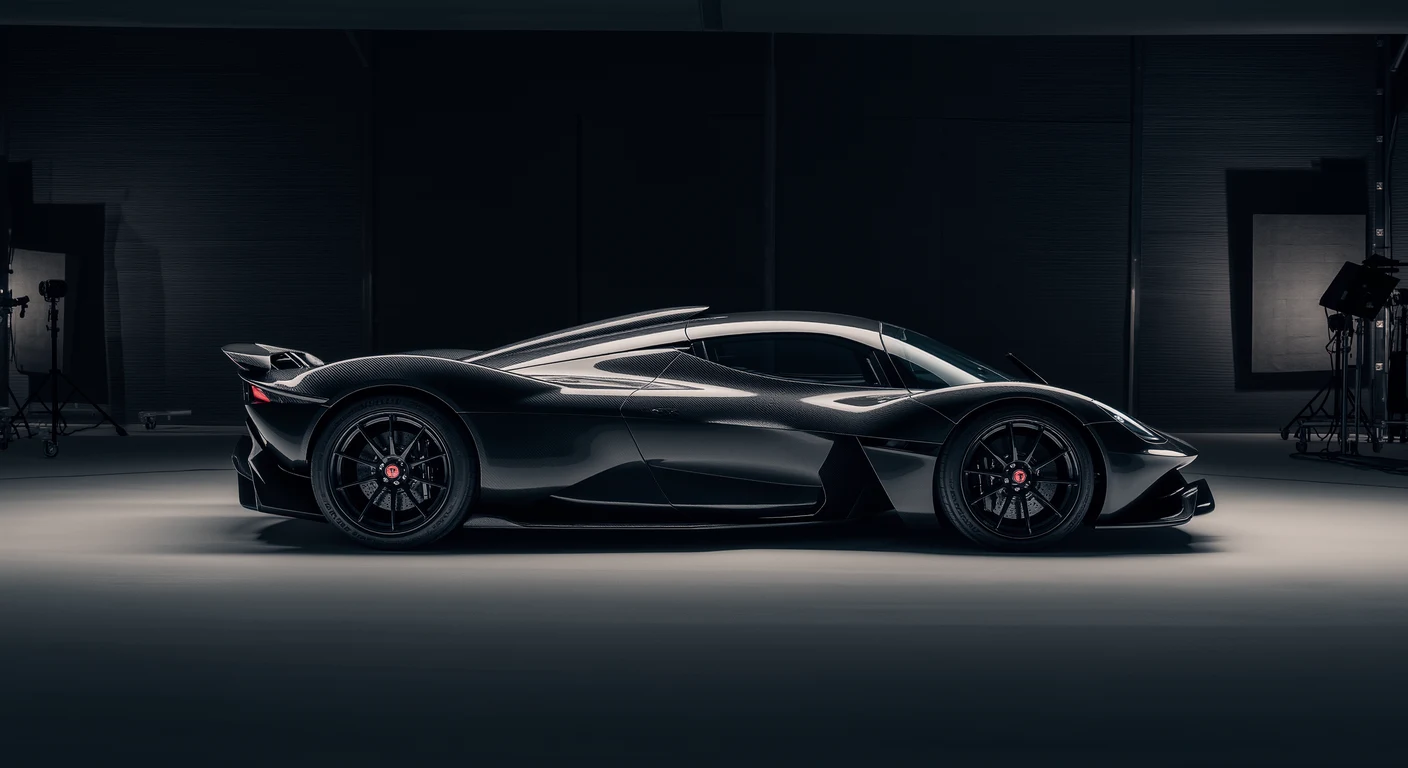
Hypercars as an Investment: Value, Risk and Running Costs
What auction results show about hypercar values, why prices for one model differ so widely, what ownership costs and the risks. Not investment advice.
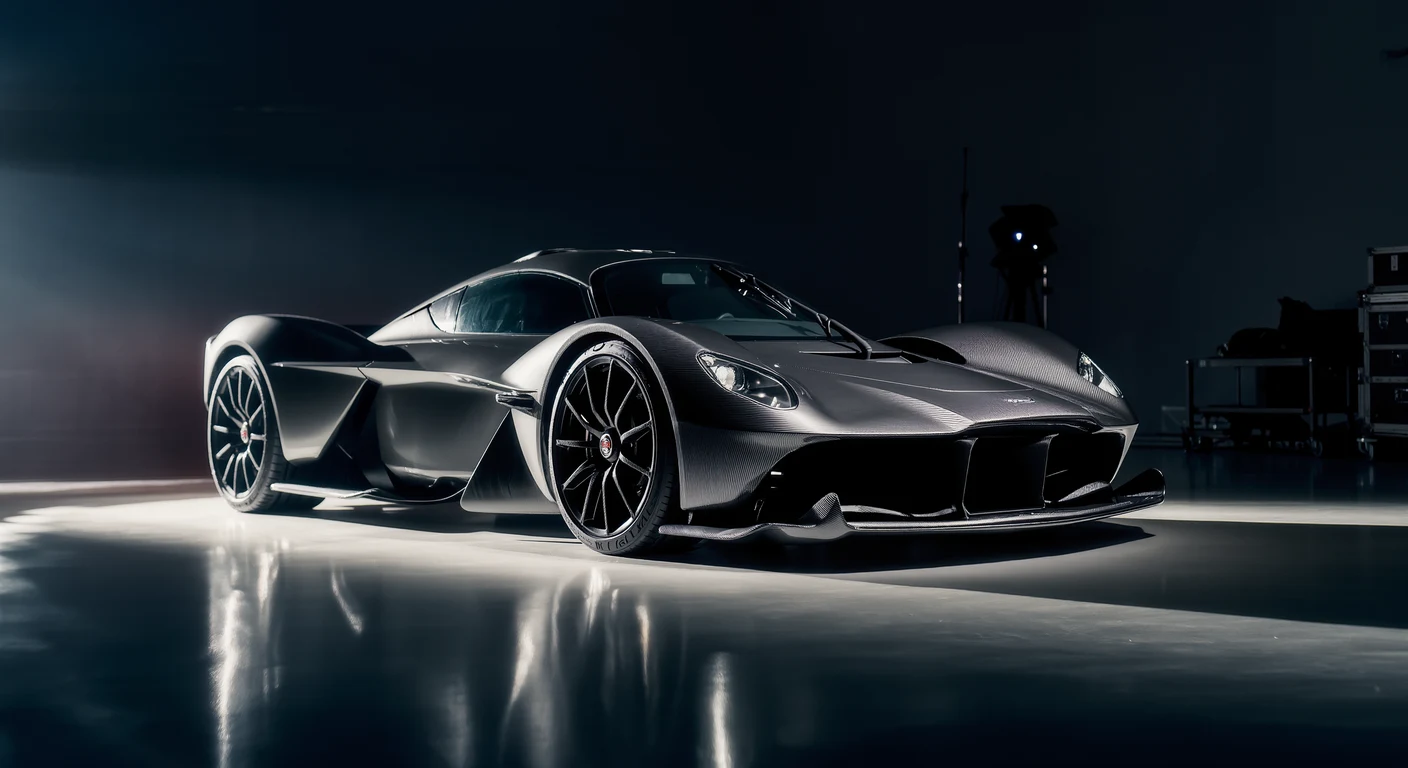
Driving a Hypercar in a Simulator: Sims, Rigs, Centres
How to drive a hypercar in a simulator: which sims carry hypercars, from Le Mans Ultimate to iRacing, what hardware matters and where to try one.
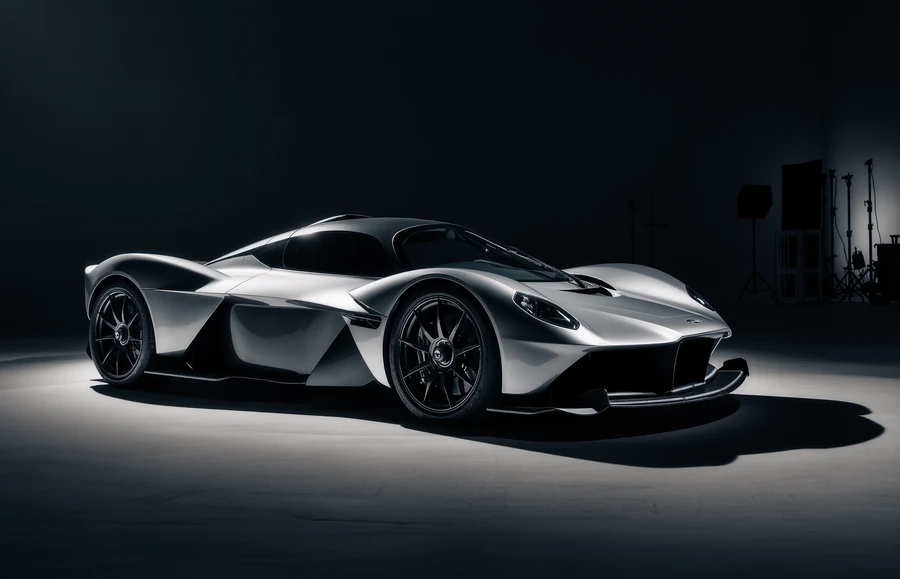
Hybrid Hypercars: P1, 918, LaFerrari and AMG One
How hybrid hypercars work and the cars that defined them: McLaren P1, Porsche 918, LaFerrari, AMG ONE, Valkyrie and Regera, with makers’ figures…