Downforce against drag: reading the track before you decide
Downforce against drag: how to read a circuit before deciding the wing, why the answer changes with the field and the arithmetic behind the trade.
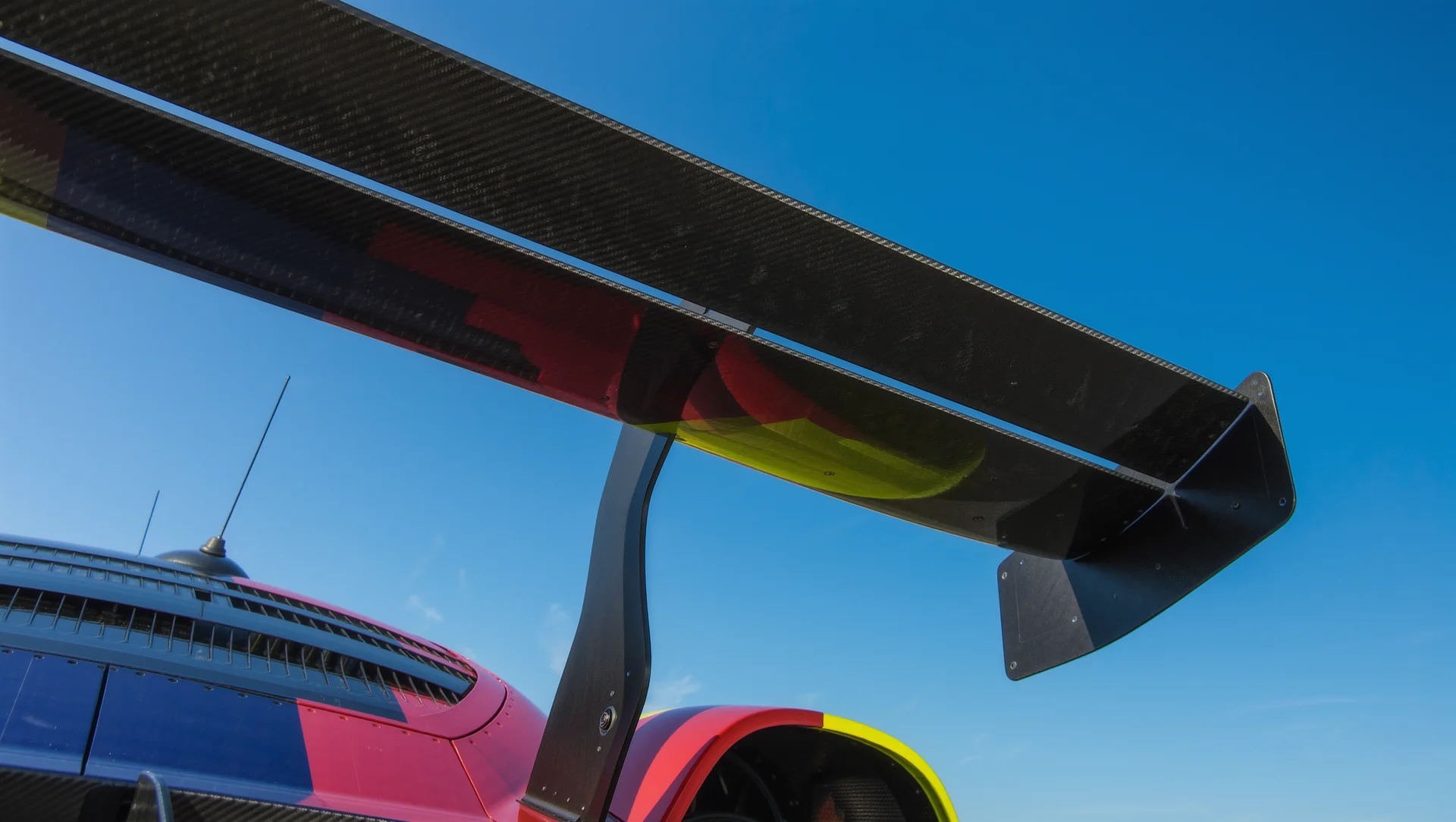
Wing angle is the only setup adjustment where the right answer is written on the circuit map rather than in the car. Count the seconds spent at full throttle against the seconds spent cornering, and the decision follows before you have driven a lap.
What the wing actually does
The guide states both directions plainly. Raising the rear wing, shown as an increase in degrees of angle of attack, will add grip and shift the balance toward understeer, and the compromise is that drag increases and straight line speeds will be lower. Lowering it reduces the rear grip level while reducing drag.
The rear wing is also described as tending to be much larger than the front wing and having a major effect on the car's overall performance, which is why it is the adjustment that moves lap time most on a fast circuit and the one that moves balance most on a slow one.
The important consequence is that a wing change is two changes at once. You have altered how fast the car goes in a straight line and how it behaves in corners, and a driver who tests a wing change by lap time alone cannot tell which half produced the result.
| Change | Effect | Compromise |
|---|---|---|
| Raising the rear wing, more degrees of angle of attack | adds grip, balance toward understeer | drag increases, lower straight line speed |
| Lowering the rear wing | reduces drag | reduces rear grip level |
| High corner count per kilometre | downforce pays | |
| Long straights and few corners | low drag pays | |
| Downforce at half the speed | about a quarter of the force |
Reading the circuit before the car
Count the layout. A circuit like the 5.4 km MADRING has 22 corners, so the proportion of the lap spent cornering is high and downforce pays; a circuit with four corners and two long straights inverts that. The corner count against the lap length is the first number to look at, and it is available before you drive.
Then look at where the overtaking happens. On a circuit where positions change at the end of a long straight, top speed is a defensive weapon as well as an offensive one, and a car with more wing than the field around it will be passed repeatedly regardless of its lap time.
A worked example: 22 corners in 5.4 km is about 4 corners per kilometre, while 4 corners in 5 km is 0.8. Between those two figures sits the difference between 2 degrees more wing and 2 degrees less, and over 40 laps a gain of 0.1 seconds per lap is 4 seconds at the flag.
And check how long the straights actually are. Five km/h of top speed is worth several tenths on a 900 metre straight and almost nothing on a 300 metre one, so two circuits with the same corner count can want different wings.
The arithmetic of the trade
Work it in seconds rather than in feelings. If a lap has 40 seconds of cornering and 50 seconds of straight, then a wing change that gains one per cent in the corners and loses one per cent on the straights costs you: 0.4 seconds gained against 0.5 lost. Reverse the proportions and the same change is worth having.
Then adjust for the field. In a race with slipstreaming, a car with less drag gains twice: it is faster on its own straights and harder to pass on somebody else's. That effect is invisible in practice and decisive in a race, which is why qualifying wing and race wing are often different numbers.
And remember that downforce falls with the square of speed. A wing that provides grip at 250 km/h provides a quarter of it at 125 km/h, so a car set up on aerodynamic grip is a car that behaves very differently in the slow corners than in the fast ones.
Testing a wing change honestly
Measure two numbers, not one. Take the speed at the end of the longest straight and the speed at the apex of the fastest corner, both at the same point on five laps. A wing change that adds 3 km/h at the apex and costs 6 km/h at the end of the straight has a clear answer, and the lap time alone would not have shown you either figure.
And test it with a full fuel load. A car that is aerodynamically balanced at low fuel is often understeering at high fuel, because the extra mass changes the ride height and therefore the aerodynamic platform, which is the part of the trade nobody sees coming.
Sources
Frequently asked questions
How do I decide the wing before driving?
Count corners against lap length and look at where overtaking happens. Both numbers exist before you have driven a lap.
Why do qualifying and race wings differ?
Because a race includes slipstreaming and defending. Less drag gains twice in traffic and not at all on an empty track.
Why does my car understeer only in slow corners?
Downforce falls with the square of speed, so a car set up on aerodynamic grip has far less of it at half the speed.
How should I test a wing change?
By speed at the end of the longest straight and speed at the apex of the fastest corner. The lap time hides which half changed.
More in Setup & Telemetry
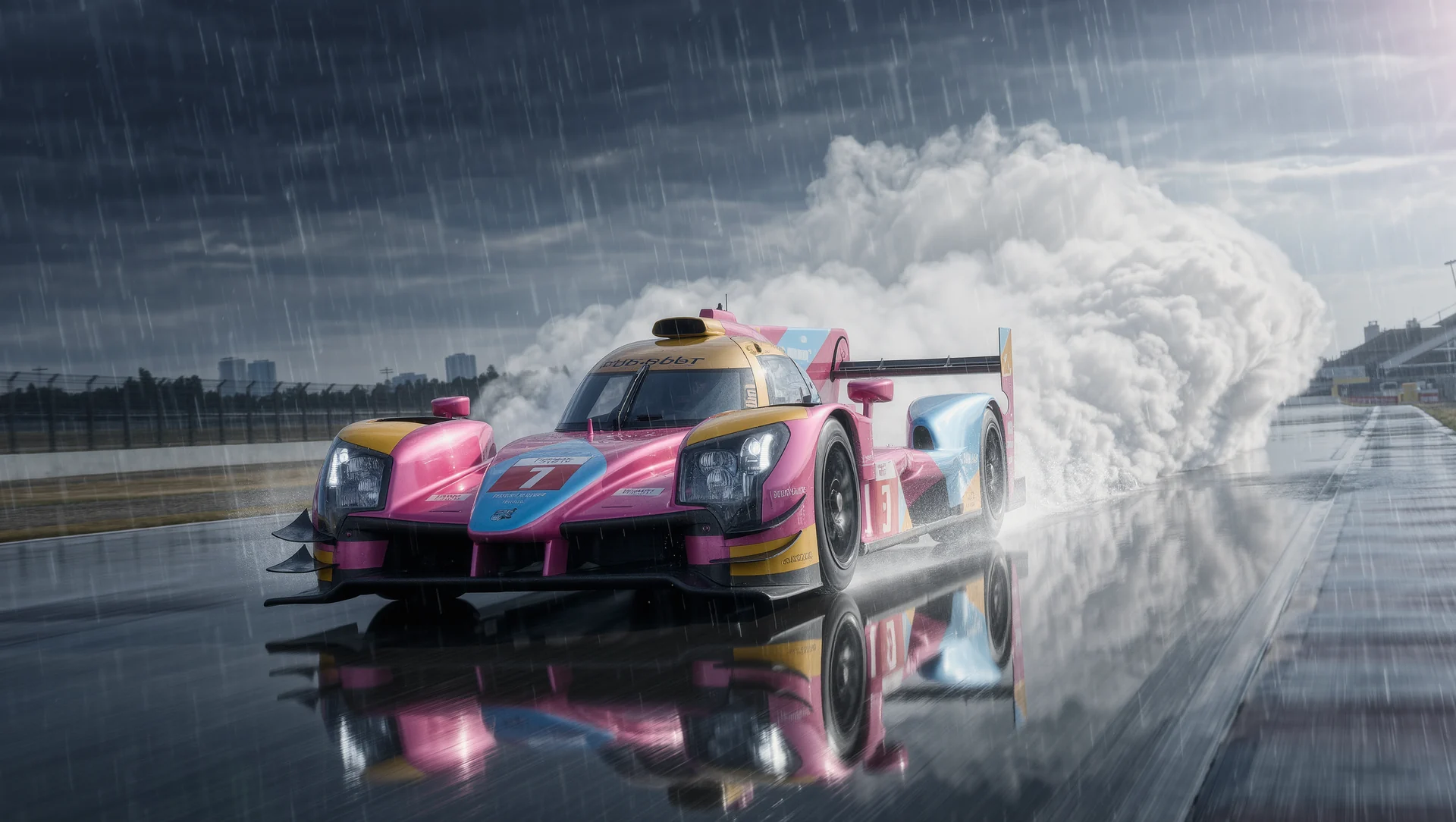
Wet racing: the line moves, and so does the grip
Wet racing: why the line moves, where the grip actually is and the three adjustments that turn a survival exercise into a result.
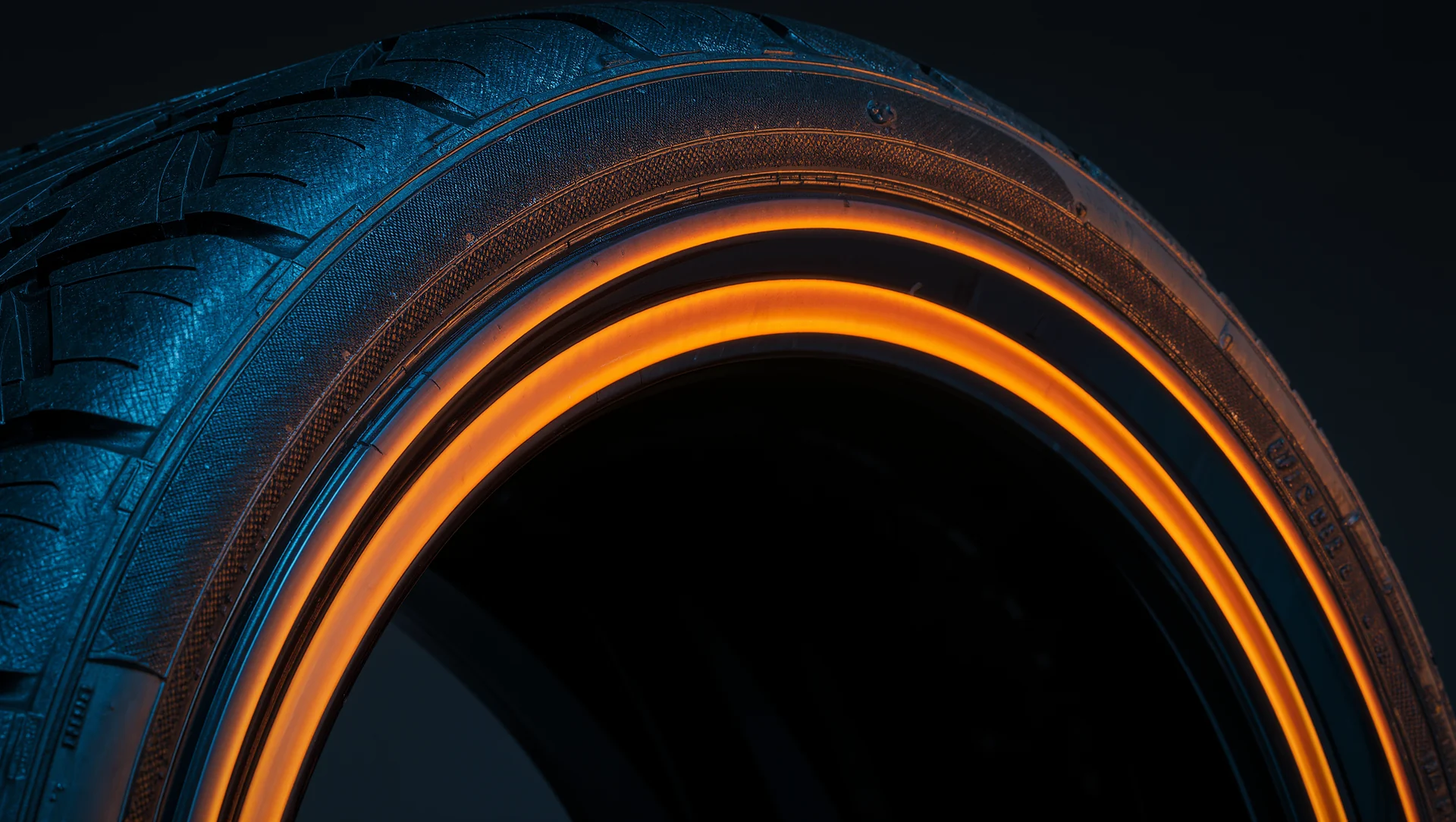
The tyre window: how to get in and stay there
The tyre window: how to get into it, how to stay there and which of the four readings on the screen actually tells you something.
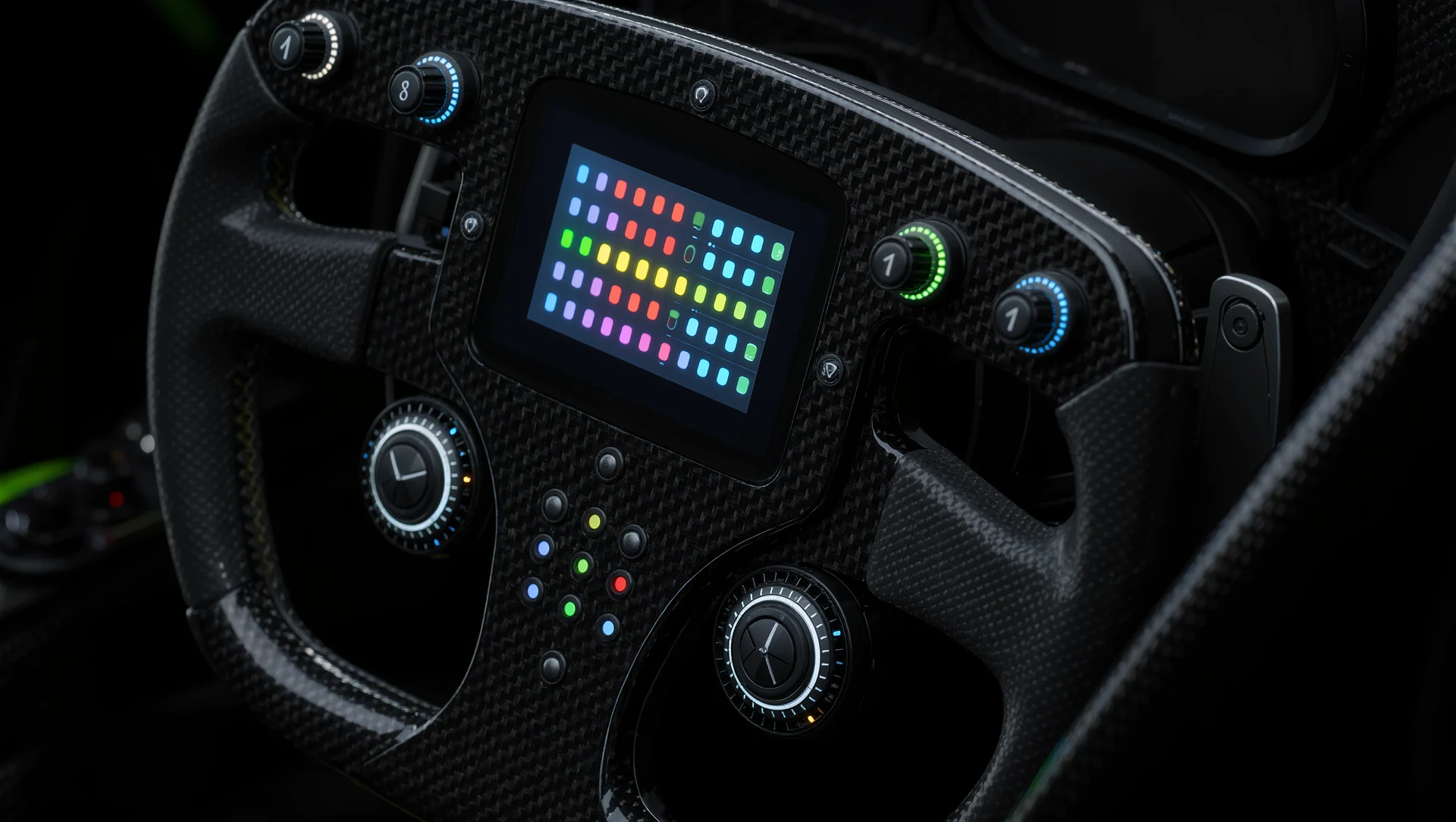
Lift and coast: saving fuel without losing the place
Lift and coast: the arithmetic of saving fuel without losing the position, when it pays and the three ways drivers get it wrong.