Driving a Hypercar in a Simulator: Sims, Rigs, Centres
A simulator cannot reproduce the sustained g-forces of a hypercar, but it can reproduce how one behaves. Here is which sims carry hypercars, what hardware matters and where to try one.
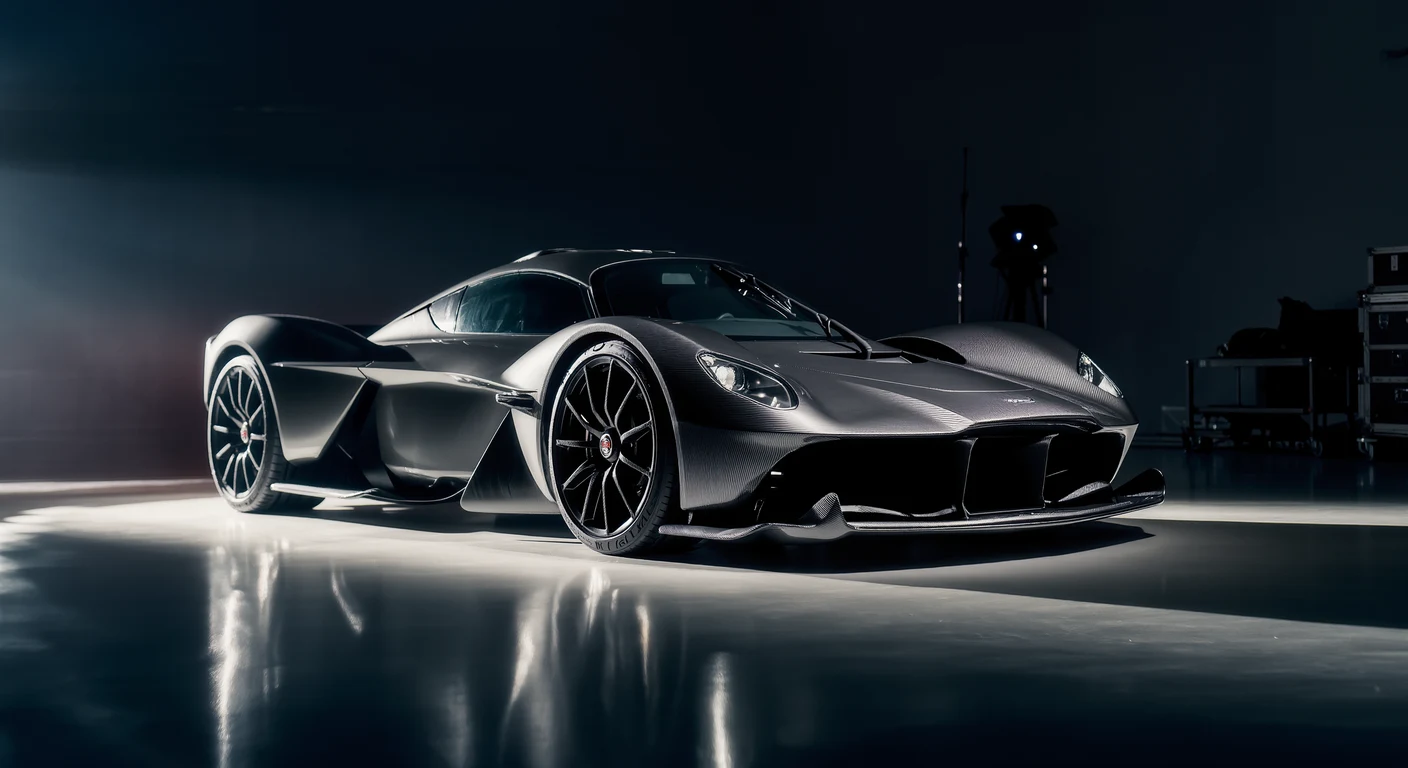
A hypercar costs millions, and few people ever drive one on a track. A good simulator cannot reproduce the sustained g-forces, but it can reproduce how such a car behaves: the braking, the traction limits and the aerodynamic grip in fast corners. This article explains which simulators actually carry hypercars, what hardware makes the difference and where to try one if you have no rig of your own.
A hypercar simulator experience usually means more than a console racing game: a dedicated setup, often professional grade, that combines capable hardware with a simulation built on accurate car models.
Beyond Your Living Room Console
On a good PC, simulations such as Le Mans Ultimate or iRacing already give a convincing picture of a racing prototype. A dedicated hypercar simulator goes a step further. These aren’t typically something you assemble in your spare bedroom without significant investment. We’re talking about motion platforms, professional-grade steering wheels and pedals, and multi-display setups that immerse you completely.
The Core Components
At its heart, a high-end simulator comprises several key elements: powerful PC hardware, specialized software (the simulation itself), high-fidelity input devices (wheel, pedals, shifter), and often, a motion system to replicate movement and G-forces. It is the combination of these components that makes the difference.
Why Bother with a Hypercar Simulator?
There are plenty of reasons why someone might opt for a simulated hypercar experience. It’s not just about bragging rights; there’s a genuine appeal for enthusiasts, aspiring racers, and even those curious about the cutting edge of automotive engineering.
Accessibility and Safety
Hypercars are expensive and very fast. Driving one on a real track requires skill, insurance and an opportunity that rarely comes. A simulator removes these barriers: you can push the limits, make mistakes, sometimes spectacularly, and simply try again. It also opens the experience to many people who will never sit in a real hypercar.
Learning and Skill Development
For drivers interested in motorsport, simulators are useful training tools. Racing drivers use them to learn tracks, practise lines and refine technique, and some of those skills transfer to real driving, as described in simulators in real driver training. You can also try different setups, tyre pressures and driving styles without the cost of real components.
The enjoyment
For many people it is simply enjoyable: the acceleration, the cornering loads you can feel through a motion seat and the sound of the engine. It is a way to experience this level of performance without the risks or the costs.
Where Can You Find These Experiences?
Access varies. You will not find high-end simulators in every town, and dedicated sim racing centres are the usual place to try one.
Dedicated sim racing centres
These facilities house several high-end simulators and usually offer packages from short introductory sessions to longer ones, often with coaching from experienced sim racers. For most people this is the easiest and cheapest way to try a high-fidelity setup. Ask before booking which simulation and which cars are installed: a centre that runs only GT3 content will not put you in a hypercar.
Professional Racing Teams and Automotive Manufacturers
Less accessible to the general public, but some professional racing teams use these simulators for driver training, and occasionally, manufacturers will use them for marketing events or R&D. Getting access to these usually requires connections or attending specific events.
Home Setups (for the Dedicated and Wealthy)
If you have the space, the technical know-how, and a significant budget, building your own high-end simulator is possible. This involves purchasing a powerful gaming PC, a high-quality steering wheel and pedal set (often direct-drive for maximum force feedback), a motion platform (which can range from simple seat shakers to full cockpit movers), and multiple monitors or a VR headset. This path offers the most flexibility, but the initial investment is substantial; what sim racing costs breaks it down by budget.
What to Look For in a Quality Experience
Not all simulators are created equal. If you’re paying for an experience, you want to ensure it delivers.
Hardware Matters: Wheels, Pedals, and Motion
- Force Feedback Steering Wheels: This is critical. A good wheel will accurately communicate what the car is doing, tire grip, road texture, understeer, oversteer. Direct-drive wheels offer the highest fidelity.
- Load Cell Pedals: These measure pressure, not travel, mimicking real brake pedals. This allows for much more precise braking control.
- Motion Platforms: These systems move the cockpit (or just the seat) to simulate acceleration, braking, cornering, and road imperfections. They add a massive layer of immersion and realism. More degrees of freedom (DOF) allow more kinds of movement, but the quality of the motion cueing matters as much as the number; see motion platforms explained.
Software is Key: The Simulation Itself
The underlying simulation software is just as important as the hardware. Look for experiences that use highly regarded titles known for their realistic physics engines.
- Simulations with hypercars: Le Mans Ultimate, the official game of the FIA World Endurance Championship and the 24 Hours of Le Mans, includes the licensed manufacturer Hypercars of the 2023 season; see where Le Mans Ultimate stands now. iRacing carries the GTP class with the Acura ARX-06, Cadillac V-Series.R and Porsche 963, plus prototypes such as the Ferrari 499P, BMW M Hybrid V8 and Aston Martin Valkyrie AMR-LMH. Assetto Corsa Competizione is a GT3 and GT4 simulation and has no hypercars. Road-going hypercars appear in several other titles, often as paid content, so check the car list first.
- Hypercar Content: Ensure the simulator has official or highly accurate unofficial models of the hypercars you’re interested in. The details matter, from engine mapping to aerodynamic characteristics.
Immersion: Displays and Audio
- Triple Monitors or VR: A wide field of view is crucial for situational awareness and immersion. Triple monitors provide a realistic wraparound view, while VR headsets place you inside the virtual cockpit; VR or triples compares the two.
- High-Quality Audio: The sound of a hypercar engine, tire squeals, and wind noise all contribute significantly to the experience. Good headphones or a dedicated sound system make a clear difference.
Track Selection and Customization
A good experience offers tracks on which hypercars actually race, such as the Circuit de la Sarthe at Le Mans. The ability to customize car setups (within reason for a novice) can also add to the depth of the experience.
Optimizing Your Virtual Drive
Once you’re in the simulator, there are a few things you can do to make the most of your time.
Get Comfortable and Calibrated
Before you even start, take a moment to adjust the seat, steering wheel, and pedal positions. You should be able to reach everything comfortably. Ask the attendant (if applicable) to help calibrate the force feedback and pedal sensitivity to your liking. A common mistake is having force feedback too high, making the wheel feel unnatural and tiring.
Start Slow, Learn the Car
Don’t jump straight into hot laps at maximum attack. Hypercars are incredibly powerful and require a delicate touch. Start by making slow laps, focusing on understanding the car’s braking points, turn-in characteristics, and how it reacts to throttle inputs. Gradually increase your speed as you gain confidence.
Focus on Smoothness Over Speed
In motorsports, smoothness often equals speed. Abrupt steering inputs, heavy braking, or sudden throttle application will upset the car. Try to be deliberate and gentle with your inputs. Think about connecting the corners rather than just attacking each one individually.
Use the Visual Cues
Look further down the track than just the car in front of you. Anticipate corners, braking zones, and apexes. Peripheral vision is key, especially with a triple-screen or VR setup. Your eyes should be active, constantly scanning and planning.
Don’t Be Afraid to Ask for Help
If you’re at a dedicated center, there’s usually staff on hand who are experienced sim racers. Don’t hesitate to ask for tips on driving technique, setting adjustments, or track specifics. They can often provide insights that will dramatically improve your experience.
Experiment with Driving Lines
There isn’t always one “perfect” line. As you gain familiarity, try different approaches to corners. Sometimes a slightly wider entry or an earlier apex can unlock more speed. Pay attention to how the car feels and responds.
Manage Tire Temperature
While you might not feel it directly, many advanced simulators model tire wear and temperature. Overdriving the tires will lead to less grip and slower lap times. Try to maintain a consistent pace and avoid excessive sliding.
A hypercar simulator lets you see what this level of performance demands, work on your driving or simply enjoy the speed in a safe setting, and it is within reach of more people than a real hypercar will ever be.
Downforce, dirty air and a track that changes
Two things catch out drivers new to hypercars and prototypes in a simulator: how much of the grip comes from the air, and how much the track changes during a session.
Grip that depends on speed
A car with large wings and a shaped underfloor produces more grip the faster it goes. Fast corners therefore feel easier than expected and slow ones harder: at low speed much of the aerodynamic load has gone, and the throttle has to be fed in gently on the exit. Under braking the same effect works in reverse, so the pressure that suits the start of a stop is too much at the end of it. Our guide to downforce against drag explains the trade.
Following another car
Running close behind another car in a fast corner reduces the downforce on your own car, usually at the front first, and the car starts to understeer. Hang back slightly through the fast sections, close up on the straight where the tow helps rather than hurts, and make the move under braking.
A track that evolves
In simulators that model a changing surface, rubber builds up on the racing line during a session, so grip on the line improves while grip off it does not. After rain the line dries first and leaves damp patches beside it. Cooler air and track temperatures slow the tyres coming up to temperature and change how the brakes behave. Keep watching the tyre temperatures rather than relying on the first laps of the session; the guides to the tyre window and wet racing cover both in more detail.
FAQs
What is a hypercar simulator?
A hypercar simulator is a type of simulation software or hardware that allows users to experience driving high-performance hypercars in a virtual environment. It aims to replicate the sensation of driving a hypercar as realistically as possible.How does a hypercar simulator work?
Hypercar simulators typically use advanced software and hardware to create a realistic driving experience. This can include high-fidelity graphics, force feedback steering wheels, pedals, and virtual reality headsets to immerse the user in the simulation.What are the benefits of using a hypercar simulator?
Using a hypercar simulator allows users to experience driving hypercars without the associated risks and costs. It can also be used for training and skill development, as well as for entertainment and leisure purposes.Are hypercar simulators used for professional training?
Yes, hypercar simulators are used for professional training in some cases. They can be used to train race car drivers, test new vehicle designs, and simulate various driving conditions and scenarios.What are some popular hypercar simulators on the market?
Le Mans Ultimate includes the manufacturer Hypercars of the 2023 FIA World Endurance Championship season, and iRacing carries GTP prototypes such as the Acura ARX-06, Cadillac V-Series.R and Porsche 963. Assetto Corsa Competizione has no hypercars; it covers GT3 and GT4.Sources
More from Hypercars
Hypercars as an Investment: Value, Risk and Running Costs
What auction results show about hypercar values, why prices for one model differ so widely, what ownership costs and the risks. Not investment advice.
Hypercar Brands: Bugatti, Koenigsegg, Pagani and More
The main hypercar brands and models, from Bugatti and Koenigsegg to McLaren, Ferrari, Rimac and Pagani, with makers’ figures and where to drive…
Hybrid Hypercars: P1, 918, LaFerrari and AMG One
How hybrid hypercars work and the cars that defined them: McLaren P1, Porsche 918, LaFerrari, AMG ONE, Valkyrie and Regera, with makers’ figures…