Mastering the Art of Cornering: Techniques for Success
Cornering isn’t just about turning the wheel; it’s a precise dance between driver, car, and road. Mastering it means smoother, safer, and often, quicker driving. Forget…
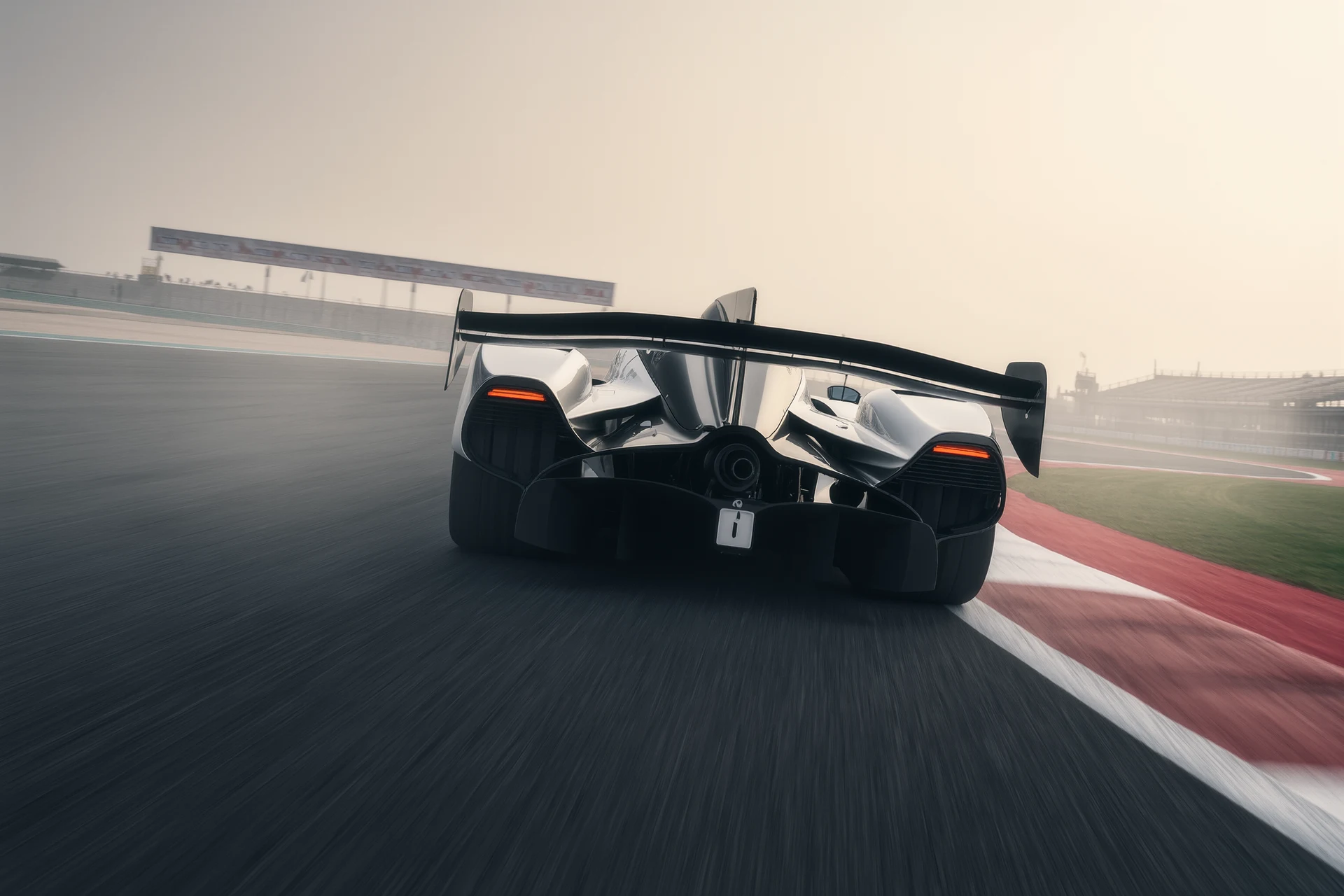
Cornering isn’t just about turning the wheel; it’s a precise dance between driver, car, and road. Mastering it means smoother, safer, and often, quicker driving. Forget about wrestling the car around a bend. We’re talking about a controlled, graceful maneuver that prioritizes stability and grip. It’s less about raw speed and more about maintaining momentum and vehicle control, and it applies whether you’re navigating a winding mountain pass or just making a sharper-than-usual turn into a parking spot.
Before we dive into specific techniques, let’s understand the core principles at play. Every turn involves a delicate balance of forces, and knowing what those forces are and how they interact will lay the groundwork for better cornering.
The Grip Triangle: Adhesion and Traction
Think of your tires as having a limited amount of “grip”, a finite resource that can be used for accelerating, braking, or turning. If you try to do too much of any one, or a combination of them, you’ll exceed that limit, and the tires will lose traction. This is often visualized as a “grip triangle” or “traction circle.”
- Longitudinal Grip: This is the grip used for accelerating and braking in a straight line.
- Lateral Grip: This is the grip used for turning or maintaining a sideways force.
- Combined Grip: When you’re cornering, you’re using both longitudinal and lateral grip simultaneously. The key is to manage this combined demand so you don’t overtax the tires. Your goal is to keep the total demand for grip within the circle, not beyond it.
Weight Transfer: Your Invisible Passenger
Every time you accelerate, brake, or turn, the weight of your car shifts. This isn’t just a slight internal jostle; it significantly impacts how much grip each tire has.
- Braking: Weight shifts forward, increasing grip on the front tires but reducing it on the rear.
- Accelerating: Weight shifts backward, increasing grip on the rear tires but reducing it on the front.
- Turning: Weight shifts to the outside tires, increasing their grip but reducing it on the inside tires.
Understanding and anticipating these weight transfers allows you to use them to your advantage, maximizing grip where you need it most. For instance, a slight trail brake into a corner can keep weight on the front tires, improving steering response.
Vision: Looking Where You Want to Go
This might sound obvious, but it’s astonishing how many drivers focus on the immediate patch of road in front of them instead of farther ahead. Your eyes are your primary input system, and where you look dictates where the car goes.
- Far Ahead Vision: This allows you to plan your line, anticipate hazards, and understand the corner’s radius and exit well in advance.
- Peripheral Vision: This keeps you aware of your immediate surroundings, like road edges or obstacles.
- Looking Through the Corner: As you enter a corner, your eyes should be scanning towards the exit. This “target fixation” helps your hands and the car follow the intended path naturally.
The Art of the Cornering Line
The “line” you take through a corner is not just a suggestion; it’s a scientifically optimized path that minimizes steering input, maximizes safety, and, when appropriate, speed. It’s about making the corner as “straight” as possible.
The Basic Cornering Arc: Apex and Entry/Exit
Most corners can be simplified into a basic arc with three key points:
- Entry Point (Wide): You typically start a corner from the outside of the road for a gradual entry. This maximizes your sightline into the corner.
- Apex (Inside): This is the innermost point of the turn, closest to the curb or inside edge of the lane. It’s the tightest part of the arc.
- Exit Point (Wide): You finish the corner by drifting back towards the outside of the road, unwinding the steering gradually.
Types of Apexes: Early, Mid, and Late
Not all corners are created equal, and neither are their ideal apexes. Understanding the different types is crucial for adapting your line.
- Geometric (Middle) Apex: This is the natural, mathematical middle of the turn. It’s often used for consistent, predictable driving, especially in a road context where you need to maintain a safety margin. You’ll brake before the corner, turn in, hit the apex, and then accelerate out.
- Early Apex: You hit the inside curb earlier in the corner. This approach can be useful for reducing speed quickly or setting up for another immediate turn in the opposite direction. However, it often leads to a compromised exit, forcing you to tighten your steering input more at the end of the corner or run wide, which can be risky. Generally avoided for safety and smooth driving.
- Late Apex: This is typically the most effective and safest line for most corners, especially on the road. You delay turning in, aiming to hit the apex closer to the corner’s exit. This effectively “unwinds” the corner, making it feel straighter and allowing you to apply power sooner and more aggressively on the exit. It also gives you a better view of the corner’s exit, enhancing safety. This is the cornerstone of advanced cornering.
Advanced Techniques for Smooth Cornering
Once you understand the basics, you can start layering on more sophisticated techniques that refine your control and efficiency.
Trail Braking: Extending Your Braking Zone
Trail braking involves carrying a small amount of brake pressure into the beginning of the corner, gradually releasing it as you turn in and approach the apex.
- Weight Transfer Management: It keeps weight on the front tires, improving steering response and front-end grip. This helps the car “turn in” more effectively.
- Stability Control: It helps stabilize the car during the initial phase of the turn.
- Adjustability: It allows for minor adjustments to your speed and line mid-corner.
It’s a subtle technique that requires practice. Too much brake, and you’ll understeer; too little, and you lose its benefits. The goal is a smooth, progressive release of the pedal as you increase your steering input.
Throttle Modulation: Controlling Grip and Balance
Your right foot isn’t just for making the car go faster; it’s a crucial tool for balancing the car through a corner.
- Steady Throttle: Once you’ve released the brakes and are past the initial turn-in, maintaining a steady, light throttle can keep the car balanced and prevent sudden weight shifts.
- Progressive Acceleration Out: As you unwind the steering and aim for the exit, progressively apply the throttle. This transfers weight to the rear tires, enhancing their grip and helping propel the car smoothly out of the corner. Avoid sudden, aggressive throttle inputs, which can induce oversteer or understeer.
- Lift-Off Oversteer (Avoid if Unintended): Suddenly lifting off the throttle mid-corner can cause weight to sharply transfer to the front, lightening the rear and potentially causing it to break traction and slide (oversteer). While controlled lift-off oversteer is a technique in motorsport, it’s generally something to avoid on the road unless you’re intentionally correcting a slide.
Steering Input: Smoothness is Key
Jerky, aggressive steering inputs disrupt the car’s balance and reduce grip. Smoothness is paramount.
- Small, Progressive Inputs: Instead of large, sudden steering, aim for small, controlled movements.
- Hand Positions: Maintain a “ten and two” (or “nine and three”) hand position, allowing for maximum steering range without having to shuffle your hands on the wheel.
- Looking Where You Want to Go: Remember, your eyes guide your hands. Look through the corner, and your hands will naturally follow the intended path.
Adapting to Different Corner Types and Conditions
Not every corner is a classic smooth arc, and road conditions aren’t always ideal. Mastering cornering means being adaptable.
Hairpins and Tight Turns
These require a very late apex, significant braking, and often, more than one steering input.
- Maximize Entry Space: Use the full width of the road leading into the turn (if safe and legal) to open up the radius.
- Aggressive Braking: Brake hard and early, then trail brake deep into the corner.
- Late Turn-In, Late Apex: This is crucial. You’ll often feel like you’re driving almost straight past the initial part of the corner before turning in sharply.
- Unwind and Accelerate: As soon as you can see a clear path out, progressively unwind the steering and apply throttle.
Esses (S-Curves) and Chicanes
These are sequences of two or more turns in quick succession. The key is to treat them as one maneuver.
- Compromise Line: You often can’t optimize the line for each individual corner. You might need to sacrifice a perfect line in the first part to set up well for the second.
- Vision Through the Sequence: Look as far ahead as possible, eyeing the exit of the entire sequence, not just the first turn.
- Smooth Transitions: Maintain a steady, controlled pace and smooth steering inputs as you transition from one turn to the next. Avoid abrupt changes in throttle or braking.
Blind Corners and Uphill/Downhill Turns
These add layers of complexity and require extra caution.
- Blind Corners: Approach with extreme caution. Assume the worst. Stay wide on entry to maximize your sightline as far into the corner as possible. Only commit to your turn-in and acceleration once you can clearly see the exit.
- Uphill Turns: Gravity helps with braking but makes acceleration out of the corner harder. You might need to carry more speed through the corner and apply throttle earlier to maintain momentum. Weight tends to shift to the rear, which can help traction under acceleration.
- Downhill Turns: Gravity makes braking harder. You’ll need to brake earlier and potentially softer to avoid locking up. Weight shifts to the front, which can enhance turn-in, but also risk oversteer if the rear lightens too much. Be very gentle with the throttle application on exit, as it’s easier to spin the tires.
Common Mistakes to Avoid
Even experienced drivers can fall into these traps. Awareness is the first step to correction.
Braking Too Late or Too Little
This is a classic. You carry too much speed into the corner, forcing you to brake aggressively in the corner, upsetting the car’s balance, and reducing available grip for turning.
- The Fix: Brake earlier and more progressively before the corner. Remember, slow in, fast out.
Turning In Too Early
Hitting an early apex compromises your exit. You’ll have to either tighten your steering dramatically mid-corner or run wide, potentially crossing into another lane or off the road.
- The Fix: Practice the late apex. Resist the urge to turn in too soon. Wait until you can see the corner’s exit before initiating your main steering input.
Choppy Steering and Throttle Inputs
Sudden movements disrupt weight transfer and unsettle the car, leading to loss of grip and control.
- The Fix: Focus on smooth, gradual inputs for both steering and the pedals. Imagine you have an egg under your foot and your hands are holding a delicate glass.
Target Fixation on Obstacles
If you stare at what you don’t want to hit (the curb, the tree, the oncoming car), your hands will steer toward it.
- The Fix: Force yourself to look where you want to go. If you start to skid, look at the escape path, not the obstacle you’re trying to avoid. Your hands will naturally follow your eyes.
Mastering cornering is an ongoing process. It’s about being observant, practicing deliberately, and constantly refining your technique. It’s not just for performance driving; it makes everyday driving safer, smoother, and far more enjoyable. So, the next time you approach a bend, think about these principles. Plan your line, manage your speed, and let your eyes guide you through it with grace and control.
FAQs
What is cornering technique?
Cornering technique refers to the skills and methods used by cyclists, motorcyclists, and drivers to navigate corners safely and efficiently. It involves proper body positioning, speed management, and use of the vehicle’s controls to maintain control and stability while turning.Why is cornering technique important?
Cornering technique is important because it allows riders and drivers to navigate corners safely and effectively, reducing the risk of accidents and improving overall performance. Proper cornering technique also helps to maintain control of the vehicle and minimize wear and tear on tires and other components.What are some key elements of cornering technique?
Key elements of cornering technique include proper body positioning, looking ahead to anticipate the corner, smooth and gradual braking, maintaining an appropriate speed, and using the vehicle’s controls (such as steering and throttle) to maintain stability and control throughout the turn.How can I improve my cornering technique?
Improving cornering technique involves practice, proper training, and understanding the dynamics of your specific vehicle. It’s important to practice in a safe and controlled environment, such as a closed course or empty parking lot, and to seek guidance from experienced instructors or coaches.Are there different cornering techniques for different vehicles?
Yes, cornering techniques can vary depending on the type of vehicle being used. For example, motorcycles may require different body positioning and throttle control compared to cars. It’s important to learn and practice cornering techniques specific to the type of vehicle you are using.More from Training & Performance
Mastering the Apex Technique: A Guide to Peak Performance
So, you’re looking to hit your peak, whether that’s in your craft, your sport, or your daily life. The “apex technique” isn’t …

Mastering Throttle Control: The Key to Smooth Riding
Ever felt like your motorcycle lurches forward or sputters when you twist the throttle? That jerky, disconnected feeling is super common, especially w…

Mastering the Art of Braking: Techniques for Safe and Efficient Stops
So, you want to know how to brake better? It sounds simple, right? Just squeeze the levers. But good braking is more than just stopping. It’s ab…