Mastering Trail Braking for Improved Cornering
Trail braking is essentially overlapping your braking with your turn-in, gradually releasing the brake pressure as you enter and progress through the corner. It’s a technique…
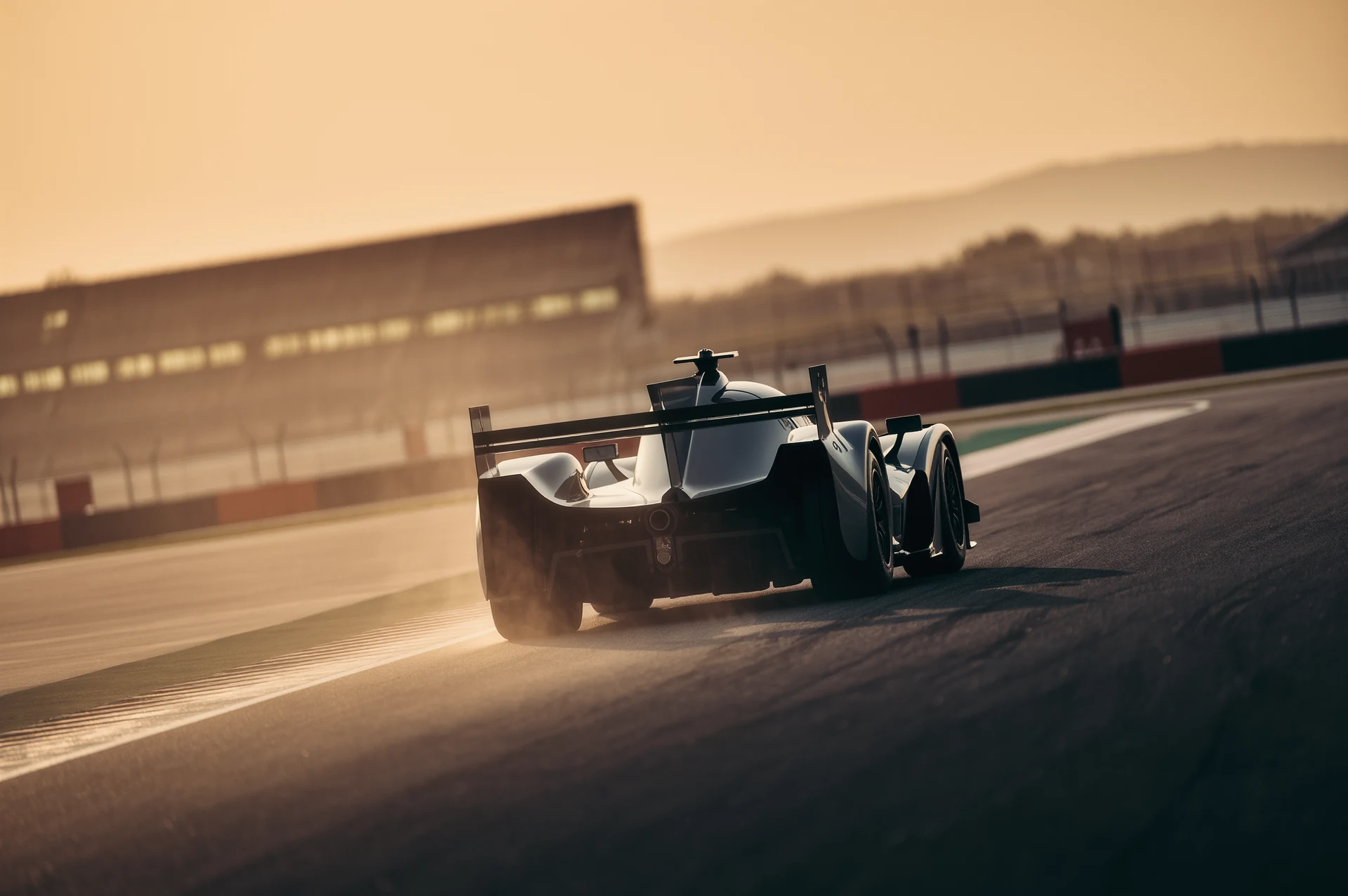
Trail braking is essentially overlapping your braking with your turn-in, gradually releasing the brake pressure as you enter and progress through the corner. It’s a technique that allows you to carry more speed into a corner, maintain better control, and even adjust your line mid-corner. Think of it as a subtle dance between slowing down and turning, rather than two separate, distinct actions. It helps keep the front tires loaded, which means more grip and a more responsive steering feel.
Trail braking isn’t just for racers looking for every tenth of a second; it’s a valuable skill for any rider or driver who wants to feel more confident and in control when navigating turns.
Enhanced Front End Grip
When you brake, weight shifts forward. By maintaining a little brake pressure into the corner, you keep more weight on the front tire. This increased load means more grip, giving you a better feel for what the front end is doing and how much more you can push it.
Mid-Corner Adjustments
Ever misjudge a corner entry or find yourself running wide? Trail braking gives you a “get out of jail free” card. Because your front end is already loaded and responsive, a slight increase or decrease in brake pressure or steering input can subtly tighten or widen your line.
Smoother Transitions
Instead of a sudden “brake, then turn” maneuver, trail braking creates a more fluid transition from braking to turning to accelerating. This smoother flow can feel more natural and less abrupt, especially in a series of corners.
Higher Corner Entry Speed
This isn’t about throwing caution to the wind. It’s about optimizing your speed. By subtly extending your braking into the turn, you can trim off just enough speed to make the corner, without dumping too much speed too early.
Understanding the Physics
Before we dive into the “how-to,” let’s briefly touch on the underlying physics. You don’t need a degree in engineering, but a basic understanding helps.
Weight Transfer is Your Friend
Vehicle dynamics are heavily influenced by weight transfer. When you accelerate, weight shifts to the rear; when you brake, it shifts to the front. Trail braking uses this frontward weight transfer to your advantage, keeping the front tires pressed firmly into the road. This is crucial because steering and most of your braking power come from the front.
The Tire’s Grip Circle (or Friction Circle)
Imagine a circle. This circle represents the total amount of grip your tire has available. Accelerating, braking, and turning all use up a portion of that grip. The key is never to exceed the edges of that circle. Trail braking involves skillfully using a portion of the grip for braking while simultaneously using another portion for turning. It’s about managing that available grip, not exceeding it. Too much braking or too much turning (or too much of both simultaneously) will put you outside the circle, resulting in a loss of traction.
The Art of the Release
The most crucial aspect of trail braking isn’t the initial application, but the gradual, precise release of brake pressure.
Smoothness is Key
Think of it like easing off the throttle. It shouldn’t be an “on/off” switch. As you lean into the corner (on a motorcycle) or turn the steering wheel (in a car), you’re progressively reducing brake pressure. This maintains a balance of grip between braking and turning.
Feeling the Grip
This is where practice comes in. You need to develop a feel for how much brake pressure you can maintain without overwhelming the front tire. Your hands and feet become your sensors, relaying information back to your brain about the tire’s limits. It’s not about being aggressive; it’s about being sensitive.
The Release Point
There isn’t a single magical point where you entirely let go of the brakes. It’s a continuous, progressive release that ideally culminates in zero brake pressure around the apex of the corner, or slightly after, as you begin to unwind the steering and apply throttle. The speed and method of this release will vary based on the corner, your vehicle, and road conditions.
Practical Steps to Master Trail Braking
Learning trail braking takes practice, patience, and a willingness to experiment. Don’t expect to nail it perfectly on your first try. Start slow and gradually build up your confidence.
Breaking Down the Corner
Think of every corner in distinct phases: Approach, Braking, Turn-in, Mid-corner (Apex), and Exit. Trail braking primarily focuses on the transition from the Braking phase through the Turn-in and into the Mid-corner.
Phase 1: The Initial Brake Application
- Firm and Deliberate: As you approach the corner, apply the brakes firmly, but smoothly. This is your initial heavy braking phase to scrub off the majority of your speed.
- Eyes Up: Always look through the corner, not just at your front wheel. Your vision dictates your line.
- Body Position (Motorcycle): Get into your ready position, shifting your weight slightly forward.
Phase 2: Transition to Turn-In
- Off the Straight Line: As you get closer to your turn-in point, begin to release some of that heavy brake pressure. You’re still braking, but less aggressively.
- Initiate Turn: This is where you begin to lean the bike or turn the steering wheel. This is the overlap. You’re still braking, but you’re also starting to turn.
- Maintain Front End Load: The remaining brake pressure keeps that weight on the front tire, enhancing grip and steering response.
Phase 3: Progressive Brake Release Through the Corner
- Gradual Reduction: As you lean further into the corner (or increase steering angle), you are progressively, smoothly, and continuously releasing the brake lever/pedal. This is the heart of trail braking.
- Feeling the Corner: You’re using the brakes to fine-tune your speed and your line. If you feel like you’re running wide, a touch more brake pressure will tighten your line. If you’re going to hit the apex too early, a slightly faster release might be in order.
- Aim for Apex: The goal is to have minimal to no brake pressure by the time you hit the true apex of the corner, ready to smoothly transition to throttle.
Phase 4: Throttle Application and Exit
- Smooth Transition from Brake to Throttle: As you approach the apex and begin to unwind the steering/stand the bike up, you should be completely off the brakes and smoothly rolling on the throttle. This powers you out of the corner effectively.
- Eyes on the Exit: Look ahead to the exit of the corner and beyond.
Practice Drills
- Cones in a Parking Lot: Set up a simple S-turn or a single corner with cones. Practice trail braking at very low speeds, focusing purely on feeling the brake release.
- Progressive Speed: Once comfortable, gradually increase your speed. The key is consistency and smoothness, not raw speed initially.
- Focus on the Feel: Pay close attention to how the vehicle behaves. Does it feel stable? Does the front end feel planted? Are you able to adjust your line?
Common Mistakes and How to Avoid Them
It’s easy to get trail braking wrong, especially when you’re just starting out. Awareness of these pitfalls can save you a lot of grief.
Grabbing the Front Brake Mid-Corner
This is a big no-no, especially on a motorcycle. A sudden, heavy application of front brake while leaned over drastically reduces grip and can easily lead to a front-end washout. Remember, the release needs to be smooth and progressive. If you find yourself needing a lot more brake mid-corner, you likely entered too fast.
Choppy Brake Release
Releasing the brake abruptly is almost as bad as grabbing it. It unloads the front tire suddenly, which can make the steering feel vague and reduce stability. Think of it as a dimmer switch, not an on/off switch.
Too Much Initial Brake Pressure While Turning
While you want to maintain front-end load, applying too much brake pressure at the same time as too much steering input will exceed the tire’s grip limits. It’s a delicate balance. Start with less brake and less lean/steering angle, then gradually increase both.
Looking Down
Your vehicle tends to go where you look. If you’re staring at the road directly in front of your wheel, you’ll struggle with your line and anticipating the corner. Always look through the corner to your desired exit point. This helps your body and your vehicle naturally follow the correct path.
Not Trusting the Grip
Many riders/drivers are hesitant to apply any brake input while turning because they fear losing traction. Trail braking works precisely because it enhances traction. Start with very light pressure, build confidence, and you’ll realize how much grip is truly available.
Advanced Considerations and Nuances
Once you’re comfortable with the basics, there are further refinements you can explore.
Brake Biasing (Cars)
Some high-performance cars allow you to adjust brake bias (the front-to-rear distribution of braking force). Experimenting with this can fine-tune how the car rotates during trail braking. More front bias can make the car more stable but potentially less willing to turn, while more rear bias can help initiation of rotation but requires more careful modulation to avoid locking the rear.
ABS and Traction Control
Modern rider aids like ABS (Anti-lock Braking System) and advanced traction control systems can be a friend and a foe. They can prevent costly mistakes, but they can also mask what the tires are truly doing.
Working with ABS
ABS can be a safety net. It allows you to brake harder without locking a wheel. However, don’t rely on it to fix poor technique. Even with ABS, a smooth and progressive release is key. If your ABS is kicking in aggressively during your trail braking, it often means you’re asking too much of the tire or your release isn’t smooth enough. It’s a tool, not a crutch.
Traction Control
Traction control primarily manages engine power, preventing wheel spin under acceleration. While not directly linked to trail braking, your transition from trail braking to throttle application should be smooth to avoid triggering TC unnecessarily and interrupting your drive out of the corner.
Different Corner Types
Trail braking isn’t a one-size-fits-all technique.
Hairpins and Tight Corners
These corners often require more sustained brake pressure deeper into the corner. Because the corner radius is so small, you need to scrub off more speed and maintain front-end load for a longer duration to keep the vehicle turning sharply.
Sweepers and High-Speed Curves
In long, flowing corners, trail braking might be very light and subtle, focused more on managing minor speed adjustments and maintaining stability rather than significant speed reduction. The release might be very drawn out.
Wet Conditions
Trail braking in the wet requires even more sensitivity and a gentler touch. The available grip is significantly reduced, so all inputs, braking, steering, and throttle, must be smoother and less aggressive. The principles remain the same, but the limits are much lower. Focus on progressive, minute adjustments.
The Mental Game
Trail braking isn’t just a physical skill; it has a significant mental component.
Building Confidence
The natural instinct is to brake in a straight line. Overcoming that instinct takes trust in your vehicle, your tires, and your own developing skill. Start small, focus on the sensation, and incrementally push your comfort zone.
Focus and Concentration
Trail braking demands your full attention. It’s about being present in the moment and feeling every input the vehicle is giving you. Distraction can lead to errors.
Patience and Persistence
You won’t become a master overnight. There will be mistakes, moments of frustration, and times when it just doesn’t click. That’s normal. Stick with it. Each corner is an opportunity to learn and refine.
Conclusion
Trail braking is a fundamental skill that transforms your cornering. It enables greater control, allows for mid-corner adjustments, and ultimately helps you navigate turns more effectively and safely. It’s not about being reckless; it’s about being precise and maximizing the available grip. By understanding the physics, practicing the smooth release, avoiding common mistakes, and paying attention to the nuances, you’ll gradually unlock a new level of confidence and enjoyment in your riding or driving. It takes time, patience, and a willingness to learn, but the rewards are well worth the effort. Now, go find a safe place and start feeling those tires!
FAQs
What is trail braking?
Trail braking is a technique used in driving, particularly in racing, where the driver continues to brake as they enter a corner, gradually releasing the brakes as they turn in. This allows the driver to carry more speed into the corner and maintain better control of the vehicle.How does trail braking work?
When trail braking, the driver begins braking in a straight line before the corner, then gradually eases off the brakes as they turn into the corner. This helps to transfer weight to the front tires, improving grip and allowing the driver to maintain control and carry more speed through the corner.What are the benefits of trail braking?
Trail braking allows the driver to carry more speed into a corner, which can result in faster lap times. It also helps to maintain better control of the vehicle through the corner, as the weight transfer to the front tires improves grip and stability.What are the potential risks of trail braking?
While trail braking can be an effective technique, it also carries the risk of oversteer or loss of control if not executed properly. It requires a good understanding of the vehicle’s dynamics and the driver’s skill to manage the balance between braking and turning.When should trail braking be used?
Trail braking is typically used in racing or high-performance driving situations, where carrying maximum speed through corners is crucial. It may not be suitable for everyday driving on public roads, as it requires a high level of skill and precision.More from Training & Performance
Mastering the Apex Technique: A Guide to Peak Performance
So, you’re looking to hit your peak, whether that’s in your craft, your sport, or your daily life. The “apex technique” isn’t …

Mastering Throttle Control: The Key to Smooth Riding
Ever felt like your motorcycle lurches forward or sputters when you twist the throttle? That jerky, disconnected feeling is super common, especially w…
Mastering the Art of Braking: Techniques for Safe and Efficient Stops
So, you want to know how to brake better? It sounds simple, right? Just squeeze the levers. But good braking is more than just stopping. It’s ab…