Maximizing Efficiency: The Importance of Tire Management
Let’s talk about tires. They’re a pretty big deal for anyone who drives, whether it’s for work, getting the kids around, or just enjoying the open road. You might…
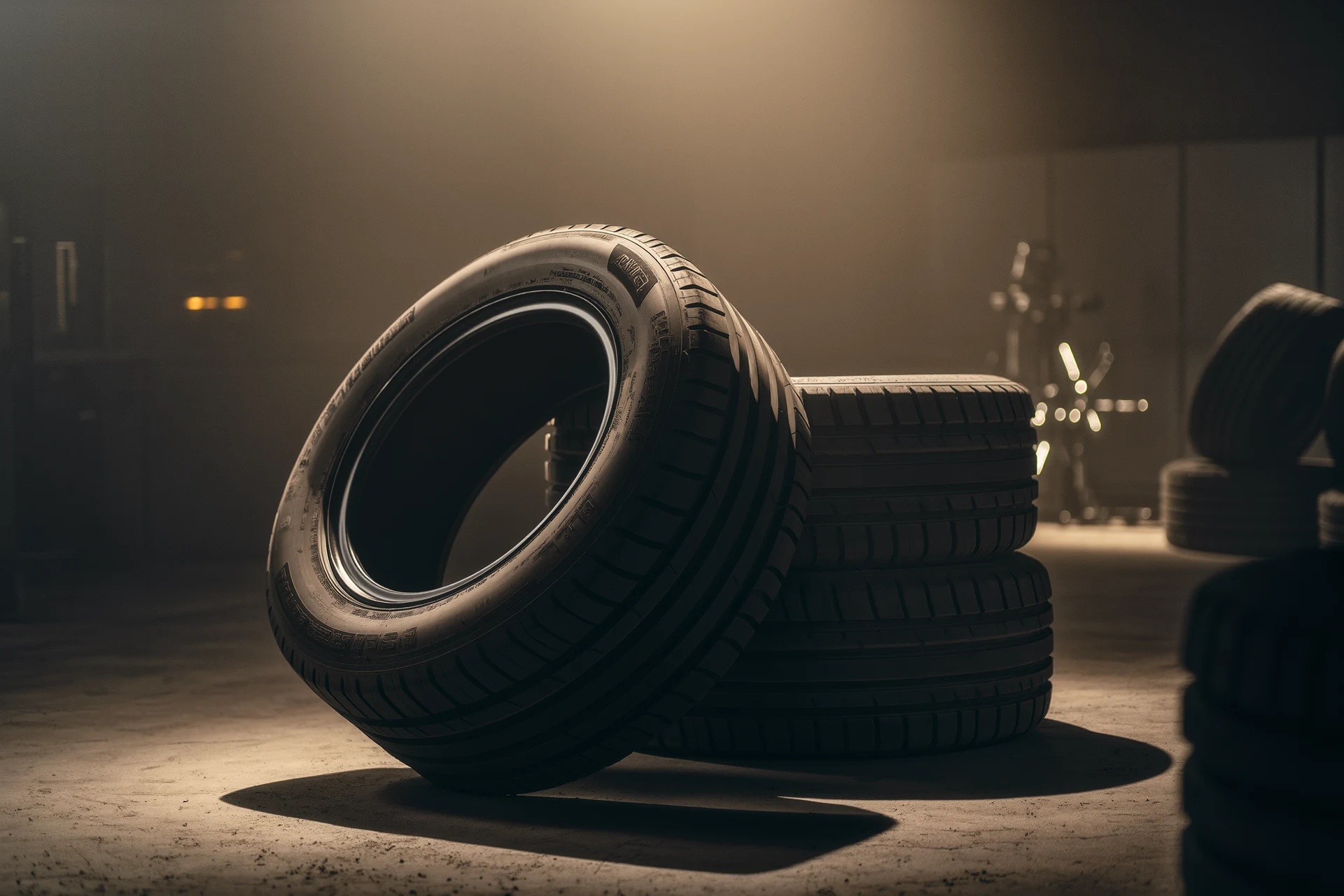
Let’s talk about tires. They’re a pretty big deal for anyone who drives, whether it’s for work, getting the kids around, or just enjoying the open road. You might be wondering, “Is tire management really that important?” The short answer is yes, it’s crucial. Properly managing your tires isn’t just about making them last longer; it significantly impacts your vehicle’s performance, your safety, and even your wallet. Think of it as giving your car the best possible foundation to do its job.
Tires are the only part of your vehicle directly connecting you to the road. This direct link means everything they do, from gripping the asphalt to braking, relies heavily on their condition and inflation. When your tires aren’t up to par, it’s like trying to run a marathon in worn-out shoes. You’re going to be slower, more prone to injury, and generally less effective. The same applies to your car.
Grip and Traction: More Than Just Feeling Stable
It might seem obvious, but good tires mean good grip. This isn’t just about feeling stable on a dry highway. It’s about how effectively your car can accelerate, brake, and steer in all sorts of conditions, rain, snow, ice, even just damp roads.
Braking Power: Stopping on a Dime (or Not!)
Imagine you have to slam on your brakes. What’s the first thing that helps you stop quickly and safely? Your tires. Worn treads drastically reduce the surface area that can make contact with the road, meaning longer stopping distances. This is a serious safety concern, especially in emergency situations.
Cornering and Control: Staying on Your Path
When you take a corner, your tires are doing the heavy lifting to keep you pointed in the right direction. Properly inflated and well-maintained tires provide the necessary lateral grip to prevent skidding or losing control, particularly important for those unexpected swerves.
Fuel Economy: Saving at the Pump
This is where tire management directly impacts your bottom line. It’s a concept many people overlook, but it’s a significant one. Properly inflated tires roll more easily, meaning your engine doesn’t have to work as hard to move your vehicle forward.
The Rolling Resistance Factor: Less Effort, More Miles
Think of it like this: if you’ve ever tried to push a shopping cart with a wobbly or underinflated wheel, you know how much extra effort it takes. Tires are similar. When they’re not inflated correctly, they deform more, creating more friction with the road. This increased “rolling resistance” forces your engine to burn more fuel to achieve the same speed.
The Numbers Add Up: Real-World Savings
Studies have shown that maintaining proper tire pressure can improve fuel economy by as much as 3%. While this might sound small, over a year and for the thousands of miles you drive, this can translate into noticeable savings on your fuel bills. In an era where fuel prices can be volatile, every little bit helps.
Tire Longevity: Getting the Most Out of Your Investment
Tires aren’t cheap. They are a significant investment for any vehicle owner. Effective tire management goes a long way in ensuring you get the maximum lifespan out of them, delaying the inevitable replacement costs.
Even Wear: The Key to a Longer Life
The biggest enemy of tire longevity is uneven wear. When one part of the tire wears out faster than another, the entire tire’s lifespan is compromised. This is where regular checks and proper alignment come into play.
Rotation is Your Friend: Spreading the Load
Tires wear differently depending on where they are on the car. Front tires, for example, often carry more weight and do more of the steering and braking, leading to faster wear. Regular tire rotation, moving tires from one position to another on the vehicle, helps distribute this wear more evenly across all four tires, significantly extending their life.
Tire Pressure: The Unsung Hero of Efficiency
This is arguably the most straightforward and impactful aspect of tire management. It’s free, it’s easy, and it has a ripple effect on almost every other efficiency metric. You might think, “I check my tires sometimes,” but consistent, accurate checking is key.
The Magic Number: Finding Your Recommended Pressure
Every vehicle has a recommended tire pressure, usually found on a sticker inside the driver’s side doorjamb or in your owner’s manual. It’s not the number written on the tire sidewall; that’s the maximum inflation pressure. The recommended pressure is what your car’s engineers determined for optimal performance and ride comfort.
Don’t Guess, Measure: Get a Reliable Gauge
A cheap, inaccurate tire pressure gauge can be worse than no gauge at all. Invest in a good digital or dial gauge. They are relatively inexpensive and will give you accurate readings. Remember to check your tires when they are cold, meaning the car hasn’t been driven for at least three hours or only for a very short distance at low speed. Driving heats up the tires, which increases the pressure inside.
The Consequences of Neglect: Under and Overinflation
Both underinflation and overinflation are detrimental. It’s not a case of “more is better.”
Underinflation: The Costly Comfort Trap
Underinflated tires bulge at the sides and flatten at the bottom where they meet the road. This increased contact patch leads to:
- Increased Fuel Consumption: As mentioned, the engine has to work harder.
- Accelerated Wear: The outer edges and the shoulders of the tire wear down much faster.
- Overheating: The increased flexing of the tire generates excessive heat, which can lead to blowouts.
- Poor Handling: The tire becomes less responsive, affecting steering accuracy.
Overinflation: The Bumpy Road to Nowhere
Overinflated tires have a smaller contact patch with the road, essentially riding on the center of the tread. This results in:
- Reduced Traction: Less rubber on the road means less grip, particularly dangerous in wet or slippery conditions.
- Harsh Ride: You feel every bump and imperfection in the road.
- Uneven Wear: The center of the tread wears out prematurely, while the edges remain relatively unused.
- Increased Risk of Damage: The tire is more susceptible to damage from potholes or road debris.
Tire Health and Tread Depth: The Key to Grip and Longevity
Tread depth is the most visible indicator of a tire’s ability to provide grip and its remaining useful life. It’s not just about how “grippy” your tire looks; it’s a crucial safety feature.
The Penny Test: A Simple Yet Effective Method
A quick and easy way to check your tread depth is the “penny test.”
How to Do It:
- Get a penny.
- Insert it into the deepest groove of your tire’s tread.
- If you can see the top of Abraham Lincoln’s head when the penny is inserted all the way, your tread is getting low, and it’s time to consider new tires.
What It Means: Safety Margins
The legal minimum tread depth in many places is 2/32 of an inch. However, tires start to lose significant wet-weather traction well before reaching this minimum. Many experts recommend replacing tires when they reach 4/32 of an inch. This is because as the tread wears down, the grooves that channel water away from the tire become shallower, increasing the risk of hydroplaning.
Beyond the Penny: Reading Your Tire’s Other Indicators
Many tires have built-in wear indicators.
Tread Wear Indicators (TWIs): Small Bars of Insight
These are small raised bars located in the main grooves of the tire’s tread. When the tread wears down to the level of these bars, the tire has reached its minimum safe tread depth and needs replacing. Regularly inspecting your tires for these indicators is a good habit.
Wheel Alignment and Balancing: The Unsung Heroes of Even Wear
You can have the best tires in the world, but if your wheels aren’t aligned properly or balanced, you’re still going to run into problems. These are often overlooked maintenance tasks that have a massive impact.
When Angles Go Wrong: The Problem with Misalignment
Wheel alignment refers to the angles of your wheels relative to each other and to the road. If these angles are off, your tires won’t track straight.
Common Causes of Misalignment:
- Hitting curbs: Even a minor bump can throw off alignment.
- Driving through potholes: A jarring impact can be enough.
- Worn suspension components: Bushings and ball joints can wear out over time.
The Symptoms of Misalignment:
- Uneven tire wear: One side of the tire wearing faster than the other.
- Your vehicle pulling to one side: Even when you’re holding the steering wheel straight.
- Vibrations in the steering wheel: Especially at higher speeds.
- Poor handling: The vehicle feels less stable and responsive.
The Balancing Act: Distributing the Weight
Wheel balancing ensures that the weight of the tire and wheel assembly is distributed evenly around the axle. If it’s out of balance, you’ll feel it.
The Effects of Imbalance:
- Vibrations: This is the most common sign, often felt in the steering wheel or the seat.
- Uneven tire wear: Caused by the bouncing effect of an unbalanced wheel.
- Premature wear of suspension components: The constant shaking puts extra strain on your car’s suspension.
Regular Checks are Key: Don’t Wait for the Symptoms
It’s a good idea to have your alignment and balance checked regularly, especially if you’ve experienced any of the common causes of misalignment or notice any of the symptoms. Many tire shops offer these services as part of routine maintenance.
Tire Selection and Rotation Strategies: Making Smart Choices
Choosing the right tires for your vehicle and driving needs can make a difference. And how you rotate them can further optimize their lifespan.
Matching Tires to Your Needs: Not All Tires Are Created Equal
Different tires are designed for different purposes.
All-Season Tires: The All-Rounder
Good for a wide range of conditions, offering a balance of performance in dry, wet, and light snow.
Summer Tires: For Performance and Grip
Designed for warmer weather, offering superior grip and handling on dry and wet roads, but not suitable for cold or snowy conditions.
Winter Tires: Essential for Cold Climates
Feature specialized rubber compounds and aggressive tread patterns for optimal traction on snow, ice, and cold roads.
Performance Tires: For Enthusiasts
Focus on maximum grip and handling, often at the expense of comfort and tread life.
Developing a Rotation Schedule: Consistency Pays Off
A consistent tire rotation schedule is crucial for even wear.
How Often Should You Rotate?
Most manufacturers recommend rotating tires every 5,000 to 7,500 miles. However, this can vary depending on your vehicle and driving habits. Check your owner’s manual for specific recommendations.
Common Rotation Patterns:
- Front-to-Rear: Move front tires to the rear and rear tires to the front.
- Cross Pattern: Move front tires to the rear on the opposite side, and rear tires to the front on the opposite side.
- Rearward Cross: Move front tires straight to the rear, and rear tires to the front on the opposite side.
The best pattern for your vehicle will depend on whether you have a front-wheel drive, rear-wheel drive, or all-wheel drive system, and whether your tires are directional or asymmetrical. A good tire shop can advise you on the best pattern.
Beyond the Basics: Advanced Tire Management
Once you’ve got the fundamentals down, there are a few other things to consider to truly maximize efficiency and safety.
Inspecting for Damage: Catching Problems Early
Regularly walk around your vehicle and give your tires a quick once-over.
What to Look For:
- Cuts and Lacerations: Any nicks or gashes in the sidewall or tread.
- Bulges or Blisters: These indicate internal damage and a potential for blowout.
- Embedded Objects: Nails, screws, or glass stuck in the tread.
- Cracks: Especially in the sidewall, which can indicate aging rubber.
Addressing Issues Promptly:
If you find any damage, it’s best to get it inspected by a professional. Driving on damaged tires is a significant safety risk.
Storing Tires Properly: Seasonal Care
If you switch between summer and winter tires, proper storage is important.
Key Storage Principles:
- Clean: Wash off any dirt or grime.
- Cool, Dry Place: Avoid direct sunlight, heat sources, and extreme temperatures.
- Away from Chemicals: Keep them away from solvents or oils.
- Elevated: Store them off the ground if possible, or stacked neatly.
By being attentive to your tires, you’re not just keeping them looking good; you’re ensuring your car runs more efficiently, saves you money, and most importantly, keeps you safe on the road. It’s a small effort for a significant return.
FAQs
What is tire management?
Tire management refers to the process of properly maintaining and caring for tires to ensure their optimal performance, safety, and longevity.Why is tire management important?
Effective tire management is important for several reasons, including improving fuel efficiency, ensuring vehicle safety, reducing the risk of tire blowouts, and extending the lifespan of tires.What are some key aspects of tire management?
Key aspects of tire management include regular tire inspections, proper tire inflation, tire rotation, wheel alignment, and timely replacement of worn-out tires.How often should tire management tasks be performed?
Tire management tasks such as tire inspections, tire pressure checks, and tire rotations should be performed regularly, typically every 6,000 to 8,000 miles or as recommended by the vehicle manufacturer.What are the benefits of effective tire management?
Effective tire management can result in improved fuel economy, enhanced vehicle handling and safety, reduced maintenance costs, and extended tire lifespan, ultimately leading to cost savings and a more sustainable approach to vehicle ownership.More from Training & Performance

Mastering the Apex Technique: A Guide to Peak Performance
So, you’re looking to hit your peak, whether that’s in your craft, your sport, or your daily life. The “apex technique” isn’t …

Mastering Throttle Control: The Key to Smooth Riding
Ever felt like your motorcycle lurches forward or sputters when you twist the throttle? That jerky, disconnected feeling is super common, especially w…

Mastering the Art of Braking: Techniques for Safe and Efficient Stops
So, you want to know how to brake better? It sounds simple, right? Just squeeze the levers. But good braking is more than just stopping. It’s ab…