Maximizing Fuel Efficiency: The Key to a Winning Fuel Strategy
So, you want to get more miles out of every drop of fuel? That’s a smart move, and honestly, it’s not as complicated as it might sound. Think of it less like a high-tech race…
So, you want to get more miles out of every drop of fuel? That’s a smart move, and honestly, it’s not as complicated as it might sound. Think of it less like a high-tech race and more about making some sensible choices and adopting a few good habits. Getting better fuel efficiency isn’t just about saving money, though that’s a big perk. It’s also about making your vehicle last longer, reducing your environmental impact, and generally feeling more in control of your driving costs. This guide is here to break down the real ways you can boost your MPG and put more money back in your pocket.
Before we dive into tuning up your driving habits, it’s crucial to understand what your car actually needs to run efficiently. It’s not just about putting gas in the tank; it’s about ensuring everything under the hood is working optimally.
The Basics: Maintenance Matters
This might sound obvious, but neglecting basic maintenance is one of the biggest culprits behind poor fuel economy. Think of it like going for a run, if your shoes are worn out and you’re dehydrated, you’re not going to perform well. Your car is no different.
Regular Oil Changes
Your engine oil is like the lifeblood of your engine. It lubricates moving parts, reduces friction, and helps dissipate heat. When oil gets old and dirty, it loses its lubricating properties. This means your engine has to work harder, consuming more fuel to overcome increased friction. Sticking to your manufacturer’s recommended oil change schedule, using the correct type and viscosity of oil, is non-negotiable for peak efficiency. Don’t just guess; check your owner’s manual.
Tire Pressure – The Silent Killer of MPG
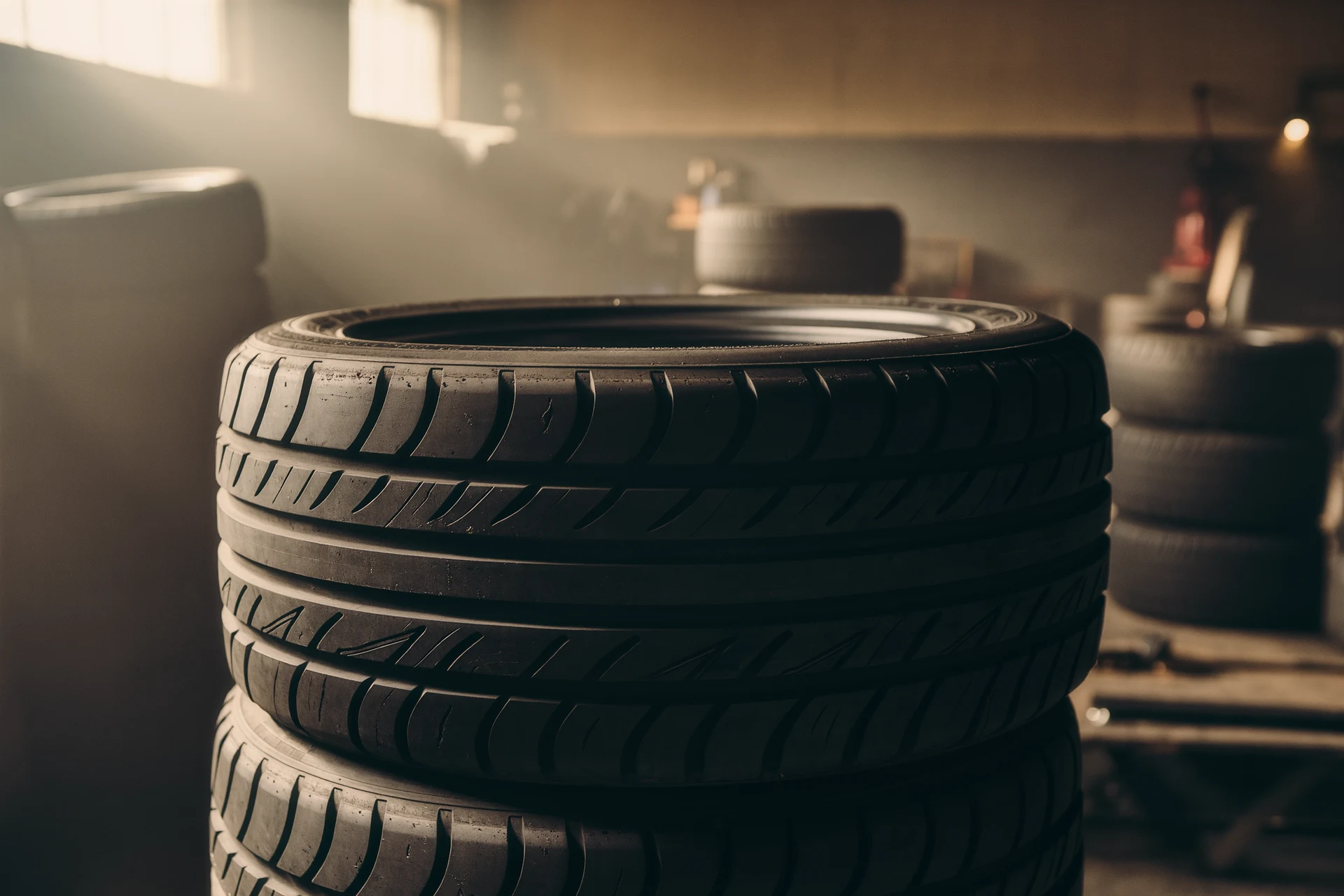
Underinflated tires are a huge drag. Literally. When your tires aren’t filled to the recommended pressure, they flatten out more and create a larger contact patch with the road. This increased rolling resistance means your engine has to burn more fuel to keep the vehicle moving. It’s a simple fix. Check your tire pressure at least once a month, and always when the tires are cold. You can find the correct pressure on a sticker usually located on the driver’s side doorjamb or in your owner’s manual. Don’t just go by the maximum pressure on the tire sidewall; that’s not the correct operating pressure for your vehicle.
Air Filter: Let Your Engine Breathe Easy
Your engine needs air to mix with fuel for combustion. If your air filter is clogged with dirt, dust, and debris, it restricts the airflow into the engine. This forces the engine to work harder to suck in enough air, leading to reduced power and increased fuel consumption. A dirty air filter is like trying to breathe through a thick cloth mask, it’s just much harder. Replacing a clogged air filter is a quick and inexpensive job that can yield noticeable improvements in fuel efficiency.
Spark Plugs and Ignition System
Spark plugs are responsible for igniting the fuel-air mixture in your engine’s cylinders. Worn-out or fouled spark plugs can lead to incomplete combustion, misfires, and a significant drop in fuel economy. If your engine is sputtering, hesitating, or just doesn’t feel as responsive as it used to, it could be your spark plugs. Ensuring your ignition system (including wires and coils) is in good working order is vital for consistent and efficient combustion.
The Importance of Fuel Quality
You wouldn’t put cheap, watered-down fuel in a high-performance race car, and while your daily driver might not be a Ferrari, it still benefits from quality fuel.
Octane Ratings: Not Always About Power
Many drivers assume higher octane fuel equals better performance or efficiency. For most standard vehicles, using a higher octane fuel than recommended by the manufacturer offers no benefit and can actually be a waste of money. Your car’s engine is designed to run optimally on a specific octane rating. Using a lower octane than recommended can lead to knocking or pinging, which forces the engine’s computer to retard timing, reducing power and efficiency. Stick to the octane rating specified in your owner’s manual.
Top Tier Gasoline
Look for “Top Tier” gasoline brands. These fuels contain enhanced detergent additives that help keep your engine’s fuel injectors, intake valves, and combustion chambers cleaner. A cleaner engine runs more efficiently. Over time, deposits can build up, hindering performance and negatively impacting fuel economy. Top Tier gasoline helps prevent this buildup.
Driving Habits: Your Biggest Lever
This is where you have the most immediate and direct impact on your fuel efficiency. No matter how well-maintained your car is, aggressive driving will always chew through fuel faster.
Smooth Acceleration and Braking
Think of your throttle pedal like a delicate instrument, not an on/off switch. Slamming on the gas pedal from a standstill is like trying to launch a rocket, it requires a massive surge of energy (fuel). Gradually increasing your speed allows the engine to work more efficiently. The same principle applies to braking. Anticipating stops and gently easing off the accelerator instead of braking hard at the last moment conserves momentum and thus, fuel.
The “Gentle Foot” Approach
This is the core principle. Practice smooth pedal control. Imagine there’s an egg under your gas pedal, you don’t want to break it. Gradual acceleration allows the engine to reach its optimal operating temperature and load more gently.
Anticipate Traffic Flow
Look far ahead. If you see a red light approaching, or traffic slowing down, start to lift off the accelerator early. This allows your car to coast and slow down naturally, reducing the need for hard braking and saving fuel that would have been used to re-accelerate.
Maintaining a Steady Speed
This is especially critical on highways. Your car is most fuel-efficient when it’s cruising at a moderate, consistent speed. Fluctuating speeds, like constant accelerating and decelerating, force the engine to work harder.
Cruise Control: Your Highway Friend
On long stretches of highway where traffic allows, using cruise control can be a great way to maintain a steady speed and improve fuel efficiency. It takes the human tendency to subtly speed up and slow down out of the equation. However, be mindful of hilly terrain, as older cruise control systems can sometimes downshift aggressively on inclines, negating the fuel savings.
Speed Limits Aren’t Suggestions
Driving significantly over the speed limit is a major fuel drain. Air resistance increases exponentially with speed. Beyond 60-70 mph, every extra mile per hour can have a surprisingly large impact on your fuel consumption. Adhering to speed limits is not only safer but also one of the easiest ways to save money on gas.
Avoiding Excessive Idling
While it’s sometimes unavoidable, excessive idling wastes fuel. If you’re stopped for more than 30 seconds (except in traffic where you might need to be ready to move), it’s generally more fuel-efficient to turn off your engine and restart it when you’re ready to go. Modern cars are designed to restart efficiently without significant fuel penalty.
When to Turn Off the Engine
Think about situations like waiting for someone, prolonged stops at train crossings, or even waiting in a drive-thru if the line is very long. A quick engine off and restart can save a noticeable amount of fuel over time.
Aerodynamics and Weight: The Unsung Heroes
What you do with your car’s exterior and interior can also play a significant role in its fuel efficiency. It’s all about reducing drag and the effort required to move your vehicle.
Optimizing Exterior Aerodynamics
The way air flows over and around your car has a big impact. The smoother the airflow, the less resistance your car faces.
Roof Racks and Cargo Carriers
Unless you’re actively using them, remove roof racks, bike carriers, and cargo boxes. These attachments create significant wind resistance, acting like sails and forcing your engine to work harder, especially at highway speeds. Even an empty roof rack can decrease fuel efficiency by 5-10%.
Keeping Windows Up
At highway speeds, driving with your windows down is generally less fuel-efficient than using your air conditioning. Open windows create drag, while a properly functioning AC system, when used judiciously, can be more efficient.
Reducing Vehicle Weight
Every extra pound your car has to carry requires more energy (fuel) to move. Think about it, it’s easier to push a light box than a heavy one.
Declutter Your Car
Take a look inside your vehicle. Are there heavy items you’re carrying around unnecessarily? Golf clubs, tools, old sports equipment, cases of water, anything that doesn’t need to be there daily is just adding dead weight. A clean-out can make a difference.
Lighter Wheels and Tires
While a more significant investment, lighter aftermarket wheels and tires can reduce the unsprung weight of your vehicle, which can lead to marginal improvements in fuel economy and handling. However, for most drivers, the impact of a regular clean-out is far more practical and cost-effective.
Route Planning and Logistics
A little forethought before you even turn the ignition can save you a considerable amount of fuel. Think of it as a strategic advantage.
Smarter Routing
Your GPS and navigation apps are more than just direction-givers; they can be fuel-saving tools.
Avoiding Stop-and-Go Traffic
Constantly accelerating and braking in heavy traffic is a fuel killer. Use navigation apps that offer real-time traffic updates and suggest alternative routes to avoid congestion, even if they might be slightly longer in distance. The time saved and fuel conserved can be significant.
Combining Trips
Batching your errands into one trip is a fantastic way to save fuel. A cold engine is less efficient than a warm one. Making multiple short trips means your engine is constantly starting from cold, burning more fuel overall than one longer trip where the engine stays at optimal operating temperature.
Minimizing Uphill Climbs
When possible, and depending on your navigation system’s capabilities, look for routes that minimize steep uphill climbs, as these require more power and thus more fuel.
Understanding Your Vehicle’s Capabilities
Know what your car is best at.
City vs. Highway Driving
Most vehicles are more fuel-efficient on the highway, where steady speeds are maintained. City driving, with its frequent stops, starts, and lower average speeds, will naturally yield lower MPG. Understanding this can help set realistic expectations.
Eco Modes and Driving Styles
Many modern cars come with “Eco” modes. While the effectiveness can vary, these modes often adjust throttle response, transmission shift points, and sometimes even climate control to prioritize fuel economy. Experiment with them.
Advanced Strategies and Considerations
Once you’ve got the basics down, there are a few more advanced areas to explore for maximizing your fuel strategy.
Tires That Work For You
We touched on tire pressure, but the type of tire you choose also matters.
Low Rolling Resistance Tires
When it’s time to replace your tires, consider opting for “low rolling resistance” tires. These are specifically designed to reduce the energy lost as the tire rolls over the road surface, leading to improved fuel efficiency. While they might have a slightly different feel compared to performance tires, they can offer a tangible saving over their lifespan.
Understanding Your Engine’s Technology
Modern engines have sophisticated systems to manage fuel.
Direct Injection and Turbocharging
Many newer engines use technologies like direct injection and turbocharging. Direct injection delivers fuel precisely into the combustion chamber, while turbocharging forces more air into the engine, allowing for smaller, more efficient engines that can still produce ample power when needed. Understanding how these systems work can help you appreciate their efficiency benefits when driven appropriately.
Hybrid and Electric Vehicles
If you’re considering a new vehicle, or even if you’re curious about the future, hybrid and electric vehicles offer the ultimate in fuel efficiency and emission reduction. Even a hybrid can significantly cut your fuel bills, and an EV eliminates gas consumption entirely.
Aerodynamic Modifications (with caution)
While roof racks are easy to remove, some drivers explore more permanent aerodynamic modifications. This is generally for enthusiasts and can range from undertrays to active aero components. For the average driver, however, focusing on the simpler, non-permanent solutions is far more practical and cost-effective.
Conclusion: Consistent Effort for Consistent Savings
Maximizing your fuel efficiency isn’t a one-time fix; it’s an ongoing process. It’s about building good habits and staying on top of your vehicle’s maintenance. By focusing on understanding your car’s needs, adopting a smoother driving style, and being mindful of weight and aerodynamics, you’re setting yourself up for significant savings at the pump. Think of it as a smart investment in your vehicle and your wallet. The combined effect of these practical steps will add up over time, making your fuel strategy a true winning one.
FAQs
What is fuel strategy?
Fuel strategy refers to the plan or approach used by individuals or organizations to manage and optimize their fuel usage. This can include decisions about when and where to refuel, how much fuel to carry, and how to minimize fuel consumption.Why is fuel strategy important?
Fuel is a significant expense for many individuals and businesses, so having an effective fuel strategy can help save money and improve overall efficiency. Additionally, with growing concerns about environmental impact, fuel strategy can also contribute to reducing carbon emissions and minimizing environmental footprint.What are some common fuel strategies?
Common fuel strategies include optimizing driving routes to minimize fuel consumption, using fuel-efficient vehicles, maintaining vehicles to ensure they operate at peak efficiency, and monitoring fuel prices to take advantage of cost savings.How can businesses benefit from a fuel strategy?
Businesses can benefit from a fuel strategy by reducing operational costs, improving fleet efficiency, and demonstrating environmental responsibility. By implementing effective fuel strategies, businesses can also enhance their overall sustainability efforts and improve their bottom line.What are some challenges associated with fuel strategy?
Challenges associated with fuel strategy include fluctuating fuel prices, changing regulations and policies related to fuel usage, and the need to balance cost savings with operational requirements. Additionally, implementing new technologies and practices to improve fuel efficiency may require initial investment and changes in operational processes.More from Training & Performance

Mastering the Apex Technique: A Guide to Peak Performance
So, you’re looking to hit your peak, whether that’s in your craft, your sport, or your daily life. The “apex technique” isn’t …

Mastering Throttle Control: The Key to Smooth Riding
Ever felt like your motorcycle lurches forward or sputters when you twist the throttle? That jerky, disconnected feeling is super common, especially w…

Mastering the Art of Braking: Techniques for Safe and Efficient Stops
So, you want to know how to brake better? It sounds simple, right? Just squeeze the levers. But good braking is more than just stopping. It’s ab…