Maximizing Mental Performance in Racing
When it comes to racing, whether it’s on a track, a rally stage, or a virtual circuit, physical prowess and mechanical setup are undeniable cornerstones. However, an often-un…
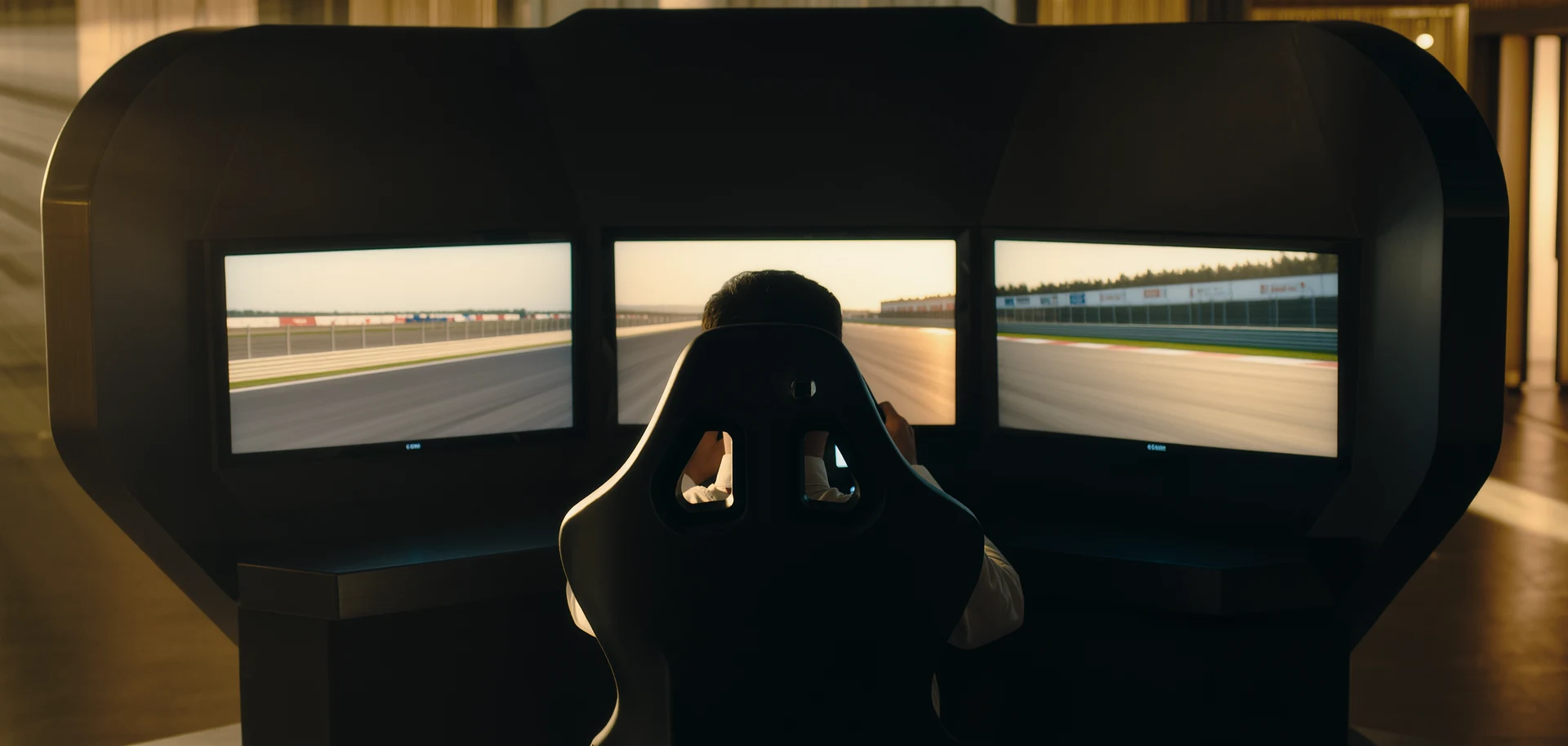
When it comes to racing, whether it’s on a track, a rally stage, or a virtual circuit, physical prowess and mechanical setup are undeniable cornerstones. However, an often-underestimated, yet equally crucial, element is mental performance. Simply put, maximizing your mental performance in racing means optimizing your brain’s ability to process information, make rapid decisions, maintain focus, and manage pressure effectively, all of which directly translate to faster lap times and more consistent results. It’s about training your mind as diligently as you train your body and fine-tune your machine. This isn’t some abstract concept; it’s a practical skill set that can be developed and refined.
Before you even step into the car, your mental preparation begins. This phase is about building a robust psychological framework that can withstand the rigors of racing. It’s akin to doing your homework before a big exam.
Understanding Your Race Strategy (and Yourself)
Every race has a strategy, whether it’s a detailed plan for tire management and pit stops, or simply knowing when to push and when to conserve energy. Beyond just the track, understanding your personalized approach is crucial.
Setting Realistic Goals
It’s tempting to always aim for the win, but sometimes, a more realistic goal might be improving your personal best, finishing consistently, or mastering a specific section of the track. Unrealistic goals can lead to unnecessary pressure and disappointment. Be honest with yourself about your current skill level and the competition.
Race Information Assimilation
Devour all the information you can about the track, conditions, and competitors. This isn’t just about lap records; it’s about understanding track evolution, potential hazards, and competitor tendencies. The more you know, the less uncertainty you face, which reduces mental load during the race.
Visualization & Mental Rehearsal
This isn’t just fluffy feel-good stuff; it’s a powerful tool sport psychologists have used for decades. Think of it as a dry run for your brain.
Walking the Track Mentally
Before you even get into the car for practice, close your eyes and drive the track in your mind. Focus on elevation changes, braking points, apexes, and exit points. Feel the sensations of acceleration and deceleration. This builds neural pathways that make those actions more automatic in real life.
Pre-Emptive Problem Solving
Beyond just driving the perfect lap, visualize potential issues. What if there’s a slow driver ahead? What if the car oversteers at a specific corner? How will you react to a yellow flag? By mentally rehearsing these scenarios, you build mental resilience and reduce the cognitive shock when they actually happen.
Nutrition and Hydration: Fueling the Brain
Your brain is a complex machine, and like any machine, it needs proper fuel. You wouldn’t put cheap gas in a high-performance engine, so don’t neglect your brain.
Consistent Energy Levels
Avoid sugar spikes and crashes. Opt for complex carbohydrates, lean proteins, and healthy fats. These provide sustained energy, preventing fatigue and maintaining cognitive function. A sudden drop in blood sugar can significantly impair your reaction time and decision-making.
Staying Hydrated
Even mild dehydration can lead to reduced concentration, fatigue, and headaches. Sip water or electrolyte drinks regularly throughout the day, especially in hot conditions. Don’t wait until you’re thirsty; by then, it’s often too late.
During the Race: Maintaining Peak Performance
The race itself is a dynamic environment that demands constant mental acuity. This is where all your preparation is put to the test.
Focus and Attention Management
In racing, attention is a finite resource. You need to direct it strategically to what matters most.
The “Tunnel Vision” Trap
While focus is good, excessive tunnel vision can be detrimental. You need to be aware of your surroundings, other cars, track conditions, dash warnings, without becoming overwhelmed. It’s about scanning and filtering information efficiently.
Selective Attention
Learn to filter out distractions. The noise from the crowd, the engine sounds becoming irritating, or even thoughts about previous mistakes, these all need to be put aside. Practice focusing on the immediate task: hitting your marks, managing your tires, and reacting to the unfolding race.
Breath Control
When stress mounts, breathing often becomes shallow and rapid. Practicing controlled, deep breathing (even just a few deep breaths) can calm the nervous system, improve oxygen flow to the brain, and restore focus. This is a quick and effective tool you can use even mid-lap.
Decision Making Under Pressure
Racing is a continuous stream of split-second decisions. The ability to make the right decision, quickly and consistently, is a hallmark of a great racer.
Rapid Risk Assessment
Every overtake, every defensive move, every corner entry involves a risk-reward calculation. Can you make this move without crashing? Is the potential gain worth the potential loss? This isn’t about being reckless; it’s about making informed choices based on available data in real-time.
Data Interpretation in Real-Time
Dash displays provide a wealth of information: lap times, tire temperatures, fuel levels, gap to competitors. The ability to quickly glance at this data, interpret it, and integrate it into your decision-making process is crucial. It’s not just seeing the numbers, but understanding what they mean for your next action.
Avoiding Overthinking (or Underthinking)
There’s a fine line between careful consideration and paralysis by analysis. Similarly, underthinking can lead to impulsive, disastrous decisions. The goal is flow state, where decisions feel intuitive and natural, based on extensive practice and mental preparation.
Emotional Regulation
Racing is a rollercoaster of emotions. How you manage them can make or break your race.
Managing Frustration
Mistakes happen. A bad lap, a botched overtake, or contact with another car can easily lead to frustration. Dwelling on these moments distracts you from the present. Acknowledge the feeling, quickly analyze what went wrong, and then consciously let it go, redirecting your focus to the next corner.
Harnessing Excitement (and Nerves)
Pre-race nerves are common. Instead of fighting them, try to reframe them as excitement. That adrenaline rush can be a powerful tool if channeled correctly, enhancing alertness and reaction time. If it becomes overwhelming, refer back to your breath control techniques.
Staying Calm Under Duress
When the race gets intense, a battle for position, a sudden mechanical issue, or changing weather, maintaining composure is paramount. Panicking leads to poor decisions. Rely on your training, your visualization exercises, and your ability to compartmentalize problems. Address the immediate issue, then return to your primary task of driving.
Post-Race Analysis: Learning and Growing
The race isn’t truly over until you’ve critically reviewed your performance. This is where you solidify lessons learned and identify areas for improvement.
Debriefing and Self-Reflection
Immediate post-race reflection is vital when the memories are fresh.
The “Hot Debrief”
Right after exiting the car, take a few minutes to jot down key thoughts. What went well? What didn’t? How did you feel at different points in the race? This raw data is invaluable before biases or fading memories set in.
Comparing Expectations vs. Reality
Did you meet your goals? If not, why? Were your initial goals realistic? This isn’t about harsh self-criticism, but objective evaluation. Identifying discrepancies helps you refine your strategy for the next event.
Data Analysis Beyond the Lap Times
Modern racing offers a wealth of data. Don’t just look at it; interpret it through a mental performance lens.
Telemetry Review Focused on Human Input
Beyond just apex speeds, look at your steering inputs, throttle application, and braking force. Were these smooth and consistent? Did they waver under pressure? Telemetry can reveal patterns in your driving that correlate with specific mental states.
Onboard Camera Footage Analysis
Watching your own onboard footage can be incredibly insightful. Observe your head movements, your focus points, and your reaction times. Did you miss an opportunity? Did you hesitate? Did your eyes drift from the optimal line? This visual feedback is a powerful learning tool.
Continuous Improvement: The Mental Athlete’s Journey
Mental performance is not a static state; it’s a continuous journey of refinement.
Developing Mental Toughness
Mental toughness isn’t about being emotionless; it’s about consistently performing at your best regardless of circumstances.
Embracing Discomfort
Racing is often uncomfortable: physical exertion, heat, noise, pressure. Learn to operate effectively within that discomfort. This resilience is built through repeated exposure and successful navigation of challenging situations.
Resilience to Setbacks
Every racer faces setbacks: mechanical failures, crashes, bad luck. How you recover from these is a true test of mental fortitude. Do you dwell on them, or do you analyze, learn, and move on stronger? A mentally tough athlete sees setbacks as learning opportunities.
Incorporating Mindfulness & Meditation
These practices can seem esoteric, but their benefits for focus and emotional regulation are well-documented.
Daily Practice for Sustained Focus
Even 5-10 minutes of daily mindfulness meditation can significantly improve your ability to concentrate, reduce anxiety, and enhance your awareness, both on and off the track. It’s like strength training for your attention span.
Calming Pre-Race Jitters
Mindfulness techniques can be used directly before a race to center yourself, quiet the internal dialogue, and bring your focus to the present moment. This helps prevent nervous energy from spiraling into performance-inhibiting anxiety.
Seeking Professional Guidance
Just as you would consult a driving coach or an engineer, a sport psychologist can be an invaluable asset.
Working with a Sport Psychologist
These professionals specialize in helping athletes optimize their mental game. They can provide personalized strategies for managing stress, improving focus, building confidence, and overcoming performance plateaus.
Peer Learning and Mentorship
Sometimes, the best insights come from fellow racers or experienced mentors. Discussing mental challenges with others who understand the pressures of racing can offer new perspectives and coping mechanisms. Learning from someone who has been there can accelerate your own mental development.
Maximizing mental performance in racing is not a quick fix; it’s a dedicated practice, just like physical training or car setup. By consciously addressing factors like preparation, in-race execution, and post-race analysis, and by consistently working on aspects like focus, decision-making, and emotional regulation, you can unlock significant gains on the track. It’s about training your most powerful tool, your mind, to perform consistently at its peak.
FAQs
What is mental performance racing?
Mental performance racing refers to the psychological and cognitive aspects of racing, such as focus, concentration, decision-making, and mental resilience. It involves training the mind to optimize performance on the racetrack.How does mental performance affect racing?
Mental performance plays a crucial role in racing as it can impact a driver’s ability to stay focused, make split-second decisions, and maintain composure under high-pressure situations. It can also affect a driver’s ability to adapt to changing track conditions and competition.What are some mental performance techniques used in racing?
Some mental performance techniques used in racing include visualization, goal setting, positive self-talk, mindfulness, and stress management. These techniques help drivers enhance their mental resilience, focus, and overall performance on the track.How do drivers train their mental performance for racing?
Drivers train their mental performance through various methods, including working with sports psychologists, practicing mental imagery, engaging in mindfulness and meditation, setting performance goals, and participating in mental performance training programs.What are the benefits of improving mental performance in racing?
Improving mental performance in racing can lead to enhanced focus, decision-making, and overall performance on the track. It can also help drivers manage stress, stay calm under pressure, and maintain a competitive edge over their opponents.More from Training & Performance
Mastering the Apex Technique: A Guide to Peak Performance
So, you’re looking to hit your peak, whether that’s in your craft, your sport, or your daily life. The “apex technique” isn’t …

Mastering Throttle Control: The Key to Smooth Riding
Ever felt like your motorcycle lurches forward or sputters when you twist the throttle? That jerky, disconnected feeling is super common, especially w…
Mastering the Art of Braking: Techniques for Safe and Efficient Stops
So, you want to know how to brake better? It sounds simple, right? Just squeeze the levers. But good braking is more than just stopping. It’s ab…