Maximizing Team Performance with Racing Simulator
Using racing simulators for team performance? Absolutely, it’s a solid strategy with a surprising number of benefits beyond just driving skills. Think of it as a low-risk, hi…
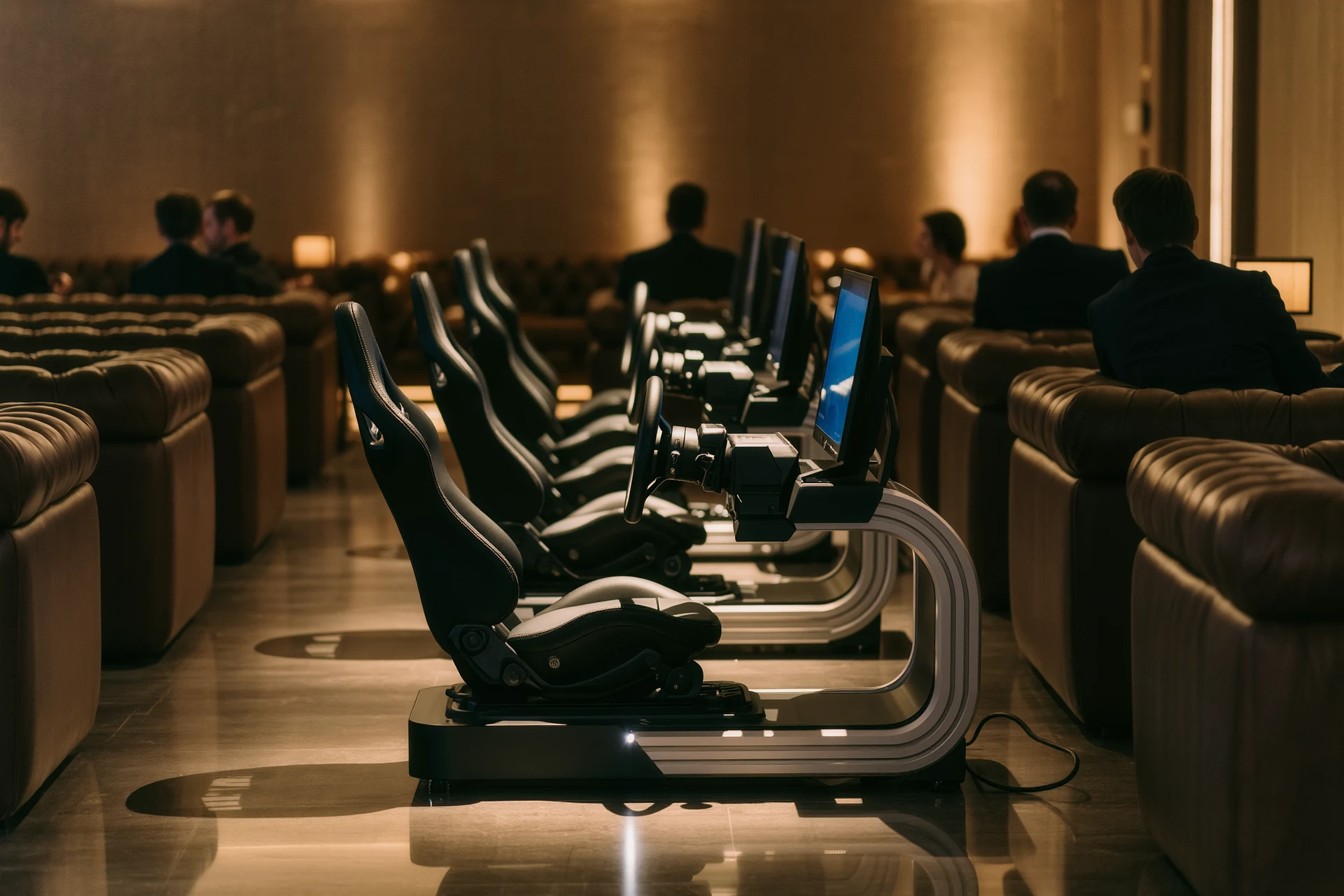
Using racing simulators for team performance? Absolutely, it’s a solid strategy with a surprising number of benefits beyond just driving skills. Think of it as a low-risk, high-reward environment to sharpen a whole range of team dynamics and individual capabilities that translate directly to the real world, whether your team is in business, sports, or any field requiring critical thinking and collaboration.
It’s easy to dismiss racing simulators as a niche hobby, but that misses the point entirely. These aren’t just video games; they are sophisticated tools that replicate complex, high-pressure environments. The physics engines are incredibly accurate, the visual and auditory cues are immersive, and the need for precision and quick decision-making is paramount. This makes them an ideal platform for developing transferable skills.
Bridging the Gap Between Virtual and Reality
The fidelity of modern racing simulators means the skills honed there aren’t confined to the digital realm. The hand-eye coordination, spatial awareness, and strategic thinking developed translate directly to real-world tasks where precision and foresight are key.
- Driver Skill Development: While not every team member needs to be a race car driver, the core skills of precise input, understanding vehicle dynamics, and adapting to changing conditions are valuable.
- Cognitive Load Management: Simulators present a constant stream of information. Drivers must process tire grip, track conditions, competitor positions, and strategy calls simultaneously. This practice significantly improves cognitive load management, a critical skill in any demanding profession.
A Controlled Environment for Experimentation
Unlike real-world scenarios, a simulator allows for endless restarts and modifications without consequence. This iterative process is invaluable for learning and optimizing.
- Risk-Free Failure: Mistakes in a simulator cost nothing but time. This encourages bolder experimentation with strategies, lines, and setups that would be unthinkable in a real race or business situation.
- Rapid Feedback Loops: Most simulators provide detailed telemetry and analysis tools, offering immediate feedback on performance. This allows for rapid iteration and improvement, far quicker than traditional methods.
Developing Individual Skills Through Sim Racing
Beyond just “driving fast,” simulators offer a rich training ground for individual talents that are crucial for any high-performing team member.
Enhancing Decision-Making Under Pressure
Racing is inherently about making split-second decisions with incomplete information. This is a skill vital in countless professional settings.
- Strategic vs. Tactical Decisions: Drivers constantly weigh long-term race strategy (e.g. fuel saving, tire management) against immediate tactical choices (e.g. overtake opportunities, defensive driving). Regularly practicing this balance sharpens a team member’s ability to think both broadly and narrowly.
- Anticipation and Risk Assessment: Learning to read the track, predict competitor moves, and assess calculated risks are fundamental to racing. These skills directly translate to anticipating market shifts, competitor actions, or potential project roadblocks.
- Information Processing Speed: The sheer volume of information presented to a driver (dashboard, mirrors, spotters, engineer calls) forces rapid processing and filtering, improving quick analysis.
Sharpening Focus and Concentration
A typical racing stint can last anywhere from 20 minutes to several hours, demanding sustained concentration.
- Sustained Attention: Maintaining high levels of focus lap after lap, despite fatigue or external distractions, is a mental muscle that gets stronger with simulator use.
- Minimizing Distractions: The immersive nature of a simulator helps individuals practice tuning out irrelevant stimuli and focusing on the critical task at hand.
- Flow State Achievement: The challenge and immediate feedback loop of sim racing often lead to a “flow state”, a highly productive and focused mental condition that is desirable in any demanding task.
Cultivating Adaptability and Problem-Solving
No race ever goes exactly to plan. Conditions change, competitors react, and mistakes happen.
- Adapting to Dynamic Conditions: Changing weather, tire degradation, or unexpected incidents require drivers to adapt their strategy and driving style on the fly. This mirrored in projects where requirements shift or unforeseen challenges arise.
- Troubleshooting and Adjustment: From tweaking car setup to adjusting braking points, drivers are constantly diagnosing and solving problems to optimize performance.
- Creative Problem Solving: Sometimes, the fastest way isn’t the obvious way. Simulators encourage thinking outside the box to find performance gains or overcome obstacles.
Strengthening Team Dynamics and Communication
This is where simulators go from individual training tools to powerful team-building platforms. The collaborative aspect of racing, even when individuals are “driving,” mirrors real-world team projects.
Fostering Effective Communication Strategies
In racing, clear, concise, and timely communication is non-negotiable. Miscommunication can lead to catastrophic results.
- Voice Communication Under Pressure: Practicing communicating critical information (e.g. “pit window open,” “car left ahead”) succinctly and accurately while under mental load is a vital skill.
- Active Listening: Team members acting as “spotters” or “race engineers” must actively listen to driver feedback and relay relevant information back without overwhelming them.
- Closed-Loop Communication: Ensuring that messages are not just sent but also received and understood is crucial. Simulators provide a perfect environment to practice this.
Improving Collaboration and Strategy Development
Team performance in racing isn’t just about individual speed; it’s about executing a collective strategy.
- Joint Strategy Building: Before a simulated race, teams must develop a strategy covering pit stops, tire choices, driver stints, and contingency plans. This process forces collaboration and negotiation.
- Role Delegation and Trust: Assigning roles (driver, engineer, strategist) and trusting each member to perform their tasks effectively is a cornerstone of team success.
- Synchronized Execution: During multi-driver endurance races, seamless driver changes, strategic pit calls, and coordinating overtakes require precise, synchronized team effort.
Building Trust and Accountability
The high-stakes (simulated) environment naturally brings out team dynamics.
- Shared Goals and Accountability: When a team works towards a common goal (e.g. winning a simulated endurance race), individual accountability for performance and strategy execution becomes clear.
- Mutual Support and Feedback: Teammates learn to support each other, offering constructive feedback and encouragement, rather than just criticism.
- Post-Race Debriefs: Analyzing telemetry and race footage together after a simulated event provides a structured way to review performance, identify areas for improvement, and build shared understanding.
Practical Implementation for Team Training
So, how do you actually use simulators effectively for team development? It’s more than just plugging in and driving.
Setting Up a Simulator Environment
You don’t need a million-dollar setup, but a reasonably good one makes a difference.
- Hardware Considerations:
- Rig and Wheel/Pedals: A decent force feedback wheel and quality pedals are essential for immersion and accurate feedback.
- Monitors/VR: Triple monitors or a VR headset significantly enhance immersion and spatial awareness.
- Powerful PC: To run modern simulators smoothly, a capable PC is a must.
- Headsets and Microphones: Clear communication is vital for team exercises.
- Software Choices:
- iRacing: Highly realistic physics, organized online racing, and robust team racing features make it ideal for competitive team training.
- Assetto Corsa Competizione (ACC): Excellent GT3 car physics and endurance racing options.
- rFactor 2: Highly moddable with excellent tire and weather models.
- Automobilista 2: Great feeling physics and a variety of car types.
Designing Effective Team Exercises
Simply letting everyone drive laps won’t maximize the benefit. Structure is key.
- Time Trial Challenge: Individual performance focus, allowing for personalized coaching on technique, consistency, and raw speed.
- Hot Lap Competition: Teams work together to set the fastest collective lap times, sharing setup data and driving tips.
- Endurance Race Simulations: This is the ultimate team test.
- Driver Stint Strategy: Planning who drives when, and for how long, managing fatigue.
- Pit Stop Practice: Running through simulated pit stops, including driver changes (if applicable in the sim).
- Fuel and Tire Management: Strategic decisions about when to pit based on fuel consumption and tire wear.
- Multi-Car Strategy Sessions: Simulating situations where multiple team cars are on track, coordinating overtakes, defense, and strategic moves.
- Scenario-Based Training: Introducing unexpected events like mechanical failures, sudden weather changes, or competitor incidents to test adaptability under pressure.
Integrating Debriefing and Feedback Cycles
The learning happens after the driving stops.
- Telemetry Analysis: Use in-game or third-party telemetry tools to analyze driving lines, braking points, throttle application, and consistency.
- Video Review: Watch replays together, identifying strengths and weaknesses, critical moments, and communication breakdowns.
- Structured Debriefs: Dedicate time to discuss what went well, what could be improved, and how individual and team performance can be optimized. Encourage open and constructive feedback.
- Goal Setting: Based on the debrief, set clear, measurable goals for the next session.
Beyond the Track: Transferable Skills to the Workplace
The real magic happens when these learned skills start to appear in a team’s day-to-day work.
Enhanced Project Management
The strategic planning, resource allocation (tires, fuel, driver energy), and execution precision learned in sim racing directly apply to project management.
- Critical Path Analysis: Identifying the most crucial elements for success and managing dependencies.
- Resource Optimization: Making the best use of available team members, time, and budget.
- Contingency Planning: Always having a “Plan B” ready for unexpected challenges.
Improved Crisis Management
The ability to remain calm, process information rapidly, and make sound decisions when things go wrong is invaluable.
- Rapid Problem Diagnosis: Quickly identifying the root cause of an issue.
- Execution Under Pressure: Implementing solutions swiftly and effectively in high-stress situations.
- Maintaining Composure: The practice of keeping a cool head when everything is going wrong.
Elevated Leadership and Followership
Sim racing reveals natural leaders and highlights the importance of effective followership.
- Strategic Leadership: Individuals who can see the big picture and guide the team through complex race scenarios.
- Decisive Action: The ability to make tough calls and stick to them.
- Supportive Teamwork: Recognizing the value of each team member’s contribution and supporting their specialized roles.
Racing simulators are much more than just entertainment. When approached with a structured training mindset, they offer a uniquely engaging and effective platform for developing a wide range of individual and team skills. From sharpening decision-making and communication to fostering adaptability and trust, the lessons learned on the virtual track can deliver significant, tangible benefits to any team looking to maximize its performance.
FAQs
What is a team building racing simulator?
A team building racing simulator is a virtual racing experience that allows teams to compete against each other in a simulated racing environment. It is designed to promote teamwork, communication, and collaboration among team members.How does a team building racing simulator work?
A team building racing simulator typically consists of multiple racing stations equipped with steering wheels, pedals, and screens. Teams compete in races against each other, and the simulator tracks performance metrics such as lap times, driving accuracy, and teamwork.What are the benefits of using a team building racing simulator?
Using a team building racing simulator can help improve team communication, foster healthy competition, and enhance problem-solving skills. It also provides a fun and engaging way for team members to bond and build camaraderie.What types of teams can benefit from using a racing simulator for team building?
Teams from various industries and sectors can benefit from using a racing simulator for team building, including corporate teams, sports teams, and educational institutions. Any team looking to improve teamwork and collaboration can benefit from this type of activity.Where can I find a team building racing simulator for my team?
There are various companies and event organizers that offer team building racing simulator experiences. These experiences can be found at dedicated racing simulation centers, team building venues, or through event planning companies that specialize in corporate team building activities.More from Events & Experiences
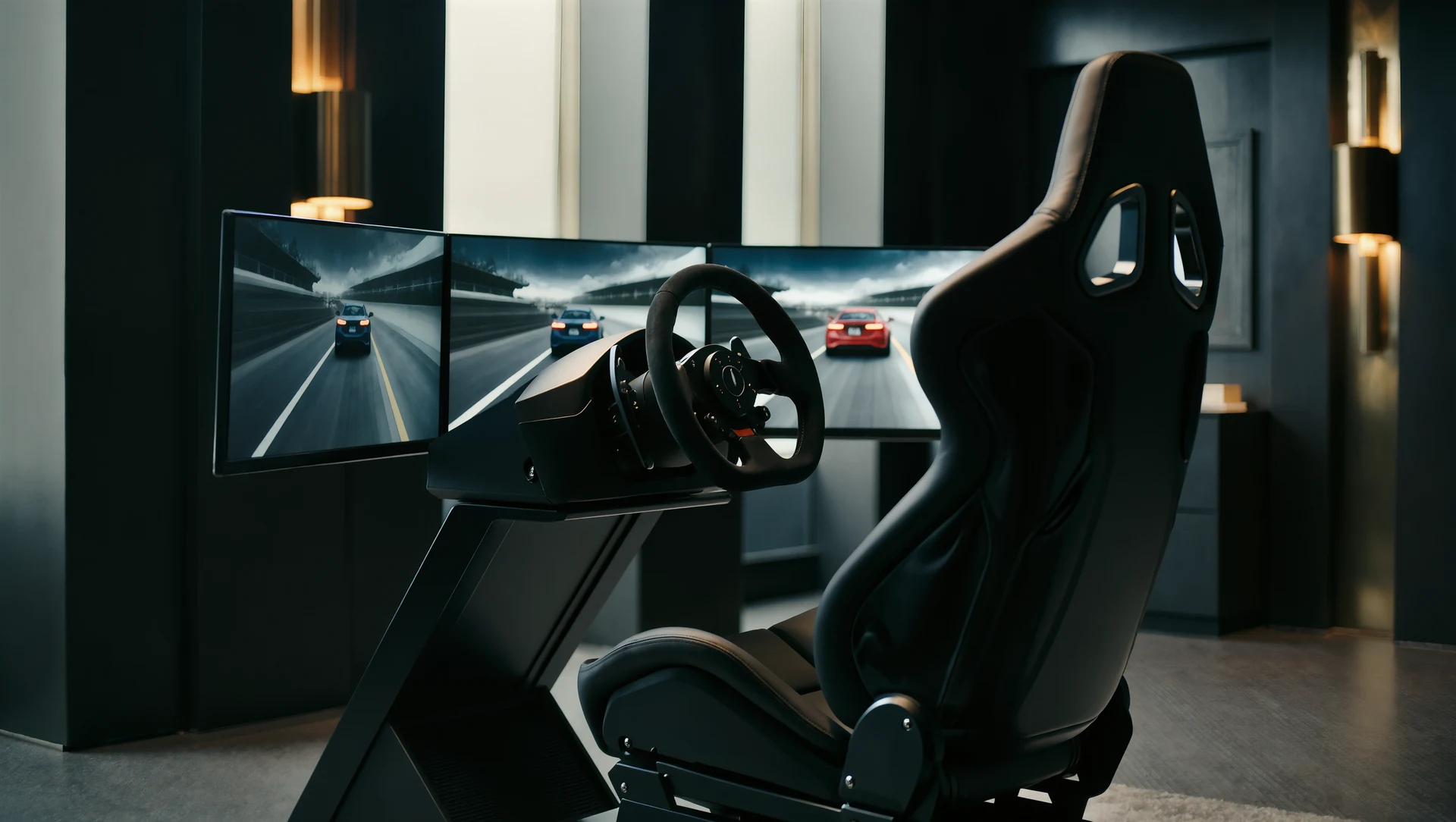
Sim Racing Birthday Bash: Celebrating in Style
So, you’re thinking about throwing a sim racing birthday bash? Awesome idea! It’s a fantastic way to celebrate for anyone who loves cars, compet…

Ultimate Racing Simulator Challenge: Test Your Skills
So, you’re looking to dive into the “Ultimate Racing Simulator Challenge: Test Your Skills”? Great question! Essentially, it’s…
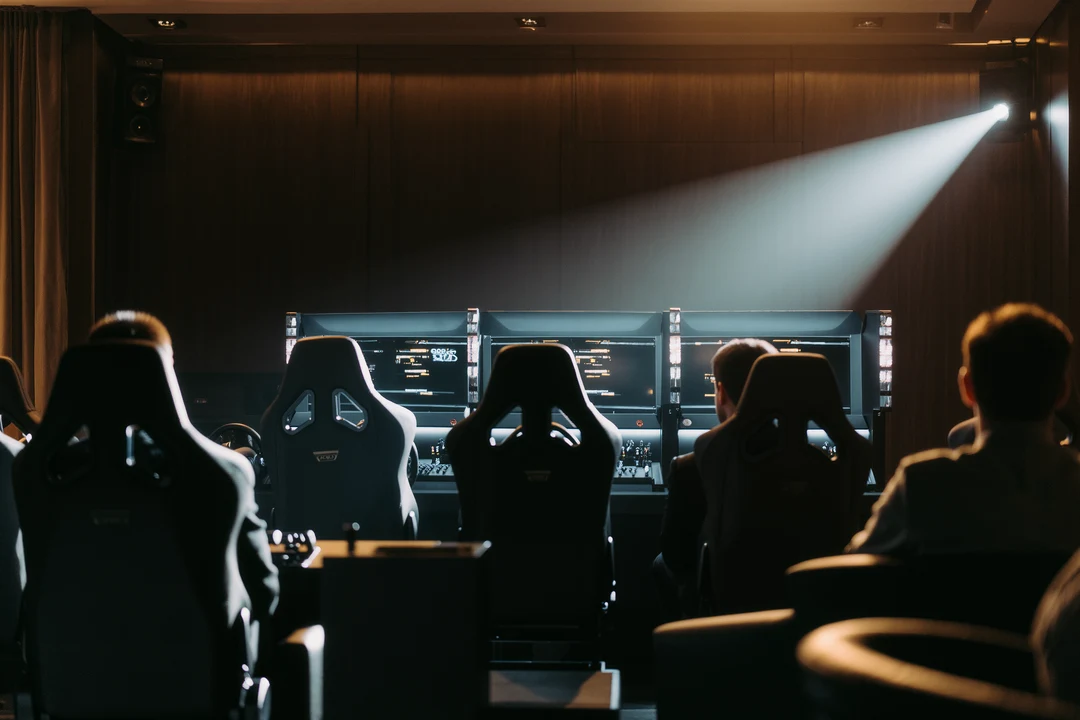
Sim Racing Center Event: A Thrilling Experience for Racing Enthusiasts
So, you’re curious about what happens at a Sim Racing Center event and if it’s actually worth your time? The short answer is yes, it…