Sim Racing Center Event: A Thrilling Experience for Racing Enthusiasts
So, you’re curious about what happens at a Sim Racing Center event and if it’s actually worth your time? The short answer is yes, it’s a genuinely thrilling exper…

So, you’re curious about what happens at a Sim Racing Center event and if it’s actually worth your time? The short answer is yes, it’s a genuinely thrilling experience for anyone with even a passing interest in motorsports. Forget dusty old arcade machines; these are high-fidelity simulators that put you right in the driver’s seat, offering a level of immersion and competition that’s surprisingly close to the real thing. It’s a chance to test your skills, meet like-minded people, and just have a blast pushing the limits without the risk.
If you haven’t been to one before, the concept might seem a little abstract. Think of it as a dedicated venue equipped with specialized racing simulators. These aren’t your average gaming PCs hooked up to a steering wheel. We’re talking about professional-grade hardware designed to replicate the physical feedback and visual fidelity of driving a race car.
The Hardware: More Than Just a Screen and a Wheel
When you walk into a sim racing center, the first thing you’ll notice is the equipment. The rigs themselves are often purpose-built, featuring full-size racing seats, often mounted on motion platforms.
Motion Platforms: Feeling the G-Forces
This is where things really get exciting. Motion platforms are designed to simulate the forces you’d experience in a real car. As you lean into a corner, the platform might tilt, mimicking the lateral G-forces. Braking hard? Expect a jolt forward. Accelerating out of a turn? You might feel a subtle push back. It adds a layer of physicality that significantly ramps up the immersion. It’s not about overwhelming you with constant movement, but rather providing nuanced feedback that corresponds to what the car is doing on screen.
High-Fidelity Displays: It’s Not Just About the Resolution
While many rigs use high-resolution monitors, some take it a step further with ultrawide screens or even triple-monitor setups. This expands your field of view, making it easier to judge braking points, apexes, and the proximity of other cars. Others might opt for VR headsets, offering a completely immersive 360-degree view. The goal is to make the virtual world feel as real as possible, drawing you into the experience.
Force Feedback Wheels: More Than Just Vibration
The steering wheels are also high-end. They employ powerful force feedback motors that transmit subtle details from the track surface, tire grip, and even engine vibrations directly to your hands. You can feel the tires losing grip, the asphalt texture, and the resistance of the steering as you push the car. It’s incredibly important for developing driving technique and understanding what the virtual car is doing.
The Software: Realistic Physics Engines
It’s not just about the hardware, though. The software powering these simulators is crucial. Sim racing titles used in these centers employ sophisticated physics engines. These engines are designed to accurately model tire behavior, suspension dynamics, aerodynamics, and engine performance.
Replicating Real-World Tracks
Top sim racing titles meticulously scan and recreate real-world race tracks. Laser scanning technology is often used to capture minute details of the track’s surface, contours, and elevation changes. This means that the virtual Nürburgring or Spa-Francorchamps you race on feels remarkably like the real thing, down to the bumps and kerbs.
Understanding Tire Magic
Tire physics are particularly complex, and sim racing developers spend a lot of time getting this right. The way tires grip, overheat, wear down, and lose traction is simulated with a high degree of accuracy. Understanding these nuances is key to mastering a sim, and it translates well to real-world driving.
Types of Events You Might Encounter
Sim racing centers host a variety of events, catering to different skill levels and interests. Whether you’re a seasoned sim racer or a complete beginner, there’s likely something for you.
Casual Practice & Open Laps
Many centers offer open practice sessions. This is a great way to just hop in and get a feel for the equipment and the software. You can pick a car and a track and just drive, focusing on your own performance without the pressure of competition.
Leagues and Championships
For those who enjoy a bit of competition, sim racing centers often run organized leagues or short championships. These events typically involve a series of races over several weeks, with drivers accumulating points based on their performance.
Structured Competition: More than Just a Race
Leagues provide a structured environment. There are usually rules regarding qualifying, race starts, and driving conduct. This encourages fair play and creates a more serious, yet still friendly, competitive atmosphere. It’s a chance to build up rivalries and improve your consistency over multiple events.
Points and Standings: The Drive for Glory
The points system keeps things interesting. You’re not just racing for the win in a single event, but for your overall position in the league. This can lead to some strategic driving where even a solid points finish is a good result if your rivals aren’t performing as well.
One-Off Race Events and Tournaments
Beyond ongoing leagues, you’ll find one-off race events. These are often themed, perhaps focusing on a specific car class (like GT3 cars), a famous endurance race, or even a fictional circuit.
The Thrill of a Grand Prix Style Event
Imagine a single-day tournament mimicking a Formula 1 Grand Prix weekend. You’d have practice sessions, qualifying, and then the main race. These events often attract a mix of experienced and newer racers, all looking for a fun and challenging competition.
Knockout Tournaments and Enduro Races
Some events might be knockout style, where drivers are eliminated in each round. Others could be endurance races, requiring teams or solo drivers to manage fuel, tire wear, and driver stints over several hours.
Endurance Racing on a Smaller Scale
Even if you don’t have hours to commit, some centers simulate aspects of endurance racing. This might involve shorter “sprint” races that still require careful tire and fuel management, giving you a taste of that strategic depth.
Driver Training and Coaching Sessions
Some centers also offer specialized sessions for drivers looking to improve their real-world or sim racing skills. These are often led by experienced instructors who can analyze your driving and provide tailored advice.
Analyzing Your Performance: Data is Key
Instructors can often hook into the sim’s telemetry data. This provides a wealth of information about your braking points, acceleration, steering inputs, and more. They can pinpoint areas where you’re losing time and suggest specific techniques to improve.
From Sim to Street: Transferable Skills
The skills learned in sim racing are surprisingly transferable. Understanding racing lines, weight transfer, throttle control, and braking techniques are all fundamental, whether you’re on a virtual track or a real one.
The Competitive Element: Beyond Just Driving Fast
One of the most appealing aspects of a sim racing center event is the inherent competition. It’s about more than just being the fastest individual; it’s about racing against real people, in real-time, with the added challenge of physical feedback.
Head-to-Head Battles: The Real Deal
Even with the best simulators, the human element is paramount. You’re not just another AI opponent; you’re racing against someone else, sharing the same track, and reacting to their moves.
The Art of Overtaking
Overtaking in sim racing requires precision and bravery, much like in real racing. You need to anticipate your opponent’s moves, find the right moment, and execute the pass cleanly. It’s incredibly satisfying when you pull off a well-timed move.
Defensive Driving: Holding Your Position
Equally important is defensive driving. Learning to block effectively without causing a penalty or incident is a skill in itself. It’s a constant mental chess match as you try to outmaneuver your competitors.
The Adrenaline Rush: It’s Real
Don’t underestimate the adrenaline that comes with close racing. The feeling of being wheel-to-wheel with another car, pushing your braking points, and trying to hold on for dear life can be incredibly intense.
Close Calls and Heart-Stopping Moments
You’ll experience those moments where your tires feel like they’re about to let go, or where you narrowly avoid a collision. These close calls create a palpable sense of excitement and keep you on the edge of your seat.
The Satisfaction of a Hard-Fought Win
When you manage to win a close race, especially after trading paint or battling for the lead, the satisfaction is immense. It’s a reward for skill, strategy, and a bit of nerve.
Sim Racing Etiquette: The Unspoken Rules
Like any form of motorsport, sim racing has its own set of etiquette. While an event might be competitive, maintaining respect for other drivers is crucial.
Respecting Track Limits and Other Cars
The core of sim racing etiquette is about respecting the track and your fellow competitors. This means not deliberately crashing into others, staying within track limits (unless the sim allows it strategically sometimes!), and generally racing cleanly.
The “Sim Racer’s Handshake”
There’s often a concept of a “sim racer’s handshake,” which represents a clean pass or agreement to race fairly. It’s about acknowledging the shared experience and mutual respect.
Who Should Go? Demystifying the Audience
You might be wondering if sim racing centers are just for hardcore gamers or professional sim racers. The reality is much broader than that.
The Casual Enthusiast: Dipping Your Toes In
If you enjoy watching motorsports, playing racing games on your console, or just have a general curiosity about what it feels like to drive a race car, a sim racing center is a fantastic place to start.
No Prior Experience Needed
You don’t need to be a virtuoso gamer to enjoy yourself. Most centers have staff who can help you get set up, explain the controls, and even offer basic tips. The goal is usually to have fun, not to weed out the inexperienced.
A Low-Risk Way to Experience Motorsport
It’s a safe and accessible way to experience the thrill of racing without the immense cost and danger of real-world motorsports. You can push the limits of the car and your own driving skills without any real-world consequences.
Aspiring Racers: Honing Your Skills
For anyone with aspirations in real-world motorsport, sim racing centers are invaluable. They offer a cost-effective way to practice, learn, and develop.
Practicing Racecraft and Strategy
You can run countless laps and practice specific scenarios like qualifying, race starts, pit stops, and tire management without the expense and logistical hurdles of real track time.
Developing Muscle Memory
The consistent practice in a sim environment can help develop muscle memory for certain techniques, making it easier to apply them in a real car.
Friends and Groups: A Fun Social Outing
Sim racing centers are also great for social gatherings. Whether it’s a group of friends, a corporate team-building event, or a bachelor party, it offers a unique and engaging activity.
Friendly Competition for Your Crew
Organize your own mini-tournament with your friends, pitting yourselves against each other for bragging rights. It’s a guaranteed way to inject some excitement into a get-together.
Group Activities and Team Challenges
Many centers offer packages for groups, allowing for custom events and challenges. This can be a fantastic way to foster team spirit and create memorable experiences.
Is it Worth the Investment? Understanding the Value
The question of whether a sim racing center event is “worth it” boils down to what you’re looking for and how you value the experience.
Beyond the Amusement Park Ride
While it might seem pricey compared to a quick arcade game, the experience offered by a sim racing center is on a different level. The realism, the immersion, and the genuine competition provide a far more substantial and memorable engagement.
The Tangible Feel of Force Feedback and Motion
The physical feedback you get from the wheel and motion platform is something you can’t replicate with a standard home setup. This tactile sensation is a significant part of what makes it so captivating.
The Psychological Challenge of Racing
It’s not just about flicking a controller. Sim racing demands focus, strategy, and the ability to perform under pressure. The mental aspect is as challenging as the physical.
Cost vs. Experience: Finding the Balance
The pricing at sim racing centers can vary, but generally, you’re paying for access to high-end equipment, a controlled environment, and often, expert guidance.
Comparing to Other Leisure Activities
When you compare the cost of a session at a sim racing center to other forms of entertainment or sporting activities, it often presents a good value proposition for the unique experience it offers. Think about the cost of a few hours at a go-kart track, for example, and the significantly higher level of realism in a sim.
The Long-Term Benefits: Skill Development and Enjoyment
For enthusiasts, the benefits can extend beyond a single event. Consistent visits can lead to significant improvement in driving skills, a deeper understanding of racing, and a highly rewarding hobby.
Continuous Improvement: The Sim Racer’s Journey
The journey of mastering a sim can be incredibly fulfilling. Each session offers opportunities to learn, adapt, and improve. It’s a rewarding pursuit for those who enjoy the challenge of honing a skill.
A Community of Passionate Individuals
Sim racing centers often foster a sense of community. You’ll likely meet other people who share your passion for motorsport, leading to new friendships and shared experiences.
FAQs
What is the Sim Racing Center Event?
The Sim Racing Center Event is a competitive racing event that takes place in a simulated racing environment using racing simulators and software.Where does the Sim Racing Center Event take place?
The location of the Sim Racing Center Event varies, but it typically takes place at a dedicated racing center or facility equipped with racing simulators and other necessary equipment.Who can participate in the Sim Racing Center Event?
The event is open to anyone who is interested in competitive racing, regardless of skill level or experience. Participants may need to meet certain age or licensing requirements depending on the specific event.What types of races are featured in the Sim Racing Center Event?
The event may feature various types of races, including circuit races, endurance races, and special event races. The specific format and rules may vary from event to event.What are the prizes for the Sim Racing Center Event?
Prizes for the event may include cash rewards, racing equipment, or other valuable items. The specific prizes and prize structure may vary depending on the event organizers and sponsors.More from Events & Experiences
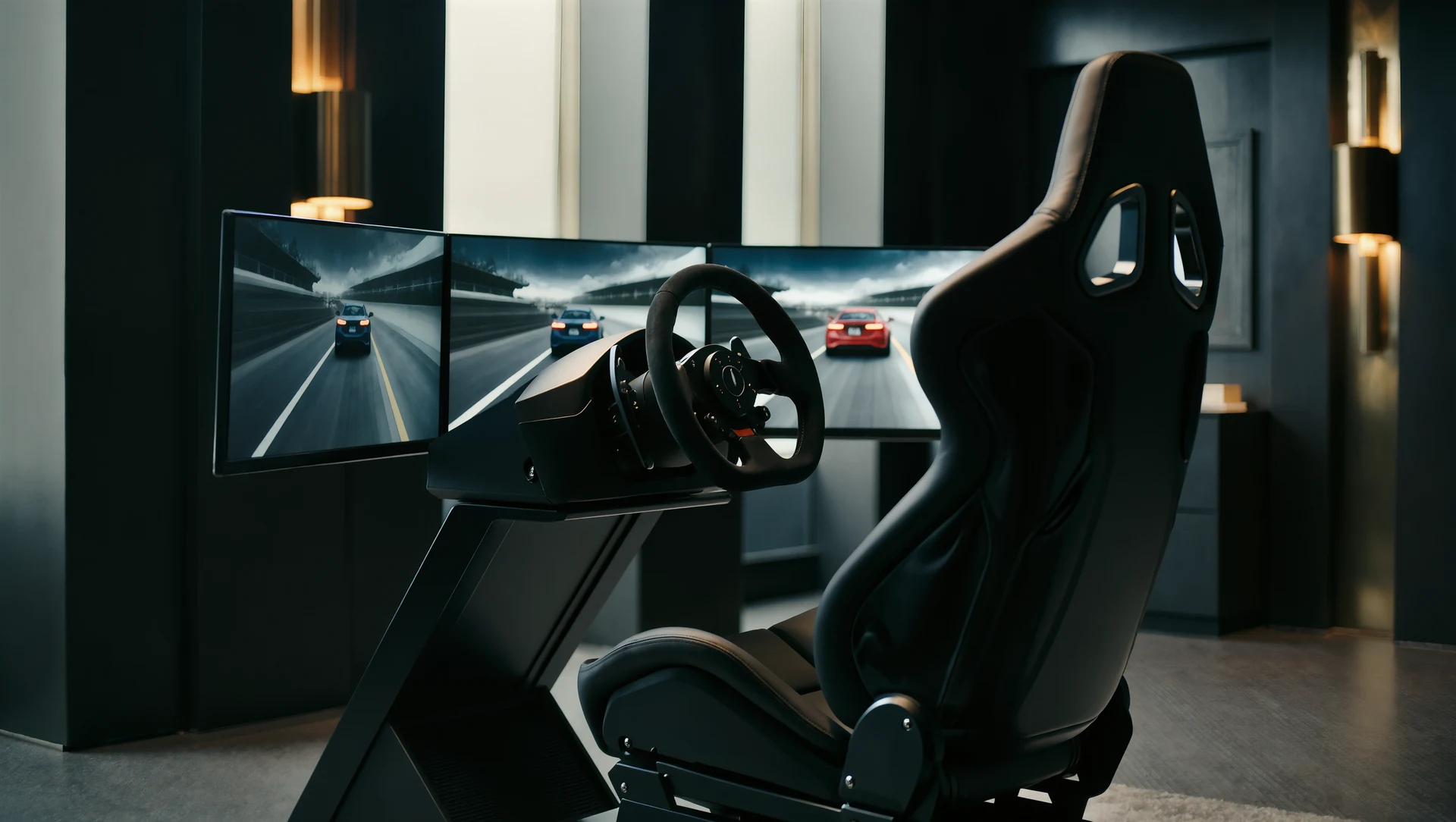
Sim Racing Birthday Bash: Celebrating in Style
So, you’re thinking about throwing a sim racing birthday bash? Awesome idea! It’s a fantastic way to celebrate for anyone who loves cars, compet…
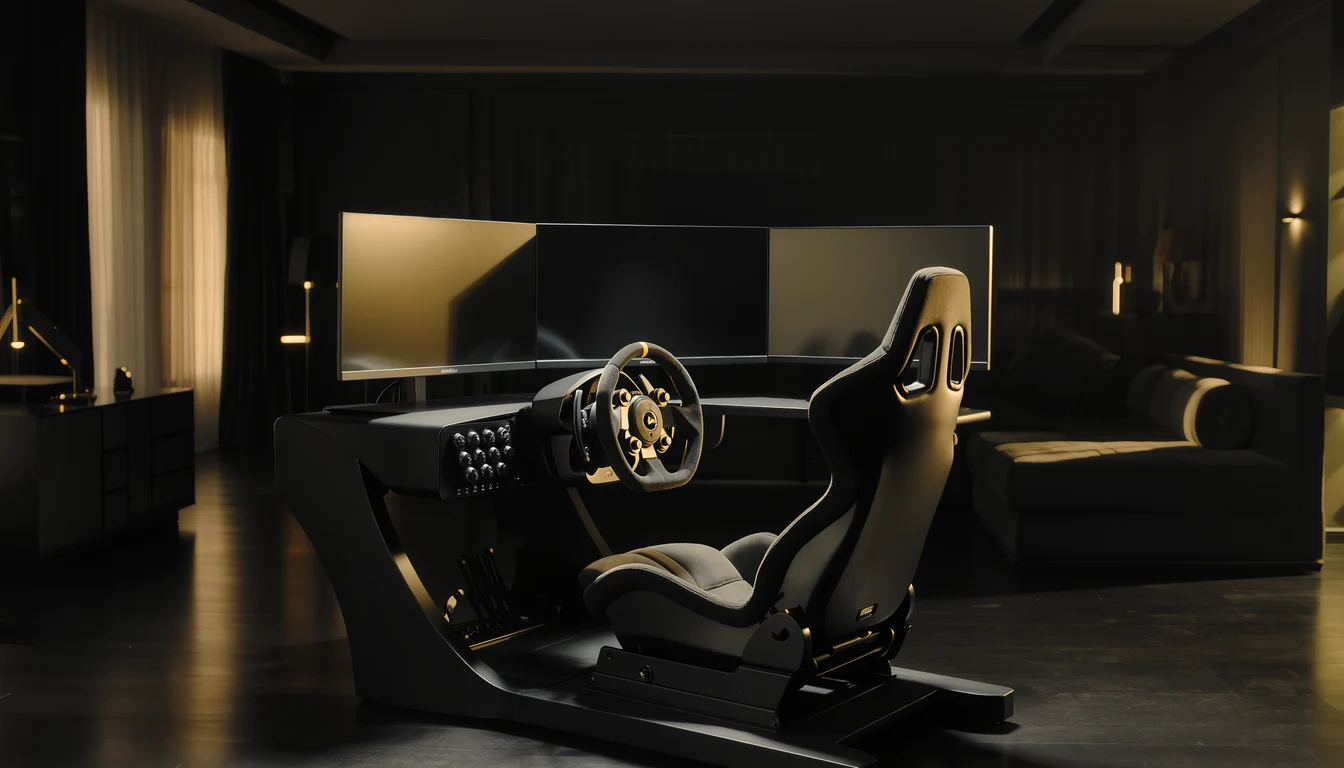
Ultimate Racing Simulator Challenge: Test Your Skills
So, you’re looking to dive into the “Ultimate Racing Simulator Challenge: Test Your Skills”? Great question! Essentially, it’s…
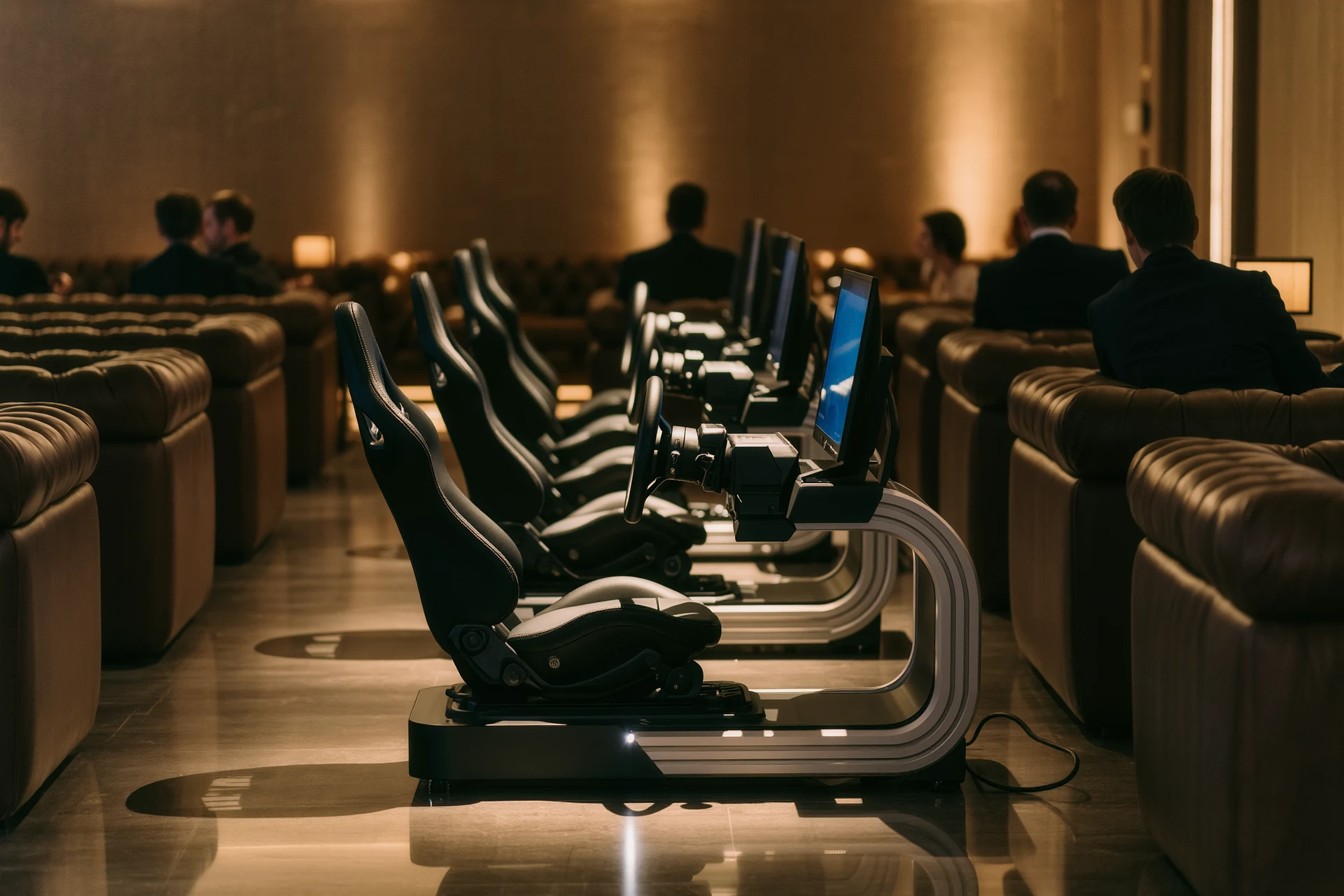
Maximizing Team Performance with Racing Simulator
Using racing simulators for team performance? Absolutely, it’s a solid strategy with a surprising number of benefits beyond just driving skills.…