New Racing Sims: Rev Up Your Engines!
Let’s cut to the chase: new racing sims are getting incredibly advanced, offering experiences closer to real driving than ever before. We’re talking super accurate phys…
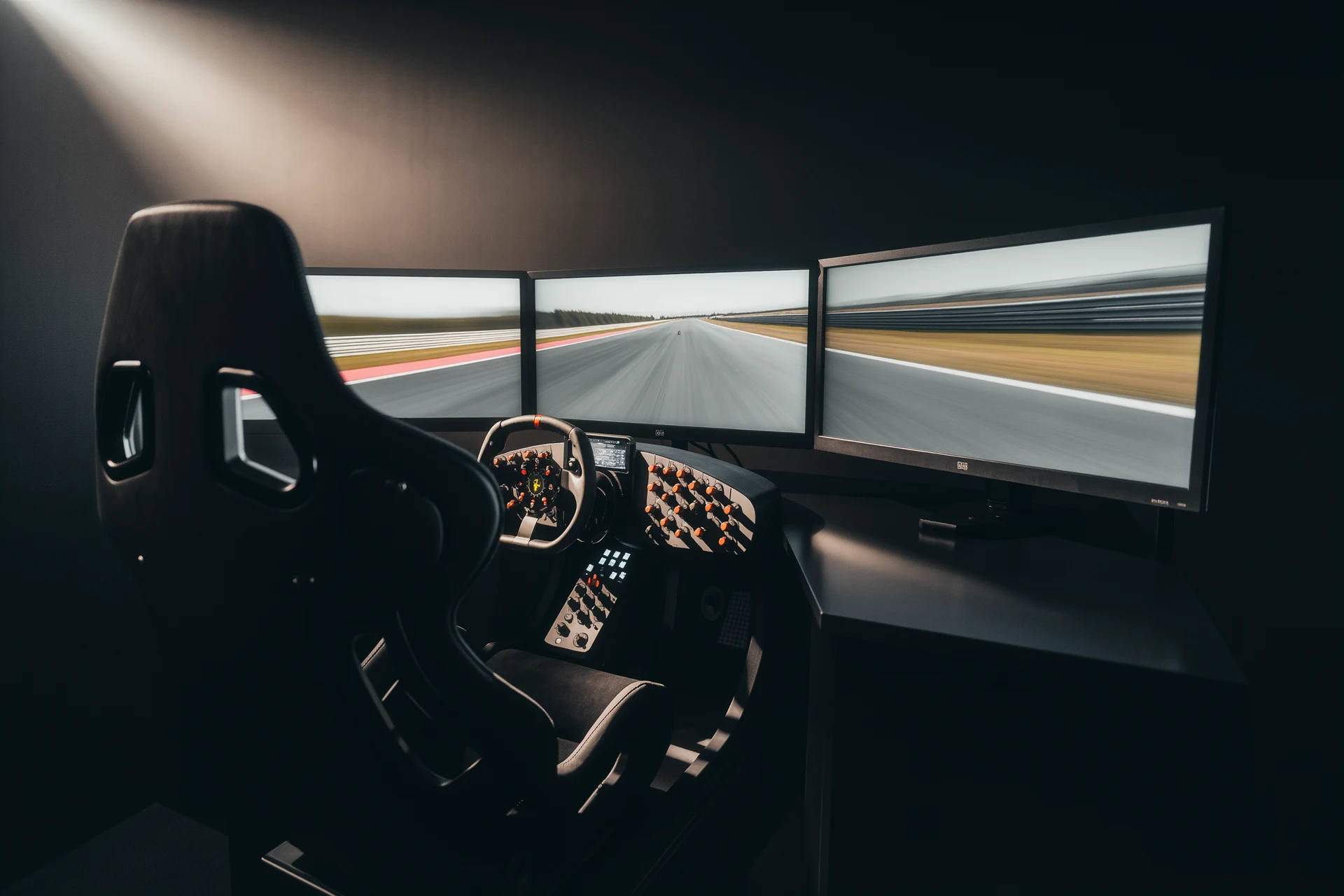
Let’s cut to the chase: new racing sims are getting incredibly advanced, offering experiences closer to real driving than ever before. We’re talking super accurate physics, stunning visuals, and force feedback that genuinely makes you feel the road. If you’re a lapsed sim racer or curious about getting started, now’s a fantastic time to jump in. The technology has matured to a point where the immersion is pretty mind-blowing, and the variety of vehicles and tracks available is huge.
The leap we’re seeing in racing simulation isn’t just a sudden burst of innovation; it’s a culmination of several key advancements working together. These aren’t just subtle tweaks; they’re foundational shifts that redefine what a racing sim can be.
Physics Engines Just Got Serious
This is arguably the biggest contributor to the heightened realism. Modern racing sims aren’t just calculating basic friction and momentum anymore. They’re delving into incredibly intricate models of tire deformation, suspension dynamics, aerodynamic forces, and even the subtle flex of a chassis under load.
- Tire Modeling: We’re beyond simple grip values. Think multi-point contact patches, temperature-dependent grip, pressure changes, and how the tire deforms and recovers under braking, acceleration, and cornering. This is crucial because tires are the primary interface between the car and the track.
- Suspension and Chasis Flex: Older sims often treated the car as a rigid block. Newer engines simulate the individual components of the suspension, how they compress and rebound, and even the subtle twisting and bending of the car’s frame. This adds layers of feedback that communicate much more about the car’s state.
- Aerodynamics: More sophisticated aero models mean not just simple downforce, but understanding how air flows over and under different car body parts, creating nuanced effects like drag, lift, and even dirty air that impacts following cars.
Visuals That Blur the Line
While not directly impacting the feel of driving, stunning graphics contribute immensely to immersion. Modern sims leverage cutting-edge rendering techniques to create environments that are not just pretty, but also incredibly functional for racing.
- Photorealistic Environments: Laser-scanned tracks create incredibly accurate representations of real-world circuits, down to every bump and camber change. Coupled with advanced lighting models, rain effects, and time-of-day transitions, these environments feel alive.
- Detailed Vehicle Models: The cars themselves are rendered with incredible detail, both inside and out. Functioning dashboards, intricate engine bays, and subtle reflections all add to the sense of being in a real vehicle.
- Optimized Performance: Crucially, these phenomenal visuals are often paired with highly optimized engines that allow for smooth frame rates, even on moderately powerful hardware. This ensures the visual fidelity doesn’t detract from the responsiveness needed in a racing sim.
The Power of Data
Modern racing teams generate an immense amount of data, and sim developers are increasingly tapping into this. This isn’t just about making things look right; it’s about making them behave right based on real-world telemetry.
- Real-World Telemetry Integration: Developers can often access real-world performance data from actual race cars and use it to calibrate their physics models. This isn’t just guesswork; it’s factual data directly informing how a car performs.
- Driver Feedback Loops: Professional racing drivers are often brought in for testing and feedback, helping fine-tune the handling characteristics to match their real-world experience. Their input is invaluable in bridging the gap between digital and physical.
What Makes a Sim “New” in 2024?
Beyond the underlying tech, specific features and design philosophies are shaping what a modern racing sim offers. These aren’t just bells and whistles; they enhance the core driving experience and overall engagement.
Dynamic Track Conditions
Gone are the days of static track surfaces. Modern sims meticulously model how a track evolves during a race or even over a session.
- Rubber Laydown: As cars drive, they lay down rubber on the racing line, increasing grip in those areas. This means the track changes throughout a race, rewarding accurate driving and forcing strategy adjustments.
- Dynamic Weather: Rain isn’t just an overlay; it affects grip, creates puddles, and changes visibility. The transition from wet to dry and back again is realistically simulated, adding a massive layer of challenge and strategy.
- Track Temperature: The ambient and track temperatures can influence tire performance and engine cooling, adding another subtle yet impactful variable to consider.
Advanced AI Opponents
AI in racing games has often been a weak point, either too slow, too fast, or simply following a predictable line. Modern sims are striving for more intelligent, human-like AI.
- Adaptive Driving Styles: AI drivers can display varying aggression levels, take different lines, and even make mistakes, making them feel less robotic.
- Race Craft and Strategy: More sophisticated AI can manage tire wear, fuel, and pit stop strategies, reacting to race events rather than just driving flat-out.
- Learning and Calibration: Some advanced systems even incorporate machine learning principles, allowing AI to improve over time or adapt to player skill levels.
Deep Customization and Modding
While official content is essential, the health and longevity of a sim often depend on the community’s ability to create and share.
- Extensive Car Setup Options: Virtually every aspect of a car’s setup, from camber and toe to differential settings and brake bias, is adjustable, allowing players to fine-tune vehicles to their driving style and track conditions.
- Active Modding Communities: Many top sims foster vibrant modding scenes, where talented individuals create new cars, tracks, and tools, significantly extending the game’s lifespan and variety. This is a huge draw for dedicated players.
- Shared Setups and Telemetry Tools: Many sims integrate options for players to share and download car setups, and provide in-depth telemetry analysis tools for those looking to understand and improve their performance.
Stepping Up Your Game: Essential Hardware
You can have the best sim in the world, but without the right hardware, you’re missing out on a significant portion of the experience. This isn’t about spending a fortune, but understanding where your money makes the biggest impact.
Force Feedback Wheel and Pedals
This is non-negotiable. A good force feedback wheel is the primary interface between you and the virtual car, communicating crucial information about grip, road texture, and vehicle dynamics.
- Direct Drive (DD) Wheels: These are the gold standard. They connect the motor directly to the wheel shaft, offering incredibly powerful, precise, and nuanced force feedback with no loss of detail. While more expensive, the leap in realism is substantial.
- Belt-Driven Wheels: A good compromise between price and performance. They use a belt to connect the motor to the wheel, providing smoother feedback than gear-driven wheels, but with some loss of detail compared to DD.
- Precision Pedals: Load cell pedals, which measure pressure rather than travel, are a game-changer for braking accuracy. They allow for much more consistent and controlled braking, mimicking real-world feel.
Monitor Setup: Immersion Matters
While a single monitor is fine, upgrading your visual setup significantly boosts immersion, helping you feel more connected to the race.
- Ultrawide Monitors: Offer a much wider field of view, filling more of your peripheral vision without the bezels of a triple-screen setup. They’re a fantastic single-monitor upgrade.
- Triple Monitors: Provide the most immersive field of view outside of VR, crucial for judging apexes and seeing cars alongside you. This requires more desk space and GPU power.
- Virtual Reality (VR): The ultimate in immersion. Being truly “inside” the car completely changes the perspective and sense of speed. However, it requires a powerful PC and some people experience motion sickness.
Sim Rig and Accessories
While not strictly necessary to play, a dedicated rig makes a huge difference in comfort, consistency, and overall experience.
- Cockpit/Racing Seat: A sturdy rig that holds your wheel, pedals, and shifter in a fixed, ergonomic position. This prevents equipment creep and provides a consistent driving posture, leading to better muscle memory.
- Shifter and Handbrake: Essential for rally, drifting, or older vehicles. A good sequential shifter or H-pattern shifter adds another layer of realism and engagement.
- Butt-Kickers/Tactile Transducers: These devices attach to your seat or rig and convert game audio (like engine vibrations, kerb hits, or gear shifts) into physical vibrations, adding another sensory layer to the feedback.
The Big Players: Which Sim is Right for You?
The sim racing landscape is rich and varied, with titles catering to different preferences and skill levels. Think about what you prioritize before diving in.
iRacing: The Competitive Arena
- Focus: Uncompromising realism and competitive online racing.
- Subscription Model: Yes, it’s a subscription service with additional costs for cars and tracks. This funds their extensive development, laser-scanning, and robust multiplayer infrastructure.
- Physics: Widely considered among the best, especially for tire modeling. Updates are frequent and significant.
- Multiplayer: Its defining feature. Ranked seasons, safety rating, and iRating system create structured, fair, and incredibly competitive races. It encourages clean driving.
- Content: A massive library of real-world cars (from open-wheel to stock cars, sports cars, and dirt racing) and laser-scanned tracks.
- Ideal For: Serious sim racers looking for the most competitive online experience, who are willing to commit time and effort to learn and improve.
Assetto Corsa Competizione (ACC): GT3/GT4 Specialist
- Focus: Hyper-realistic simulation of GT3 and GT4 racing primarily.
- Engine: Built on Unreal Engine 4, offering stunning visuals and excellent sound.
- Physics: Kunos Simulazioni are physics wizards. ACC’s tire and suspension model is incredibly detailed, making for a challenging but rewarding driving experience.
- Multiplayer: Features a solid multiplayer system with safety ratings and competitive servers, though not as structured as iRacing.
- Content: Exclusive focus on official GT World Challenge cars and circuits, bringing a deep dive into specific race categories.
- Ideal For: Drivers who love GT3/GT4 cars and want the absolute best simulation of that specific racing class, with great visuals and immersion.
Assetto Corsa (Original): Modding King and Value
- Focus: A broad simulation sandbox with incredible modding potential.
- Physics: Still excellent, though not as hyper-detailed as ACC in certain areas. It’s a great foundation.
- Modding: Its biggest strength. An enormous community has created thousands of high-quality cars, tracks, and apps, meaning virtually limitless content.
- Cost: Often available for a very low price, making it an incredible value, especially with DLCs.
- Multiplayer: Less structured than iRacing or ACC, relying more on community-hosted servers.
- Ideal For: Those on a budget, players who love to explore vast amounts of content (official and modded), or those looking for a diverse range of driving experiences from road cars to prototypes.
Automobilista 2 (AMS2): Brazilian Beast with Superb FFB
- Focus: Highly realistic simulation with a strong emphasis on Brazilian motorsports, unique historical content, and exceptional force feedback.
- Engine: Uses the Madness Engine (Project CARS 2 foundation) but heavily modified by Reiza Studios, resulting in significantly improved physics and FFB.
- Physics: Known for its fantastic FFB, which communicates road texture and car behavior beautifully. Physics are very good, especially for wet weather.
- Content: Features a unique mix of modern Brazilian championships, historical content, unique track variations, and a growing selection of international cars and tracks.
- Graphics: Very good thanks to the Madness Engine, offering impressive weather effects and track fidelity.
- Ideal For: Drivers seeking a sim with a diverse and somewhat unique content selection, unparalleled FFB detail, and excellent wet weather driving.
F1 Series (Codemasters/EA Sports): Official F1 Experience
- Focus: The official Formula 1 experience, blending simulation with accessibility and career progression.
- Physics: Highly advanced “sim-cade” physics. It’s much deeper than an arcade racer, requiring precision, but it’s more forgiving than hardcore sims like iRacing or ACC.
- Content: Features all official F1 teams, drivers, and tracks from the current season, plus historical cars and tracks.
- Career Mode: Excellent, engaging career mode where you progress through seasons, develop your car, and manage team dynamics.
- Multiplayer: Robust multiplayer with ranked and unranked options, including competitive leagues.
- Ideal For: F1 fans who want the most authentic official F1 experience possible, with a compelling single-player career and competitive online features, without the absolute brutality of the most hardcore sims.
Getting Started: A Practical Guide
Jumping into sim racing can feel a bit overwhelming with all the options, but it doesn’t have to be. Here’s a pragmatic approach to getting started without breaking the bank or getting lost in the details.
Start with the Basics, Then Upgrade
Don’t feel pressured to buy the most expensive gear right away.
- Entry-Level Wheel and Pedals: A Logitech G29/G920 or Thrustmaster T300RS/TX are excellent starting points. They offer good force feedback and are durable. You can always upgrade later if you get hooked.
- Work Your Way Up: Once you’ve spent some time and decided sim racing is for you, then consider investing in a direct drive wheel, load cell pedals, or a dedicated cockpit. The progression allows you to appreciate the upgrades more.
Choose Your First Sim Wisely
Consider your preferences and what you want to achieve.
- For Competitive Online Racing: iRacing is the king, but be prepared for the investment and learning curve.
- For GT3/GT4 Realism: Assetto Corsa Competizione is the clear choice.
- For Variety and Modding: The original Assetto Corsa offers incredible value and endless content with mods.
- For F1 Fans: The official F1 game is a great blend of sim and accessibility.
- For Unique Content and FFB: Automobilista 2 provides a fantastic and overlooked experience.
Most sims go on sale regularly, so keep an eye out for bundles or discounts. Often, you can pick up a base game plus a few DLCs for a very reasonable price.
Community and Learning Resources
Don’t try to figure everything out on your own. The sim racing community is generally very welcoming and helpful.
- YouTube Tutorials: There are countless fantastic YouTube channels dedicated to sim racing, offering setup guides, driving tips, track guides, and hardware reviews.
- Online Forums and Discords: Join the official forums or Discord servers for your chosen sim. You’ll find help with technical issues, setup advice, and opportunities to find leagues or racing partners.
- Practice, Practice, Practice: Like any skill, driving takes time and repetition. Don’t get discouraged if you’re not instantly fast. Focus on consistency, smooth inputs, and learning the track and car characteristics.
Ultimately, new racing sims are offering an unparalleled level of realism and immersion. It’s a fantastic time to get involved, whether you’re a seasoned veteran looking for the latest challenge or a newcomer curious about the thrill of virtual motorsport. Just remember to start practical, learn patiently, and most importantly, enjoy the ride!
FAQs
What are some new racing sim releases in 2021?
Some new racing sim releases in 2021 include titles such as “Gran Turismo 7,” “Forza Horizon 5,” “F1 2021,” “Assetto Corsa Competizione,” and “Dirt 5.”What platforms are these new racing sims available on?
These new racing sims are available on various platforms including PlayStation, Xbox, PC, and in some cases, also on Stadia and other cloud gaming services.What are some key features of these new racing sims?
Some key features of these new racing sims include realistic graphics, immersive gameplay, a wide range of licensed cars and tracks, customizable settings, online multiplayer modes, and in some cases, VR support.Are there any notable improvements or advancements in these new racing sims compared to previous versions?
Yes, these new racing sims often feature improved graphics, enhanced physics and handling, more realistic AI behavior, expanded car and track rosters, and additional gameplay modes and features.Where can I find more information and reviews about these new racing sims?
You can find more information and reviews about these new racing sims on gaming websites, forums, and social media platforms, as well as through official announcements and trailers from the game developers and publishers.More from News

Future of Sim Racing
The future of sim racing: how AI tire models, mixed reality, cloud streaming, cheaper direct-drive hardware and the sim-to-real pipeline reshape motor…

Revving Up: Motorsport Gaming News
Looking for the latest in motorsport gaming? You’ve come to the right place. This article will cut through the noise and get straight to what…

Racing Esports Revs Up with Exciting News
Racing esports is definitely picking up speed, with a lot of exciting news coming out of the circuit lately. We’re seeing bigger prize pools, mo…