Rev Up Your Trade Show Booth with a Racing Simulator
Having a racing simulator at your trade show booth can absolutely rev up engagement and leave a lasting impression. It’s a fantastic way to attract attendees, create a memora…
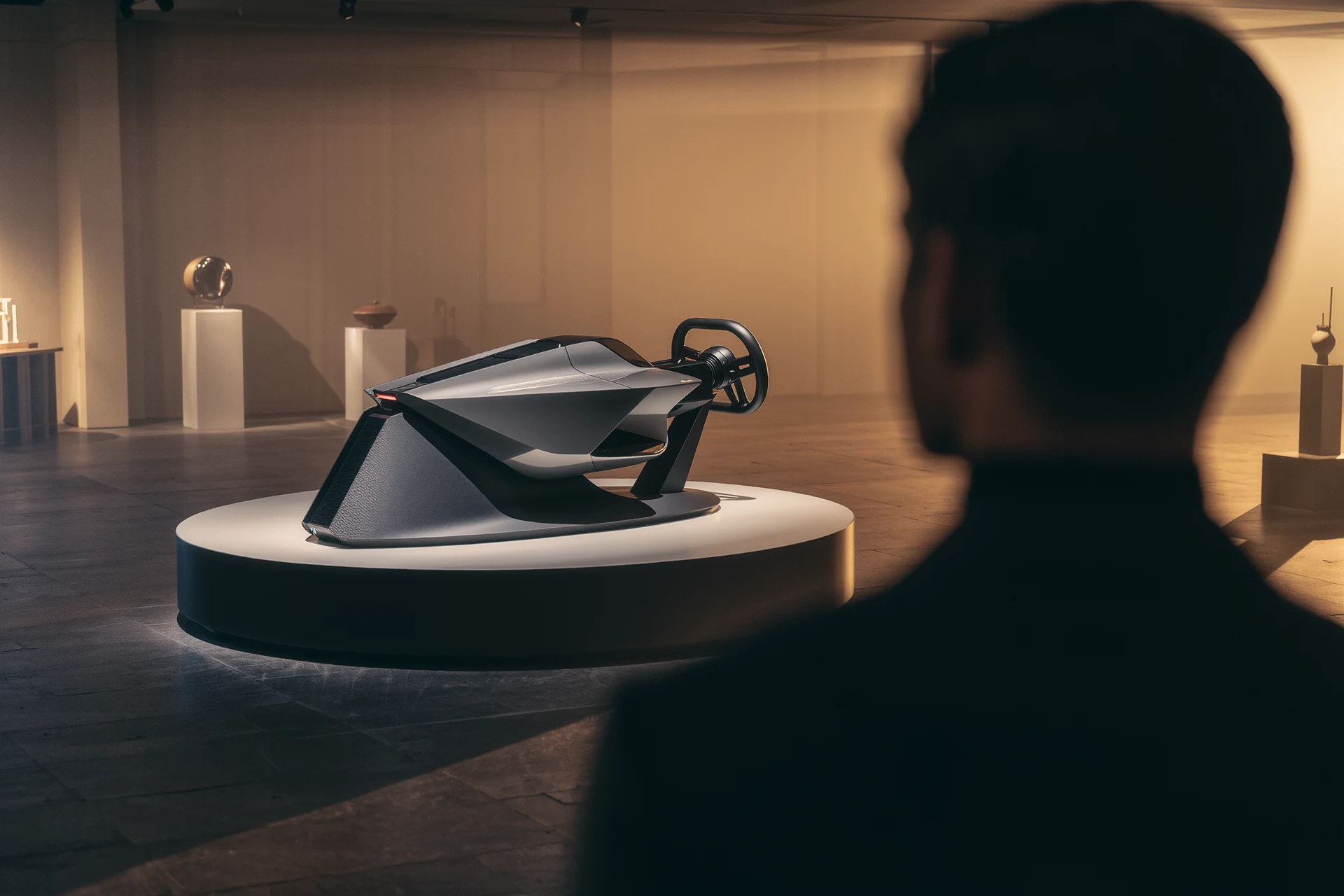
Having a racing simulator at your trade show booth can absolutely rev up engagement and leave a lasting impression. It’s a fantastic way to attract attendees, create a memorable experience, and subtly weave in your brand message, all while offering a high-energy, interactive break from the usual booth chatter.
Let’s face it, trade shows can be a grind. Rows of booths, endless pitches, and the same old brochures. Standing out is crucial if you want to capture attention and make a real connection. A racing simulator isn’t just a gimmick; it’s a dynamic tool that offers multiple benefits beyond sheer entertainment.
Attracting the Crowd
Imagine walking down an aisle, and suddenly you hear the roar of an engine and see people gathered around an exciting setup. That’s the power of a racing simulator. It creates instant visual and auditory appeal, drawing attendees in out of curiosity.
- Novelty Factor: It’s not something you see every day at a trade show, making it inherently interesting.
- FOMO (Fear Of Missing Out): When people see others having fun and interacting, they’re more likely to want to join in.
Creating Memorable Experiences
People might forget your product’s specific features, but they won’t forget the exhilarating feeling of being behind the wheel, even if it’s virtual. These positive experiences become associated with your brand.
- Emotional Connection: A simulator evokes excitement, competition, and a sense of accomplishment, all positive emotions that can rub off on your brand perception.
- Social Media Gold: People love sharing cool experiences. A racing simulator is highly shareable content, leading to organic social media buzz for your booth.
Enhancing Engagement and Dwell Time
Once attendees are at your booth, you want them to stick around. A simulator ensures a longer interaction period, giving your team more time to engage in meaningful conversations.
- Planned Waiting Times: While people wait for their turn, your staff can strike up conversations, qualify leads, and introduce your offerings.
- Post-Race Discussions: After a thrilling race, people are often energized and more open to chatting about their experience, making a natural segue into your business.
Types of Racing Simulators for Trade Shows
Not all racing simulators are created equal. Knowing the different options available can help you choose the best fit for your budget, space, and desired impact.
Basic Setups
These are often more budget-friendly and require less space, but still offer a good level of engagement.
- Wheel and Pedal Combos: A quality force-feedback steering wheel and pedal set connected to a gaming PC or console, displayed on a large screen. This is a solid entry-level option.
- Open Cockpit Rigs: These add a basic racing seat and a frame to mount the wheel and pedals, enhancing the immersion slightly without going full-blown custom.
Mid-Range Solutions
These step up the immersion with more specialized hardware and better graphics.
- Dedicated Racing Seats: More ergonomic and realistic racing seats, often with integrated sound systems for rumble effects.
- Multiple Monitor Setups: Three monitors arranged in a panoramic view provide a much wider field of vision, significantly increasing realism.
- VR (Virtual Reality) Integration: While potentially prone to motion sickness for some, a VR headset can offer unparalleled immersion, truly putting the attendee “in” the race car. This option requires mindful management to ensure comfort.
High-End & Full Motion Simulators
For maximum impact and a truly unforgettable experience, these are the heavy hitters.
- Motion Platforms: These professional-grade simulators feature hydraulic or electric platforms that move the entire cockpit, simulating G-forces, bumps, and turns. The realism is incredible.
- Custom Builds: Some companies specialize in crafting simulators that mimic specific race cars or have bespoke branding integrated directly into the hardware.
- Professional Software: Often uses high-fidelity simulation software typically reserved for professional drivers, offering a very accurate physics engine.
Integrating Your Brand Effectively
The simulator should be an extension of your brand, not just a standalone entertainment piece. Thoughtful integration will ensure it serves your marketing goals.
Visual Branding Opportunities
Make sure everyone knows this awesome simulation is brought to them by YOU.
- Booth Design Harmony: Ensure the simulator fits seamlessly into your overall booth aesthetic, using your brand colors, logos, and messaging.
- Custom Graphics: Wrap the simulator frame, racing seat, or even the in-game vehicles with your company logo and slogans.
- Leaderboard Customization: If you’re running a competition, brand the leaderboard with your company name and offers.
Subtly Weaving in Your Message
Avoid overt sales pitches during the racing experience. Instead, look for natural ways to connect the fun to your business.
- Thematic Connections: Is there a natural link between racing (speed, precision, innovation, competition, performance) and your product or service? Highlight this connection. For a tech company, it could be “cutting-edge performance.” For a logistics company, “driving efficiency.”
- Team Member Interaction: Train your staff to engage attendees in friendly conversation before and after their race, subtly guiding the discussion towards your offerings. “That rush of adrenaline reminds me of how we help our clients accelerate their business goals.”
- Digital Integration: Can the simulator’s software display your logo or brief messages during loading screens or between races?
Practical Considerations for Implementation
A successful simulator integration requires more than just picking the right equipment. Logistics, staffing, and event flow are equally important.
Space Requirements
Simulators, especially the full-motion ones, can take up a significant footprint.
- Measure Accurately: Know your booth dimensions and factor in space for queues, interaction zones, and power access.
- Clear Pathways: Ensure the simulator doesn’t block main walkways or egress points.
Power and Internet Needs
These systems are power-hungry, and often benefit from a stable internet connection.
- Dedicated Circuits: Request dedicated power circuits from the event organizer to prevent blackouts from shared power grids.
- Reliable Wi-Fi/Ethernet: If leaderboards, online competitions, or data capture are part of your plan, ensure a robust internet connection.
Staffing Your Simulator Station
This isn’t a “set it and forget it” attraction. You need dedicated, enthusiastic staff.
- Technical Support: Have someone on hand who can troubleshoot minor technical glitches, reset the game, and assist attendees with controls.
- Engagement Specialists: These staff members should be friendly, conversational, and adept at striking up conversations with attendees waiting in line or after their race. They are crucial for lead generation.
- Health & Safety: For VR or motion simulators, staff should be trained on potential motion sickness and how to assist attendees.
Managing the Flow of Attendees
High demand is great, but a chaotic queue can ruin the experience.
- Clear Queue Management: Use stanchions, signage, and staff to manage lines effectively.
- Time Limits: Set reasonable time limits per race (e.g. 2-3 minutes) to ensure more people get a turn without feeling rushed.
- Appointment/Sign-up System: For very popular exhibitors or high-end simulators, consider allowing attendees to sign up for a time slot, freeing them to explore the rest of your booth or other areas of the show.
Maximizing Lead Generation and Follow-Up
The simulator is a fantastic lead magnet, but you need a plan to convert that interest into tangible leads.
Data Capture Methods
Don’t let those valuable interactions disappear into thin air.
- Digital Lead Forms: Have tablets ready for attendees to quickly enter their contact information, perhaps to receive their race results, enter a prize drawing, or simply stay in touch.
- QR Codes: Display QR codes that link directly to a landing page where they can submit their details.
- Gamified Data Capture: “Enter your email to see your rank on the leaderboard!” or “Provide your details to claim a discount code!”
Incentives and Contests
A little friendly competition and a chance to win something goes a long way.
- High Score Challenges: Offer a desirable prize for the fastest lap time of the day or show. This encourages repeat visits and extends dwell time.
- Raffles: Every participant who provides contact info gets entered into a raffle for a larger prize.
- Branded Giveaways: Small, branded merchandise handed out after a race can be a nice touch and a reminder of your brand.
Post-Show Follow-Up Strategy
The real work begins after the show floor closes.
- Personalized Emails: Segment your leads based on their interaction level and send tailored follow-up emails. “Loved seeing you hit that hairpin turn at our booth!”
- Timely Outreach: Follow up quickly while the experience is still fresh in their minds.
- Connect the Dots: In your follow-up, subtly remind them of the connection between the fun they had at the simulator and your unique business value.
Potential Challenges and How to Overcome Them
No strategy is without its hurdles. Being prepared helps you navigate them smoothly.
Technical Glitches
Simulators are complex machines. Be ready for the unexpected.
- On-Site Manuals & Troubleshooting Guides: Have a binder with common issues and solutions.
- Vendor Support Contacts: Keep direct lines to your rental or purchase vendor for immediate assistance.
- Backup Plan: If the simulator goes down, what’s your alternative engagement strategy? (e.g. a planned demo, an interactive quiz).
Motion Sickness
Some attendees, especially with VR or full-motion rigs, might experience discomfort.
- Clear Warnings: Post disclaimers about potential motion sickness.
- Staff Training: Train staff to recognize symptoms and politely offer assistance (e.g. stopping the simulation, offering water, having a seat).
- Ginger Candy/Mint Availability: A small, thoughtful gesture for those feeling a bit queasy.
Noise Levels
Simulators can be loud, especially with integrated sound systems.
- Booth Positioning: Try to position the simulator strategically so it doesn’t overwhelm sensitive areas of your booth where quieter conversations might take place.
- Headphones: Provide noise-canceling headphones for participants if the surrounding noise is distracting or to contain the simulator’s sound.
Rental vs. Purchase Decisions
This is a significant financial and logistical question to consider.
- One-Off Event: Renting is usually more cost-effective for a single event or if you’re experimenting.
- Multiple Events/Showrooms: Purchasing might make sense if you plan to use it at many shows, in your permanent showroom, or for internal team-building.
- Maintenance & Storage: Factor in ongoing maintenance, transport, and storage costs if buying. Rental companies typically handle these aspects.
A racing simulator at your trade show booth isn’t just a novelty; it’s a strategic investment in creating a dynamic, memorable, and lead-generating experience. By carefully considering the type of simulator, integrating your brand, and planning the logistics, you can truly make your booth the talk of the show and drive tangible results for your business.
FAQs
What is a racing simulator for trade shows?
A racing simulator for trade shows is a virtual reality system that allows participants to experience the thrill of racing in a realistic and immersive environment. It typically includes a motion platform, steering wheel, pedals, and high-quality graphics to simulate the experience of driving a race car.How is a racing simulator used at trade shows?
Racing simulators are used at trade shows to attract and engage attendees. They provide a fun and interactive experience that can draw people to a company’s booth or display. Participants can compete in races, and the simulator can be customized with branding and promotional materials to showcase a company’s products or services.What are the benefits of using a racing simulator at trade shows?
Using a racing simulator at trade shows can help companies stand out from the competition and create a memorable experience for attendees. It can also provide a unique way to demonstrate products or services, generate leads, and increase brand awareness. Additionally, it can create a buzz and draw attention to a company’s booth.What types of companies can benefit from using a racing simulator at trade shows?
Companies in the automotive industry, including car manufacturers, racing teams, and aftermarket parts suppliers, can benefit from using a racing simulator at trade shows. Additionally, companies in other industries looking to create an engaging and interactive experience for attendees can also benefit from using a racing simulator.Are there different types of racing simulators available for trade shows?
Yes, there are different types of racing simulators available for trade shows, ranging from basic setups with a stationary seat and screen to more advanced systems with motion platforms and virtual reality headsets. The choice of simulator depends on the specific goals and budget of the company using it at the trade show.More from Events & Experiences
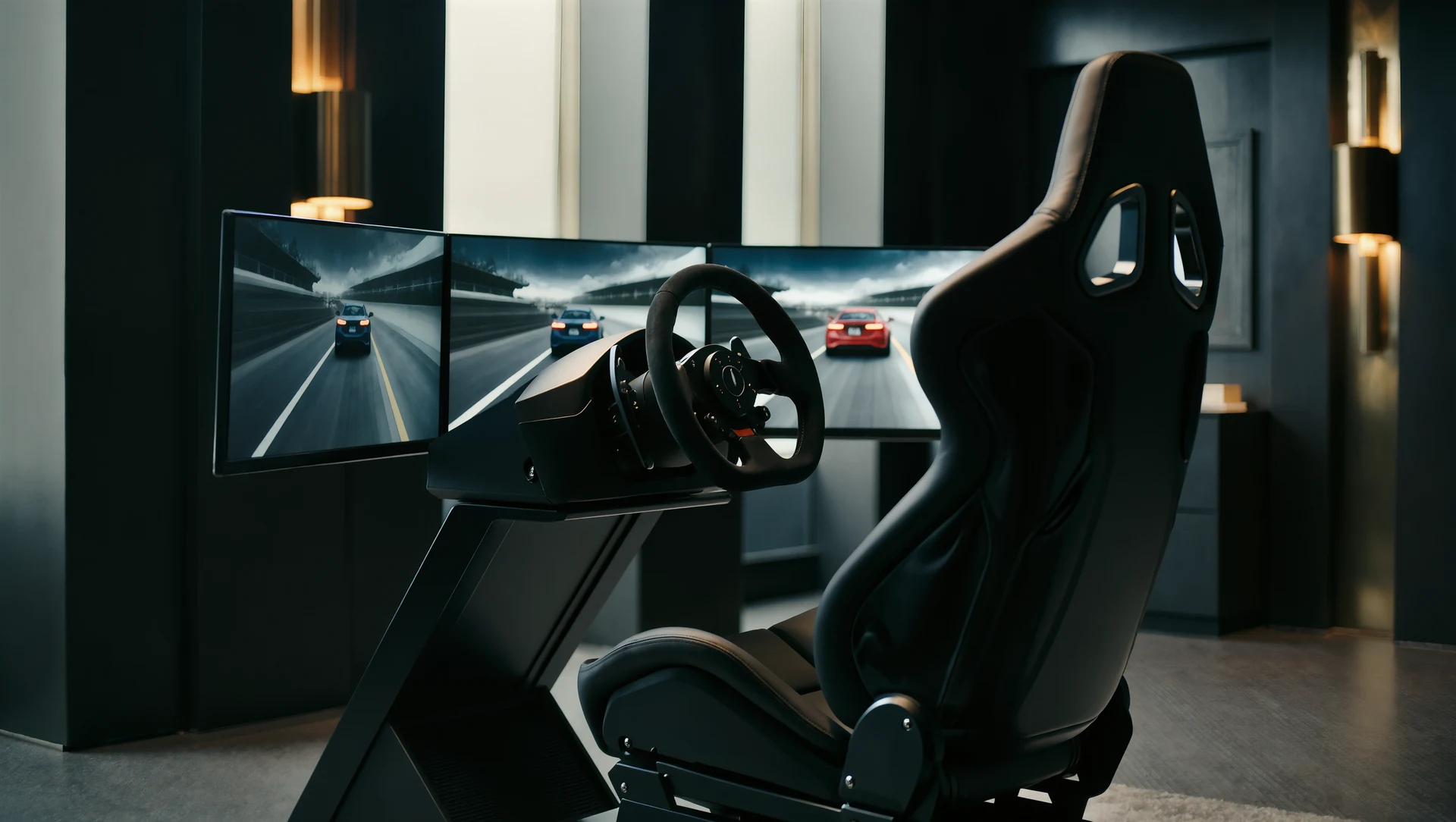
Sim Racing Birthday Bash: Celebrating in Style
So, you’re thinking about throwing a sim racing birthday bash? Awesome idea! It’s a fantastic way to celebrate for anyone who loves cars, compet…
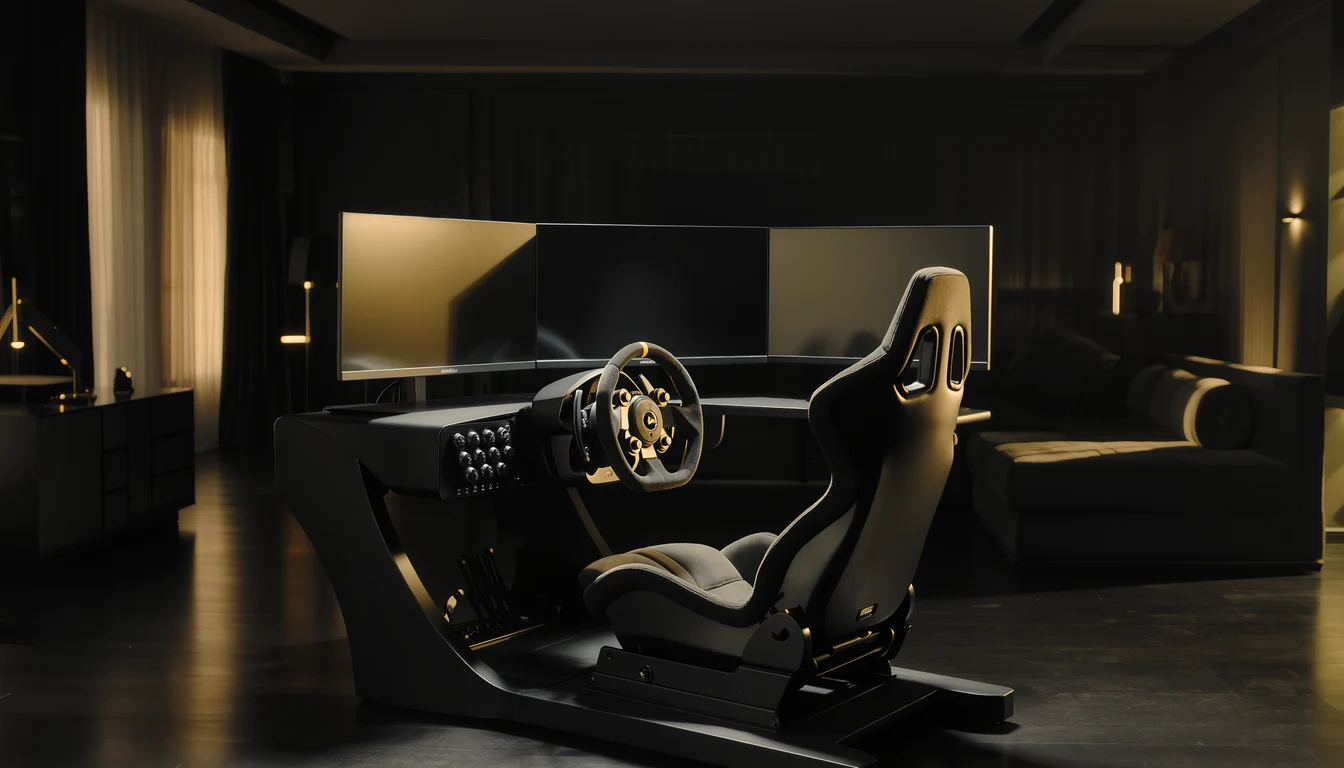
Ultimate Racing Simulator Challenge: Test Your Skills
So, you’re looking to dive into the “Ultimate Racing Simulator Challenge: Test Your Skills”? Great question! Essentially, it’s…
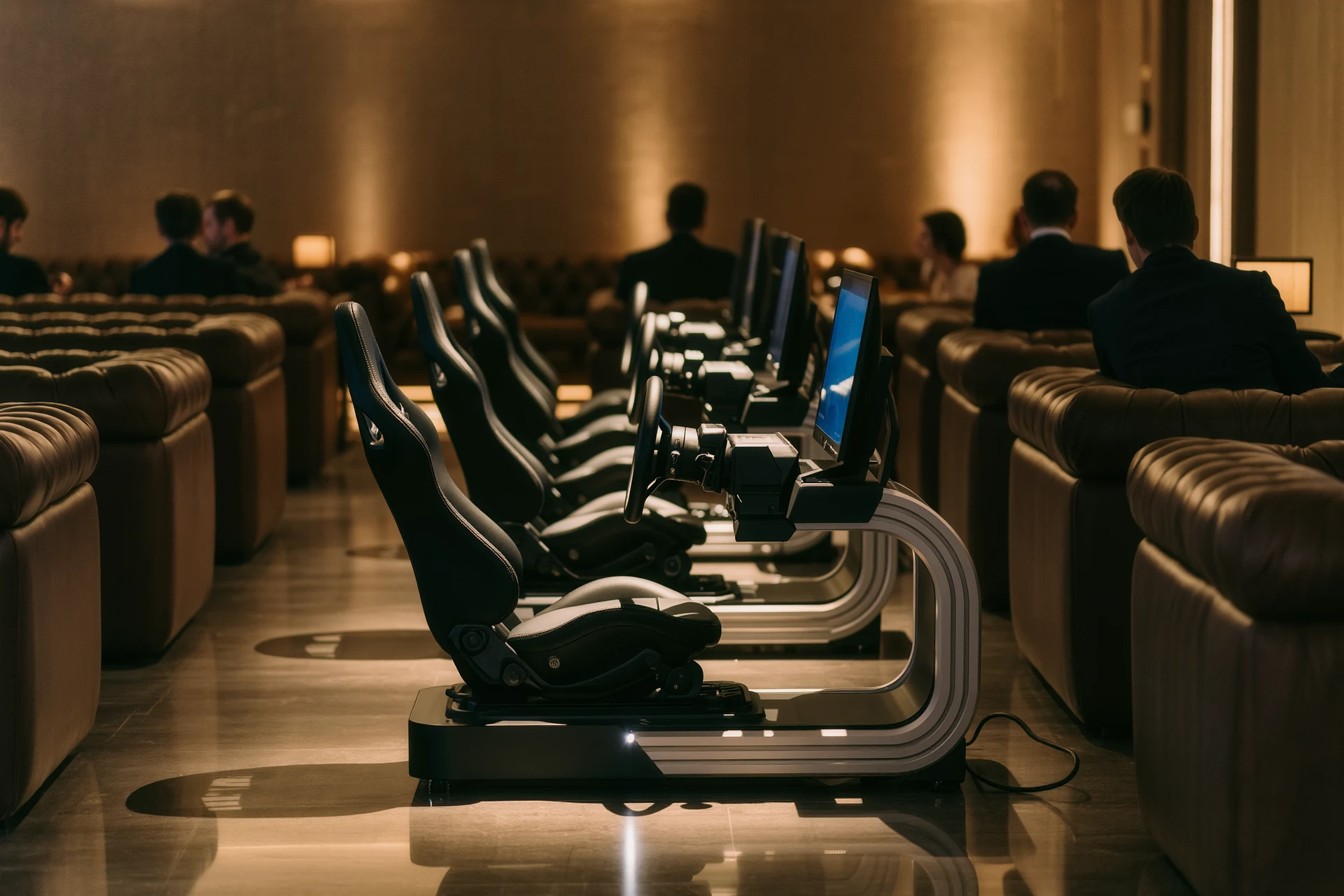
Maximizing Team Performance with Racing Simulator
Using racing simulators for team performance? Absolutely, it’s a solid strategy with a surprising number of benefits beyond just driving skills.…