Revolutionizing Hypercar Design: The Future of Automotive Innovation
Hypercar design is definitely a wild frontier, constantly redefining what’s possible in automotive engineering and aesthetics. The core of it boils down to an relentless purs…
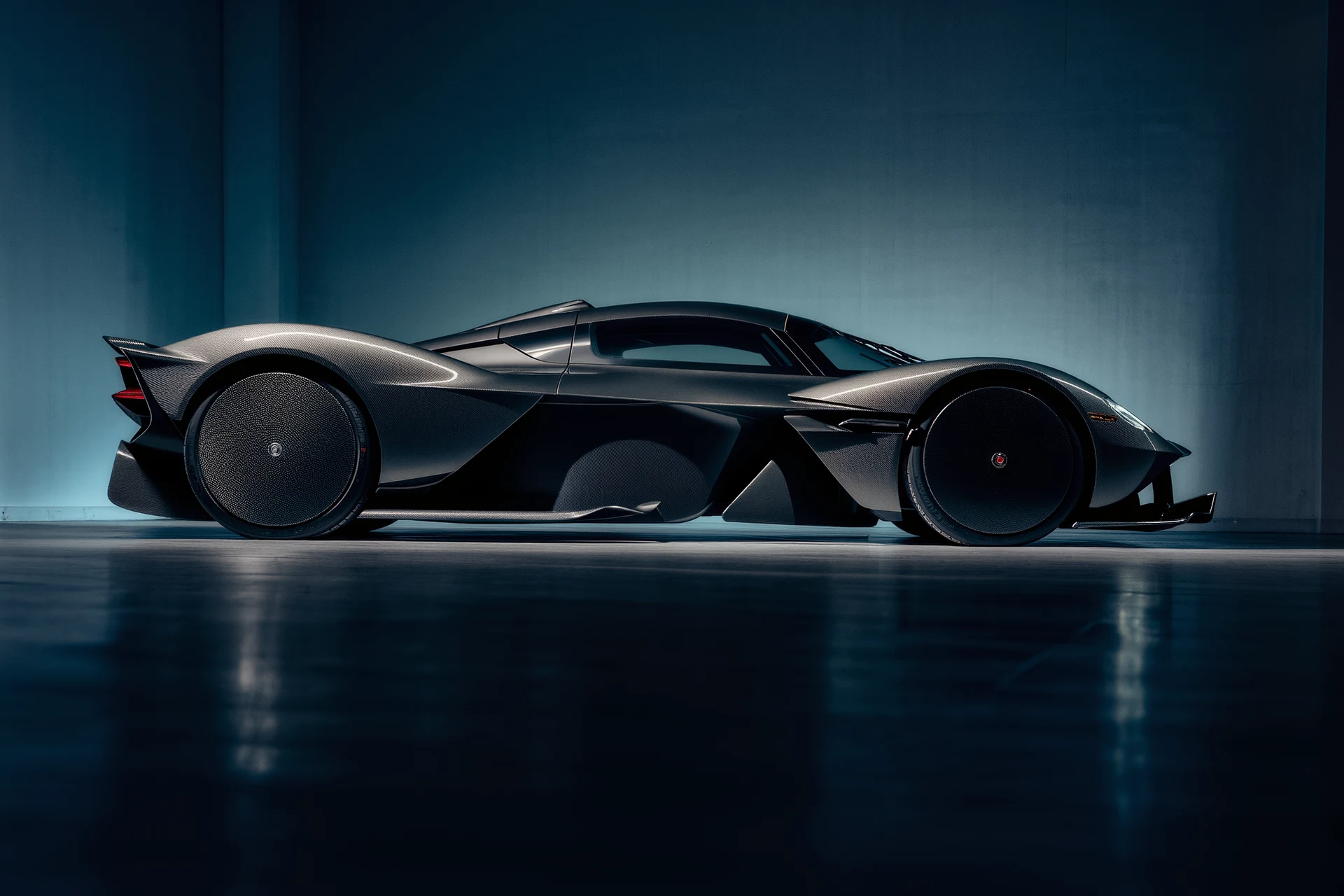
Hypercar design is definitely a wild frontier, constantly redefining what’s possible in automotive engineering and aesthetics. The core of it boils down to an relentless pursuit of performance, often pushing boundaries with exotic materials, advanced aerodynamics, and cutting-edge propulsion. It’s not just about speed anymore; it’s about optimizing every single aspect for a holistic, unparalleled driving experience that goes beyond the track and into the realm of artistry.
When you talk about hypercars, carbon fiber is often the first thing that comes to mind, and for good reason. It’s incredibly strong and light. But the future of hypercar materials is far more diverse and exciting. We’re seeing a shift towards even more sophisticated composites and smart materials that can adapt and react.
The Evolution of Composites: Beyond Basic Carbon
While carbon fiber reinforced polymer (CFRP) is still king, engineers are exploring new weave patterns and resin systems to further optimize its properties. Think about carbon fiber prepregs layered in complex, multi-directional matrices to handle specific stress points more effectively. It’s not just about a sheet of carbon; it’s about engineering its internal structure for maximum impact and torsional rigidity. We’re also seeing an increase in the use of braided carbon fiber, which offers different strength characteristics and can be more efficient in certain applications.
Unlocking Lightweighting: Metals on the Micro-Scale
It’s not just about composites. Advanced metals are also making a comeback, but in highly specialized forms. Think about next-generation aluminum alloys, magnesium alloys, and even titanium. These aren’t your typical automotive metals. They’re often manufactured using additive processes like 3D printing, allowing for incredibly intricate, lightweight structures that wouldn’t be possible with traditional machining. For example, a suspension upright could be 3D printed from titanium with an internal lattice structure, making it significantly lighter and stronger than a forged aluminum component.
Smart Materials: The Responsive Future
This is where things get really interesting. Imagine car components that can change their properties on demand. Shape memory alloys, for instance, could be used in adaptive aerodynamic elements that change their angle based on speed or cornering forces, then revert to their original shape. Electrochromatic glass, already seen in some luxury cars, could become more prevalent, allowing drivers to instantly adjust the tint of their windows or even have sections of the bodywork become transparent for better visibility. Even self-healing polymers, though still largely in the research phase, could eventually lead to exterior panels that repair minor scratches and dings on their own.
The Air Whisperers: Aerodynamics Redefined
Aerodynamics in hypercars isn’t just about making the car slippery; it’s about actively controlling airflow to generate downforce, reduce drag, and even assist with cooling. The future of hypercar aero is less about static wings and more about active, intelligent systems that constantly adapt.
Active Aerodynamics: More Than Just a Rear Wing
Gone are the days when an adjustable rear wing was considered cutting-edge. Modern hypercars employ sophisticated active aerodynamic systems with multiple moving elements. This could include adjustable front splitters, diffusers that change shape, and even flaps that subtly alter the car’s profile. The goal is to optimize downforce and drag in real-time, based on speed, steering input, braking, and even GPS data about the upcoming corners. Think predictive aero, where the car anticipates the driver’s next move and adjusts itself accordingly.
Ground Effect and Venturi Tunnels: Sticking to the Road
The concept of ground effect, famously exploited in Formula 1 in the late 70s and early 80s, is making a sophisticated return in hypercar design. Instead of relying solely on wings, designers are sculpting the underbody of the car into elaborate venturi tunnels. These tunnels create low-pressure zones beneath the car, effectively sucking it to the road. This generates immense downforce with minimal drag penalty, as the air shaping for downforce is happening out of sight.
Biomimicry and Micro-Aerodynamics: Learning from Nature
We’re starting to see inspiration drawn from nature. Think of shark skin patterns being used to reduce drag, or the intricate airflow control seen in birds of prey informing adaptive wing designs. Furthermore, micro-aerodynamics, the manipulation of airflow at a very small scale, is an exciting area. This could involve tiny jets of air directed over surfaces to reduce boundary layer separation or even microscopic surface textures that alter airflow characteristics.
Powering the Future: Electrification and Beyond
While roaring V12s hold a special place, the future of hypercar propulsion is undeniably electric or at least heavily hybridized. This shift isn’t just about emissions; it’s about unlocking new levels of performance and packaging flexibility.
Hybrid Hypercars: The Best of Both Worlds
For the foreseeable future, hybrid powertrains will likely dominate the hypercar landscape. This isn’t just about adding an electric motor; it’s about seamlessly integrating electric power for torque infill, all-wheel drive, and even track-focused boost functions. The electric motors provide instant torque, eliminating turbo lag and allowing for incredibly precise power delivery. Imagine a V10 engine working in conjunction with powerful electric motors that can vector torque to individual wheels, enhancing cornering grip and agility.
All-Electric Hypercars: Instant Torque, Silent Fury
The current crop of all-electric hypercars is already demonstrating the immense potential of this technology. Instant, colossal torque, precise power delivery, and the ability to package batteries and motors in innovative ways are game-changers. The challenge remains battery weight and charging infrastructure, but as battery technology improves (higher energy density, faster charging), all-electric hypercars will become even more prevalent. Imagine solid-state batteries that offer significantly more range and faster charging times than current lithium-ion units.
Alternative Fuels and Hydrogen: Beyond Batteries
While electrification is dominant, research into alternative fuels and hydrogen power shouldn’t be overlooked. Synthetic fuels, produced using renewable energy, could allow the internal combustion engine to live on in a more sustainable form. Hydrogen fuel cells, or even direct hydrogen combustion engines, offer a zero-emission alternative with fast refueling times. While these are perhaps further down the line for hypercars, they represent interesting avenues for future development, particularly where sustained high power output is required.
The Human-Machine Interface: A Symbiotic Relationship
Driving a hypercar is an intense experience, and the interface between the driver and the machine is crucial. The future will see this interface become even more intuitive, predictive, and personalized, almost creating a symbiotic relationship.
Augmented Reality and Holographic Displays: Information at a Glance
Traditional instrument clusters are slowly giving way to more dynamic and immersive displays. Augmented reality (AR) windshields could project vital information directly onto the road ahead, highlighting racing lines, braking points, or even showing other track users. Holographic displays could offer three-dimensional representations of vehicle data or navigation, reducing the need for drivers to glance away from the road.
Haptic Feedback and Biometric Integration: Feeling the Road, Sensing the Driver
Haptic feedback in the steering wheel and pedals could provide nuanced information about grip levels, slip, or even impending system failures. Imagine a steering wheel that vibrates subtly when the front tires are starting to lose adhesion. Furthermore, biometric sensors could monitor the driver’s heart rate, stress levels, and even eye movements, allowing the car to adapt its settings to optimize performance and safety based on the driver’s physiological state. A fatigue detection system, for example, could gently suggest a rest stop or even subtly alter the car’s handling characteristics for increased stability.
AI Co-Pilots and Driver Coaches: Perfecting the Line
Advanced artificial intelligence (AI) could act as a sophisticated co-pilot or driving coach. This isn’t about autonomous driving; it’s about providing real-time feedback and guidance to help the driver extract the maximum performance from the car. The AI could analyze telemetry data, compare it to professional driver laps, and offer suggestions on braking points, throttle application, and steering inputs. It could even dynamically adjust vehicle settings based on the driver’s performance and comfort level.
Beyond Performance: Luxury, Exclusivity, and Sustainability
Hypercars are more than just speed machines; they are statements of luxury, exclusivity, and increasingly, sustainability. The future will see these aspects elevated to new heights.
Bespoke Customization: A Canvas for Personal Expression
The level of customization in hypercars is already extraordinary, but it will become even more personalized. Imagine not just choosing colors and materials, but having every aspect of the car tailored to your specific preferences, from seat ergonomics to the precise tuning of the exhaust note. Additive manufacturing will play a key role here, allowing for unique, bespoke components that are one-offs. This isn’t just about options; it’s about co-creation, where the owner becomes an integral part of the design process.
Sustainable Luxury: Performance with a Conscience
The hypercar market is not immune to calls for sustainability. While outright efficiency might not be the primary driver, manufacturers are increasingly focusing on sustainable materials and production processes. This could involve using recycled carbon fiber, plant-based composites for interior trims, or even leather alternatives grown in labs. The entire supply chain will be scrutinized for its environmental impact, and hypercar brands will increasingly highlight their commitment to eco-friendly practices. This isn’t just about avoiding criticism; it’s becoming a new facet of luxury, demonstrating a commitment to responsible consumption.
The ‘Experience’ Factor: More Than Just a Car
Owning a hypercar is already an experience, but this will be amplified. Exclusive track days, bespoke driving tours, and tailored events will become standard offerings. We’ll also see hypercar ownership evolve into a digital realm, with advanced simulators that replicate the car’s dynamics in stunning detail, allowing owners to “drive” their car even when it’s not present. Imagine a metaverse where your hypercar exists virtually, allowing for digital interactions and experiences. It’s about building a community and offering a lifestyle, not just a mode of transport.
In conclusion, the future of hypercar design is a thrilling blend of radical technological advancement and a deep reverence for the driving experience. It’s about pushing boundaries in every conceivable way, all while shaping a future that’s faster, smarter, and perhaps, more sustainable than we ever imagined. It’s not just about getting from A to B quickly; it’s about the journey itself becoming an unparalleled testament to human ingenuity.
FAQs
What is a hypercar?
A hypercar is a high-performance sports car that is designed with cutting-edge technology and materials to achieve extreme speed, acceleration, and handling capabilities. These cars are often limited in production and come with a high price tag.What are some common design features of hypercars?
Hypercars often feature aerodynamic designs to reduce drag and improve stability at high speeds. They also incorporate lightweight materials such as carbon fiber to reduce overall weight and improve performance. Many hypercars also have unique and futuristic exterior designs to stand out from traditional sports cars.How does the design of a hypercar contribute to its performance?
The design of a hypercar plays a crucial role in its performance. Aerodynamic features help reduce drag and improve downforce, allowing the car to achieve higher speeds and better handling. Lightweight materials and advanced engineering contribute to improved power-to-weight ratios, acceleration, and overall agility.What are some notable examples of hypercar designs?
Some notable examples of hypercar designs include the Bugatti Chiron, Koenigsegg Jesko, McLaren P1, and the Rimac C_Two. These cars are known for their exceptional performance, advanced technology, and striking designs.How is the design of hypercars evolving in the automotive industry?
The design of hypercars is constantly evolving as manufacturers push the boundaries of technology and engineering. This includes advancements in aerodynamics, materials, and hybrid or electric powertrains to improve performance while also addressing environmental concerns. Additionally, there is a growing focus on incorporating advanced driver-assistance systems and connectivity features into hypercar designs.More from Hypercars
The Rise of Hypercar Investment: The Future of Luxury Performance Cars
Thinking about hypercars as an investment? It’s a question many high-net-worth individuals are pondering. The short answer is: yes, they can be …
Ultimate Hypercar Experience: A Thrilling Ride
So, you’re curious about the ultimate hypercar experience, wondering what it really entails beyond just seeing these incredible machines on a sc…
The Top Hypercar Brands: A Guide to the Ultimate Performance Machines
So, you’re wondering which hypercar brands truly stand out from the crowd? The answer isn’t just about speed; it’s a blend of engine…