Revolutionizing the Road: Electric Hypercars
So, electric hypercars. Are they really changing the game for high-performance driving, or are they just fancy, silent toys? The short answer is: yes, they’re fundamentally r…
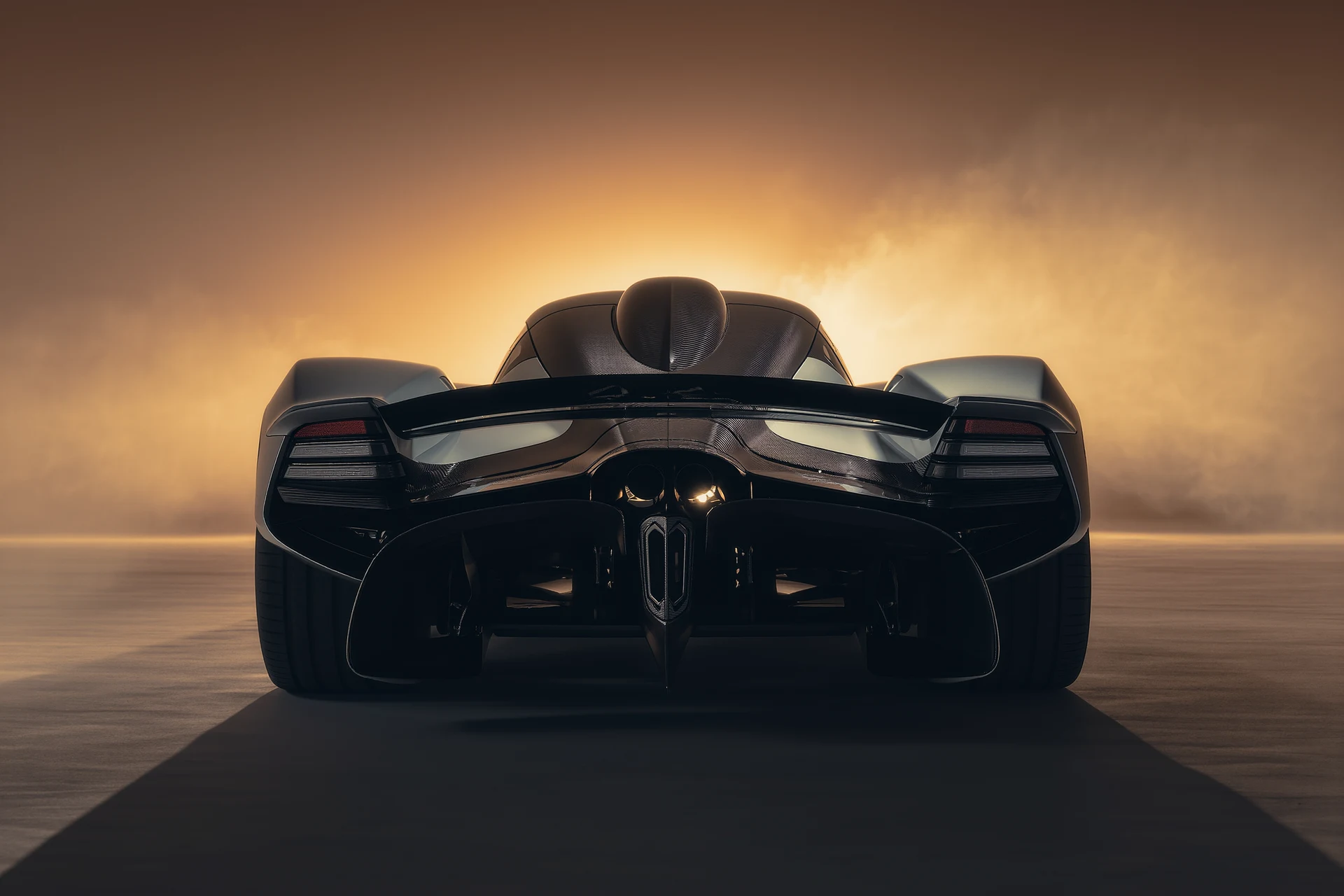
So, electric hypercars. Are they really changing the game for high-performance driving, or are they just fancy, silent toys? The short answer is: yes, they’re fundamentally revolutionizing the road, bringing speeds and acceleration that were once science fiction into reality, all while drastically reimagining what a supercar can be from an engineering and environmental perspective. Forget the rumbling V8s of yesteryear; a new breed of electric beast is here, and it’s not just about going fast.
The Electric Surge: More Than Just Torque
When you hear “electric car,” you might picture a sensible sedan plugging in at home. That’s not what we’re talking about here. Electric hypercars are built for one thing: obliterating performance boundaries. The secret sauce is instant torque. Unlike combustion engines that need to rev up to deliver their power, electric motors unleash their maximum twist from a standstill.
Instantaneous Acceleration: A Force of Nature
Imagine pressing the accelerator and being pushed into your seat with the force of a small jet. That’s the experience of an electric hypercar. Zero to sixty miles per hour can happen in under two seconds, a figure that was unthinkable for even the most extreme gasoline-powered cars just a decade ago. This isn’t just a number on a spec sheet; it translates to a visceral, almost overwhelming sensation of speed.
The Physics of Thrills: How Electric Motors Excel
The high power density of electric motors and the ability to precisely control the power delivery to each wheel are key. Sophisticated traction control systems prevent wheelspin even under such immense acceleration, ensuring every ounce of energy is translated into forward motion. This meticulous engineering means these cars aren’t just fast in a straight line; their responsiveness makes them incredibly agile.
Redefining “Performance”: Beyond Top Speed
While top speeds are still incredibly impressive, often exceeding 200 mph, the story of electric hypercars is about more than just hitting a magic number on a dry lakebed. It’s about the quality of the performance. The seamless, linear surge of power, the precision steering, and the ability to instantly adjust speed without the clunkiness of gear changes create a driving experience that’s both exhilarating and remarkably refined.
The Technological Leap: Batteries, Power, and Precision
The advancements in battery technology are what truly unlock the potential of electric hypercars. It’s not just about having a big battery; it’s about how that battery is managed, cooled, and integrated into the vehicle’s architecture.
Battery Innovation: The Heart of the Electric Beast
These aren’t the same batteries you find in your phone. We’re talking about high-energy-density cells, often featuring advanced chemistries and robust thermal management systems to prevent overheating during sustained high-output driving. The sheer amount of energy stored and the speed at which it can be discharged are critical to delivering the hypercar experience.
Capacity vs. Discharge Rate: A Balancing Act
It’s a delicate dance between how much energy a battery can hold (capacity) and how quickly it can deliver that energy (discharge rate). For a hypercar, the discharge rate is paramount for acceleration. Engineers have to find ways to pack in enough cells to provide the necessary power without making the car prohibitively heavy.
Cooling Systems: Keeping the Fury Measured
Pushing electric motors to their absolute limits generates a lot of heat. Sophisticated liquid-cooling systems, often multiple loops targeting different components, are essential to keep the batteries and motors functioning optimally. Without them, the performance would rapidly degrade.
Advanced Electronics: The Brains Behind the Brawn
The software and control electronics in these cars are immensely complex. They manage everything from the power distribution to each motor, the regenerative braking, and the driver-selectable performance modes. This precision allows for tailored driving experiences, from track-focused aggression to more comfortable road cruising.
Torque Vectoring: Pinpoint Accuracy on the Road
Many electric hypercars utilize advanced torque vectoring systems. This means the car can independently control the amount of torque sent to each individual wheel. The result? Unprecedented agility and grip, allowing drivers to corner at speeds that would send a conventional car into a spin. It actively pushes the car through a corner.
Regenerative Braking: Capturing Energy, Enhancing Control
Regenerative braking isn’t just about recouping energy wasted during deceleration; it’s also a powerful control tool. The electric motors act as generators, slowing the car down and sending energy back to the battery. This can be tuned to provide a significant braking effect, reducing wear on traditional brakes and offering a different, often more intuitive, way to control speed in corners.
Design and Aerodynamics: Form Follows Function, Electrically
The visual language of electric hypercars is evolving. While they retain the aggressive stances and exotic lines we expect from their gasoline predecessors, the focus shifts. Aerodynamics are still king, but the means of achieving downforce and cooling are different.
Sleek Profiles: More Than Just Looks
The absence of a traditional engine and exhaust system allows for a cleaner, more aerodynamic design. Designers can create smoother underbodies, integrate airflow channels more effectively, and develop innovative active aerodynamic elements that deploy and retract based on speed and driving conditions.
Eliminating Exhaust Heat: Design Freedom
The need to manage exhaust heat and emissions is gone, giving designers more freedom with rear-end styling and material choices. This opens up possibilities for thinner, more integrated lighting and a generally cleaner, uncluttered aesthetic.
Cooling Needs: Rethinking Air Inlets
While they don’t have a massive gasoline engine to cool, electric hypercars still require substantial airflow for their batteries, motors, and power electronics. This is often achieved through carefully sculpted air intakes, ducted channels, and strategically placed vents that contribute to both cooling and aerodynamic efficiency.
Active Aerodynamics: A Dynamic Dance
Many electric hypercars feature active aero elements like deployable wings, splitters, and diffusers. These components adjust automatically to optimize downforce and drag at different speeds, providing greater stability and grip when needed and reducing drag for higher top speeds.
The Driving Experience: Familiarity and the Future
For drivers, the fundamental controls of a hypercar remain: steering wheel, accelerator, brakes. But the sensation and interaction are profoundly different. Some find it liberating, others take time to adjust.
The Silky Smooth Surge: A New Kind of Power
The immediate, linear acceleration is the most striking difference. There are no gear shifts to interrupt the flow of power. The car simply goes. This can be incredibly addictive, but it also means you need to be acutely aware of your speed, as it can build astonishingly quickly.
Understanding the Nuance: From Roar to Whisper
The lack of engine noise is a significant departure. While some performance exhaust notes are designed into simulated sounds through the audio system, the raw, mechanical orchestra of a V12 is absent. Many drivers find this creates a more focused, almost meditative driving experience, allowing them to better hear tire noise and chassis feedback. Others miss the visceral auditory feedback.
Braking and Cornering: Precision Engineered
The feel of the brakes can vary depending on how much regenerative braking is dialed in. Some systems mimic traditional brake feel, while others can feel a bit more digital. However, the cornering capabilities, thanks to torque vectoring and the low center of gravity provided by the battery pack, are often astonishingly precise and G-force inducing.
The Added Dimension of Control: AI and Driver Input
The interplay between the highly sophisticated electronic driver aids and the driver’s inputs is crucial. These systems are designed to enhance, not replace, the driver. Learning how to work with the torque vectoring and regenerative braking systems can unlock the full potential of these machines.
The Environmental Question: Performance with a Conscience?
This is where the “revolutionizing the road” aspect gets particularly interesting. Electric hypercars are performance machines, but they also represent a significant potential shift in how we think about speed and emissions.
Zero Tailpipe Emissions: A Clear Win
The most obvious environmental benefit is the lack of tailpipe emissions. While the electricity generation source matters for the overall footprint, the car itself contributes zero pollution directly into the atmosphere when in operation. This is a stark contrast to the smog-inducing nature of traditional high-performance vehicles.
The Energy Source Dilemma: From Grid to Tire
The environmental impact of an electric hypercar is directly tied to how its electricity is generated. If powered by renewable energy sources like solar or wind, the overall footprint is significantly reduced. If powered by fossil fuels, the argument becomes more complex. However, the potential for a cleaner future is undeniably present.
Manufacturing Footprint: The Next Frontier
The production of batteries, particularly the mining of raw materials like lithium and cobalt, has its own environmental considerations. The industry is actively working on more sustainable mining practices, battery recycling programs, and the development of batteries using less problematic materials. This is an area of ongoing evolution.
Longevity and Refurbishment: A Longer Lifecycle
The potential for electric hypercars to have a longer operational lifespan, with the possibility of battery refurbishment or replacement rather than complete vehicle disposal, could also contribute to a more sustainable model for high-performance vehicles. This is a nascent area, but one with significant promise.
The Future of Speed: What’s Next?
Electric hypercars are not a fleeting trend; they are setting the direction for the future of automotive performance. As battery technology continues to advance, and as racing series embrace electrification, we can expect even more groundbreaking innovations.
More Power, More Range, More Accessibility?
The ongoing push for greater energy density in batteries will likely lead to even longer ranges, addressing one of the common concerns about electric vehicles. As production scales up and technology matures, we might see the performance envelope of electric hypercars become more accessible, though perhaps not in the affordable sense.
Electrifying Motorsport: The Ultimate Testbed
Motorsport is a crucial proving ground for automotive technology. As electric racing series like Formula E gain traction and influence, the innovations developed for these highly demanding environments will inevitably filter down to road-going electric hypercars. Expect more extreme performance and advanced aerodynamic
FAQs
What are electric hypercars?
Electric hypercars are high-performance electric vehicles that are designed to deliver exceptional speed, acceleration, and handling. They are equipped with advanced electric powertrains and cutting-edge technology to achieve superior performance.How fast can electric hypercars go?
Electric hypercars are capable of reaching top speeds of over 200 miles per hour (320 kilometers per hour) and can accelerate from 0 to 60 miles per hour (0 to 100 kilometers per hour) in just a few seconds. Some models can even achieve 0-60 mph in under 2 seconds.What are some examples of electric hypercars?
Some examples of electric hypercars include the Rimac C_Two, Pininfarina Battista, Lotus Evija, and the Tesla Roadster. These vehicles are known for their exceptional performance, advanced technology, and luxurious design.How do electric hypercars compare to traditional hypercars?
Electric hypercars offer several advantages over traditional hypercars, including instant torque delivery, lower maintenance costs, and reduced environmental impact. They also have the potential to achieve higher performance levels and acceleration due to the nature of electric powertrains.What is the future of electric hypercars?
The future of electric hypercars looks promising, with advancements in battery technology, electric powertrains, and aerodynamics. As the automotive industry continues to shift towards electrification, we can expect to see more electric hypercars with even greater performance and range in the coming years.More from Hypercars
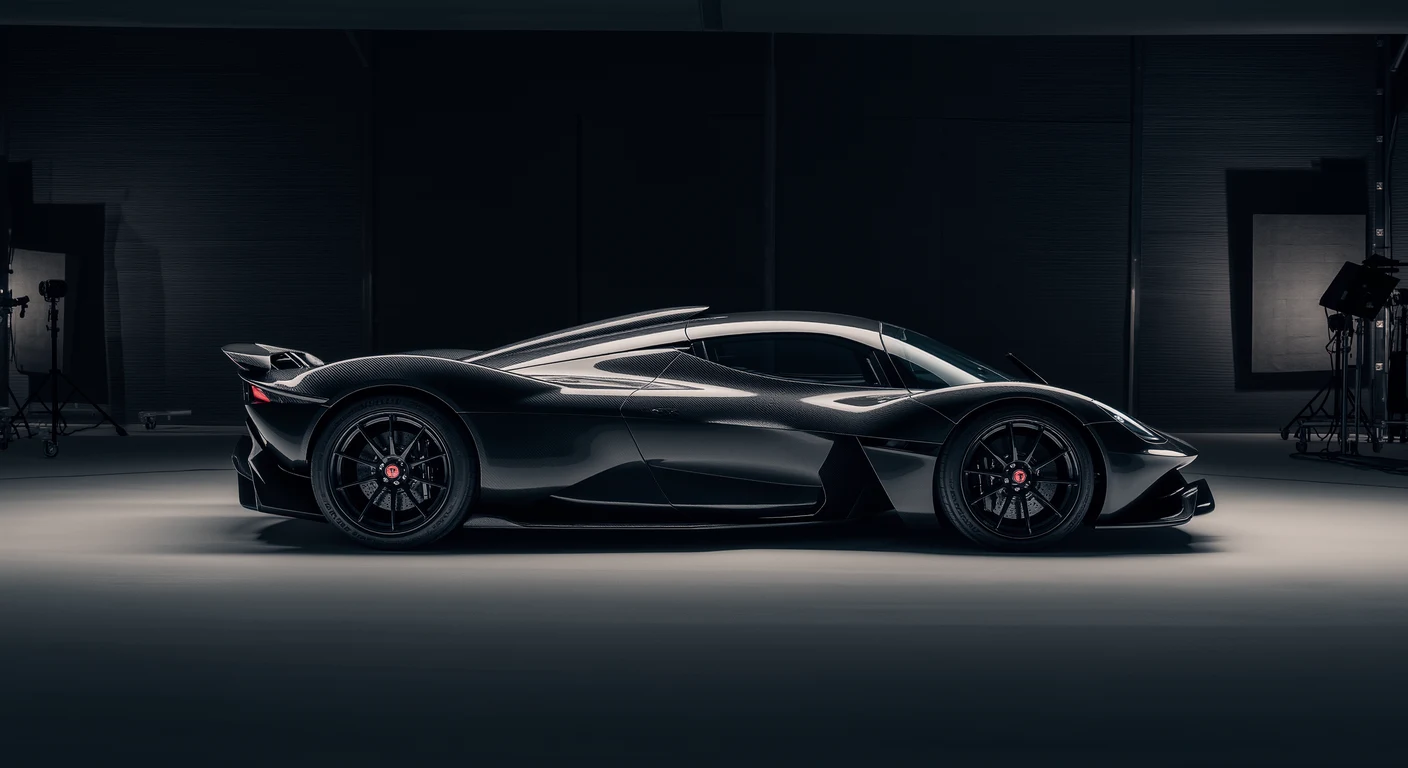
The Rise of Hypercar Investment: The Future of Luxury Performance Cars
Thinking about hypercars as an investment? It’s a question many high-net-worth individuals are pondering. The short answer is: yes, they can be …
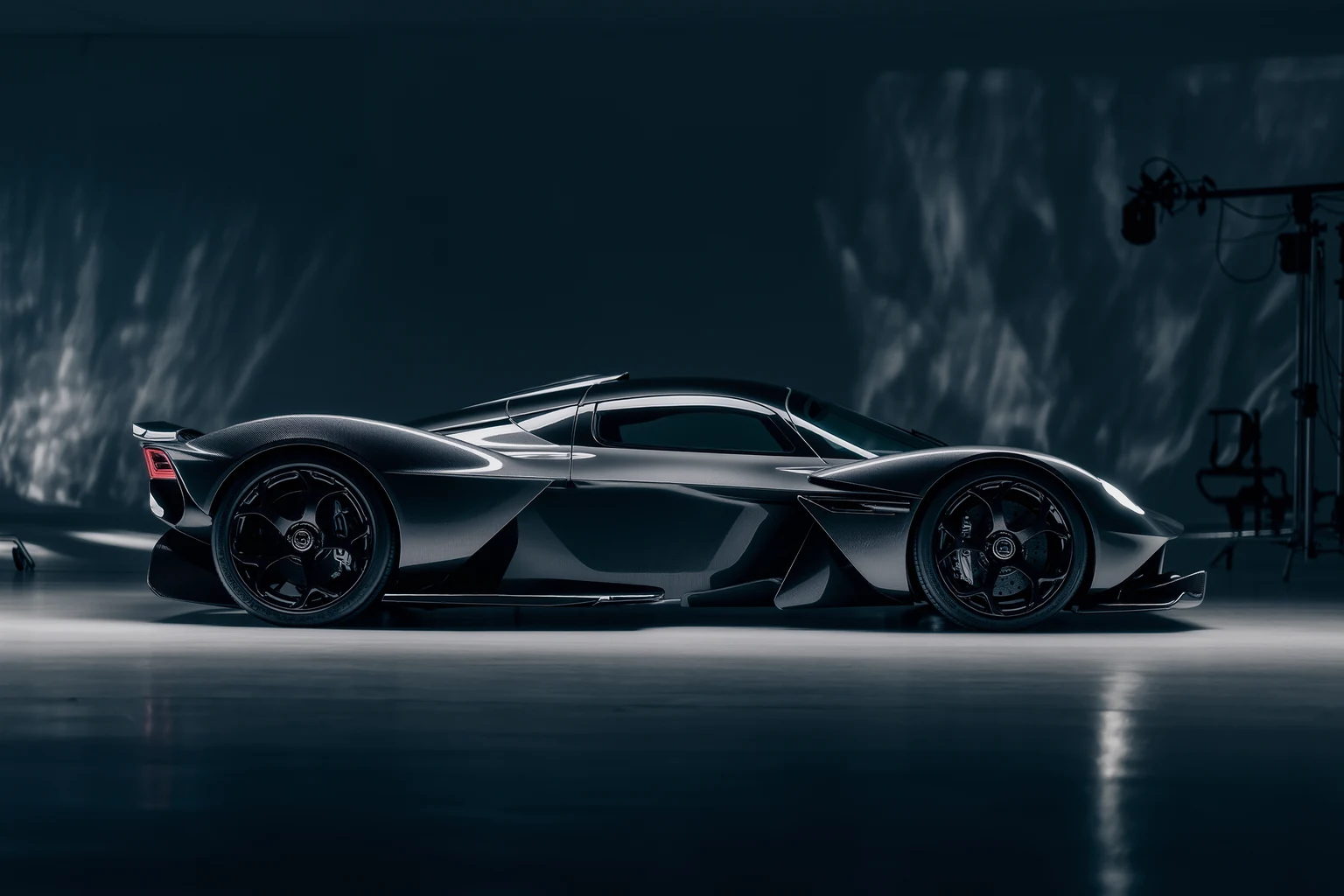
Ultimate Hypercar Experience: A Thrilling Ride
So, you’re curious about the ultimate hypercar experience, wondering what it really entails beyond just seeing these incredible machines on a sc…
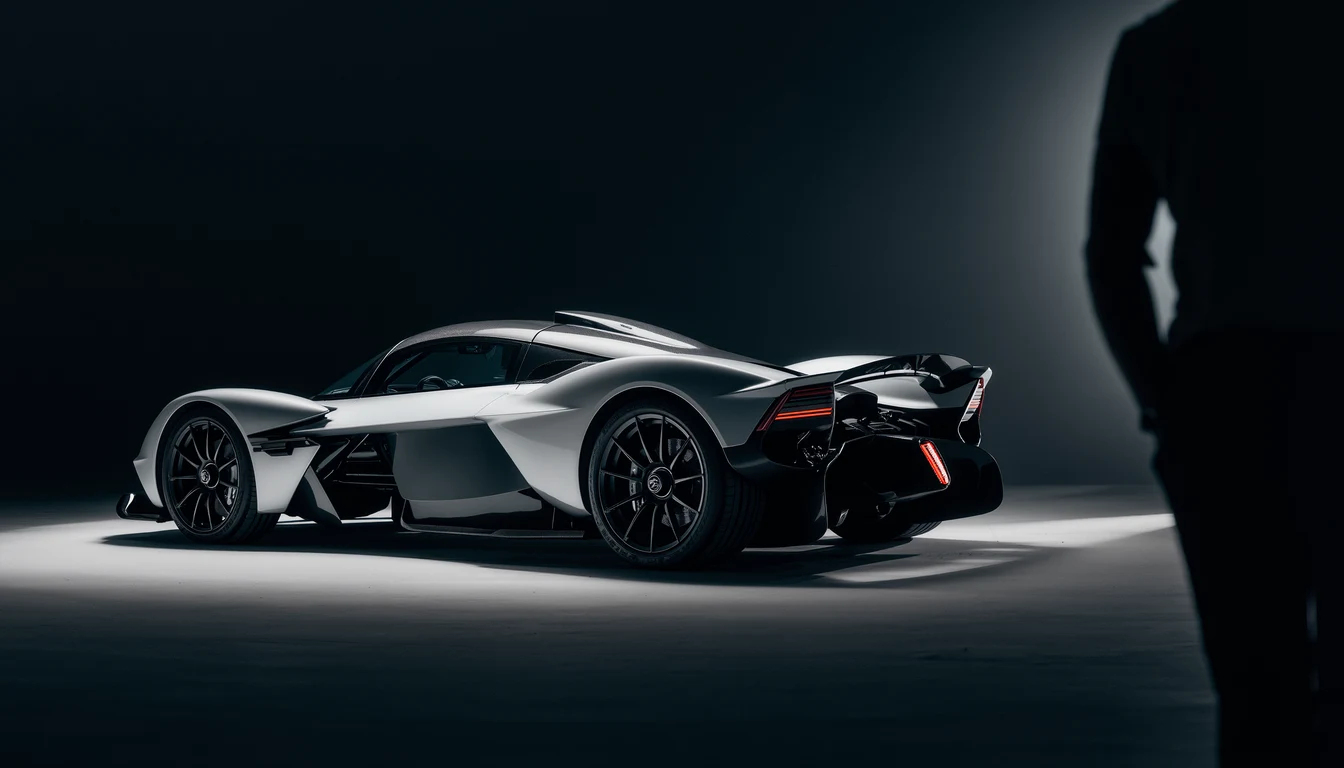
The Top Hypercar Brands: A Guide to the Ultimate Performance Machines
So, you’re wondering which hypercar brands truly stand out from the crowd? The answer isn’t just about speed; it’s a blend of engine…