Revving Up: Simulation Racing News and Updates
So, you’re curious about what’s happening in the sim racing world? You want to know what’s new, what’s coming, and what the buzz is all about? You’ve come to the right place. Sim r…
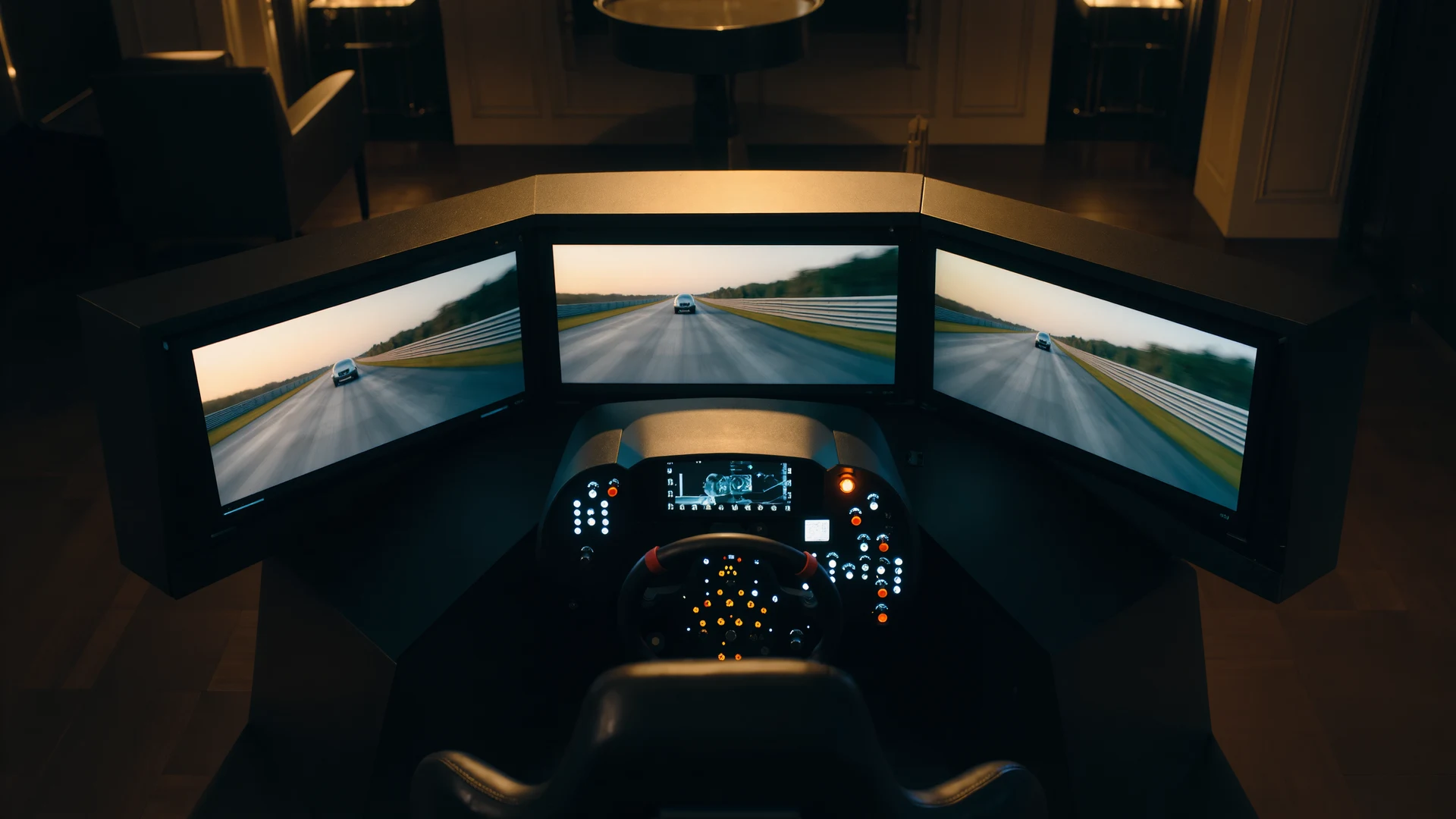
So, you’re curious about what’s happening in the sim racing world? You want to know what’s new, what’s coming, and what the buzz is all about? You’ve come to the right place. Sim racing is a constantly evolving beast, and keeping up can feel like trying to catch a speeding GT3. But don’t worry, we’ll break down the latest and greatest, from shiny new hardware to the cutting edge of software and the competitive scene that keeps driving it all forward.
The gear you use can make or break your sim racing experience. It’s not just about looks; it’s about how it feels, how it translates the virtual world into something you can interact with physically.
New Wheels and Bases: Feeling the Finer Details
This year has seen some pretty exciting releases and announcements in the direct drive wheel base category. We’re talking about bases that provide incredibly nuanced force feedback, letting you feel every pebble, every bit of tire slip, and even the gentle flex of the chassis.
- Mid-Range Power Surges: Manufacturers seem to be packing more punch into more accessible price points. You no longer need to remortgage your house for a truly immersive experience. Expect to see direct drive bases with torque levels that were once reserved for top-tier models, now hitting the market at competitive prices. This democratizes high-fidelity force feedback, making it a reality for more sim racers.
- Rim Innovations: It’s not just about the motor. We’re seeing new rim designs emerge, focusing on ergonomics, button placement, and material quality. Think refined grips, intuitive button layouts that minimize distraction, and even some quirky, specialized designs for different racing disciplines. Some manufacturers are also embracing modularity, allowing you to swap out rims quickly to suit different cars.
- Wireless Wonders: Wireless connectivity for rims continues to be a focus. While it’s been around, the reliability and latency of wireless connections are steadily improving, offering a cleaner cockpit setup. The convenience of not having a wire tethering your wheel to the base is a definite plus for many.
Pedals: The Foundation of Control
Pedals are your connection to acceleration and braking, and honestly, they’re arguably the most crucial part of your setup. Getting this right is paramount.
- Load Cell Dominance: Load cell brake pedals are no longer a niche enthusiast item. They’ve become the de facto standard for anyone serious about sim racing. These pedals measure the force you apply, not just the distance the pedal travels, offering far more consistent and realistic braking. The market is flooded with excellent options, from budget-friendly to ultra-premium.
- Customization and Tuning: Many new pedal sets offer a high degree of adjustability. You can fine-tune pedal feel, resistance curves, and travel to match your preferred braking style and the specific car you’re driving. This level of personalization is what separates a good setup from a great one.
- Acoustic Feedback (Yes, Really): Some innovative pedal designs are incorporating subtle auditory feedback. This might sound a bit out there, but hearing a faint click or slight vibration when a certain brake pressure is reached can add another layer of immersion and sensory input, helping you gauge your input without solely relying on visuals.
Beyond the Basics: Shifters and Handbrakes
While not every sim requires them, these have their place and are seeing interesting developments.
- H-Pattern Evolution: For those who love classic racing, H-pattern shifters are getting more refined. We’re seeing options that offer more distinct gates, adjustable tension, and even different shift patterns built into a single unit. The aim is to replicate the feel of real-world manual transmissions with greater accuracy.
- Sequential Smarts: Sequential shifters, essential for many modern race cars, are also getting slicker. They’re becoming more robust, offering satisfying clicks and positive engagement. Some higher-end units even include clutch paddles or programmable buttons, adding to their versatility.
- Evolving Handbrakes: Rally and drifting sims, in particular, benefit from a good handbrake. New designs are focusing on durability, adjustability, and replicating the feel of hydraulic handbrakes found in real rally cars. This means more nuanced control for those tricky slides and drifts.
Software Updates: The Brains of the Operation
Hardware is only half the story. The software is what brings the physics, the graphics, and the sense of competition to life.
Game Engine Enhancements: Graphics and Physics Leap Forward
Every major sim racing title is on an endless treadmill of improvement. It’s not just about making things look pretty.
- Ray Tracing and Global Illumination: The big buzzword is ray tracing, and we’re starting to see more games implement it for incredibly realistic lighting. This means reflections on the car body, shadows cast by the sun, and ambient light bouncing off surfaces look far more natural. This adds a significant layer of visual fidelity.
- Advanced Tire Models: The holy grail of sim racing is often the tire model. Developers are constantly refining how tires interact with the track surface, how they degrade, and how they behave under different conditions. This translates to more predictable understeer, oversteer, and grip characteristics that feel more authentic.
- AI Smarts: Artificial intelligence in racing games has historically been… well, predictable. However, developers are investing heavily in scripting more intelligent and varied AI behavior. This means AI drivers might be more aggressive, make different strategic choices, or even exhibit unique driving styles, making races feel less scripted and more dynamic.
New Titles and Expansions: What to Get Excited About
The sim racing landscape is always fresh with new releases and additions to existing favorites.
- Indie Powerhouses: Beyond the established giants, independent developers are consistently pushing boundaries. Keep an eye out for smaller studios with innovative ideas, often focusing on niche disciplines or unique physics engines. These titles can offer a breath of fresh air and challenge the status quo.
- Content Drops for Existing Sims: Many established titles are continuously adding new cars and tracks through DLC. This is often a great way to keep your favorite sim feeling new and exciting without having to buy an entirely new game. Look for well-researched content that complements the existing lineup.
- Focus on Older Eras: There’s a growing trend to revive forgotten eras of motorsport. We’re seeing more sims and content packs focusing on vintage F1, Group C sports cars, and classic touring cars. This appeals to a sense of nostalgia and offers a different kind of challenge with less sophisticated technology.
User Interface and Experience: Making it Smoother
It’s not always about the flashy bits. The user interface (UI) and overall user experience (UX) are crucial for accessibility and enjoyment.
- Streamlined Menus: Developers are listening to feedback and making menus easier to navigate, especially on consoles. Finding settings, joining races, and managing your car setup should be a smooth process, not a chore.
- In-Game Telemetry: More games are integrating more robust in-game telemetry tools. This allows you to analyze your driving performance, lap times, sector splits, and car performance without needing external apps. Understanding your data is key to improving.
- Accessibility Features: Sim racing can be intimidating. We’re seeing more attention paid to accessibility options, such as adjustable difficulty levels, assist systems that can be dialed in precisely, and clear visual cues to help new drivers learn the ropes.
The Competitive Scene: Where the Real Action Happens
Sim racing isn’t just for practicing. It’s a legitimate form of motorsport, with professional leagues, huge prize pools, and stars in their own right.
Esports Leagues and Tournaments: The Big Players
The professional sim racing scene is booming, attracting major manufacturers, sponsors, and talent.
- Formula 1 Esports Series: Still Going Strong: This remains one of the most prominent sim racing esports leagues. Real-world F1 teams often field their own virtual drivers, competing in a high-stakes championship that mirrors the real Grand Prix season. The production value and driver skill are incredibly impressive.
- GT Racing Competitions: With the proliferation of GT3 and GT4 cars in sims, dedicated GT esports series are flourishing. These often feature manufacturer involvement, with brands like BMW, Porsche, and Mercedes-AMG supporting their virtual teams. The racing is typically close and hard-fought.
- Endurance Racing Series: The appeal of Le Mans and the 24 Hours of Spa translates directly to sim racing. Dedicated endurance series are attracting teams of drivers who share the virtual cockpit for long, grueling races. These require immense stamina, strategic thinking, and flawless teamwork.
Rise of the Sim Racing Stars: New Talent Emerging
The drivers in these leagues aren’t just good gamers; they are highly skilled athletes.
- From Real to Virtual and Back: We continue to see a fascinating crossover between real-world racing and sim racing. Many professional racing drivers use sims for training, and some sim racers have successfully transitioned into real-world competition. This blurring of lines highlights the legitimacy of sim racing as a training ground.
- Dedicated Sim Racers: But it’s not just about drivers bridging the gap. A new generation of professional sim racers is emerging, solely focused on excelling in the virtual world. These individuals dedicate their lives to mastering physics, car setups, and race craft, and their skill levels are phenomenal.
- Creator Economy Integration: Many top sim racers also have a strong presence online as content creators. They stream their races, produce tutorials, and build communities, which not only helps them earn a living but also promotes the sport to a wider audience.
Grassroots and Community Racing: The Heartbeat of the Scene
While the big leagues grab headlines, the everyday sim racer is just as important.
- Leagues for Everyone: Countless online leagues cater to all skill levels and interests. Whether you’re looking for a casual Tuesday night battle in a touring car or a hardcore endurance challenge, there’s a league out there for you. These provide structured competition and a sense of community.
- “Just for Fun” Lobbies: Sometimes, the best racing is found in informal lobbies. These are often less about winning and more about trying new cars, tracks, or just having a laugh with friends. They’re a great way to blow off steam and practice without pressure.
- Focus on Clean Racing: A consistent theme in community racing is the emphasis on clean racing. Many leagues and servers have strict rules against wrecking and unsportsmanlike conduct, fostering a more enjoyable and respectful environment for everyone.
The Future of Sim Racing: What’s Next?
Looking ahead, the trajectory of sim racing is exciting, with innovations on the horizon.
Deeper Immersion: Beyond Sight and Sound
We’re constantly seeking more ways to feel connected to the virtual car.
- Haptic Feedback Advancements: While load cells provide excellent pedal feedback, expect to see more sophisticated haptic systems integrated into cockpits. This could include vibration platforms, seat shakers, and even tactile feedback integrated into steering wheels to better simulate road texture and impacts.
- Virtual Reality (VR) Refinements: VR has been a game-changer for immersion, but it’s not without its challenges. Future developments will likely focus on higher resolutions, wider fields of view, and improved comfort to make extended VR sessions more viable and less fatiguing.
- AI-Driven Dynamic Events: Imagine racing where the AI isn’t just driving; it’s creating unpredictable scenarios. This could include AI-induced traffic incidents, sudden weather changes that feel organic, or even rival AI drivers actively trying to disrupt your race in intelligent ways.
Integration with Real Motorsport
The lines between virtual and reality will continue to blur.
- Driver Training Tools: We’ll see increasingly sophisticated sim setups used by professional racing teams as dedicated driver training platforms. This allows for cost-effective practice, experimentation with setups, and developing race strategies in a safe environment.
- Data Synchronization: Imagine data from your real-world racing laps being directly importable into a sim, allowing you to compare telemetry and driving lines with uncanny accuracy. This kind of synchronization will accelerate learning and setup optimization.
- Fan Engagement Platforms: Sim racing can offer unique ways for fans to interact with their favorite drivers and teams. Think virtual meet-and-greets, behind-the-scenes content from sim racing setups, and even opportunities for fans to compete against drivers in special events.
Accessibility and Wider Adoption
Making sim racing more approachable is key to its continued growth.
- Cloud-Based Simming: As cloud gaming technology matures, we might see more options for playing high-fidelity sims without requiring incredibly powerful local hardware. This could open up sim racing to a much broader audience.
- Simplified Controls and Interfaces: While hardcore sim racers will always demand complexity, developers will likely continue to refine beginner-friendly modes and interfaces to welcome newcomers into the fold.
- Educational Initiatives: We might see more partnerships with educational institutions or initiatives aimed at teaching the principles of racing physics, engineering, and strategy through sim racing, highlighting its educational value.
The Bottom Line: Why Play?
So, with all this talk of new gear, fancy graphics, and competitive leagues, why should you jump into sim racing, or keep at it?
- It’s Accessible: You can experience the thrill of driving a Formula 1 car or a Le Mans prototype from the comfort of your own home. The cost of entry is significantly less than real-world motorsport, and the risk of actual damage is zero.
- It’s Educational: Sim racing teaches you about car control, physics, racing lines, tire management, and strategic thinking. These are skills that translate not just to other racing games but also to a deeper understanding of automotive dynamics.
- It’s Competitive: Whether you’re racing against friends, community members, or professional esports stars, there’s always a challenge to be found. The satisfaction of improving your lap times, nailing a perfect overtake, or winning a hard-fought race is immense.
- It’s Immersive: When done right, sim racing can be incredibly absorbing. The feeling of being “in the zone,” reacting to every nuance of the track and the car, is a unique and rewarding experience that few other hobbies can match.
- It’s a Community: The sim racing world is full of passionate, helpful people. From tips on setup to advice on gear, you’ll find a supportive community eager to share their knowledge and love for the sport.
Whether you’re a seasoned veteran with a full-motion rig or someone just curious about that wheel peripheral they saw online, the world of sim racing is constantly offering more. It’s a thrilling hobby that continues to grow, innovate, and deliver an unparalleled sense of speed and competition.
FAQs
What is simulation racing?
Simulation racing, also known as sim racing, is a genre of video games that aims to accurately simulate real-world racing events and experiences. Players use specialized racing wheels, pedals, and other peripherals to control virtual vehicles in realistic racing environments.What are some popular simulation racing games?
Some popular simulation racing games include titles like Gran Turismo, Forza Motorsport, Assetto Corsa, iRacing, and Project CARS. These games are known for their realistic physics, vehicle handling, and attention to detail in recreating real-world racing circuits.What are some recent updates in simulation racing?
Recent updates in simulation racing have focused on improving graphics and visual fidelity, enhancing realism in vehicle handling and physics, adding new cars and tracks, and expanding online multiplayer features. Developers also continue to work on improving virtual reality integration for a more immersive experience.How has simulation racing evolved over the years?
Simulation racing has evolved significantly over the years, with advancements in technology allowing for more realistic graphics, improved physics engines, and better integration of virtual reality. The genre has also seen a rise in competitive esports events and leagues, further blurring the lines between virtual and real-world racing.What are some key features to look for in a simulation racing game?
When choosing a simulation racing game, it’s important to look for features such as realistic vehicle physics and handling, a wide variety of cars and tracks, customizable difficulty settings, online multiplayer options, and support for racing peripherals like steering wheels and pedals. Additionally, ongoing updates and support from the developers can enhance the longevity and enjoyment of the game.More from News

Future of Sim Racing
The future of sim racing: how AI tire models, mixed reality, cloud streaming, cheaper direct-drive hardware and the sim-to-real pipeline reshape motor…
Revving Up: Motorsport Gaming News
Looking for the latest in motorsport gaming? You’ve come to the right place. This article will cut through the noise and get straight to what…

Racing Esports Revs Up with Exciting News
Racing esports is definitely picking up speed, with a lot of exciting news coming out of the circuit lately. We’re seeing bigger prize pools, mo…