The Science of Hypercar Aerodynamics: Maximizing Speed and Performance
You’ve probably seen them on the road, or on a screen, those ridiculously fast, impossibly sleek machines we call hypercars. Ever wondered how they manage to stick to the ta…
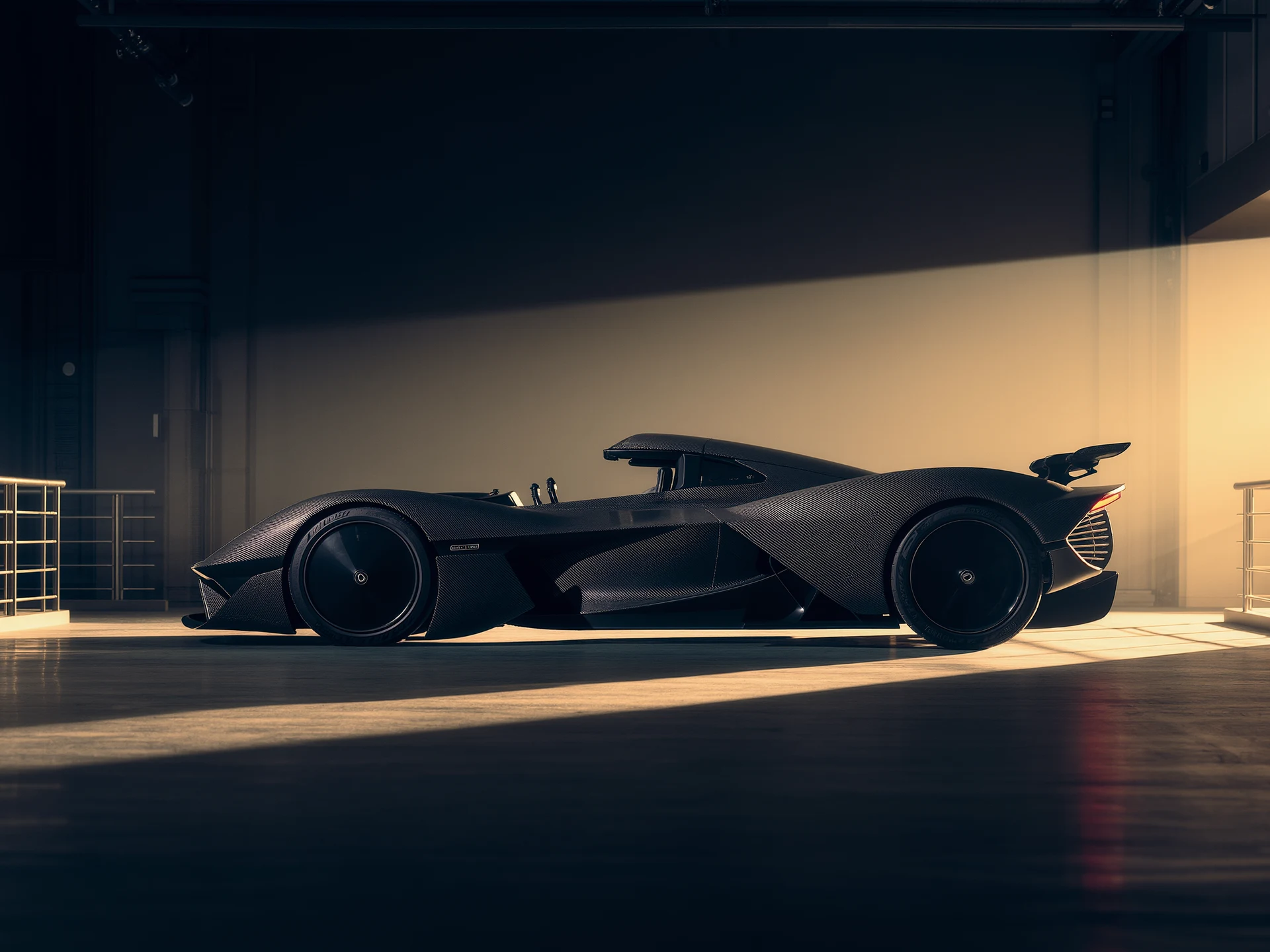
You’ve probably seen them on the road, or on a screen: those ridiculously fast, impossibly sleek machines we call hypercars. Ever wondered how they manage to stick to the tarmac at mind-boggling speeds? It’s not just brute engine power; it’s the brilliant science of aerodynamics at play. Essentially, hypercars are designed to cheat the wind, using it to their advantage rather than fighting against it. This article dives into how engineers achieve this feat, making these cars incredibly fast and surprisingly stable.
Think of air not as empty space, but as a fluid, just like water. When a hypercar moves, it pushes this fluid out of the way. The way this fluid moves, or doesn’t move, is what aerodynamics is all about.
Understanding Airflow
When air hits the front of the car, it has to go somewhere. Some of it flows over the top, some goes under, and some splits off around the sides. The shape of the car dictates how smoothly and predictably this airflow happens.
Laminar vs. Turbulent Flow
- Laminar Flow: This is smooth, layered airflow. Imagine a perfectly calm river. On a car, laminar flow is desirable because it creates less drag.
- Turbulent Flow: This is chaotic, swirling airflow. Think of rapids. Turbulent flow creates more drag and can even cause unwanted lift. Hypercar design aims to keep as much of the airflow laminar as possible for as long as possible.
The Downside: Drag
The main enemy of speed is drag. This is the force that air exerts against the car, trying to slow it down. It’s like trying to run through water, the faster you go, the harder it is.
Types of Drag
- Form Drag: This is due to the shape of the car. A brick has a lot of form drag; a teardrop has very little. Hypercars are essentially sculpted to minimize this.
- Skin Friction Drag: This is caused by the friction between the air and the surface of the car. A smoother surface means less skin friction.
- Interference Drag: This happens where different parts of the car join, creating complex airflow patterns.
Generating Downforce: The Key to Grip
While drag slows a car down, another crucial aerodynamic effect is downforce. This is the force that pushes the car down onto the road. You might think more downforce is always better, but like most things in physics, it’s a balancing act.
Bernoulli’s Principle in Action
This is a fundamental concept you’ll hear a lot. Simply put, faster-moving air exerts less pressure than slower-moving air. Hypercar designers use this to create downforce.
The Inverted Airplane Wing
Think about how an airplane wing works: it’s curved on top and flatter on the bottom. Air travels faster over the curved top, creating lower pressure, which lifts the wing. Hypercar designers flip this concept. Their wings and other aero elements are designed like inverted airplane wings.
- Faster air on top, slower air on the bottom: Air traveling underneath the wing moves slower, creating higher pressure than the air moving over the top of the wing. This pressure difference pushes the wing (and the car) downwards.
Active vs. Passive Aerodynamics
Not all downforce-generating elements are fixed. Some systems change based on speed and driving conditions.
Passive Aerodynamics
These are the fixed elements you see on most hypercars: the wings, splitter, diffuser. They are designed and shaped to work optimally at a wide range of speeds.
Active Aerodynamics
This is where things get really clever. Active systems can change their angle or shape automatically.
- Active Rear Wings: These can tilt up or down, or extend to provide more downforce under braking or cornering, and retract at high speeds to reduce drag.
- Active Splitters and Dive Planes: These can adjust to manage airflow at different speeds.
The Role of the Underbody: A Hidden Aerodynamic Marvel
A huge amount of airflow happens beneath the car, and this is a critical area for hypercar aerodynamics. Many people focus on the wings and spoilers, but what goes on underneath is just as, if not more, important.
The Venturi Effect
This is a phenomenon where a fluid flowing through a constricted section of a pipe will speed up and create lower pressure. In hypercars, the underbody is shaped to create a Venturi tunnel.
Creating a Low-Pressure Zone
By carefully shaping the floor of the car to have a narrower section as it moves towards the rear, engineers create a similar effect. Air is forced to speed up as it flows through this “tunnel,” drastically reducing the air pressure under the car.
- The Result: The higher pressure of the air above the car then pushes it down, generating significant downforce without necessarily needing large, visually obvious wings. This is often referred to as “ground effect.”
Diffusers: Essential for Air Management
At the very back of the underbody, you’ll find the diffuser. This is a crucial component that helps the high-speed air from the Venturi tunnel to expand gradually and rejoin the slower-moving air behind the car with minimal disruption.
- Why gradual expansion? If the air expands too quickly, it becomes turbulent, creating drag and reducing the effectiveness of the Venturi. A well-designed diffuser ensures a smooth transition, maintaining the low-pressure zone under the car for longer.
Cooling Systems: Airflow for Survival
It’s not all about generating speed; hypercars also need to stay operational. All that power generates immense heat, and aerodynamics plays a vital role in keeping everything cool.
Engine Cooling
The engine in a hypercar is a powerhouse, and it needs a constant supply of cool air.
Large Air Intakes
You’ll notice that hypercars often have very prominent air intakes, especially at the front. These are strategically placed to capture as much cool ambient air as possible.
- Forward-Facing Intakes: These directly scoop air into the engine bay for combustion and for cooling radiators.
- Side Intakes: These often feed air to intercoolers (for turbocharged engines) or directly into the engine.
Brake Cooling
Braking from very high speeds generates enormous amounts of heat. If brakes get too hot, they lose their effectiveness, a dangerous situation.
Dedicated Brake Ducts
Many hypercars have specific ducting that channels air directly onto the brake discs and calipers. This forced airflow helps dissipate heat rapidly, ensuring consistent braking performance.
- Location is Key: These ducts are often positioned to catch the air flowing around the front wheels or are fed by cleverly designed channels from the front splitter.
Other Cooling Needs
- Gearbox and Differential Cooling: High-performance drivetrains also generate heat and benefit from dedicated cooling systems, often supplied with airflow.
- Cockpit Ventilation: While perhaps less critical for pure performance, efficient airflow management also helps keep the occupants comfortable.
Aerodynamic Efficiency: The Art of Balance
Ultimately, designing a hypercar’s aerodynamics is a constant negotiation. More of one thing often means less of another.
The Drag-Lift-Downforce Trade-off
This is the core challenge. Engineers want massive downforce for grip in corners, but that downforce often comes with increased drag, which hurts top speed.
- Finding the Sweet Spot: The perfect setup depends on the car’s intended use. A track-focused hypercar might prioritize maximum downforce, while a road-biased one will seek a better balance.
Bodywork Design: Function Over Form (Usually)
While hypercars look stunning, their shape is far from accidental. Every curve, vent, and wing has a purpose.
Sculpted Surfaces
The entire body of the car is sculpted to guide airflow. Smooth, flowing lines are preferred because they minimize turbulence.
- Tapered Rear: A gently tapering rear end helps the air rejoin the flow behind the car more smoothly, reducing wake turbulence.
Air Management Channels
You’ll often see complex channels and vents integrated into the bodywork, especially around the wheels and along the sides.
- Wheel Arch Management: As wheels spin, they create their own turbulent air. These channels help to extract that air, reducing drag and preventing it from interfering with other aerodynamic elements.
- Cooling Air Channels: These are precisely designed to duct air to specific components like brakes, radiators, and gearboxes.
The Importance of the Driver
Even with the most advanced aerodynamics, the driver’s input is crucial. Certain aerodynamic features might perform best under specific inputs.
- Understanding the Car’s Behavior: A skilled driver will learn how the car reacts to different aerodynamic settings and how to best utilize the downforce and manage drag.
In conclusion, the science of hypercar aerodynamics is a testament to human ingenuity. It’s about understanding and manipulating the invisible forces of air to achieve incredible speeds and unparalleled stability. From the subtle shaping of the underbody to the aggressive angles of wings and diffusers, every element is meticulously designed to work in harmony, pushing the boundaries of what’s possible on four wheels. It’s a complex interplay of physics and engineering, resulting in machines that are as beautiful as they are blisteringly fast.
FAQs
What are hypercar aerodynamics?
Hypercar aerodynamics refers to the study and application of airflow principles to optimize the performance and efficiency of high-performance cars known as hypercars. This includes the design of the car’s body, wings, diffusers, and other aerodynamic components to reduce drag, increase downforce, and improve overall handling and stability at high speeds.How do hypercar aerodynamics improve performance?
Hypercar aerodynamics improve performance by reducing drag, which allows the car to achieve higher top speeds and better fuel efficiency. Additionally, aerodynamic components such as wings and diffusers can generate downforce, which increases traction and stability, allowing the car to corner at higher speeds and maintain control.What are some common aerodynamic features found on hypercars?
Common aerodynamic features found on hypercars include active aerodynamics, which can adjust the car’s aerodynamic profile based on driving conditions, as well as front splitters, rear wings, diffusers, and underbody panels designed to manage airflow and reduce drag while generating downforce.How do hypercar aerodynamics differ from regular car aerodynamics?
Hypercar aerodynamics differ from regular car aerodynamics in that they are specifically designed to optimize performance at very high speeds. This often involves more aggressive aerodynamic components, such as larger wings and diffusers, as well as advanced materials and technologies to reduce weight and improve overall efficiency.Why is aerodynamics important in hypercar design?
Aerodynamics is important in hypercar design because it directly impacts the car’s performance, handling, and overall driving experience. By optimizing airflow around and underneath the car, hypercar designers can achieve higher top speeds, better cornering capabilities, and improved stability, all of which are crucial for a high-performance vehicle.More from Hypercars
The Rise of Hypercar Investment: The Future of Luxury Performance Cars
Thinking about hypercars as an investment? It’s a question many high-net-worth individuals are pondering. The short answer is: yes, they can be …
Ultimate Hypercar Experience: A Thrilling Ride
So, you’re curious about the ultimate hypercar experience, wondering what it really entails beyond just seeing these incredible machines on a sc…
The Top Hypercar Brands: A Guide to the Ultimate Performance Machines
So, you’re wondering which hypercar brands truly stand out from the crowd? The answer isn’t just about speed; it’s a blend of engine…