Sim Racing Community: Latest Updates
The world of sim racing is always buzzing, and if you’re looking for the latest updates, the short answer is that 2024 is shaping up to be a year of refinement and consolidat…
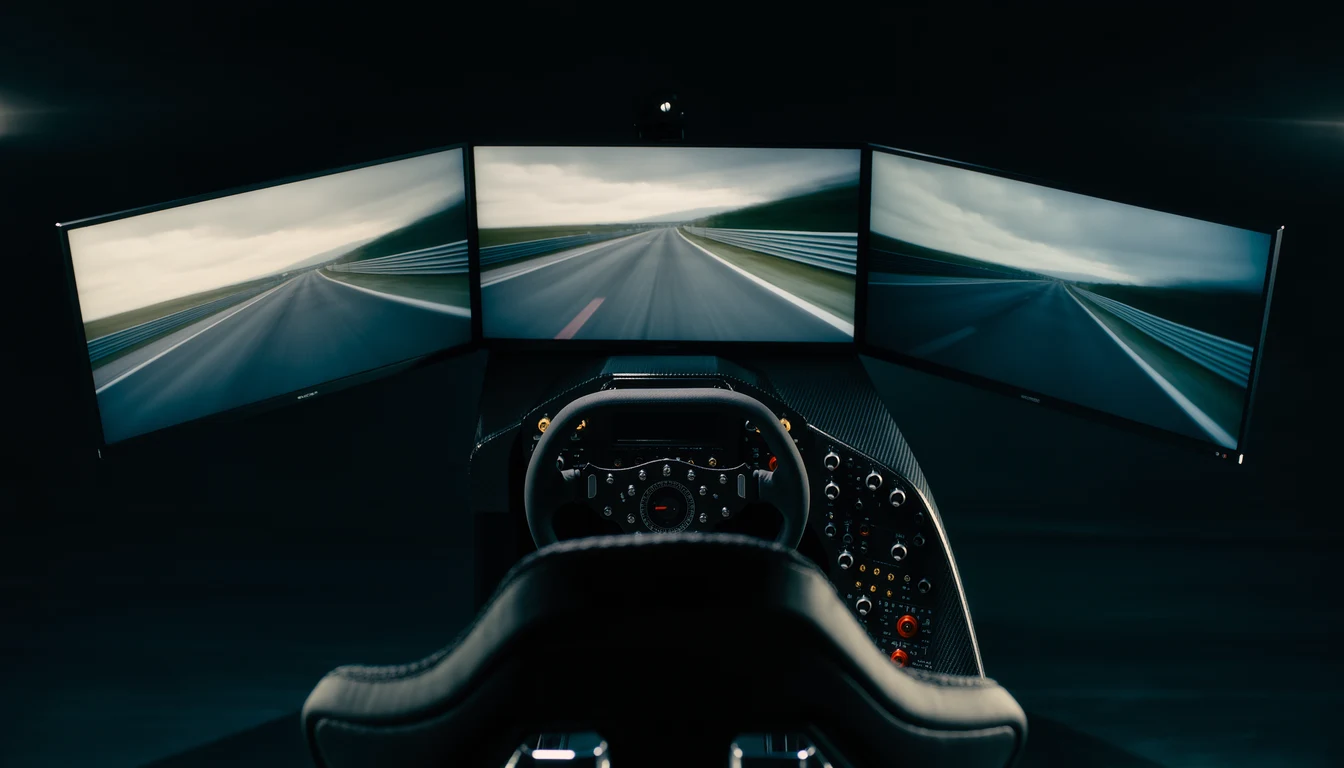
The world of sim racing is always buzzing, and if you’re looking for the latest updates, the short answer is that 2024 is shaping up to be a year of refinement and consolidation rather than revolutionary new releases. We’re seeing existing platforms push boundaries with better physics, more content, and deeper community integration. AI is getting smarter, hardware is getting more accessible yet more realistic, and the lines between simulation and real-world racing continue to blur. It’s an exciting time to be a sim racer, whether you’re a seasoned veteran or just starting your journey.
Sim racing software is the heart of our hobby, and developments here directly impact the driving experience. We’re seeing a trend towards greater realism and more diverse content.
iRacing’s Continuous Evolution
iRacing continues to be a dominant force, relentlessly pursuing realism and a competitive online experience.
Enhanced Tire Models and Physics
One of the most significant ongoing updates in iRacing is the continuous refinement of its tire model. The “New Damage Model” (NDM) has been steadily rolled out across more cars, offering far more granular and realistic crash damage. Beyond that, the tire physics, especially heat and wear, are constantly being iterated upon. This means that managing your tires isn’t just a basic concept; it’s a critical skill that impacts your pace over a stint, making pit strategy more vital than ever. The feeling of a car on the edge of grip is becoming increasingly nuanced, responding to subtle inputs in a way that feels genuinely authentic.
New Cars and Tracks Quarterly
Every quarter, iRacing delivers a substantial update, typically bringing new cars and tracks to the platform. We’ve seen a strong focus lately on modern GT3 and LMP cars, alongside historical content, keeping the car roster fresh and comprehensive. New tracks are often laser-scanned, providing millimeter-accurate representations of real-world circuits. This steady stream of content keeps the community engaged and offers new challenges for drivers across various disciplines. Keep an eye on their forums and social media for the official announcements as these quarterly builds approach.
AI Improvements and Single-Player Experience
While iRacing is best known for its multiplayer, the AI has received considerable attention. It’s getting smarter, more aggressive, yet more consistent, making offline practice and single-player races genuinely challenging and enjoyable. This is especially good for those who want to refine their skills without the pressure of online competition or for practicing new tracks and cars before diving into a race session. The AI’s ability to race side-by-side and defend positions is improving, offering a much more dynamic single-player experience than in previous years.
Assetto Corsa Competizione’s Refined Experience
ACC remains the go-to for GT3 and GT4 enthusiasts, and its updates focus on polishing an already strong foundation.
Console Parity and Next-Gen Enhancements
A big push for ACC has been bringing its console versions up to par with PC. This includes improved framerates, graphical fidelity, and access to more content within the base packages. On PC, optimizations continue to ensure the game runs smoothly even with high graphics settings, providing an immersive visual experience that complements its fantastic physics engine. The visual detail in ACC, coupled with its sophisticated physics, makes for a highly engaging driving experience.
Esports Integration and Official Series
ACC has firmly established itself as a major esports title. Official SRO-backed series, often utilizing the game, are becoming more prevalent and accessible. This provides a clear path for talented sim racers to compete at a high level and potentially gain recognition. The community tools for organizing leagues and private races are also quite robust, supporting a vibrant competitive scene outside of the official esports calendar. The depth of competition available, from casual online races to major esports events, is a testament to the sim’s strong foundation.
DLC Updates and Track Additions
While not as frequent as iRacing’s content drops, ACC does release focused DLCs, bringing new cars, tracks, and sometimes championships. These are typically high-quality additions that integrate seamlessly into the existing game. The choice for ACC players is less about quantity and more about quality and authenticity within the GT racing sphere. If you’re a fan of multiclass endurance races, for instance, these DLCs often enhance that experience considerably.
Automobilista 2’s Expanding Horizons
AMS2 continues to impress with its breadth of content and stunning visuals, constantly pushing updates that add variety and depth.
Physics Overhauls and Force Feedback Tweaks
Reiza Studios, the developers behind AMS2, are known for their dedication to physics refinement. We’ve seen several significant overhauls to core physics systems, particularly around tire models and suspension, dramatically improving the feel of their diverse car roster. Force feedback (FFB) is also a constant area of focus, with regular updates aiming to provide a more intuitive and informative connection between the car and the driver. The FFB in AMS2 is often lauded as some of the best in sim racing, and they continue to improve upon it.
Unique Car and Track Additions
AMS2 boasts an incredibly eclectic mix of cars and tracks, from historic F1 and touring cars to modern prototypes and rallycross. Their DLC strategy often introduces entirely new categories or brings unique, less common tracks to the forefront. This provides a refreshing alternative to the more focused offerings of other sims, appealing to those who enjoy a broader range of racing disciplines. Finding a car-track combination you’ve never experienced before is a regular occurrence in AMS2.
Graphical Enhancements and VR Optimizations
AMS2 is arguably one of the best-looking sims out there, especially in VR. The team continues to optimize performance and graphical fidelity, making the VR experience increasingly immersive. Improvements to weather effects, lighting, and environmental details further enhance the visual spectacle, bringing a level of atmosphere often missing in other simulations. The dynamic weather system, in particular, affects not just visuals but also gameplay in a profound way.
Hardware Innovations and Trends
Beyond the software, our physical connection to the sim is crucial. Hardware continues to evolve, often driven by new technologies and a desire for greater immersion.
Direct Drive Wheel Accessibility
Gone are the days when Direct Drive (DD) wheels were exclusively high-end, prohibitively expensive enthusiast products.
Entry-Level DD Systems
Several manufacturers are now offering entry-level direct drive wheelbases that deliver excellent performance at a much more accessible price point. Brands like Fanatec (with their CSL DD range), Moza Racing, and Simagic have significantly lowered the barrier to entry for direct drive technology. This means more sim racers can experience the unparalleled detail and fidelity of direct drive force feedback without breaking the bank. The difference from belt-driven or gear-driven wheels is truly transformative.
Ecosystem Expansion
These companies aren’t just selling wheelbases; they’re building comprehensive ecosystems. This includes compatible steering wheels (often with quick-release systems), pedals, shifters, and handbrakes. The ability to mix and match components within these ecosystems, or even across brands with adapters, gives users a lot of flexibility to build their ideal setup as their budget and needs evolve.
Next-Gen Pedal Sets
Pedals are just as, if not more, important than the wheel when it comes to consistent lap times.
Load Cell and Hydraulic Systems
Load cell pedals have become the standard for serious sim racers, providing a pressure-based braking input that feels much closer to a real car than potentiometer-based pedals. The latest trend is towards hydraulic brake systems, which offer an even more realistic feel, mimicking the hydraulic resistance and travel of a real brake pedal. Brands like Heusinkveld, VRS, and Simucube are leading the charge here, but more affordable options are also emerging.
Customization and Adjustability
Modern pedal sets offer incredible levels of customization. This includes adjustable pedal angle, spring stiffness, travel, and even haptic feedback. This allows drivers to fine-tune their pedal feel to match their personal preference and the specific car they are driving, improving comfort and consistency. Being able to dial in the perfect feel for your brakes can shave precious tenths off your lap time.
Virtual Reality and Triple Screen Evolution
Immersion is key, and VR and triple screens are constantly improving.
Standalone VR Headsets and PCVR
While dedicated PCVR headsets still offer the highest fidelity, standalone headsets like the Meta Quest series are becoming increasingly capable of delivering compelling sim racing experiences, either natively or via PC streaming. This broadens access to VR for many and continues to push optimization for VR in sim titles. The ease of setup for standalone headsets is a significant draw.
Triple Screen Software Enhancements
For those who prefer triple screens, software advancements are making setup and calibration easier. Tools within sims and third-party applications are streamlining the process of achieving perfectly aligned and distortion-free visuals across multiple monitors. Higher refresh rate and resolution monitors are also becoming more affordable, further enhancing the triple-screen experience. The sense of speed and peripheral vision offered by triples is unmatched for many.
Community and Esports Growth
The social aspect and competitive scene are vital to sim racing’s continued health and expansion.
League Racing Flourishes
Organized league racing is booming, offering a structured and competitive environment.
Platform-Specific Leagues
Most sim titles have robust communities that organize leagues. iRacing, Assetto Corsa Competizione, and Rfactor 2, in particular, host numerous community-run leagues catering to all skill levels, from casual fun series to highly competitive championships. These leagues often mimic real-world racing formats, including endurance races, sprint races, and multi-class events. Finding a league that suits your schedule and skill level is rarely difficult.
Cross-Platform Challenges
There’s also a growing trend towards cross-platform events or communities that cater to drivers across multiple sims. This allows for greater variety and keeps things fresh for drivers who might enjoy different cars or tracks offered by various titles. Discord servers and dedicated websites are often the central hubs for finding these diverse opportunities.
Expanding Esports Ecosystems
Sim racing esports continues its upward trajectory, attracting significant viewership and investment.
Professional Racing Team Involvement
More and more professional real-world racing teams are establishing dedicated sim racing divisions. This not only legitimizes sim racing as a route to real-world opportunities but also brings expertise and structure to the esports scene. It means higher stakes and often higher production quality for esports events. The crossover between real-world talent and sim racing pros is also becoming more common.
Grassroots to Pro Pathways
The ecosystem is maturing to provide clearer pathways from grassroots competition to professional sim racing. Many competitive leagues now feed into regional or national qualifiers for bigger events, allowing talented drivers to climb the ranks. The exposure and prize money associated with top-tier sim racing events are continuously increasing.
Accessibility and Inclusivity Initiatives
Making sim racing a welcoming and accessible hobby for everyone is becoming a bigger focus.
Adaptive Hardware Development
Efforts are being made to enable sim racing for individuals with disabilities.
Custom Controllers and Modifications
Community members and specialized companies are developing custom controllers and modifications to existing hardware that allow people with various physical challenges to participate. This includes hand-controlled throttle/brake systems, single-handed steering solutions, and more. Online communities are a great resource for sharing these innovations.
Community Support and Resources
Beyond hardware, there are dedicated communities and organizations focused on providing support, sharing knowledge, and fostering an inclusive environment for disabled sim racers. This ensures that everyone, regardless of their physical limitations, can experience the joy of competitive driving.
STEM and Education Integration
Sim racing is increasingly being recognized for its educational value.
Driving Principles and Physics
Sim racing provides an excellent platform for understanding fundamental physics principles, vehicle dynamics, and driving techniques in a safe and controlled environment. It can be a powerful tool for teaching concepts like weight transfer, slip angle, and braking zones. Educational institutions are beginning to recognize this potential.
Engineering and Design Challenges
Beyond driving, sim racing platforms can be used for engineering and design challenges, allowing students to experiment with car setups, aerodynamics, and even track design. This hands-on approach makes learning about complex subjects much more engaging and practical, potentially inspiring future engineers and scientists.
Looking Ahead: What’s on the Horizon?
The future of sim racing looks bright, with several key areas likely to see significant advancements.
AI and Machine Learning in Sim Racing
Artificial intelligence isn’t just about making smarter opponents; it has broader implications.
Personalized Training and Coaching
Imagine AI that analyzes your driving data in real-time, identifies your weaknesses, and provides personalized coaching suggestions. This kind of technology could revolutionize how drivers improve, offering tailored feedback that was previously only available from professional coaches. Tools that help you visualize your racing lines and compare them to optimal ones are already emerging.
Procedural Track Generation
While laser-scanned tracks are paramount for realism, AI could potentially enable incredibly realistic and unique procedural track generation, offering endless variety for practice or casual racing scenarios. This could be particularly exciting for rally or rallycross sims, where diverse terrain is crucial.
Deeper Integration with Real-World Motorsport
The lines between virtual and real are blurring further.
Driver Development Pathways
We’re already seeing sim racers transition into real-world racing, and this trend is only likely to accelerate. Dedicated talent scouting programs and partnerships between sim racing organizations and real-world motorsport teams will become more common, offering genuine career pathways.
Data Telemetry Crossover
The data collected in sim racing is incredibly detailed and increasingly mirrors real-world telemetry. This data can be used by real-world teams for driver training, track analysis, and even car setup experimentation, bridging the gap between the two worlds even further. Insights gained from sim session data can directly inform real-world strategies.
FAQs
What is the Sim Racing community?
The Sim Racing community is a group of individuals who are passionate about virtual racing. They participate in online racing competitions, share tips and tricks, and discuss the latest developments in the world of simulated racing.What are some recent updates in the Sim Racing community?
Recent updates in the Sim Racing community include the release of new racing simulators, updates to existing racing platforms, the organization of virtual racing events, and the development of new racing hardware and software.How can I get involved in the Sim Racing community?
You can get involved in the Sim Racing community by joining online forums and social media groups dedicated to simulated racing, participating in virtual racing events, and connecting with other sim racers to share experiences and knowledge.What are some popular racing simulators in the Sim Racing community?
Popular racing simulators in the Sim Racing community include iRacing, Assetto Corsa, rFactor 2, Project CARS, and Gran Turismo Sport. These simulators offer realistic racing experiences and a wide range of cars and tracks to choose from.What are some upcoming events in the Sim Racing community?
Upcoming events in the Sim Racing community may include virtual racing championships, endurance races, special events organized by sim racing communities, and online tournaments with prizes for the winners. Keep an eye on social media and sim racing forums for announcements about upcoming events.More from News

Future of Sim Racing
The future of sim racing: how AI tire models, mixed reality, cloud streaming, cheaper direct-drive hardware and the sim-to-real pipeline reshape motor…
Revving Up: Motorsport Gaming News
Looking for the latest in motorsport gaming? You’ve come to the right place. This article will cut through the noise and get straight to what…

Racing Esports Revs Up with Exciting News
Racing esports is definitely picking up speed, with a lot of exciting news coming out of the circuit lately. We’re seeing bigger prize pools, mo…