Top Endurance Racing Tracks for Thrilling Competitions
When you’re thinking about endurance racing, the track itself is a huge part of the story. It’s not just a loop; it’s a character in every race, dictating strateg…
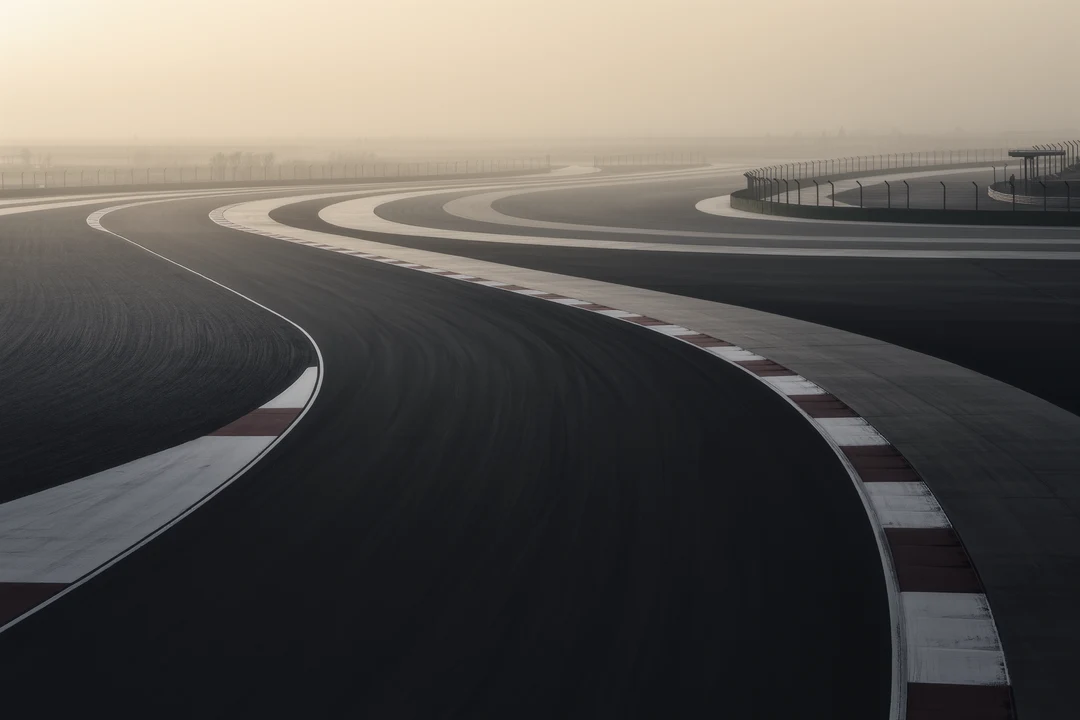
When you’re thinking about endurance racing, the track itself is a huge part of the story. It’s not just a loop; it’s a character in every race, dictating strategy, pushing limits, and often becoming as legendary as the drivers and cars that conquer it. From unforgiving long straights to challenging elevation changes and tight chicanes, the best endurance tracks demand a unique blend of skill, stamina, and mechanical sympathy. They’re built for drama, designed to test everything a racing team has. So, if you’re wondering which circuits truly stand out for thrilling, long-distance competitions, you’re in the right place. We’ll dive into some of the most iconic and demanding tracks that truly define endurance motorsport.
Some tracks just breathe history. They’ve seen more triumphs and heartbreaks than most, and their very names conjure images of epic battles. These aren’t just race tracks; they’re institutions.
Circuit de la Sarthe (Le Mans, France)
When you talk about endurance racing, Le Mans is often the first thing that comes to mind, and for good reason. It’s the spiritual home of the 24 Hours of Le Mans, arguably the most famous endurance race in the world. The track itself is a fascinating blend of dedicated race circuit and public roads, which really adds to its unique character.
The Mulsanne Straight’s Legacy
The Mulsanne, or Ligne Droite des Hunaudières, used to be a terrifying 3.7-mile straight that saw cars hit astronomical top speeds. While chicanes were added in 1990 for safety, it still remains a massive challenge, demanding flat-out performance and putting incredible stress on engines and brakes. It’s where races are often won and lost, especially a 24-hour slog. The sheer length means engines are at sustained redline for minutes at a time, leading to incredible heat stress and fuel consumption issues. Drivers have to manage their speed, aerodynamics, and brake temperatures while setting up passes on slower classes. It’s a dynamic part of the track even with the chicanes, requiring precision braking and acceleration zones.
Dunlop Bridge and Tertre Rouge
These sections might not be as long as the Mulsanne, but they are crucial. The approach to the Dunlop Bridge is a fast, sweeping downhill corner that leads into a complex series of turns. Tertre Rouge, a fast right-hander, is vital for a good run onto the Mulsanne Straight. A slight error here can cost valuable tenths all the way down the straight. It’s a fast commitment corner that demands a perfectly balanced car and driver confidence. Oversteer here can lead to a spin into the wall, and understeer will bleed speed onto the incredibly long straight, making you an easy target for overtaking.
Porsche Curves and Maison Blanche
As the track transitions back from public roads to the dedicated Bugatti circuit, you enter the rapid-fire Porsche Curves. This sequence of high-speed bends, coupled with the often-overlooked Maison Blanche corners, require immense precision and commitment. They are corners where true car balance shines, and fatigue can lead to costly mistakes as the race wears on. The high lateral G-forces experienced through the Porsche Curves put incredible strain on tires and suspension components, testing the limits of adhesion. Maintaining a consistent line and carrying speed through these curves distinguishes the pros from the rest.
Nürburgring Nordschleife (Nürburg, Germany)
Often called “The Green Hell,” the Nordschleife is less a track and more a monumental test of every aspect of racing. It’s a 12.9-mile beast with over 150 corners and significant elevation changes. While the full 24-hour race often incorporates the Grand Prix circuit, it’s the Nordschleife that provides the soul and the challenge.
Unpredictable Weather and Surface
The sheer size of the Nordschleife means that weather can be completely different on various parts of the track. One section might be dry and sunny, while another is torrential rain. This adds an incredible strategic layer and demands versatility from both drivers and engineers, especially in those unpredictable 24-hour races. The asphalt itself varies wildly from old, bumpy sections to newer, smoother patches, making setup a constant compromise. Tire choices become a nightmare, and driver feel for grip changes lap by lap.
Steep Elevation Changes
From the climb up to the Karussell to the dizzying plunge down Fuchsröhre, the Nordschleife is a roller coaster. These elevation changes aren’t just visually dramatic; they significantly impact braking zones, cornering forces, and car setup. It’s a physical challenge for drivers, too, enduring sustained G-forces in every direction. The ascent up Döttinger Höhe, for example, is deceptively long and tests engine power under load for extended periods.
Blind Corners and Technical Demands
Almost every corner on the Nordschleife is blind or semi-blind, requiring immense bravery, trust, and intimate knowledge of the track. Flugplatz, Bergwerk, Adenauer Forst, each name represents a demanding sequence of turns that punish even the slightest error. There’s no room for complacency, and the sheer number of corners means physical and mental fatigue sets in rapidly, making it the ultimate endurance test. Drivers need to remember precise markers and commit to corners without seeing the exit, relying purely on memory and intuition.
Spa-Francorchamps (Stavelot, Belgium)
Spa is a jewel in the crown of motorsport. Nestled in the Ardennes forest, its flowing layout, dramatic elevation changes, and legendary corners make it a favorite among drivers and fans alike. It’s a true driver’s circuit, renowned for creating thrilling, close racing.
Eau Rouge and Raidillon
This iconic uphill sequence is probably the most famous corner in motorsport. It’s a high-speed, blind, uphill left-right-left that demands absolute commitment and bravery. Getting it right provides a massive advantage onto the long Kemmel Straight. It’s not just about bravery; it’s about car balance under high load, managing weight transfer, and precision on the kerbs. A small mistake here can have massive consequences, sending cars into the barriers with brutal force. Over the years, cars have gained so much downforce that it’s often taken flat out, but the demands on the suspension and tires are immense.
Radillon’s Deceptive Summit
The summit of Radillon, at the top of Eau Rouge, is often underestimated. As cars crest the hill, they briefly go light, and grip can become an issue. This momentary loss of pressure can unsettle the car just before the long, flat-out run up the Kemmel Straight, demanding a delicate touch from the driver navigating at over 180 mph. Being slightly off line here compromises your exit speed significantly.
Pouhon and Blanchimont
These are two other blisteringly fast corners that define Spa’s character. Pouhon is a double-apex left-hander taken at high speed, pushing drivers to the limit of lateral G-forces. Blanchimont is a flat-out sweeping left that funnels cars into the bus stop chicane. These corners require incredible aerodynamic efficiency and driver confidence to extract maximum lap time. The precision required through Pouhon, especially with its changing radius, is a masterclass in car control under stress.
The Bus Stop Chicane (Turns 18-19)
The ‘Bus Stop’ chicane, despite its somewhat mundane name, offers a final strategic challenge before the start/finish line. It’s a tight, slow sequence designed for overtaking opportunities, but it’s also easy to out-brake yourself or get caught up in contact. It demands precise braking and throttle application, vital for securing a good lap time or setting up a pass. The modern iteration, while safer than previous versions, still provides a unique challenge, requiring cars to slow from incredibly high speeds in a short distance.
Demanding Modern Venues: Next-Gen Challenges
While the classics reign supreme, some newer or extensively modernized tracks have carved out their own niche as ultimate endurance tests. They often boast cutting-edge facilities combined with layouts designed for modern machinery.
Circuit of the Americas (Austin, USA)
Circuit of the Americas (COTA) brought a dose of European-style circuit design to the United States. Designed by Hermann Tilke, it features a diverse range of corners, dramatic elevation changes, and wide track limits, making it a demanding venue for endurance racing.
Turn 1’s Ascent
The very first corner sets the tone. A steep, uphill climb to a blind apex, Turn 1 provides a unique braking and overtaking challenge at the start of the race. It’s easy to out-brake yourself or lose control on the tricky approach. The elevation change compresses the car on the entry and then lightens it at the apex, making consistency difficult. This corner almost always provides some drama at the start of any endurance race at COTA, with cars jostling for position.
Esses and Hairpin Sections
COTA boasts a fantastic “esses” section (Turns 2-6) reminiscent of Silverstone or Suzuka, requiring rapid changes of direction and high aerodynamic grip. This is followed by tight, technical hairpin sections (Turns 11-12), demanding a completely different driving style and setup compromise. The esses are critical for maintaining momentum through a very quick section of the track, and any loss of speed here impacts the entire sequence.
Long Straights and Heavy Braking
Like many modern tracks, COTA features long straights connecting its technical sections, notably the straight between Turn 11 and Turn 12, allowing cars to hit high speeds. This, combined with heavy braking zones into corners like Turn 12 and the final corner, puts immense strain on brake systems and provides crucial overtaking opportunities in endurance races. Tire wear is also a consideration due to the alternating high-speed and heavy braking zones.
Daytona International Speedway (Daytona Beach, USA)
Daytona is synonymous with American motorsport, and its unique blend of high-banked oval and technical infield road course makes it an electrifying challenge for endurance racing, especially the Daytona 24 Hours.
The High Banks’ Brutality
The 31-degree banking of the Daytona oval is legendary. It allows for incredible top speeds and relentless G-forces, especially in cars that aren’t designed purely for oval racing. It’s exhilarating but incredibly demanding on tires, suspension, and driver neck muscles, especially over a 24-hour period. The sustained G-forces through these turns are unlike almost any other track in the world, causing drivers to experience forces equivalent to several times their body weight. Tire integrity and car setup for sustained high speeds are paramount.
Tricky Infield Section
The infield road course is a stark contrast to the banking. It’s a tight, technical series of twists and turns that require precise braking and acceleration, often at much lower speeds. Integrating this with the high-speed oval requires a significant compromise in car setup and driving style, which is where endurance racing strategy thrives. The transition from the high-banked oval to the flat infield is a sudden change that requires drivers to adjust braking pressures and steering inputs quickly.
The Bus Stop Chicane (Turns 9-10)
Daytona also has its own “Bus Stop” chicane on the back straight (now known as the Le Mans Chicane), another heavy braking zone that serves as a prime overtaking spot. It’s a quick left-right-left that demands perfect execution to maintain momentum onto the oval. This section is often where a lot of action and contact happen, particularly under braking in close quarters. It’s also notorious for causing damage if drivers cut too much of the kerb.
Hidden Gems and Extreme Environments: Beyond the Mainstream
Not every great endurance track is a household name. Some offer unique challenges that push the boundaries of what’s possible in long-distance racing, often in less celebrated locations.
Mount Panorama Circuit (Bathurst, Australia)
Bathurst is an absolute monster. It’s a public road circuit high up in the mountains of New South Wales, used only a few times a year for racing. Its incredibly narrow, undulating, and unforgiving layout makes it a true gladiatorial arena for endurance events like the Bathurst 12 Hour.
The Mountain’s Unforgiving Nature
The climb up “The Mountain” is legendary. It’s steep, narrow, and lined with concrete walls that leave no margin for error. The high-speed descent on the other side, through turns like the Esses and the Dipper, is equally terrifying and exhilarating. There’s no runaway room, and even a slight mistake can have catastrophic consequences. This section truly separates the brave from the merely fast. Car control is tested to an extreme, with drivers having to manage slight lifts, trail braking, and rapid steering inputs while fighting elevation changes.
Skyline and Forrest’s Elbow
After reaching the summit, drivers plunge down through Skyline, a blind, terrifyingly fast drop. This leads into Forrest’s Elbow, a tricky left-hander that is crucial for a good exit onto the long Conrod Straight. These parts of the track are high-commitment and require immense trust in the car and the driver’s ability. The downhill compression and lightening of the car through Skyline make it a heart-stopping experience, even for spectators.
Conrod Straight and The Chase
Conrod Straight is a ridiculously long, flat-out blast that sees cars reach their top speeds. Unlike many modern tracks with long straights, it’s not perfectly straight and has a slight kink, adding an extra layer of challenge. At the end of it is The Chase, a ridiculously fast kink-chicane that demands precision braking from massive speeds. This chicane is often a scene of dramatic overtakes and crashes due to the high closing speeds. The integrity of brake systems is hugely tested here over a 12-hour period.
Yas Marina Circuit (Abu Dhabi, UAE)
Yas Marina might be known for its glamorous Formula 1 finale, but its facilities and unique layout make it an interesting, albeit different, challenge for endurance racing. The twilight-to-night racing aspect adds a unique visual and practical element.
Varied Corner Speeds and Layout
Designed for F1, Yas Marina has a mix of flowing medium-speed corners, tight hairpins, and elevation changes through its three distinct sectors. This means endurance teams need a versatile car setup that can handle high-speed aero sections as well as slow-speed traction zones, which balances the need for outright pace with tire preservation. The circuit has undergone revisions, notably the removal of the chicane before the hotel section, which has increased flow and promoted overtaking, but the fundamental challenge of balancing different corner types remains.
Night Racing Under Lights
While not unique to endurance racing, the full night racing aspect at Yas Marina, with its stunning lighting, provides a different challenge. Visibility, especially with oncoming headlights of other classes, and judging braking points under artificial light require adaptation. The cooler track temperatures at night can also affect tire grip and degradation. The change in temperature from day to night also presents a strategic challenge for tire management and car balance throughout a longer race.
Marina Section’s Technicality
The final sector of Yas Marina, winding its way around the marina and under the iconic hotel, is slow, technical, and demands precision. It’s a stark contrast to the high-speed sections and a key area where drivers can either make up time or lose it with small errors, and where traffic management becomes particularly complex in multi-class endurance events. This section is all about mechanical grip and driver finesse, and it’s a critical area for avoiding contact, especially in congested races.
These tracks, whether historic battlegrounds or modern marvels, each offer a distinct challenge. They push engineers to design robust machines, strategists to make split-second decisions, and drivers to exhibit superhuman stamina and skill. For anyone involved in or watching endurance racing, these circuits are more than just asphalt and kerbs; they are the crucible where champions are forged and legends are born.
FAQs
What is endurance racing?
Endurance racing is a form of motorsport racing where teams of drivers compete in long-distance races, typically lasting for several hours or even days.What are some famous endurance racing tracks?
Some famous endurance racing tracks include Circuit de la Sarthe (home of the 24 Hours of Le Mans), Nürburgring Nordschleife, Circuit de Spa-Francorchamps, and Daytona International Speedway.What are the key characteristics of endurance racing tracks?
Endurance racing tracks are known for their long straights, challenging corners, varying elevations, and the need for durability and reliability of both the cars and drivers.What are the major endurance racing events held at these tracks?
Major endurance racing events held at these tracks include the 24 Hours of Le Mans, 24 Hours Nürburgring, 24 Hours of Spa, and the Rolex 24 at Daytona.What makes endurance racing tracks different from other racing tracks?
Endurance racing tracks are designed to test the endurance and reliability of both the cars and drivers over long distances, as opposed to traditional racing tracks which focus on shorter, high-speed races.More from Cars & Tracks

Mastering the Track: A Sim Racing Guide
So, you’re looking to get into sim racing, huh? That’s awesome! It’s a fantastic way to scratch that racing itch without, you know, actually cra…
Experience the Thrill: Le Mans Circuit Simulator
Thinking about what it’s like to drive the iconic Circuit de la Sarthe? A Le Mans circuit simulator offers the closest you can get to that heart…
Precision Racing: The Power of Laser Scanned Tracks
Laser scanning is dramatically changing how racing tracks are designed, built, and even how we experience them. It’s not just about making things look…