The Ultimate Guide to Hypercars: Unleashing the Pinnacle of Automotive Engineering
So, what exactly is a hypercar? Put simply, it’s the absolute bleeding edge of automotive technology and performance. Think of them as supercars dialled up to eleven, pushing the b…
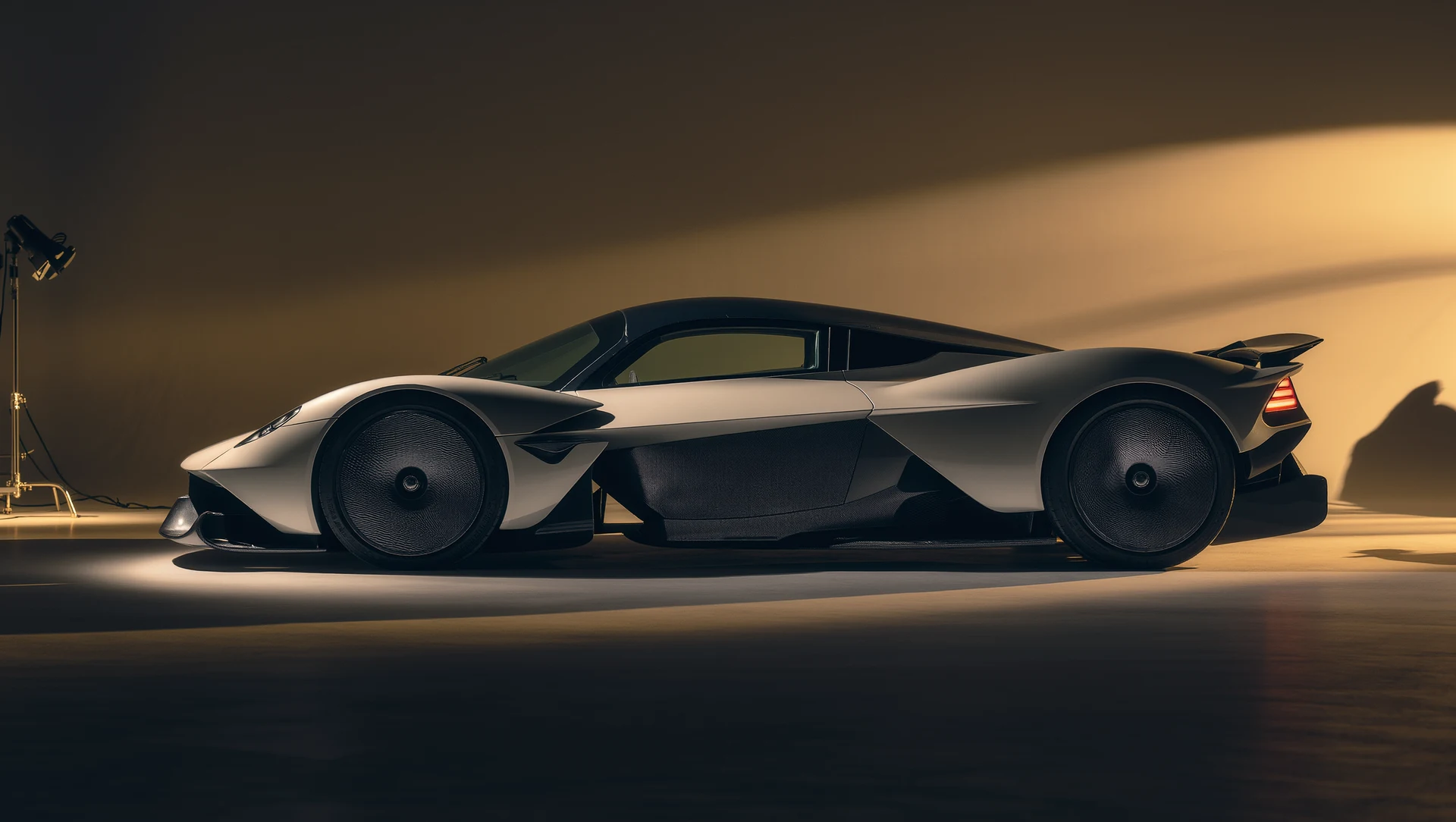
So, what exactly is a hypercar? Put simply, it’s the absolute bleeding edge of automotive technology and performance. Think of them as supercars dialled up to eleven, pushing the boundaries of what’s possible on four wheels. They’re not just about going fast; they’re about exquisite craftsmanship, mind-boggling power, and often, a hefty price tag to match.
What Makes a Hypercar a Hypercar?
It’s more than just a fast engine. Hypercars represent the pinnacle of automotive engineering, blending extreme performance with cutting-edge technology, exotic materials, and often, a very limited production run. They’re the dream machines, the ones you see plastered on bedroom walls and discussed in hushed, reverent tones by enthusiasts.
Performance Metrics That Defy Logic
When we talk about hypercars, we’re talking about numbers that seem plucked from a video game.
Accelerating Beyond Belief
Forget 0-60 mph in under 3 seconds; hypercars are often knocking on the door of 2 seconds. This isn’t just rapid; it’s a physical jolt that pins you to your seat. The sheer force generated by their engines and advanced traction control systems makes these launches feel almost violent, a testament to the compromises made for pure speed.
Top Speeds That Rewrite Records
While the race for the fastest production car ever is always ongoing and often fiercely debated, hypercars are consistently pushing the 250 mph barrier and beyond. Some have even flirted with, or officially surpassed, 300 mph, a speed that demands not only immense power but also incredible aerodynamic efficiency and structural integrity.
The Heart of the Beast: Powertrains Evolved
The engines in hypercars are marvels of engineering, pushing the boundaries of internal combustion, hybridisation, and even electrification.
Screaming V-Engines and Beyond
While V8s and V12s still hold a special place, you’ll find everything from potent twin-turbocharged V8s to high-revving V10s and naturally aspirated V12s that sing a glorious tune. The pursuit of power means squeezing every last ounce of performance from these complex machines.
The Hybrid Revolution: More Than Just Efficiency
Hypercars have fully embraced hybrid technology, not just for fuel economy (though that’s a bonus), but for an instant surge of torque and even more horsepower. Electric motors are often paired with internal combustion engines to fill in torque gaps and deliver unparalleled acceleration.
Electric Dreams: The Future of Speed
Some of the newest hypercars are going all-electric, leveraging the instant torque and massive power delivery of electric powertrains to achieve performance figures that leave traditional gasoline engines looking sluggish.
The Art of Aerodynamics and Materials
A hypercar isn’t just about brute force; it’s about controlling that force with incredible precision. This is where advanced aerodynamics and exotic materials come into play.
Sculpted by the Wind
The exterior of a hypercar is rarely just for show. Every curve, wing, and vent is meticulously designed to manage airflow, generate downforce, and keep the car planted at extreme speeds.
Active Aerodynamics: The Car Adapts
Many hypercars feature active aerodynamic elements that can change shape or deploy based on speed and driving conditions. Think of spoilers that rise for braking or front splitters that adjust to optimize downforce.
The Importance of Downforce
Downforce is crucial. It’s the vertical force that pushes the car into the road, increasing grip and allowing for higher cornering speeds. Hypercar designers achieve this through a combination of sophisticated wing designs, underbody diffusers, and cleverly shaped bodywork.
Lightweight is Right for Speed
In the quest for ultimate performance, weight is the enemy. Hypercars are built using the most advanced and lightweight materials available.
Carbon Fiber: The Backbone of Speed
Carbon fiber is ubiquitous in hypercar construction. Its incredible strength-to-weight ratio makes it ideal for chassis, body panels, and even interior components, drastically reducing overall mass.
Other Exotic Composites
Beyond carbon fiber, you’ll find other advanced composites and alloys, like titanium and magnesium, used in strategic areas to shave off every last gram without compromising structural integrity or safety.
Inside the Cockpit: A Blend of Luxury and Function
While hypercars are bred for the track, the interior is far from spartan. It’s a carefully curated space designed to enhance the driving experience.
Where Luxury Meets the La-Test Tech
The interiors of hypercars are a testament to exquisite craftsmanship, often featuring bespoke finishes and advanced technology.
Bespoke Interiors: Crafted for You
Expect custom-stitched leather, meticulously polished metal accents, and a level of attention to detail that borders on obsessive. These cars are often personalized to the owner’s exact specifications.
Driver-Focused Technology
While comfort is important, the primary focus is on the driver. Expect intuitive infotainment systems, advanced driver aids (often switchable for track use), and clear, performance-oriented instrumentation.
Seating for Speed: Comfort and Support
The seats in a hypercar are designed to keep you secure during G-force-inducing maneuvers while still offering a degree of comfort for longer journeys.
Racing-Inspired Seats
Many hypercars feature deeply bolstered seats that hug you in place, often made from lightweight materials like carbon fiber with luxurious leather or Alcantara upholstery.
Ergonomics for the Enthusiast
Every control and display is positioned with the driver in mind, ensuring that essential information is readily accessible and that interacting with the car feels natural and engaging.
The Price of Pinnacle Performance
Let’s be honest, hypercars aren’t for the faint of wallet. They represent an investment in engineering, exclusivity, and a driving experience unlike any other.
Beyond the Sticker Price: The True Cost of Ownership
While the initial purchase price is staggering, there are other factors to consider when looking at hypercars.
Exclusivity and Limited Production
Many hypercars are produced in very limited numbers, sometimes just a few dozen or even fewer. This exclusivity is a major part of their appeal and contributes to their high value.
Maintenance and Running Costs
These are not your average vehicles. Maintaining a hypercar requires specialized knowledge, parts, and often, dedicated service centers. Expect eye-watering bills for routine maintenance, tires, and any unexpected repairs.
Insurance Premiums That Make You Sweat
Insuring a vehicle worth millions of dollars is no minor task. Premiums can be substantial, reflecting the high replacement cost and the specialized nature of these machines.
The Future of Hypercars: Electrification and Beyond
The automotive landscape is constantly evolving, and hypercars are at the forefront of this change.
Electrifying the Future of Speed
The transition to electric powertrains is accelerating, and hypercars are leading the charge.
Instant Torque, Unprecedented Acceleration
Electric hypercars offer an immediate and overwhelming surge of acceleration that’s unlike anything gasoline-powered cars can deliver. The seamless power delivery is truly intoxicating.
The Sound of Silence (or a Synthesized Roar)
While some miss the visceral roar of a V12, electric hypercars are exploring new soundscapes, from subtle electronic hums to artificially generated engine notes designed to enhance the driving experience.
Autonomous Systems and the Driver’s Role
As technology advances, the role of the driver in a hypercar is also being redefined.
Enhanced Safety and Performance Aids
Advanced driver-assistance systems (ADAS) will become more sophisticated, offering real-time data and predictive capabilities to aid the driver, especially on the track.
The Human Element Remains Key
Despite technological advancements, the core appeal of a hypercar remains the raw, unadulterated connection between driver and machine. The focus will always be on creating an engaging and exhilarating experience for the person behind the wheel.
Hypercars are more than just cars; they are rolling sculptures of human ingenuity, pushing the boundaries of what we thought was possible in automotive design and performance. They represent the ultimate expression of automotive passion, a thrilling convergence of art, science, and sheer, unadulterated speed.
FAQs
What are hypercars?
Hypercars are a category of extremely high-performance, limited-production sports cars. They are known for their advanced technology, exceptional speed, and high price tags.What makes hypercars different from supercars?
Hypercars are typically more exclusive, more powerful, and more expensive than supercars. They often feature cutting-edge technology and are designed to push the boundaries of automotive performance.What are some examples of hypercars?
Some well-known hypercars include the Bugatti Chiron, Koenigsegg Jesko, McLaren P1, and the Porsche 918 Spyder. These cars are known for their exceptional speed, advanced engineering, and limited production runs.What are the key features of hypercars?
Hypercars are characterized by their high-performance engines, lightweight construction, advanced aerodynamics, and cutting-edge technology. They often incorporate hybrid powertrains and utilize exotic materials to achieve maximum performance.What is the price range for hypercars?
Hypercars are among the most expensive cars in the world, with prices typically ranging from several hundred thousand dollars to several million dollars. The limited production and high-performance nature of these vehicles contribute to their high price tags.More from Hypercars
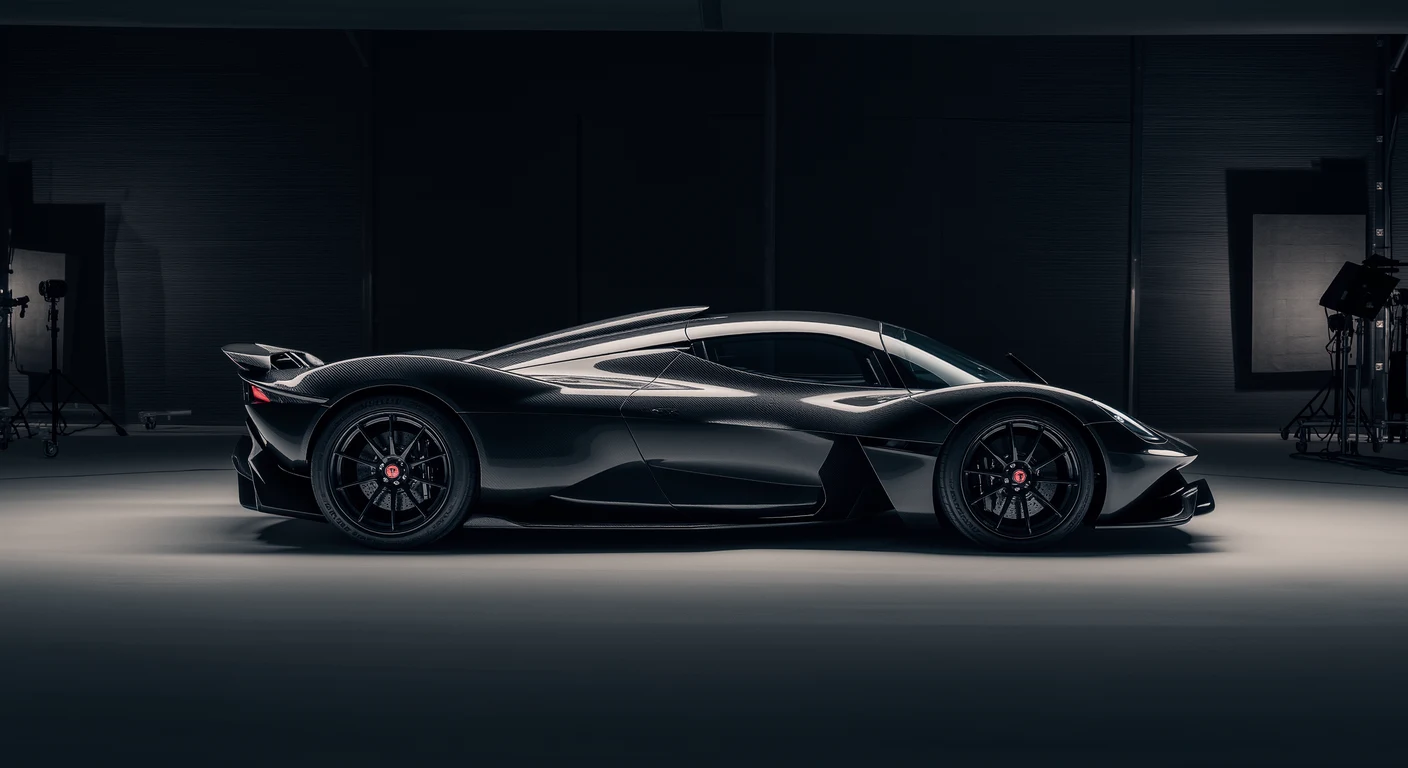
The Rise of Hypercar Investment: The Future of Luxury Performance Cars
Thinking about hypercars as an investment? It’s a question many high-net-worth individuals are pondering. The short answer is: yes, they can be …
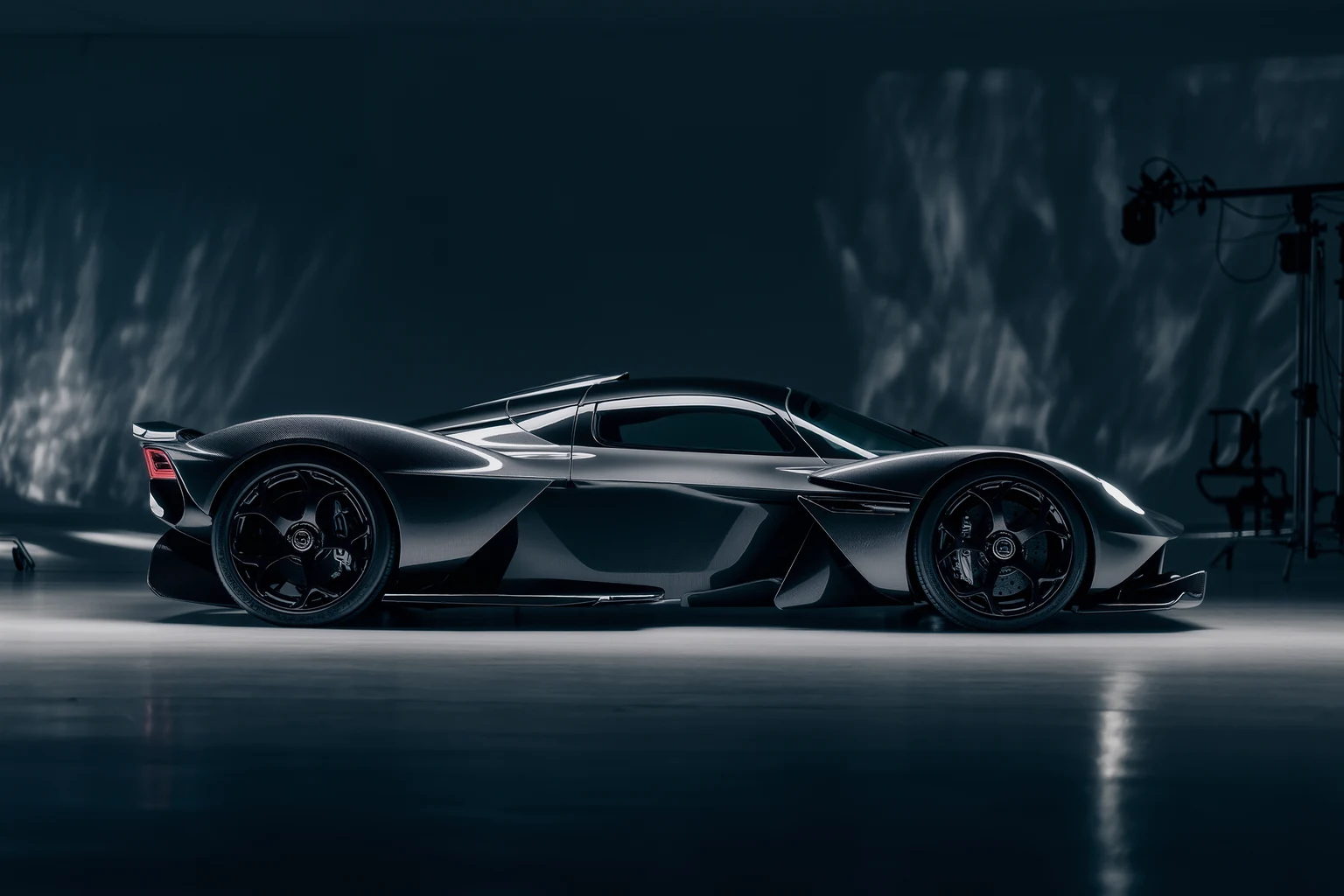
Ultimate Hypercar Experience: A Thrilling Ride
So, you’re curious about the ultimate hypercar experience, wondering what it really entails beyond just seeing these incredible machines on a sc…
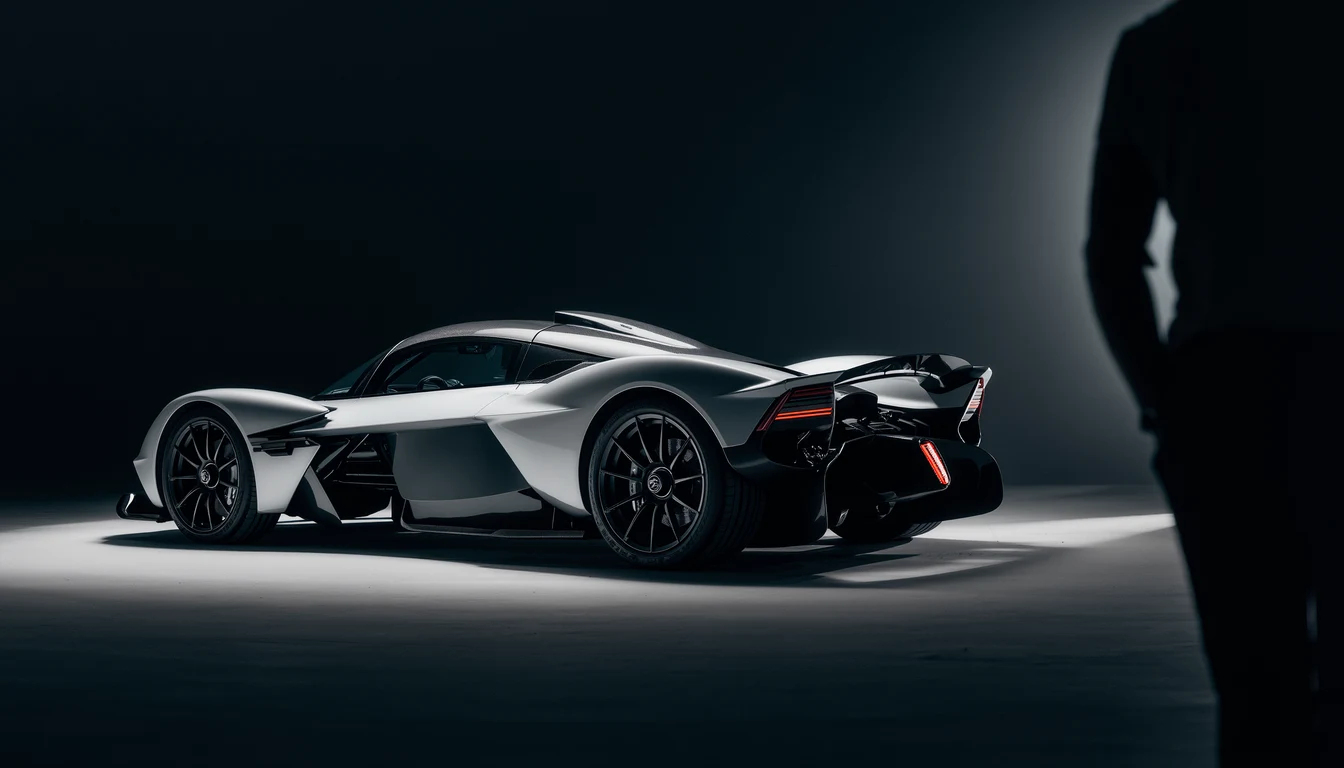
The Top Hypercar Brands: A Guide to the Ultimate Performance Machines
So, you’re wondering which hypercar brands truly stand out from the crowd? The answer isn’t just about speed; it’s a blend of engine…