Unleashing Hypercar Performance: The Ultimate Driving Experience
So, you’re dreaming of what it’s like behind the wheel of a hypercar. What is the ultimate driving experience with these machines? In a nutshell, it’s a visceral,…
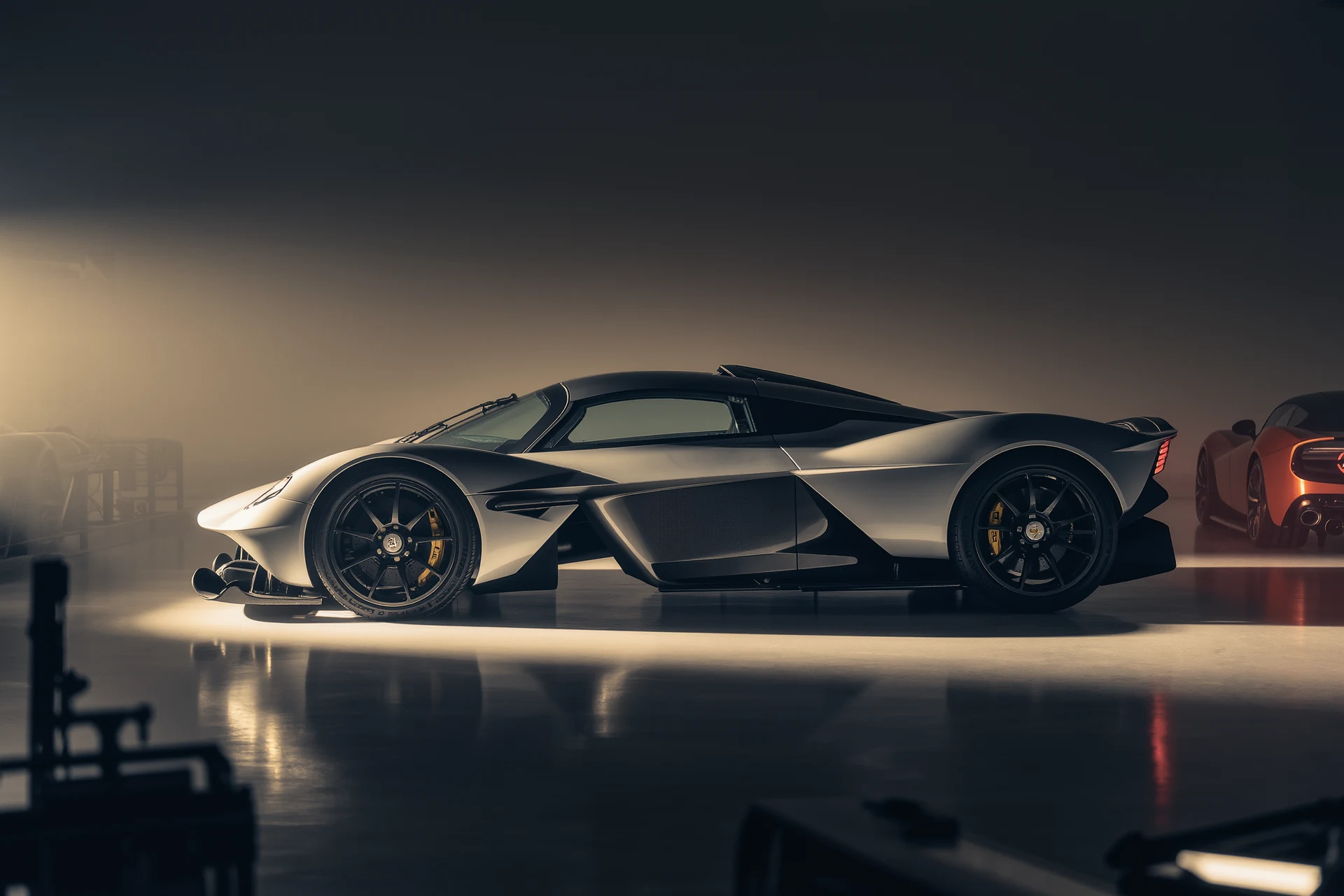
So, you’re dreaming of what it’s like behind the wheel of a hypercar. What is the ultimate driving experience with these machines? In a nutshell, it’s a visceral, all-consuming engagement with physics, engineering, and pure speed that goes far beyond what you’ve ever experienced. It’s about feeling every nuance of the road, every ripple of acceleration, and every shift in weight as if you’re an extension of the machine itself. Forget simply getting from A to B; this is about the journey, amplified.
Hypercars aren’t built with mundane engines. They house some of the most advanced and powerful powertrains ever conceived by automotive engineers. It’s not just about raw horsepower; it’s about how that power is delivered and the sheer engineering marvel that makes it all happen.
Beyond Horsepower Numbers
When we talk about hypercar engines, the numbers are always big. We’re talking about hundreds, often over a thousand, horsepower. But it’s not just about hitting that peak figure. It’s about the torque curve, the responsiveness, and how the engine interacts with other components to create a seamless surge of acceleration.
- Engine Configurations: You’ll find a variety of engine layouts, from V8s and V12s, often naturally aspirated for that crisp throttle response, to sophisticated turbocharged or supercharged setups that deliver immense grunt. Some even employ hybrid powertrains, combining the thundering internal combustion engine with electric motors for an instant torque boost and even greater overall output. This integration is a symphony of modern engineering.
- The Sound of Speed: More than just a way to propel the car, the engine in a hypercar is an instrument. The roar of a naturally aspirated V12 at full tilt or the intricate whines and growls of a high-performance turbo setup are part of the sensory overload. It’s a sound that’s simultaneously thrilling and intimidating, a constant reminder of the immense forces at play.
Transmission Technologies
How that power gets to the wheels is just as critical. Here, hypercars often utilize cutting-edge transmission technology to ensure the fastest possible shifts and the smoothest power delivery.
- Dual-Clutch Transmissions (DCTs): These are the workhorses for rapid gear changes. By having two clutches, one for odd gears and one for even gears, the next gear can be pre-selected, allowing for near-instantaneous shifts under full throttle. This minimizes any interruption in power delivery, vital for maximizing acceleration.
- Automated Manual Transmissions (AMTs): While less common in the very latest hypercars, some have used AMTs. These are essentially manual gearboxes with robotic actuation for clutch and gear engagement. While they can be incredibly fast, they sometimes lack the refinement of a good DCT.
- The Human Element: Even with the most advanced automatics, most hypercars allow for manual control via paddle shifters behind the steering wheel. This gives the driver the ultimate say in when to shift, allowing them to precisely control the engine’s revs and power delivery for optimal performance on track or spirited road driving.
The Art of Aerodynamics
Hypercars aren’t just shaped by aesthetics; they are sculpted by the wind. Aerodynamics plays a crucial role in keeping these incredibly fast machines planted on the ground and stable at high speeds.
Downforce: The Invisible Hand
The faster a car goes, the more lift it generates, which can make it feel light and unstable. Hypercars employ a range of aerodynamic devices to counteract this and create downforce, pushing the car into the tarmac.
- Wings and Spoilers: The most visible elements are often the large rear wings and aggressive front splitters. These are precisely engineered to manipulate airflow. The wing, for instance, creates a low-pressure area above it, pushing the rear of the car down.
- Underbody Aerodynamics: Much of the aerodynamic magic happens underneath the car. Diffusers and carefully shaped underbodies create Venturi tunnels, accelerating air and generating significant downforce without the drag penalty of a large wing.
- Active Aerodynamics: Some hypercars take this a step further with active aerodynamic elements. These are wings, spoilers, or flaps that can adjust their angle on the fly, depending on speed and driving conditions. This means optimal downforce when you need it for cornering, and reduced drag for better straight-line speed. This dynamic adjustment is a key differentiator.
Cooling and Airflow Management
All that power generates a lot of heat. Aerodynamics isn’t just about downforce; it’s also about efficiently channeling air to cool the engine, brakes, and other vital components.
- Intake and Venting: Large intakes are not just for show; they are essential for feeding air to the engine and intercoolers. Strategically placed vents and ducts help to extract hot air, preventing performance degradation.
- Brake Cooling: The brakes on a hypercar are immense, designed to haul these machines from ludicrous speeds. Ducts specifically channel air to the brake rotors and calipers, ensuring they remain at optimal operating temperatures and avoid fade.
Chassis and Suspension: The Foundation of Speed
The chassis and suspension are the unsung heroes of a hypercar. They provide the rigid platform and sophisticated control needed to harness the immense power and advanced aerodynamics.
Monocoque Construction: Lightweight Strength
The body structure of a hypercar is typically not made of conventional steel. Instead, advanced materials are used to create a lightweight yet incredibly strong chassis.
- Carbon Fiber Monocoque: Carbon fiber is the material of choice for most hypercars. Its incredible strength-to-weight ratio allows for incredibly stiff chassis with minimal mass. This rigidity is crucial for precise handling and allows the suspension to do its job effectively.
- Aluminum and Titanium: While carbon fiber is dominant, other exotic materials like aluminum alloys and titanium are also used in specific structural components to further optimize weight distribution and strength.
Sophisticated Suspension Systems
The suspension is where the rubber meets the road, quite literally. Hypercars feature highly advanced systems designed for both incredible grip and driver feedback.
- Double Wishbone and Pushrod Systems: Many hypercars employ double wishbone suspension on all four corners, offering excellent control over wheel alignment. Some extreme examples, particularly those with a racing pedigree, might even use pushrod or pullrod actuated suspension, allowing for more direct control of spring and damper rates.
- Adaptive Dampers: Modern hypercars almost universally feature adaptive or semi-active damper systems. These can adjust the damping force in real-time, softening for comfortable cruising and stiffening dramatically for aggressive cornering, all controlled by sophisticated electronics. This dual-purpose capability is remarkable.
- Active Anti-Roll Bars: To further manage body roll in corners, some hypercars may feature active anti-roll bars. These can essentially stiffen or even disconnect an anti-roll bar on the fly, allowing for flatter cornering without compromising ride quality on straighter sections.
The Driving Dynamics: A Symphony of Control
Experiencing a hypercar is about feeling the car respond to your every input with an immediacy and precision that’s rarely found elsewhere. It’s a dialogue between driver and machine.
Steering: Direct and Communicative
The steering in a hypercar is a critical link between the driver’s intentions and the car’s actions.
- Hydraulic vs. Electric Power Steering: Increasingly, electric power steering systems are used, offering greater configurability and efficiency. However, many still prize the more direct and unfiltered feel of a well-tuned hydraulic system, where you can feel every grain of pavement. Regardless of the type, the goal is always razor-sharp turn-in and immediate feedback.
- Geometry and Tuning: The steering geometry, including caster and camber angles, is meticulously tuned to provide stability at high speeds and responsive cornering. Small adjustments in steering input translate into immediate directional changes.
Braking: Confidence-Inspiring Power
The ability to slow down is just as important as the ability to go fast, and hypercar brakes are designed for extreme environments.
- Carbon-Ceramic Brakes: These are standard on most hypercars. Far lighter and more resistant to heat fade than traditional steel brakes, they offer incredible stopping power. The initial bite can be fierce, requiring some acclimatization.
- Regenerative Braking (in Hybrids): In hybrid hypercars, regenerative braking contributes to slowing the car, harvesting energy that would otherwise be lost as heat. This adds another layer to the braking experience, often feeling very powerful and direct.
Tire Technology: The Contact Patch
The tires are the sole connection to the road, and the tires on a hypercar are specialized performance compounds.
- Wider Contact Patches: Hypercars typically run incredibly wide tires, maximizing the contact patch for grip under acceleration, braking, and cornering.
- Specialized Compounds: These tires use advanced rubber compounds designed for extreme temperatures and high loads. They offer exceptional grip but can wear relatively quickly, a trade-off for peak performance.
The Sensory Experience: Beyond the Numbers
This is where hypercars truly distinguish themselves. It’s not just about the objective performance figures; it’s about the subjective, visceral, and overwhelming sensory input that makes driving one so unforgettable.
The Feeling of Acceleration
There’s an intense G-force that pins you back in the seat. It’s not just a gentle push; it’s a relentless surge that distorts your perception of time and speed. Your vision might blur slightly at the edges, and your body instinctively braces for impact.
- Instantaneous Torque: Hybrid hypercars offer an almost instantaneous “bang” of acceleration as electric motors provide immediate torque, compounding the effect of the internal combustion engine.
- G-Force Appreciation: You learn to feel the acceleration through your entire body. The feeling of being pushed forward is primal and addictive.
The Immersion in Sound
The cabin of a hypercar is often a concert hall for raw mechanical noise.
- Engine Symphony: The roar, whine, and growl of the engine are prominently featured, often amplified within the cabin. It’s not just noise; it’s a complex orchestral performance depending on the engine type and rpm.
- Wind Noise and Tire Roar: At speed, you also become acutely aware of the sounds of air rushing over the body and the tires clinging to the tarmac. These sounds are indicators of speed and grip, adding to the immersive experience.
The Connection to the Road
You feel everything. Every slight imperfection in the road surface is transmitted through the chassis and steering wheel, providing a constant stream of information.
- Vibrations and Feedback: Subtle vibrations from the road surface, the texture of the asphalt, and the grip of the tires are all communicated to the driver. This allows for incredible precision and confidence.
- The Feel of Grip: You can sense when the tires are working at their limit, when they’re about to lose traction, and when they’re providing maximum grip. This feedback is essential for pushing the car to its capabilities.
The Exhilaration and Adrenaline Rush
Driving a hypercar is, quite frankly, a rush. The combination of extreme speed, power, and precise control triggers a significant adrenaline response.
- Heightened Awareness: Your senses are on high alert, processing a flood of information. Every input has an immediate and significant consequence.
- A Sense of Control: Despite the immense speed, the engineering behind these cars aims for absolute control. This mastery over such a potent machine is deeply satisfying.
Mastering the Machine: The Driver’s Role
While hypercars are incredibly capable, they require skill and respect from the driver to truly unleash their potential and drive them safely.
Understanding the Technology
Even if you’re not a mechanical engineer, it’s beneficial to have a basic understanding of how the hypercar works. Knowing what to expect from the powertrain, the aerodynamics, and the suspension allows you to use them to your advantage.
- Learning the Power Delivery: Understanding when the turbo kicks in, how the hybrid system augments power, or the characteristics of a naturally aspirated V12 helps you to modulate throttle inputs effectively.
- Reading the Aerodynamics: Being aware of how the wing or diffuser is working can help you build confidence in high-speed corners.
Track Days and Professional Training
The optimal place to truly experience and learn to control a hypercar is on a closed circuit, ideally with professional instruction.
- Safe Environment: A track provides a controlled environment where you can explore the car’s limits without the hazards of public roads.
- Expert Guidance: Professional instructors can teach you advanced driving techniques, how to manage weight transfer, and how to exploit the car’s capabilities safely and effectively. This is where the “ultimate” driving experience truly blossoms.
Gradual Exploration
Don’t expect to get into a hypercar and immediately drive like a professional racer. It’s a process.
- Gentle Inputs: Start with smooth and deliberate inputs to steering, throttle, and brakes. Feel how the car responds.
- Incremental Speed Increases: As you gain confidence and understanding, gradually increase your speed and explore the car’s limits in stages. Listening to the car and feeling its feedback is paramount.
Unleashing hypercar performance is more than just a joyride; it’s an intricate dance with physics, engineering, and your own driving skill. It’s an experience that will leave an indelible mark on your memory, a profound appreciation for what’s possible when human ingenuity and raw power converge.
FAQs
What is a hypercar?
A hypercar is a high-performance car that exceeds the performance of traditional supercars. It typically features advanced technology, lightweight materials, and powerful engines to achieve exceptional speed and handling.What are some examples of hypercars?
Some examples of hypercars include the Bugatti Chiron, Koenigsegg Jesko, McLaren Speedtail, and the Rimac C_Two. These cars are known for their exceptional speed, advanced engineering, and limited production numbers.What are the performance characteristics of hypercars?
Hypercars are known for their exceptional speed, often reaching top speeds of over 200 mph. They also feature advanced aerodynamics, high horsepower engines, and cutting-edge technology to achieve superior acceleration, handling, and braking capabilities.How do hypercars compare to supercars?
Hypercars typically exceed the performance of traditional supercars in terms of speed, technology, and engineering. They often feature more advanced materials, higher horsepower engines, and more aggressive aerodynamics, resulting in superior performance on the track and the road.What makes hypercars so expensive?
Hypercars are expensive due to their limited production numbers, advanced technology, and high-performance capabilities. They often feature exotic materials, handcrafted components, and extensive research and development, which contribute to their high price tags.More from Hypercars
The Rise of Hypercar Investment: The Future of Luxury Performance Cars
Thinking about hypercars as an investment? It’s a question many high-net-worth individuals are pondering. The short answer is: yes, they can be …
Ultimate Hypercar Experience: A Thrilling Ride
So, you’re curious about the ultimate hypercar experience, wondering what it really entails beyond just seeing these incredible machines on a sc…
The Top Hypercar Brands: A Guide to the Ultimate Performance Machines
So, you’re wondering which hypercar brands truly stand out from the crowd? The answer isn’t just about speed; it’s a blend of engine…