Unveiling the World’s Most Luxurious Supercars
So, what makes a supercar truly luxurious? It’s more than just raw speed or a sky-high price tag. We’re talking about a blend of exquisite craftsmanship, rare materials…
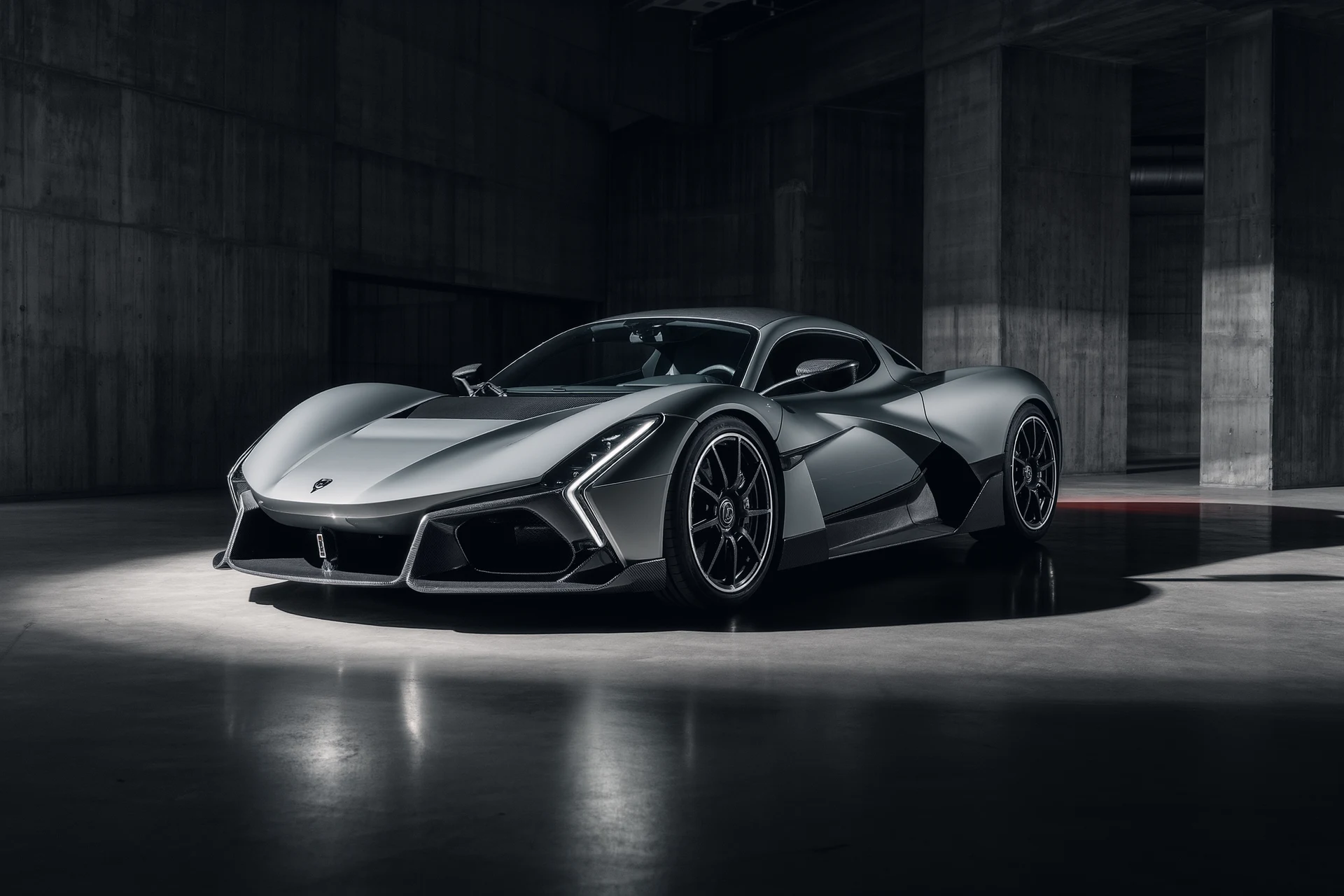
So, what makes a supercar truly luxurious? It’s more than just raw speed or a sky-high price tag. We’re talking about a blend of exquisite craftsmanship, rare materials, cutting-edge technology, and an unparalleled driving experience that goes beyond mere performance. Think hand-stitched leather alongside carbon fiber, bespoke interior touches, and engines that are as much works of art as they are powerplants. Luxury in this segment means comfort and exclusivity are just as important as the horsepower figures. These aren’t just cars; they’re rolling masterpieces, often built to individual specifications and representing the pinnacle of automotive engineering and design.
When you step into a luxury supercar, you’re not just stepping into a car; you’re entering a meticulously crafted environment. It’s an experience where every detail has been considered and often, obsessively refined. This level of craftsmanship is what truly sets these vehicles apart from even high-performance sports cars.
Hand-Stitched Interiors and Exotic Materials
Forget mass-produced interiors. In a luxury supercar, the cabin is often a symphony of hand-selected and hand-finished materials. We’re talking about leather that feels like silk, meticulously stitched by artisans who’ve trained for years. Imagine the aroma of fine, aged hides filling the cabin, perhaps sourced from specific breeds known for their supple quality.
Beyond leather, you’ll find an array of exotic woods, often sustainably sourced and exquisitely finished, or polished metals, not just any metal, but often aerospace-grade aluminum or fine, brushed stainless steel. Carbon fiber is a given, but it’s not just for weight saving; it’s often woven into intricate patterns and finished with a deep, glossy lacquer that makes it a visual spectacle. Some manufacturers even offer unique options like mother-of-pearl inlays, precious stone accents, or even gold leaf detailing if that’s your preference. The beauty here is that these materials are often chosen not just for their aesthetic appeal but also for their durability and tactile quality, ensuring they stand the test of time and countless admiring touches.
Customizable Touches and Personalization Programs
One of the defining features of super-luxury supercars is the degree to which they can be personalized. This isn’t just about picking a paint color; it’s about creating a vehicle that is uniquely yours, reflecting your taste and desires down to the minutest detail. Many manufacturers offer extensive “bespoke” or “personalization” programs.
These programs often start with an almost limitless palate of exterior colors. If you don’t like any of the standard options, many will custom-mix a color just for you, matching it to your favorite shirt, a childhood memory, or even a specific shade from a painting. The interiors offer even more scope for customization. Think about choosing the exact grain of wood veneer, the specific type of stitching on the seats, contrasting, homologous, diamond pattern, quilted, the color of the seatbelts, the material of the floor mats, and even personalized engravings on door sills or dashboard plaques. Some programs allow for even deeper customization, such as tailoring the seating position to your precise measurements, integrating specific technological features you might require, or even working with their design team to create a truly one-off exterior fascia or interior layout. This level of personalization means that no two cars are ever truly identical, making each luxury supercar a unique piece of automotive art.
Engineering Brilliance Beyond Horsepower
While jaw-dropping horsepower figures are expected in any supercar, what truly differentiates the luxurious variants is the underlying engineering brilliance. This isn’t just about brute force; it’s about how that power is delivered, how the car handles, and the seamless integration of cutting-edge technology to enhance the driving experience.
Advanced Aerodynamics and Weight Saving
Luxury supercars are engineering marvels in how they slice through the air and maintain stability at extreme speeds. Aerodynamics here isn’t just an afterthought; it’s a fundamental part of the design and engineering process. Designers work hand-in-hand with engineers to sculpt every curve, vent, and spoiler to optimize airflow, reduce drag, and generate downforce.
You’ll find active aerodynamic elements that adjust on the fly, deploying rear wings during hard braking for stability, or adjusting front splitters to manage airflow at different speeds. These systems are often invisible until activated, maintaining the car’s sleek lines. Materials play a huge role in both aerodynamics and weight saving. Carbon fiber, originally a motorsport staple, is now widespread in these vehicles, used not just for exterior panels but for the monocoque chassis itself, providing immense rigidity and strength while keeping weight down. Lightweight alloys, titanium, and even magnesium are used in various components to shave off every possible gram, contributing to better performance and sharper handling. This meticulous attention to weight saving also means that every component is scrutinized, often redesigned from scratch, to ensure it serves its purpose with minimal heft.
Sophisticated Suspensions and Drivetrains
The ride quality in a luxury supercar is surprisingly refined, despite its performance potential. This is thanks to incredibly sophisticated suspension systems. We’re often talking about adaptive damping, where sensors continuously monitor road conditions and driving style, adjusting the suspension’s stiffness in milliseconds to provide both comfort and control.
Many feature multi-link setups, often crafted from lightweight materials, that allow for precise wheel articulation and superior grip. Some even incorporate hydraulic or air suspension systems that can alter ride height, allowing for clearance over speed bumps in “comfort” mode and hunkering down for track performance. The drivetrains are equally advanced. Dual-clutch transmissions (DCTs) are the norm, offering lightning-fast gear changes that are imperceptible to the driver, allowing for seamless power delivery. All-wheel-drive systems are often electronically controlled, distributing torque intelligently to each wheel for maximum traction and stability, whether cornering hard or accelerating out of a bend. The integration of these systems is so seamless that the driver can focus solely on the road, with the car silently working in the background to optimize every aspect of its performance and comfort.
The Exclusive Club of Iconic Brands
Certain manufacturers consistently sit at the pinnacle of luxury supercar production. These aren’t just car companies; they are often heritage brands with long, storied histories of innovation, racing success, and an unwavering commitment to automotive excellence.
Bugatti: The Quintessence of Hyper-Luxury
Bugatti is almost synonymous with hyper-luxury. Their vehicles aren’t merely fast; they are monuments to engineering and design. Take the Chiron, for instance. It’s not just about its quad-turbo W16 engine producing over 1,500 horsepower; it’s about the way that power is delivered and the exquisite environment in which the driver experiences it.
Every Bugatti is a limited-production, hand-built masterpiece. The interior of a Chiron is a lesson in understated opulence, featuring finely machined aluminum components, hand-polished carbon fiber, and a choice of the finest leather grades. The attention to detail extends to things like the unique diamond-coated diaphragms in the speaker system for unparalleled audio clarity. Even the key is a work of art. Bugatti ownership is about more than performance; it’s about owning a piece of automotive history, a vehicle that blurs the line between car and art. Their extensive personalization program ensures that each Chiron is as unique as its owner, with specialists guiding clients through a myriad of material, color, and finish choices for every conceivable surface.
Rolls-Royce: Unrivaled Opulence on Wheels
While perhaps not supercars in the traditional sense of track performance, Rolls-Royce offers an unparalleled level of luxury and exclusivity that often eclipses many supercars in terms of bespoke craftsmanship and price. Models like the Phantom, Ghost, or the Cullinan SUV, when highly customized, reach price points that rival or exceed dedicated performance machines.
Rolls-Royce vehicles are built around the concept of “effortless motoring” and “the magic carpet ride.” The interiors are sanctuaries of quiet luxury, featuring astronomical amounts of hand-polished wood veneers, meticulously stitched leather, and deep-pile lambswool carpets. The “Starlight Headliner,” an option that embeds thousands of fiber optic lights into the roof lining to mimic a starry night sky, is a prime example of their whimsical yet sophisticated approach to luxury. Their “Bespoke” program is legendary, allowing clients to commission truly unique features, from specific paint colors matched to a prized possession, to picnic sets made of the same interior wood veneer, or even integrated humidors and champagne coolers. The level of silent power from their V12 engines combined with the serene cabin experience is what defines their unique blend of luxury, making every journey an event.
Pagani: Art and Engineering in Perfect Harmony
Pagani cars are perhaps the most ardent example of automotive passion translated into physical form. Horacio Pagani, the founder, believes that a car should be a piece of art, and every detail of his creations, like the Huayra or Zonda, reflects this philosophy.
From the exposed carbon fiber weave that looks almost like intricate embroidery to the jewel-like switches and dials, a Pagani’s interior is a testament to meticulous design and craftsmanship. Many components, from suspension arms to engine covers, are not just functional but visually stunning, often made from exotic alloys and polished to a mirror finish. The visible gear linkage on some models, for example, is not hidden but celebrated as mechanical art. The engines, often bespoke AMG V12s tuned specifically for Pagani, provide incredible power, but it’s the symphony they produce, and the way the car feels intrinsically connected to the driver, that sets them apart. Each Pagani is incredibly limited in production, and the personalization process is incredibly hands-on, ensuring each car is a direct extension of its owner’s taste and Pagani’s artistic vision.
Koenigsegg: Ultimate Performance, Ultimate Exclusivity
Koenigsegg, from Sweden, focuses on pushing the boundaries of extreme performance, but they do it with an underlying layer of bespoke luxury and meticulous engineering. Their cars like the Jesko or Regera are record-breakers, but they also offer a surprisingly refined experience.
Christian von Koenigsegg’s vision is about creating the “ultimate megacar,” and this extends to every part of the vehicle. While the focus is on lightweight carbon fiber and unparalleled power-to-weight ratios, the interiors are still crafted with high-quality materials, bespoke stitching, and innovative technology. The “Autoskin” system on some models, which uses hydraulic actuators to open all doors, hood, and trunk with a single button press, is an example of their blend of engineering prowess and user experience focus. Koenigsegg offers a high degree of customization, allowing owners to specify everything from the visible carbon fiber weave patterns and color tints to unique interior trims and personalized badging. Owning a Koenigsegg is about being part of an exclusive club that appreciates cutting-edge technology, record-shattering performance, and a surprisingly high level of personalized luxury.
Aston Martin: A Unique Blend of Elegance and Performance
Aston Martin, the iconic British marque, has carved out a unique niche in the luxury supercar market. While they produce genuinely high-performance vehicles like the Valkyrie or the new Valhalla, their distinct identity often lies in a more refined, elegant approach to speed, coupled with impeccable craftsmanship.
Their vehicles are renowned for their beautiful proportions and flowing lines, often described as “brutally beautiful.” Step inside an Aston Martin, and you’re greeted with an interior that is both sporting and sumptuously appointed. Hand-stitched Bridge of Weir leather is a hallmark, often combined with exquisitely crafted metal trim, carbon fiber, or open-pore wood veneers. The driving experience, even in their most potent models, tends to be more GT-focused, offering a remarkable blend of blistering performance and long-distance comfort. Their “Q by Aston Martin” bespoke division allows for an extraordinary degree of personalization, from unique paint compositions and interior materials to entirely re-imagined cabin layouts or the incorporation of specific personal items. This approach makes Aston Martin a favorite for those who desire incredible performance wrapped in a package that screams sophisticated luxury, without being overtly flamboyant.
Future Trends in Luxury Supercars
The world of luxury supercars is continuously evolving. While tradition and craftsmanship remain central, the industry is also embracing new technologies and shifting priorities.
The Rise of Electrification and Hybridization
The roar of a V12 or V16 engine is iconic, but even luxury supercar manufacturers are adapting to the push for greener mobility. Hybrid powertrains are becoming more common, not just for efficiency but also for performance. The McLaren P1, LaFerrari, and Porsche 918 Spyder were pioneers in this regard, using electric motors to provide instant torque fill and boost overall power output.
Now, fully electric hypercars are entering the scene, like the Rimac Nevera or the Lotus Evija. These vehicles promise astounding acceleration and silent, yet potent, power delivery. The challenge for luxury brands is to maintain the visceral experience and emotional connection that buyers expect, even without the traditional engine note. This involves sophisticated sound design, innovative haptic feedback, and ensuring that the luxury experience remains paramount. Expect to see an increasing blend of traditional combustion engines with advanced electric power, culminating eventually in more full-electric luxury supercars that redefine performance and exclusivity while embracing sustainability.
Sustainable Luxury and Ethical Sourcing
As environmental consciousness grows, even the most exclusive brands are facing pressure to demonstrate sustainability. This impacts everything from manufacturing processes to the sourcing of materials.
We’re starting to see manufacturers explore ethically sourced leather, recycled materials for interior components, and sustainable wood veneers. The emphasis will shift not just to exotic materials, but to exotic materials obtained responsibly. Some brands are already investigating alternatives to traditional animal hides, offering vegan interior options that don’t compromise on luxury feel or durability. Energy-efficient production methods, reduced waste, and even carbon offsetting programs are becoming part of the narrative. This trend means that future luxury supercars will not only be beautiful and powerful but also come with a story of environmental and social responsibility, appealing to a buyer who values both extravagance and ethical practices.
Advanced Connectivity and Autonomous Features
While the joy of driving is paramount in a luxury supercar, the integration of advanced technology and connectivity is inevitable. This isn’t about fully autonomous driving in a daily commuter sense, but about enhancing convenience and the overall user experience.
Expect sophisticated infotainment systems with augmented reality displays, seamless smartphone integration, and advanced voice control that understands natural language. Over-the-air updates will become standard, keeping the vehicle’s software fresh and introducing new features. While true self-driving features might remain limited to specific, controlled environments, advanced driver-assistance systems (ADAS) will likely become more prevalent, offering increased safety and reducing driving fatigue during long journeys, perhaps an automated lane-keeping assist for highway cruising, or intelligent parking assistance in challenging urban environments. The challenge will be to integrate these technologies in a way that feels intuitive and luxurious, without detracting from the core driving experience or cluttering the meticulously designed interiors. It’s about tech that enhances, not overwhelms.
FAQs
What are luxury supercars?
Luxury supercars are high-performance, high-end vehicles that are known for their exceptional speed, advanced technology, and luxurious features. These cars are often produced in limited quantities and are highly sought after by car enthusiasts and collectors.What sets luxury supercars apart from regular cars?
Luxury supercars are distinguished by their superior performance, cutting-edge technology, and exquisite design. They are often equipped with powerful engines, advanced aerodynamics, and high-quality materials, setting them apart from regular cars in terms of speed, handling, and overall driving experience.What are some popular luxury supercar brands?
Some popular luxury supercar brands include Ferrari, Lamborghini, McLaren, Bugatti, Aston Martin, and Porsche. These brands are known for producing some of the most iconic and high-performance supercars in the world.What are some key features of luxury supercars?
Luxury supercars often feature advanced aerodynamics, lightweight materials such as carbon fiber, powerful engines capable of producing high horsepower, advanced suspension systems, and state-of-the-art infotainment and driver assistance technologies.What is the price range for luxury supercars?
The price range for luxury supercars can vary widely, but they typically start at several hundred thousand dollars and can go up to several million dollars for limited edition or highly exclusive models. The price is often influenced by factors such as brand prestige, performance capabilities, and rarity.More from Supercars
Join the Exclusive Supercar Club Today!
If you’re wondering how to get behind the wheel of those dream machines without breaking the bank, a supercar club might be exactly what you…
Unleash Your Inner Speed Demon with a Ferrari Driving Experience
Ever dreamt of that iconic Ferrari roar? Of carving corners with precision that feels almost balletic? You’re not alone. The good news is, getti…
Unleash the Thrill: Porsche GT Driving Experience
So, you’re wondering about the Porsche GT Driving Experience and if it’s worth your time, and your money. The short answer? It’s a unique…