Virtual Motorsport News: The Latest in Sim Racing
So, you want to know what’s new in the blazing-fast world of virtual motorsport, or sim racing as most of us call it? Well, the short answer is: a whole lot is happening, and…
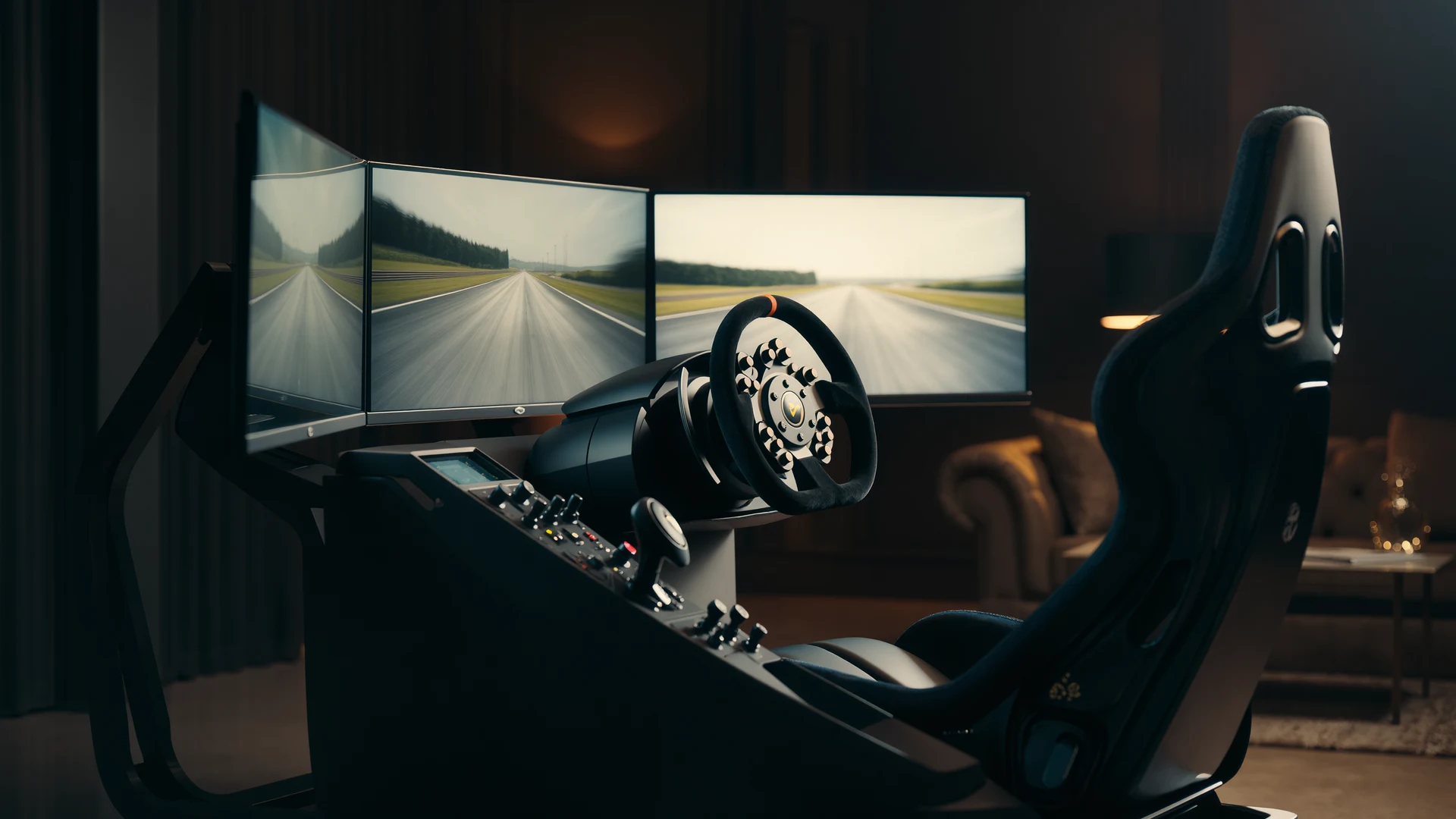
So, you want to know what’s new in the blazing-fast world of virtual motorsport, or sim racing as most of us call it? Well, the short answer is: a whole lot is happening, and it’s pretty exciting. The lines between being a spectator and a participant are blurring, the tech is getting seriously impressive, and the competition is fiercer than ever. Think of it as everything you love about real racing, but often with more accessible starting points and a constant stream of innovation.
It’s easy to get caught up in the shiny new hardware and the big esports tournaments, but underneath all that, there are a few core things really pushing sim racing forward. It’s not just about looking pretty; it’s about feeling more real, being more accessible, and creating tighter, more engaging competition.
Realism Gets an Upgrade (Again)
Every year, it feels like the developers are saying, “We can make it even more like the real thing.” And they keep finding ways to do it. This isn’t just about slapping on some new textures. They’re digging deep into the physics of how tires grip, how suspension reacts to bumps, and even how aerodynamics work when you’re inches behind another car.
Tire Models: More Than Just Rubber
The humble tire is where so much of the magic happens in a race car. In sim racing, the tire model is probably the most crucial piece of the realism puzzle. Developers are constantly refining these. We’re talking about simulating things like tire compound degradation in real-time, temperature effects that drastically alter grip levels, and how different road surfaces (like those pesky painted lines or damp patches) actually compromise traction. It’s the difference between a car that feels vaguely like it’s on wheels and one that actually communicates its limits to you through the wheel and your screen.
Force Feedback: Feeling the Road (and the Overtakes)
Force feedback (FFB) is your direct line to what the virtual car is doing. It’s not just about feeling a generic rumble. Modern FFB systems are designed to replicate the subtle vibrations from the road surface, the biting force of the tires as they find grip, the jarring impact of hitting a kerb, and even the change in steering weight as your downforce levels fluctuate. High-end wheels can translate these nuances with incredible fidelity, making you feel every bit of the car’s behavior. This is key for understanding when you’re about to lose traction or when you’ve found a good setup.
Aerodynamics: The Invisible Force
Aerodynamics are massive in real motorsport, and sim developers are getting better at translating that complexity into the virtual world. This means simulating the effects of drafting, the sensitivity of aero balance to ride height changes, and how dirty air from the car in front can mess with your car’s stability and grip. It’s a subtle but incredibly important factor for competitive racing, especially in close pack racing. Being able to accurately predict and react to the wake of another car adds a whole new layer of strategic depth.
Accessibility: Sim Racing for Everyone
The days of needing a super-computer and a thousand-dollar wheel setup to have a decent sim racing experience are fading. While the high-end is still there and thriving, there’s a growing focus on making it easier for more people to jump in.
Console Racing: Stepping Up Its Game
For a long time, PC was the undisputed king of sim racing. However, consoles are catching up, and big players are taking notice. We’re seeing more titles on PlayStation and Xbox that offer genuinely realistic driving experiences, moving beyond arcade-style racers. This means more people can experience what sim racing is about without a massive upfront investment in PC hardware. Some of these console titles are even starting to integrate with PC-based esports and leagues, blurring the lines even further.
Entry-Level Hardware: Performance on a Budget
The cost of entry is a huge barrier for many. Thankfully, manufacturers of wheels and pedals are recognizing this. There are now more affordable, yet still capable, force feedback wheels and pedal sets available. While they might not offer the absolute finest detail of a high-end rig, they provide a significant upgrade from a gamepad and are more than enough to allow drivers to learn the fundamentals and enjoy the racing. Often, upgrading pedals is one of the first and most impactful steps for someone starting out.
Free-to-Play and Subscription Models: Lowering the Barrier
Some sim racing titles are experimenting with different business models. Free-to-play options, while sometimes with cosmetic or convenience microtransactions, allow anyone to download and try out a realistic racing simulation. Subscription services, on the other hand, can offer access to a vast library of cars and tracks for a monthly fee, which can be more cost-effective than buying individual titles and DLC. This approach allows newcomers to explore different disciplines of motorsport before committing to a purchase.
The Ecosystem: Where the Virtual Racing Happens
It’s not just about the games themselves; it’s about the whole network of platforms, communities, and events that make sim racing a vibrant ecosystem. This is where you find your competition, learn the ropes, and maybe even make a name for yourself.
The Big Players: Software That Drives the Competition
These are the sims that form the backbone of the sim racing world, each with its own strengths and dedicated community. Choosing one often comes down to personal preference for driving style, car selection, or the types of races you want to compete in.
iRacing: The Gold Standard for Competitive Online Racing
If you’re serious about competitive online racing, iRacing is often the first name that comes up. It’s a subscription-based service that focuses on laser-scanned tracks and highly detailed car models. What really sets it apart is its Sporting Code and Safety Rating system. This system actively works to promote clean racing by matching drivers of similar skill and penalizing contact and off-track excursions. It’s not the cheapest option, but for many, the quality of the online racing experience is unmatched. They are constantly adding new cars and tracks, and their simulation technology is frequently updated.
Assetto Corsa Competizione (ACC): The GT3 King
For fans of GT3 racing, Assetto Corsa Competizione is the undisputed champion. Developed in partnership with SRO Motorsports Group, it features official FIA GT3 cars and tracks with incredible accuracy. The physics are renowned for their realism, especially concerning tire behavior and tire wear. The online multiplayer is robust, with a similar focus on driver ratings and race incident systems to encourage clean racing. Its recent updates have focused on improving netcode and expanding the car and track roster within the GT World Challenge framework.
rFactor 2: Deep Simulation and Modding Power
rFactor 2 is known for its incredibly complex tire and physics model, often considered one of the most sophisticated available. While it might have a steeper learning curve for some, its simulation depth is praised by many seasoned sim racers. It also has a massive modding community, which allows for an almost endless variety of cars and tracks to be added to the game, significantly extending its lifespan and variety of content. The recent updates have been focused on improving the user interface and making the core simulation more accessible.
Automobilista 2: Brazilian Flair and Versatility
Automobilista 2 (AMS2) has carved out a significant niche, offering a wide range of motorsport disciplines with a distinctly Brazilian flavor, alongside international favorites. Its physics engine, built on the Madness engine (also used in Project CARS), is praised for its tire model and dynamic track conditions. AMS2 stands out for its versatility, featuring everything from classic F1 cars to touring cars and even karts. The developers are actively expanding content, with regular updates adding new cars, tracks, and improving the AI.
The Third Party Advantage: Mods and Tools
The official content is great, but the sim racing community thrives on user-created content and helpful tools.
Modding: Expanding the Horizon
The modding scene for games like rFactor 2 and Assetto Corsa is mind-boggling. Enthusiasts recreate iconic cars, legendary circuits, and even entirely fictional race series. This not only provides an incredible amount of free content but also allows for simulations of racing series or eras that official games might not cover. The quality can vary, but some mods are so good they are practically indistinguishable from official DLC. Developers are increasingly embracing and even supporting modding efforts.
Third-Party Software: Enhancing the Experience
Beyond the sims themselves, there’s a wealth of third-party software designed to improve the overall sim racing experience. This can include overlays that display real-time telemetry, tools for analyzing your performance, or even software for managing race setups. Some of this software integrates directly with the sims, providing deeper insights into your driving and car behavior. Think of it as adding a pit crew and an engineering team to your personal racing setup.
Esports and the Spectacle: Racing for Glory
Sim racing isn’t just a hobby; it’s a legitimate and growing form of esports, attracting professional drivers, massive audiences, and significant prize pools. Whether you’re participating or just watching, it’s a thrill.
Elite Competition: The Professional Scene
The top tier of sim racing esports is incredibly competitive. Professional teams now employ sim racers, and many real-world racing series have their own official virtual counterparts. Drivers from Formula 1, NASCAR, and other major championships often participate, using sim racing to stay sharp and to engage with fans. The live broadcasts are professionally produced, featuring expert commentary and high-quality graphics, making it engaging for both hardcore sim racers and casual viewers.
Virtual Formula 1 Championship
The F1 Esports Series is a prime example of how seriously sim racing is being taken at the highest level. Teams from the actual Formula 1 grid field their own teams of sim racers who compete for the championship title. This series showcases incredible driving talent and strategic prowess, all within the digital realm, offering a fascinating parallel to the real-world F1 season. It’s a great way for fans to connect with their favorite teams and drivers in a different context.
NASCAR’s Virtual Dominance
NASCAR, with its passionate fanbase, has also heavily embraced sim racing esports. The NASCAR iRacing Series, for instance, brings together professional drivers from various disciplines to compete on iRacing in virtual stock cars. These events often draw massive viewership and demonstrate the competitive spirit inherent in NASCAR, even without the physical danger of real-world racing. The realism of iRacing allows these drivers to hone their skills and provide thrilling racing action.
Endurance Series and One-Off Spectacles
Beyond the season-long championships, there are also numerous professional endurance races and one-off esports events that capture attention. These can range from 24-hour virtual races simulating iconic events like Le Mans or Spa, to GT-specific championships and even niche series focusing on specific car classes. These events often feature a mix of professional sim racers and real-world drivers, creating unique and unpredictable racing battles.
Viewer Engagement: More Than Just Watching
The growth of esports has also led to innovations in how we consume sim racing content. It’s not just about watching a race; it’s about being part of the experience.
Interactive Broadcasts and Fan Participation
Live broadcasts are becoming more interactive. Features like real-time fan polls, predictions, and even the ability for viewers to influence certain aspects of the broadcast (like camera angles or driver focus) are starting to emerge. This makes the viewing experience more dynamic and engaging, turning passive observers into active participants. Some platforms even allow viewers to overlay their own telemetry or data onto the broadcast for analysis.
YouTube and Twitch: The Home of Sim Racing Content
Platforms like YouTube and Twitch are central hubs for sim racing content. You’ll find everything from in-depth tutorials and setup guides to full race replays and highlights. Many professional sim racers and content creators stream their practice sessions and races, offering a behind-the-scenes look at the dedication and skill involved. This accessibility has been crucial in growing the sim racing audience.
Hardware Innovations: The Gear That Makes It Real
The physical equipment you use to interact with a sim is just as important as the software. Manufacturers are constantly pushing the boundaries of what’s possible.
Direct Drive Wheels: The Pinnacle of Immersion
Direct drive wheels are widely considered the ultimate for sim racing enthusiasts. Instead of using gears or belts to transfer the motor’s force to the steering wheel, the wheel is directly attached to the motor. This results in incredibly precise, strong, and nuanced force feedback. You can feel every tiny change in the road surface, every shift in the car’s balance, and every impact with astonishing clarity. They are a significant investment, but for many, they are the key to unlocking the full potential of a sim racing experience.
Simucube and Fanatec: Leading the Charge
Companies like Simucube and Fanatec are at the forefront of direct drive technology. Simucube, often favored by serious enthusiasts and professional sim racers, offers incredibly powerful and customizable direct drive bases. Fanatec, known for its broader range of products, also offers high-performance direct drive wheels that integrate seamlessly with their ecosystem of shifters, pedals, and cockpits. These companies are continually refining their motor control and force feedback algorithms.
Understanding Torque and Latency
When looking at direct drive wheels, terms like “torque” (measured in Newton-meters, Nm) and “latency” become important. Higher torque means more powerful feedback, capable of simulating the forces experienced in high-performance race cars. Low latency is critical for instantaneous response; the wheel needs to react to the simulation in milliseconds to feel truly connected. Developers are also working closely with hardware manufacturers to tailor FFB data for optimal results on different wheel bases.
Advanced Pedals: Beyond a Simple Brake and Accelerator
Pedals are your primary input for controlling speed and braking, and their sophistication can dramatically impact your driving.
Load Cell Pedals: Feeling the Pressure
Load cell pedals use a load cell sensor to measure the actual force you apply, rather than just the distance the pedal is pressed. This is crucial for realistic braking. In a real car, you don’t push the brake pedal a certain distance; you apply a certain amount of force. Load cells replicate this, allowing for much finer control over braking pressure and the ability to “feel” the brakes locking up. This translates to drastically improved lap times and consistency.
Hall Effect Sensors and Haptic Feedback
Many modern pedals now utilize Hall effect sensors for their throttle and clutch, which are contactless and thus more durable and consistent than potentiometers. Some high-end pedal sets are also incorporating haptic feedback motors. These can simulate things like ABS pulsation through the brake pedal or even the feeling of the drivetrain engaging when you shift gears, adding another layer of immersion.
Cockpits and Motion Systems: The Full Immersion Package
For the ultimate sim racing experience, dedicated cockpits and motion platforms take things to a whole new level.
Racing Cockpits: Your Personal Driving Seat
These range from simple metal frames to elaborate, fully adjustable rigs that mimic the seating position of a real race car. A good cockpit provides a stable platform for your wheel and pedals, ensuring consistent positioning and reducing flex. This stability is essential for accurate force feedback and for maintaining a comfortable driving position during long races. Many offer integrated mounts for shifters and handbrakes, allowing for a complete racing setup.
Motion Simulators: Feeling the G-Forces
Motion platforms are the peak of sim racing immersion. These systems physically move your entire cockpit to simulate the G-forces experienced during acceleration, braking, and cornering. They can replicate the subtle vibrations of the road, the jolts of hitting a kerb, and the continuous pull of cornering forces. While a significant investment, they offer an unparalleled level of realism, making you feel more physically connected to the virtual race than ever before. Different types exist, from single-axis shakers to multi-axis platforms.
The Future of Virtual Motorsport: What’s Next?
The pace of innovation in sim racing doesn’t show any signs of slowing down. We’re on the cusp of even more exciting developments that will continue to blur the lines between the virtual and the real.
AI and Machine Learning: Smarter Competition and Training
Artificial intelligence is set to play an even bigger role in sim racing. AI-powered opponents are already challenging, but future iterations could offer much more dynamic and adaptive competition. Machine learning could also be used to analyze driver performance, identify weaknesses, and provide personalized training recommendations, essentially acting as a virtual coach. Imagine an AI that understands your specific bad habits and suggests targeted drills.
Virtual and Augmented Reality: Stepping Inside the Cockpit
VR and AR technologies hold immense potential for sim racing. While VR adoption is growing, further advancements in resolution, field of view, and comfort will make it an even more compelling way to experience virtual racing. AR could overlay real-world elements onto a virtual environment or vice-versa, potentially leading to entirely new forms of racing or training. The key challenges remain comfort during long sessions and high-fidelity visual reproduction.
Continued Integration with Real Motorsport
The symbiotic relationship between sim racing and real motorsport is only going to strengthen. We’ll likely see even more drivers using sims for training and development, and more real-world racing series leveraging esports for fan engagement and talent scouting. The skills learned in the virtual world are increasingly transferable to the real track, and vice-versa. This cross-pollination benefits both disciplines, pushing the boundaries of performance and entertainment. This could also lead to new avenues where sim racing talent could transition directly into professional careers.
Overall, the world of virtual motorsport is dynamic, innovative, and incredibly exciting. Whether you’re a seasoned sim racer or just curious, there’s never been a better time to get involved. The technology is constantly improving, the competition is fierce, and the possibilities are truly limitless.
FAQs
What is virtual motorsport news?
Virtual motorsport news covers the latest updates, events, and developments in the world of virtual racing and esports. This includes coverage of virtual racing leagues, competitions, and the latest advancements in virtual racing technology.What type of content can be found in virtual motorsport news?
Virtual motorsport news typically includes race results, interviews with virtual racing drivers, updates on virtual racing events and competitions, as well as news about new virtual racing games and simulators.Where can I find virtual motorsport news?
Virtual motorsport news can be found on dedicated websites, social media channels, and online publications that specialize in covering virtual racing and esports. Additionally, some traditional motorsport news outlets may also feature virtual motorsport news sections.Why is virtual motorsport news becoming more popular?
Virtual motorsport news is becoming more popular due to the growing interest in virtual racing and esports. With advancements in technology and the rise of competitive virtual racing leagues, there is a greater demand for news and updates in this space.How can I stay updated on virtual motorsport news?
To stay updated on virtual motorsport news, you can follow dedicated virtual racing news websites, subscribe to virtual racing magazines, and follow virtual racing organizations and teams on social media platforms. Additionally, attending virtual racing events and competitions can also provide firsthand access to the latest news and developments in the virtual motorsport world.More from News

Future of Sim Racing
The future of sim racing: how AI tire models, mixed reality, cloud streaming, cheaper direct-drive hardware and the sim-to-real pipeline reshape motor…
Revving Up: Motorsport Gaming News
Looking for the latest in motorsport gaming? You’ve come to the right place. This article will cut through the noise and get straight to what…

Racing Esports Revs Up with Exciting News
Racing esports is definitely picking up speed, with a lot of exciting news coming out of the circuit lately. We’re seeing bigger prize pools, mo…