Experience the Thrill of Racing at Home with a Simulator
So, you’re curious about bringing the adrenaline rush of racing into your own living room? It’s totally possible, and pretty awesome too! Racing simulators have come a …
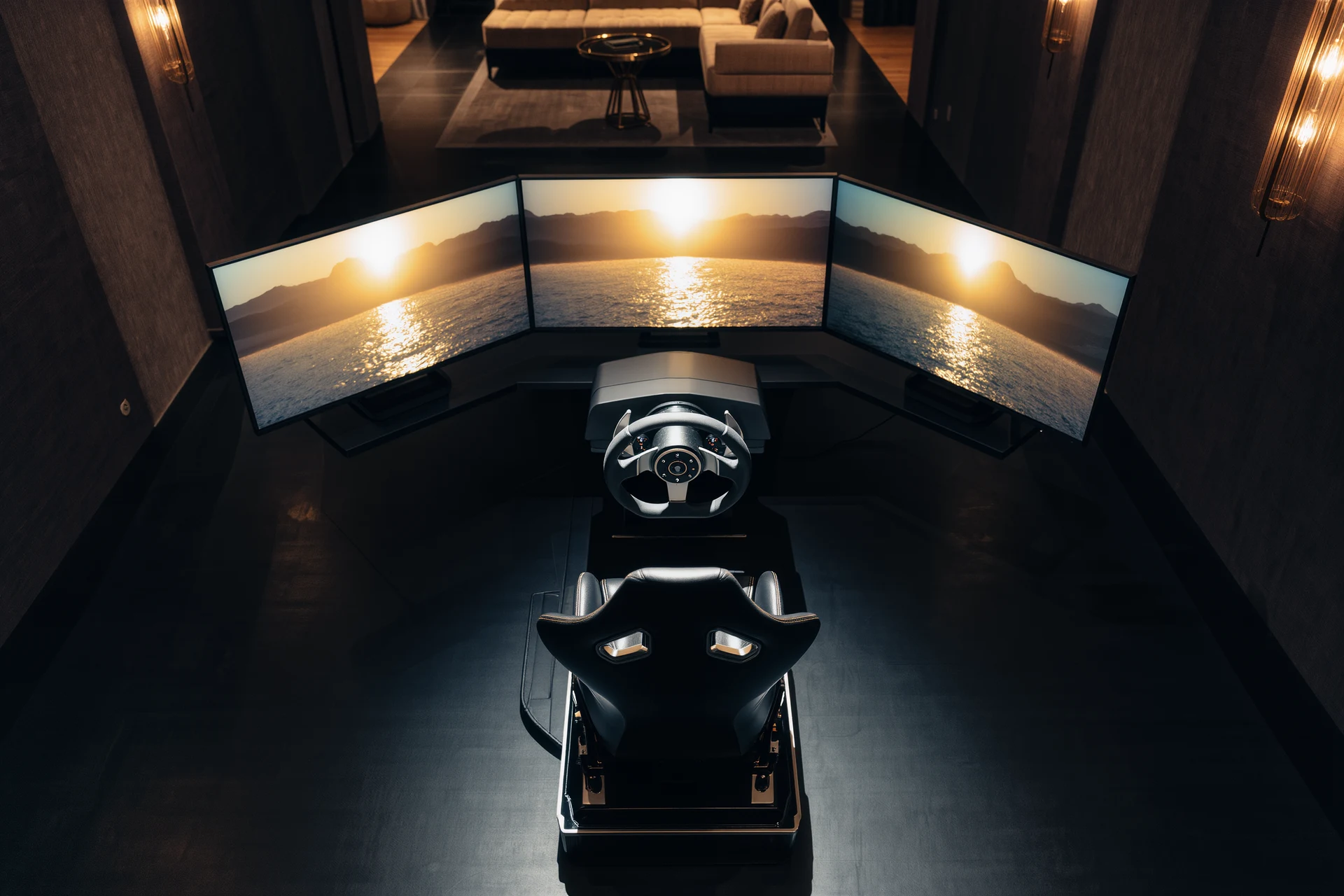
So, you’re curious about bringing the adrenaline rush of racing into your own living room? It’s totally possible, and pretty awesome too! Racing simulators have come a long way, offering a surprisingly realistic and engaging way to experience the thrill of motorsport without leaving your house. Think of it as a high-tech gaming setup that puts you right in the driver’s seat. If you’ve ever watched Formula 1, endurance racing, or even your local track days and thought, “I wish I could do that,” then a sim might be closer to your reality than you think.
Let’s break it down. At its core, a racing simulator is a system designed to mimic the experience of driving a race car. It’s not just a video game; it’s a more comprehensive setup that aims to replicate the physical sensations and the precision needed for real-world racing.
More Than Just a Fancy Game Controller
Forget using a standard gamepad or even a basic wheel and pedals. A good sim setup involves specialized hardware that simulates the steering, braking, and acceleration you’d feel in a real car. This often includes a realistic steering wheel, pedals that offer resistance, and sometimes even a separate shifter. The goal is to get you feeling connected to the virtual track.
The Visuals and Sound Are Key
To truly immerse you, simulators rely on high-fidelity graphics and audio. You’ll see incredibly detailed car models and tracks, often based on real-world locations. The sound design is crucial too, the roar of the engine, the squeal of the tires, the crackle of the exhaust, it all adds layers to the experience.
The Software: Where the Magic Happens
The “brain” of the simulator is the software. These aren’t your casual arcade racers. They are designed with complex physics engines that simulate tire grip, aerodynamics, suspension behavior, and engine power with uncanny accuracy. This means you have to drive them like a real car, respecting the limits of grip and timing your inputs perfectly.
Getting Started: What You’ll Need
Jumping into the world of sim racing doesn’t have to mean investing your life savings right away. You can start with a modest setup and gradually upgrade as you get more hooked.
The Wheel and Pedal Foundation
This is arguably the most important part. You’ll want a force feedback wheel. This means the wheel will actually fight back when you turn it, simulating the forces you’d feel in a car.
Entry-Level Options
For a solid start, brands like Logitech and Thrustmaster offer popular entry-level wheels. They provide decent force feedback and a good feel for the road. You’ll get a steering wheel and a two or three-pedal set. For many, this is enough to get a real taste of what sim racing is about.
Mid-Range and Beyond
As you progress, you might look at brands like Fanatec or Moza. These offer higher-quality materials, more powerful and nuanced force feedback, and generally more realistic pedal sets, often with load cells that measure pressure rather than just pedal travel, mimicking braking in a real car more closely.
The Importance of Pedals
Don’t underestimate the pedals! Good pedals are crucial for throttle control and, especially, braking. Many serious sim racers eventually upgrade to a load cell brake pedal. It’s a direct pressure sensor that allows for much finer control over your braking, just like in a real car. This is a game-changer for lap times and consistency.
Your Computer: The Engine Room
The simulator software is demanding. You’ll need a reasonably powerful PC to run modern racing sims smoothly with good graphics settings.
Minimum Specs
Most current racing simulators will recommend at least a mid-range gaming PC. This usually means a decent processor (like an Intel Core i5 or AMD Ryzen 5 from the last few generations) and a graphics card capable of handling 1080p or 1440p gaming (think NVIDIA GeForce RTX 3060 or AMD Radeon RX 6600 XT, or equivalent). Plenty of RAM (16GB is generally recommended) and a fast SSD will also make a big difference in loading times.
Pushing the Visuals
If you want to crank up the details, run higher resolutions (like 1440p or 4K), or use triple monitor setups, you’ll need a more powerful graphics card.
The Display: Seeing the Action
How you see the track plays a huge role in immersion.
Single Monitor Setup
A standard gaming monitor is a perfectly fine place to start. Aim for a decent size (27 inches or larger) with a good refresh rate (120Hz or higher) for smoother visuals. While 1080p is the baseline, 1440p offers a noticeable step up in clarity.
Ultrawide and Triple Monitors
For a more encompassing view, many sim racers opt for ultrawide monitors or a triple-monitor setup. This expands your field of vision, providing peripheral awareness that’s important for judging car placement and braking points. While more expensive, the increase in immersion is significant.
Virtual Reality (VR)
VR headsets offer perhaps the ultimate in immersion. The feeling of being in the car, with a true sense of depth and scale, is unmatched. However, VR requires a very powerful PC to run smoothly and can sometimes lead to motion sickness for some users.
The Software: Choosing Your Track
The beauty of sim racing is the sheer variety of software available. You’re not just limited to one type of racing.
The Big Players: Realistic Simulations
These titles are built from the ground up to replicate real-world racing physics and car behavior.
iRacing
Often considered the gold standard, iRacing is a subscription-based service that focuses on competitive online racing. It’s known for its incredibly accurate laser-scanned tracks and detailed car models. You pay a monthly subscription and then purchase individual cars and tracks. It’s a serious commitment but offers the most robust online racing experience out there.
Assetto Corsa Competizione (ACC)
This is the official game of the GT World Challenge series. ACC is renowned for its stunning graphics, realistic tire model, and deep GT3 car simulation. It’s a one-time purchase and has a very active online community. If GT cars are your passion, this is likely your go-to.
Automobilista 2
Developed by Reiza Studios, AMS2 offers a vast range of cars and tracks, from vintage Formula 1 to modern GT cars and even Brazilian stock cars. It’s known for its impressive visual fidelity and a more relaxed, yet still highly realistic, driving experience. It often feels like a simulator that embraces a wider spectrum of motorsport.
rFactor 2
Another long-standing simulator, rFactor 2 is highly regarded for its dynamic tire model and deep physics. It’s often used by professional racing teams for driver training and is known for its modding community, which can add an almost endless supply of content.
More Accessible Options: Fun and Fast
While the above are deep simulations, some titles offer a more arcade-like feel while still retaining good driving dynamics.
Gran Turismo 7 (PlayStation)
This is a console-exclusive powerhouse that balances realism with accessibility. It has a massive car collection, stunning visuals, and a comprehensive career mode. While not as hardcore as iRacing or ACC, it provides an excellent and highly enjoyable sim-racing experience for PlayStation owners.
Forza Motorsport (Xbox/PC)
Similar to Gran Turismo, Forza Motorsport offers beautiful graphics, a wide range of cars, and a satisfying driving experience for a broad audience. It strikes a good balance between realism and fun.
Beyond the Tracks: Different Disciplines
Sim racing isn’t just about tarmac circuit racing.
Rally Simulators
If you like your racing off-road, titles like DiRT Rally 2.0 and EA SPORTS WRC offer incredibly challenging and rewarding rally experiences. They require precise inputs and a good understanding of weight transfer.
Truck Simulators
For a more relaxed, yet surprisingly engaging experience, games like Euro Truck Simulator 2 and American Truck Simulator let you experience the open road and deliver cargo across vast landscapes. While not “racing” in the traditional sense, they offer a deep simulation of driving large vehicles.
Creating Your Racing Cockpit
Once you have the core components, you’ll want to think about how to arrange them for the best experience. Comfort and ergonomics are surprisingly important.
The Seat: More Than Just a Chair
Sitting in your desk chair for hours can get uncomfortable and just doesn’t feel right. Investing in a dedicated racing seat makes a huge difference.
The Playseat Style
Many companies offer foldable or fixed-frame seats that are designed to hold your wheel, pedals, and keep you in a comfortable driving position. These are often a popular choice for those with limited space.
Full-Fledged Cockpits
For the ultimate immersion and stability, a full-blown aluminum or steel cockpit is the way to go. These are rigid frames that offer a highly adjustable seating position and robust mounting points for all your hardware. They can feel much more like sitting in a real race car.
Mounting Your Gear: Stability is Key
You don’t want your wheel moving around when you’re making a sharp turn, and your pedals shouldn’t slide away.
Wheel Mounts
Most dedicated seats and cockpits have integrated mounts for your steering wheel. If you’re using a desk, consider a sturdy desk clamp or a dedicated wheel stand.
Pedal Plates
Similarly, a secure platform for your pedals is essential. Racing cockpits have dedicated pedal plates, ensuring they stay put no matter how hard you brake.
The Ergonomics of Immersion
Consider how everything is positioned. Your wheel should be at a comfortable height and angle. Your pedals should feel natural under your feet. Small adjustments can have a big impact on your comfort and, ultimately, your performance.
The Benefits of Sim Racing: Why Bother?
Beyond just being a fun way to pass the time, sim racing offers some surprisingly tangible benefits.
Sharpening Your Driving Skills
This is where sim racing really shines. The physics-based simulations teach you valuable lessons about:
Car Control
You learn to feel what the car is doing, how it reacts to steering, throttle, and brake inputs. This translate to better control on the road in your everyday driving.
Racecraft and Overtaking
Learning to position your car, anticipate other drivers’ moves, and execute clean overtakes are core skills in sim racing that are directly transferable.
Braking Points and Cornering Techniques
Simulators allow you to experiment with different braking points and cornering lines without real-world consequences. This helps you find optimal lines and improve your precision.
Understanding Car Dynamics
You get an intuitive feel for understeer, oversteer, aerodynamic grip, and weight transfer. This deepens your understanding of what makes a car handle the way it does.
Mental Training and Focus
Sim racing requires intense concentration. You need to be aware of your surroundings, your car’s behavior, and the track at all times. This can significantly improve your focus and mental stamina.
A Safer Way to Learn
For aspiring racers, it’s an incredibly safe and cost-effective way to learn the fundamentals of motorsport. You can practice complex maneuvers, learn racecraft, and gain experience without the risks and expenses associated with real-world track time.
Competitive Outlet
For those who love competition, sim racing offers a vibrant and organized online community. You can race against drivers from all over the world, participate in leagues, and even aspire to join professional esports teams.
Cost-Effectiveness Compared to Real Racing
Let’s be honest, real motorsport is expensive. Tires, fuel, car maintenance, track day fees, it all adds up quickly. Sim racing, while an initial investment, is significantly cheaper than actually competing on a race track. The ongoing costs are minimal, mainly the electricity bill.
The Future of Sim Racing
The technology is constantly evolving, and the future looks even more exciting.
More Sophisticated Hardware
Expect even more realistic steering wheels with direct drive technology (where the motor is directly connected to the wheel shaft, offering incredible detail), more advanced pedal systems that can simulate ABS and clutch bite points, and haptic feedback that can even simulate road texture.
Immersive VR and AR Experiences
As VR and AR technology matures, we’ll see even more seamless integration into sim racing, offering incredibly realistic visual immersion and perhaps even augmented reality overlays on your physical setup.
AI Development
Artificial intelligence in racing games is becoming increasingly sophisticated, offering more challenging and dynamic AI opponents that adapt to your driving style.
Cloud-Based Simulation
The possibility of cloud-based simulation could allow for incredibly complex physics and graphics to be rendered remotely, enabling even more realistic and accessible experiences on less powerful hardware.
The Convergence of Real and Virtual
We’re already seeing pro racing drivers using simulators for training. This trend is likely to continue, with the lines between virtual and real racing blurring even further as technology advances.
So, if you’ve been looking for a way to scratch that racing itch and experience the pure thrill of speed and competition, a racing simulator might just be the perfect answer. It’s a gateway to a world of motorsport that’s both accessible and incredibly rewarding.
FAQs
What is a home racing simulator?
A home racing simulator is a setup that allows individuals to experience the thrill of racing from the comfort of their own home. It typically includes a racing seat, steering wheel, pedals, and a screen or virtual reality headset to provide a realistic racing experience.What are the components of a home racing simulator?
The main components of a home racing simulator include a racing seat, steering wheel, pedals, and a screen or virtual reality headset. Some setups may also include additional features such as force feedback, motion platforms, and surround sound systems to enhance the immersive experience.What are the benefits of using a home racing simulator?
Using a home racing simulator allows individuals to practice and improve their racing skills in a safe and controlled environment. It also provides a realistic and immersive experience without the need to visit a professional racing facility. Additionally, it can be a cost-effective alternative to traditional racing experiences.What types of racing can be simulated with a home racing simulator?
Home racing simulators can simulate a wide range of racing disciplines, including Formula 1, GT racing, rally racing, and more. The software used in the simulator often includes various tracks and cars to provide a diverse racing experience.What are some popular home racing simulator setups?
Popular home racing simulator setups include the use of racing seats from brands like Playseat and Next Level Racing, steering wheels from Thrustmaster and Logitech, and virtual reality headsets from Oculus and HTC. Additionally, software such as iRacing, Assetto Corsa, and Project CARS are commonly used for the simulation experience.More from Racing Simulators
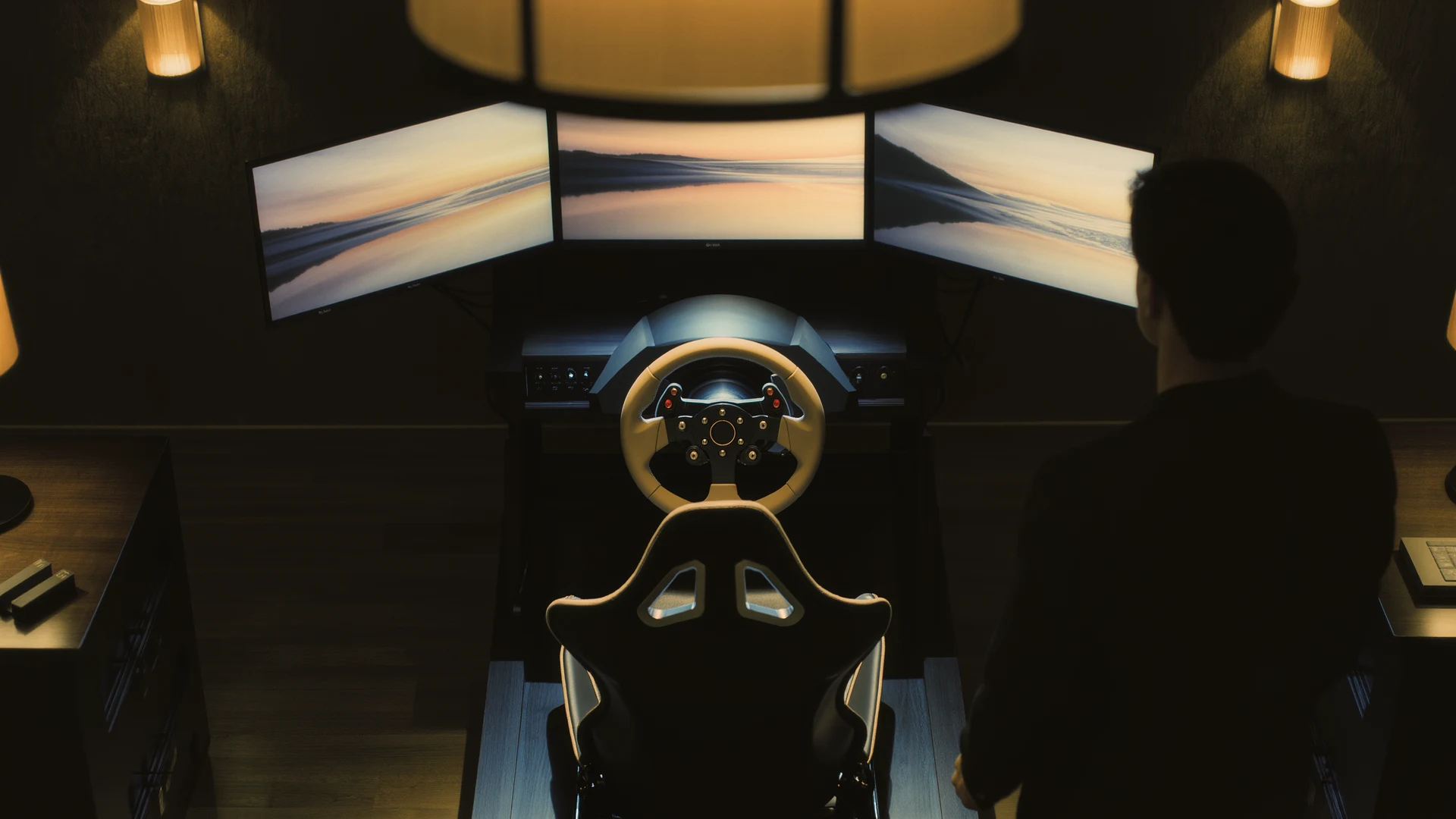
Future of Sim Racing
The future of sim racing: how AI tire models, mixed reality, cloud streaming, cheaper direct-drive hardware and the sim-to-real pipeline reshape motor…
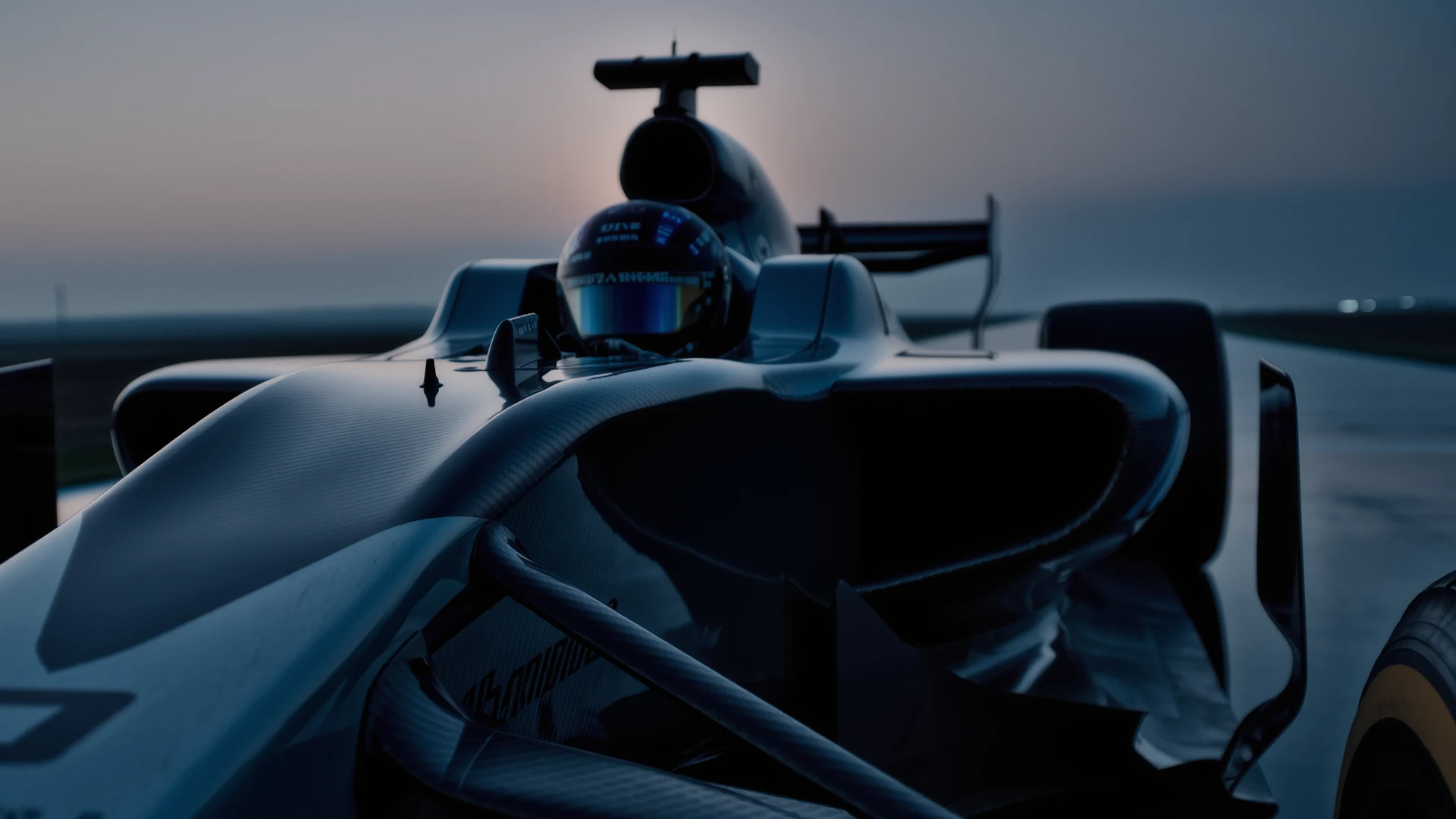
F1 Sim Racing Guide
F1 sim racing guide: compare F1 24, iRacing, RSS and AMS2, choose the right wheel and load-cell brake, and master braking, ERS and tire strategy.…
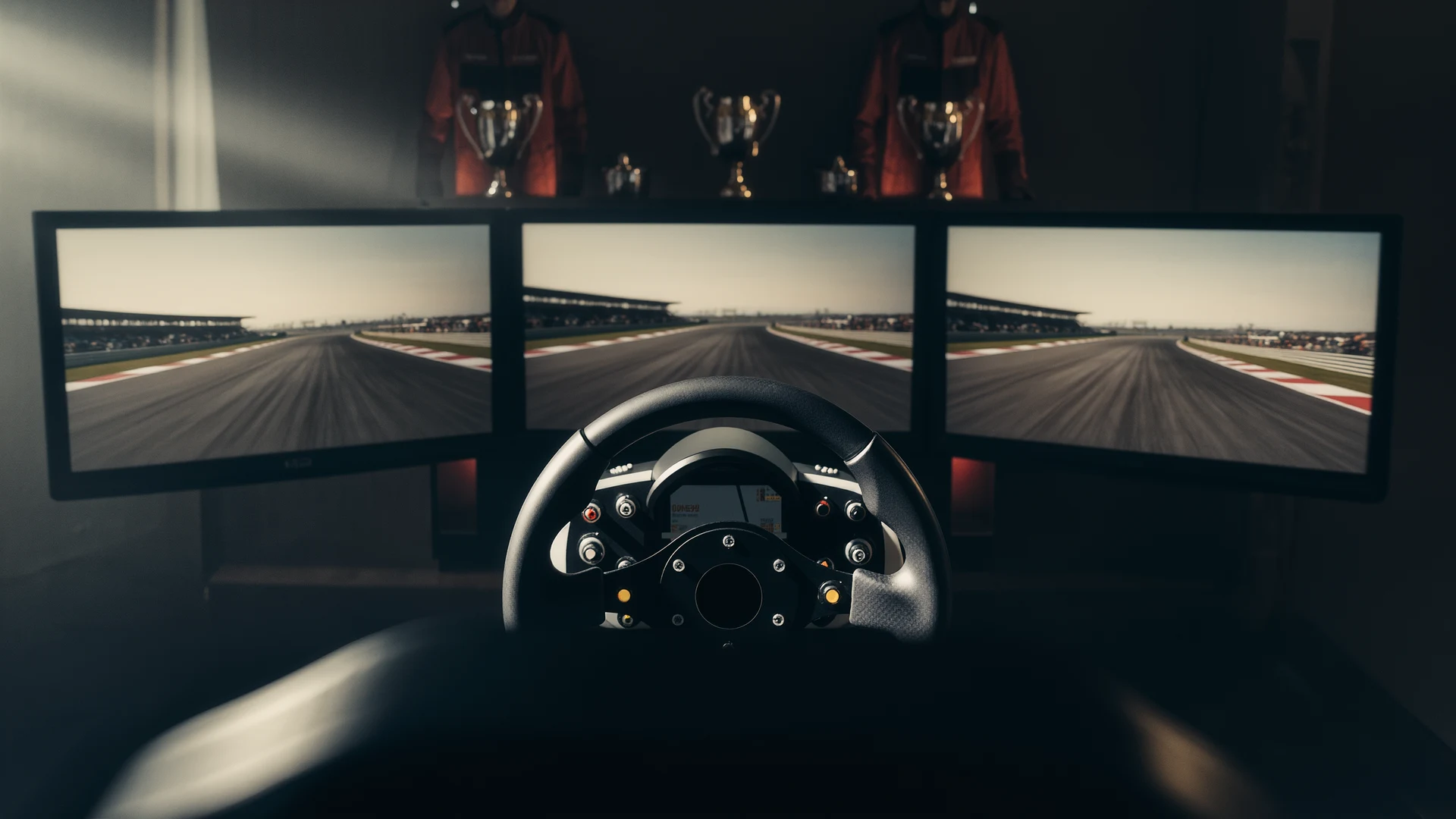
Assetto Corsa Ultimate Guide
Assetto Corsa ultimate guide: the best mods (Content Manager, CSP, SOL, Pure), free cars and tracks, online racing, performance tuning, and AC vs ACC …