Experience the Ultimate Racing Simulator Center
Looking to truly feel like you’re behind the wheel of a high-performance machine without the million-dollar price tag or the risk of a real-world crash? A top-tier racing sim…
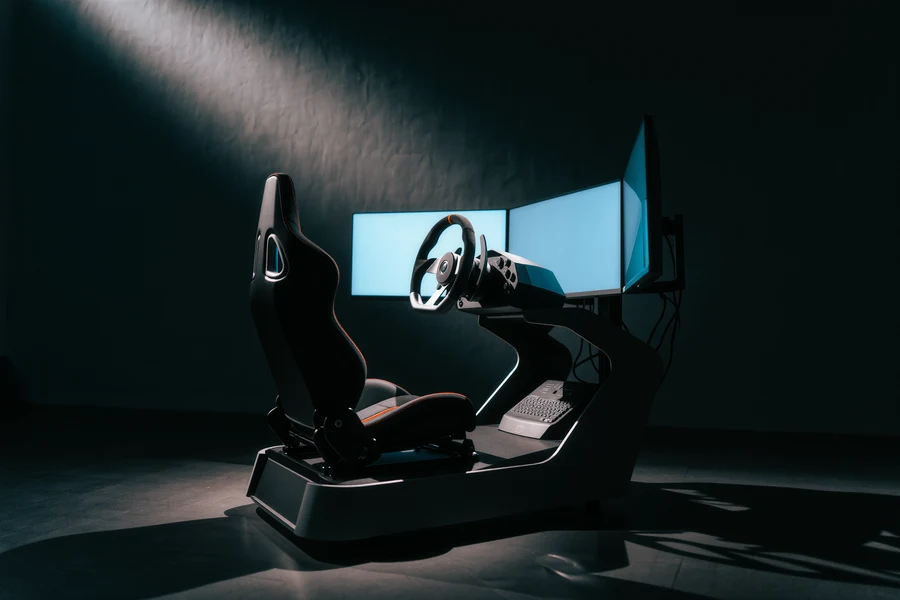
Looking to truly feel like you’re behind the wheel of a high-performance machine without the million-dollar price tag or the risk of a real-world crash? A top-tier racing simulator center is your answer. These aren’t your typical arcade games; we’re talking about sophisticated setups designed to mimic the physics, forces, and sensory input of actual racing as closely as possible. It’s about immersion, precision, and getting a genuinely thrilling taste of what professional drivers experience.
Think beyond the casual gaming experience. A racing simulator center offers a dedicated space filled with professional-grade simulation rigs. These setups go far beyond a simple steering wheel and pedal combo. They typically include:
High-Fidelity Hardware
This is where the magic starts. You’ll find direct-drive steering wheels providing incredibly realistic force feedback, feeling every bump, curb, and loss of traction. Pedals are often hydraulic or load-cell based, replicating the resistance and feel of real brake and accelerator pedals, demanding precise input.
Motion Platforms
Many advanced centers feature motion platforms. These systems, ranging from 2-DOF (degrees of freedom) to 6-DOF, move the entire cockpit, simulating g-forces, vibrations, and shifts in weight. When you accelerate, you feel pushed back; when you brake, you lurch forward. It adds a powerful layer of immersion that static setups can’t match.
Immersive Audio and Visuals
Forget small screens. You’ll often find triple monitor setups for a wide field of view, or even virtual reality (VR) headsets for complete sensory wrap-around. Coupled with powerful audio systems that accurately reproduce engine sounds, tire squeals, and environmental noise, the aim is to trick your brain into believing you’re actually on the track.
Why Try a Professional Racing Simulator?
Beyond the sheer fun, there are some compelling reasons to give a professional racing simulator a go. It’s not just for aspiring racers; it’s for anyone who appreciates engineering, precision, and a unique challenge.
Unparalleled Realism
This isn’t an exaggeration. The physics engines in modern simulation software are incredibly complex, developed with input from real-world motorsport engineers and drivers. Every car reacts differently, tire models accurately simulate grip and wear, and track surfaces are laser-scanned for millimeter-perfect accuracy. You’ll feel the subtle differences between a cold tire and a hot one, or the loss of downforce at high speed.
Skill Development and Practice
Even if you’re not planning a career in F1, these simulators are fantastic for honing driving skills. You’ll learn about:
Track Awareness
Memorizing braking points, turn-in points, and apexes becomes second nature. You’ll understand racing lines and how to optimize them for speed.
Car Control
Experiencing oversteer and understeer in a safe environment allows you to develop the reflexes needed to catch slides and maintain control. It teaches you how subtle throttle and steering inputs can make a huge difference.
Race Craft
Practicing overtakes, defensive driving, and managing tire wear or fuel consumption in a simulated race environment can significantly improve your understanding of race strategy.
No Risk, All Reward
This is a huge advantage. Push the car to its absolute limits, spin out, hit a wall, there are no real-world consequences. No damage to a real car, no expensive repairs, no personal injury. It’s the perfect environment to experiment and learn without fear.
What to Expect on Your First Visit
Walking into a racing simulator center can feel a bit intimidating if you’ve never done it before. Most places are set up to be welcoming and guide you through the process.
Choosing Your Experience
Most centers offer various packages. You might choose between:
Open Practice Sessions
Just you, the track, and the car. Perfect for learning the ropes and getting a feel for the simulator.
Guided Coaching Sessions
Many centers have experienced sim racers or even real-world drivers who can offer personalized coaching. They’ll analyze your telemetry, suggest improvements, and help you shave seconds off your lap times.
Competitive Racing Events
Some centers host leagues or one-off races, allowing you to compete against other sim enthusiasts in a structured environment.
Getting Set Up
The staff will usually help you get comfortable in the cockpit. This includes adjusting the seat, pedals, and steering wheel to fit your body perfectly, just like a real race car. They’ll explain the controls and how to navigate the simulator software. Don’t be shy about asking questions, they’re there to help.
The Initial Learning Curve
Expect it to be challenging at first. Real racing is hard, and these simulators are designed to reflect that. It might take a few laps to get a feel for the car, the track, and the force feedback. Don’t get discouraged if you’re not immediately setting lap records. Focus on consistency and smooth inputs first.
Popular Software and Tracks You Might Encounter
The software running these simulators is just as important as the hardware. These platforms are constantly updated, adding new cars and tracks, and refining their physics models.
Leading Simulation Platforms
You’ll likely come across some of these industry-standard titles:
iRacing
Often considered the gold standard for competitive online racing. Known for its incredibly accurate physics, laser-scanned tracks, and robust multiplayer system with a strong sporting code. It’s a subscription-based service with additional content purchases.
Assetto Corsa Competizione (ACC)
The official game of the GT World Challenge, focusing specifically on GT3 and GT4 cars. Excellent physics, especially for car handling and tire models, and stunning graphics.
rFactor 2
Highly moddable simulator with a reputation for excellent force feedback and a wide variety of community-created content. Great for open-wheelers and niche categories.
Automobilista 2
Known for its beautiful graphics, immersive sound, and a diverse roster of Brazilian and international cars and tracks, with a strong focus on force feedback.
Iconic Racing Circuits
Part of the thrill is driving on tracks you’ve seen in real life. Here are a few you’re likely to encounter:
Nürburgring Nordschleife (The Green Hell)
A legendary 20.8 km (12.9 mi) track in Germany, famous for its challenging corners, elevation changes, and demanding nature.
Circuit de Spa-Francorchamps
A classic Formula 1 venue in Belgium, known for its fast, flowing sections like Eau Rouge/Raidillon and Blanchimont.
Monza (Temple of Speed)
Another historic F1 track in Italy, characterized by long straights and chicanes, pushing cars to their top speeds.
Laguna Seca (Corkscrew)
A shorter but incredibly challenging track in California, famous for its dramatic downhill corkscrew section.
Suzuka International Racing Course
A unique figure-eight layout in Japan, boasting high-speed corners and technical sections.
Making the Most of Your Simulator Time
To get the most value and enjoyment out of your session, a little preparation and a focused mindset can go a long way.
Arrive Hydrated and Well-Rested
Just like real driving (or any physical activity), being alert and focused helps. Racing simulators, especially motion rigs, can be surprisingly demanding.
Dress Comfortably
You’ll be strapped into a seat, moving around. Loose, comfortable clothing is best. You won’t need race suits or helmets usually, but check with the center if you have any special requirements.
Start Slow and Build Up
Don’t try to be a hero on your first lap. Focus on smooth inputs, hitting your braking points, and understanding how the car reacts. Speed will come naturally as your familiarity grows.
Utilize the Tools Provided
Many simulators offer telemetry data, allowing you to see your braking pressure, throttle input, steering angle, and speed in real-time. If available, review your laps. Compare your lines to ghost cars or professional drivers if the simulator allows.
Don’t Be Afraid to Ask for Help
The staff are usually passionate about sim racing and are a valuable resource. If you’re struggling with a particular corner, or want to understand a car’s behavior better, ask for advice. They can often provide tips that will immediately improve your driving.
Experiment with Different Cars and Tracks
Once you’re comfortable, try a few different combinations. A lighter, lower-powered car can sometimes be more challenging and rewarding than a high-downforce monster. Different tracks teach different skills.
Consider a Coaching Session
If you’re serious about improving, a dedicated coaching session can be incredibly beneficial. An experienced coach can spot habits you wouldn’t notice yourself and give you targeted exercises.
Enjoy the Experience!
Ultimately, this is about having fun and experiencing something unique. Let go of the pressure to be perfect and just immerse yourself in the thrill of driving virtually. The adrenaline, the focus, and the sense of accomplishment when you nail a perfect lap are what it’s all about. A racing simulator center offers a fantastic opportunity to step into the shoes of a race driver for a short while, experiencing the precision, speed, and challenge without the real-world risks. It’s an accessible way to engage with motorsport at a very personal and visceral level.
FAQs
What is a racing simulator center?
A racing simulator center is a facility that offers a realistic and immersive racing experience using advanced racing simulators. These simulators replicate the feeling of driving a race car and provide a safe environment for enthusiasts to enjoy the thrill of racing.What can I expect at a racing simulator center?
At a racing simulator center, you can expect to find high-quality racing simulators equipped with motion platforms, realistic steering wheels, pedals, and high-definition displays. The center may offer various racing experiences, including single-player and multiplayer races, as well as the opportunity to race on famous tracks from around the world.Are racing simulator centers suitable for all ages and skill levels?
Racing simulator centers are suitable for people of all ages and skill levels. Whether you are a beginner looking to experience racing for the first time or a seasoned racing enthusiast, the center can cater to your needs. The staff can provide assistance and guidance to ensure a fun and enjoyable experience for everyone.Do I need to bring anything to a racing simulator center?
You typically do not need to bring anything to a racing simulator center. The center will provide all the necessary equipment, including racing simulators, helmets (if required), and any other accessories needed for the racing experience. It is recommended to wear comfortable clothing and closed-toe shoes for the best experience.Can I book a racing simulator center for private events or parties?
Many racing simulator centers offer the option to book private events or parties. This can be a great way to celebrate special occasions, such as birthdays or corporate team-building events. The center may provide exclusive use of the simulators and facilities, as well as customizable packages to suit the needs of the group.More from Racing Simulators
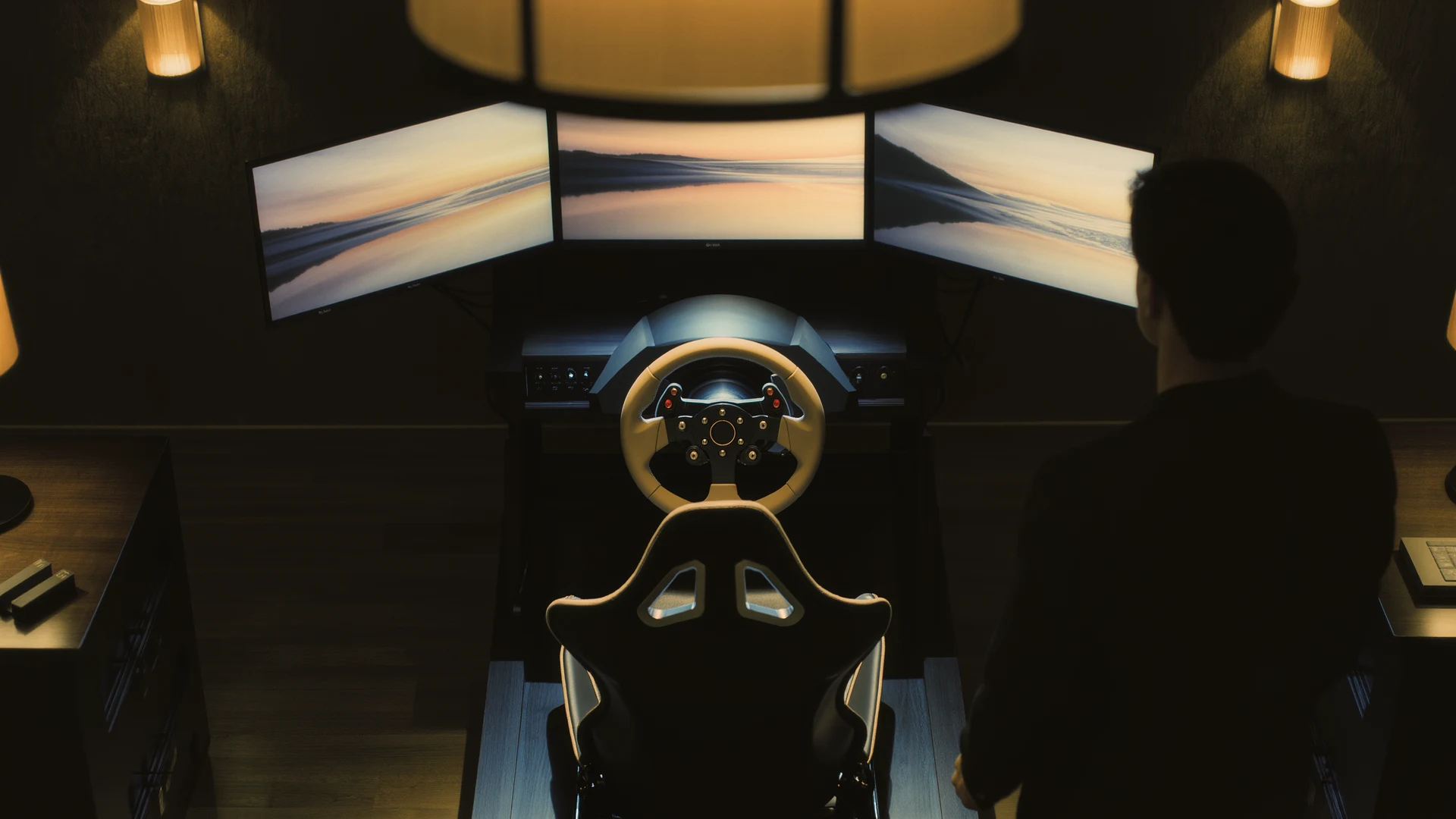
Future of Sim Racing
The future of sim racing: how AI tire models, mixed reality, cloud streaming, cheaper direct-drive hardware and the sim-to-real pipeline reshape motor…
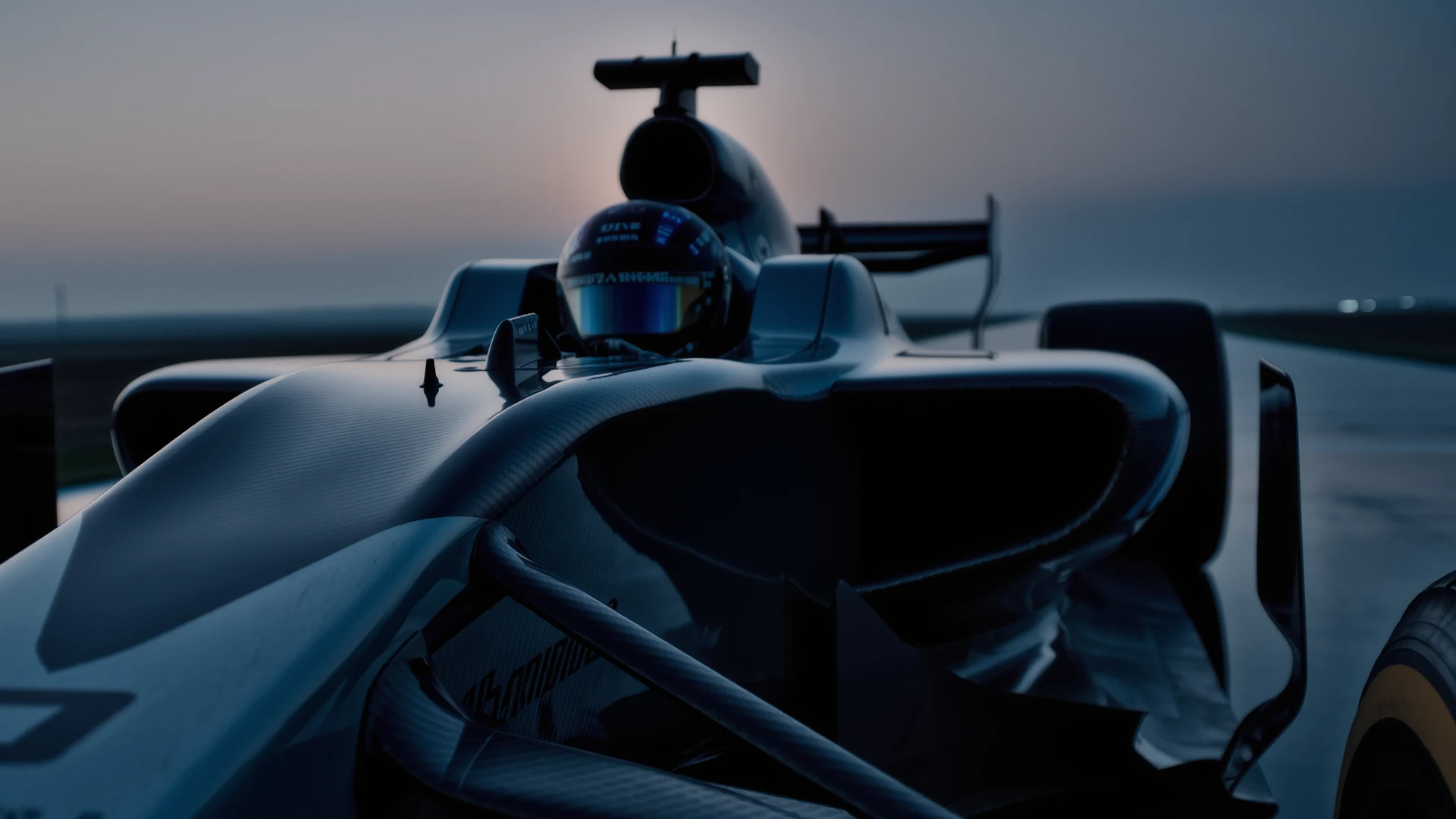
F1 Sim Racing Guide
F1 sim racing guide: compare F1 24, iRacing, RSS and AMS2, choose the right wheel and load-cell brake, and master braking, ERS and tire strategy.…
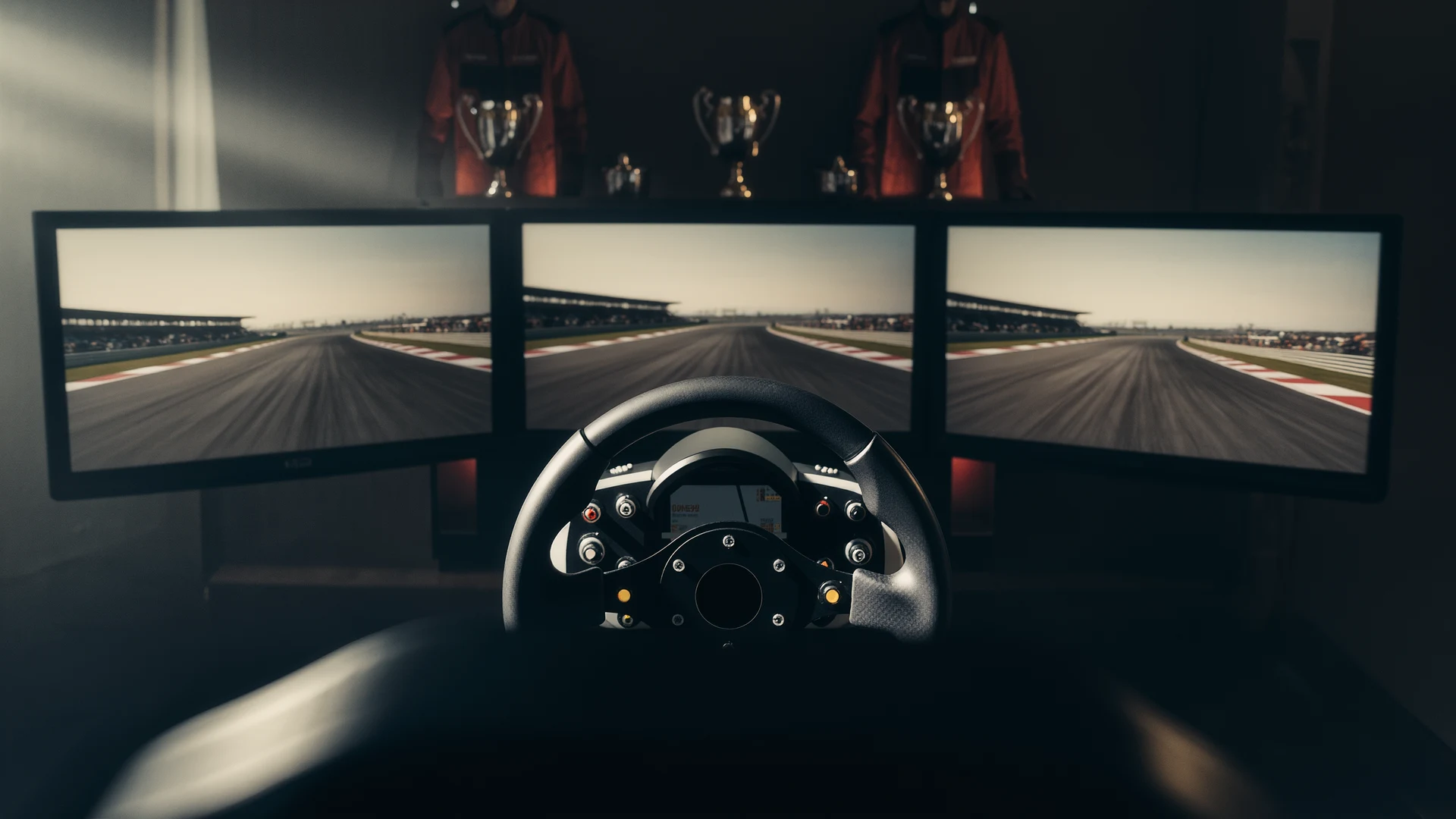
Assetto Corsa Ultimate Guide
Assetto Corsa ultimate guide: the best mods (Content Manager, CSP, SOL, Pure), free cars and tracks, online racing, performance tuning, and AC vs ACC …