Immersive Racing Simulator Enhances Events
Planning an event, whether it’s a corporate shindig, a product launch, or even a private party, often boils down to one key challenge: how do you make it memorable? How do yo…
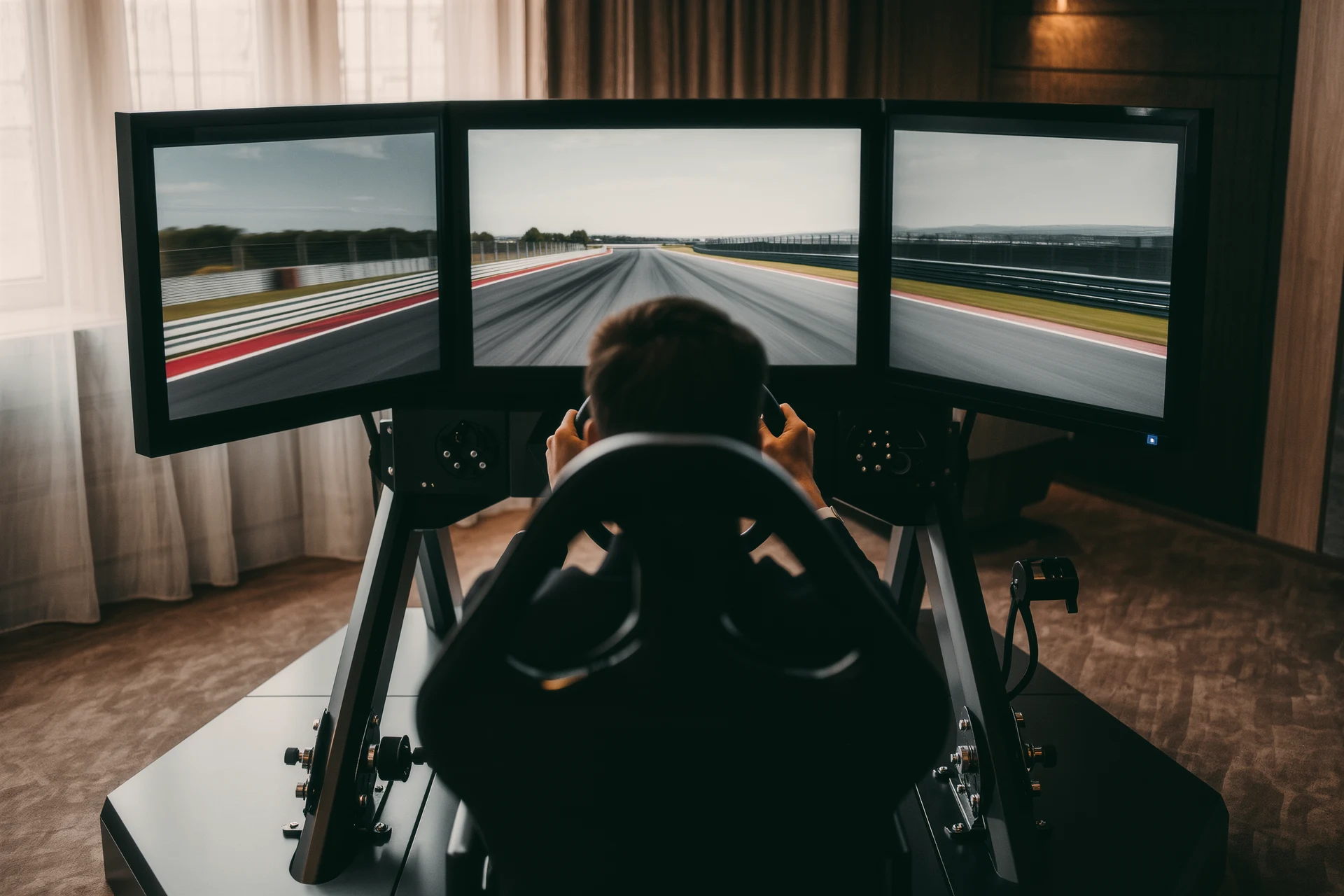
Planning an event, whether it’s a corporate shindig, a product launch, or even a private party, often boils down to one key challenge: how do you make it memorable? How do you give your attendees something genuinely engaging, a conversation starter that lingers long after the last guest leaves? The answer, increasingly, is immersive racing simulators. These aren’t just toys; they’re high-tech, multi-sensory experiences that inject adrenaline and healthy competition into any gathering, making it genuinely stand out.
Let’s face it, typical event entertainment can sometimes feel a bit… samey. A DJ, maybe a photo booth, some appetizers. While there’s nothing inherently wrong with those, an immersive racing simulator offers something entirely different. It’s an active experience that demands participation, sparks adrenaline, and creates genuine smiles and laughter, all while being surprisingly versatile. They break the ice, encourage interaction, and provide a fantastic focal point for your event.
Beyond the Arcade Game: What Makes Them “Immersive”?
When we talk about immersive simulators, we’re not just reminiscing about the old arcade Daytona units (as fun as those were). We’re talking about a significant leap forward in technology.
- Realistic Motion Platforms: These are perhaps the most significant differentiator. Instead of just sitting still, you’re physically moving. The simulator pitches, rolls, and yaws, mimicking the G-forces of acceleration, braking, and cornering, making you feel every bump and turn.
- High-Fidelity Visuals: Multiple large screens or even VR headsets provide a panoramic view of the track, pulling you into the virtual world. The graphics are stunningly realistic, from the car models to the detailed environments.
- Force Feedback Steering Wheels: You’ll feel every bit of resistance, every ripple strip, and every impact through the steering wheel. This isn’t just a simple vibration; it’s a dynamic feedback system that replicates the real forces a driver experiences.
- Authentic Soundscapes: Powerful audio systems blast engine roars, tire squeals, and even the subtle vibrations of the chassis, further convincing your brain that you’re on a real track.
- Pedal Sets with True Resistance: Brake and accelerator pedals that offer realistic resistance, allowing for nuanced control and adding to the overall feeling of being in a real race car.
These elements combine to create an experience that transcends a simple game. It’s a genuine simulation, demanding focus and skill, and delivering an unparalleled thrill.
Tailoring the Experience: Different Simulator Setups
One of the great strengths of modern racing simulators is their adaptability. You’re not stuck with a one-size-fits-all solution; you can often customize the setup to perfectly match your event’s theme, audience, and space.
Single Pod Simulators
These are fantastic for individual guests to jump in and experience the thrill. They take up less space than multi-rig setups and are excellent for allowing many people to have a quick, intense session.
- Best For: Product launches, exhibition booths, smaller corporate gatherings, or as one element among several entertainment options.
- Benefits: Easier to manage a queue, less space requirement, focused individual experience.
- Considerations: Guests might have less direct interaction with each other during their turn.
Multiplayer Race Rigs
This is where the competitive spirit really takes off. Imagine two, four, or even eight simulators networked together, allowing guests to race against each other in real-time. The energy in the room when a close race is happening is palpable.
- Best For: Team-building events, larger corporate parties, competitive challenges, and even private celebrations where friendly rivalry is encouraged.
- Benefits: Fosters direct competition, encourages spectator engagement, and creates a highly social atmosphere.
- Considerations: Requires more space and potentially more staff to manage the races and leaderboard.
VR Racing Experiences
For the ultimate immersion, virtual reality takes things to another level. Donning a VR headset completely transports the user into the cockpit, blocking out the real world and enhancing the sensation of speed and depth.
- Best For: High-tech product launches, innovation showcases, or events aiming for a truly cutting-edge feel.
- Benefits: Unmatched sense of presence and immersion, often leaves a lasting impression due to its novelty.
- Considerations: Can sometimes cause motion sickness in a small percentage of users, requires more careful setup and sanitation of headsets.
Bespoke Branding and Customization
Many simulator providers offer options to brand the simulators themselves, the race environments, or even the in-game cars with your company logo or event theme. This takes it from just a fun activity to a powerful branding tool.
- Branded Simulators: Applying decals or wraps to the simulator chassis to match your brand colors and logos.
- Custom Race Tracks/Cars: In some advanced setups, you can even have “skins” for the cars or even virtual advertisements on the tracks themselves.
- Leaderboard Branding: Ensuring any digital leaderboards displayed prominently feature your event or company branding.
Beyond the Spin: Practical Event Applications
It’s not just about flashy entertainment; these simulators offer genuine value and serve multiple practical purposes within an event setting.
Driving Engagement and Footfall
Trade shows and exhibitions often struggle to attract attendees to individual booths. A racing simulator acts as a powerful magnet, drawing people in who might otherwise walk past.
- Trade Show Attraction: Position a simulator strategically, and you’ll see a crowd gather, giving your sales team a natural opening for conversation.
- Product Launch Hook: Build hype around a new product by having guests “race” to unveil it or compete for a prize related to it.
- Grand Opening Draw: Encourage more visitors to your new venue with the promise of a thrilling, free-to-play experience.
Fostering Team Building and Networking
Competition, even friendly competition, is a fantastic way to break down barriers and get people interacting. It gives people a shared experience and something to talk about.
- Corporate Challenges: Organize mini-tournaments with elimination rounds. This encourages teamwork, strategic thinking (even if it’s just about watching and learning from others), and celebration of success.
- Ice Breaker: When people are waiting for their turn, or cheering on a colleague, natural conversations blossom. It’s far more engaging than standing around with a drink.
- Networking Catalyst: Shared excitement and laughter are excellent facilitators for informal networking, helping attendees connect on a more personal level.
Generating Leads and Data Capture
The “game” aspect of simulators can be cleverly integrated with lead generation strategies without feeling intrusive.
- Leaderboard Registration: To get on the leaderboard and compete for prizes, guests can be prompted to provide their contact details.
- Post-Race Surveys: A short, optional survey presented after a race can gather valuable feedback or insight.
- Social Media Integration: Encourage participants to share their race times or photos on social media with a specific hashtag to enter competitions or unlock rewards.
Content Creation for Social Media
An immersive racing simulator is inherently photogenic and shareable. The drama of a close race, the intense expressions on participants’ faces, the slick setup, it all makes for fantastic content.
- Live Streams: Stream the races live on social media platforms, complete with commentary.
- Photo Opportunities: Set up a branded backdrop where winners or participants can take photos with their “race car.”
- Participant-Generated Content: Guests will naturally want to share their high scores, funny moments, or even just their excitement with their own networks, extending your event’s reach.
The Nitty-Gritty: What to Consider When Hiring
Deciding to use a simulator is one thing; ensuring it runs smoothly on the day is another. A little planning goes a long way.
Space Requirements
These aren’t tiny setups. While single pods are more compact, full motion rigs and multiplayer setups need ample space for the simulators themselves, queuing areas, and spectator zones.
- Footprint: Get exact dimensions from your provider. Remember to account for pathways around the simulator and space for staff.
- Ceiling Height: Motion platforms can sometimes elevate, so ensure your venue has sufficient clear ceiling height.
- Power: Simulators are power-hungry. Confirm power requirements with your provider and ensure your venue can meet them consistently.
Staffing and Support
While the simulators are high-tech, having experienced staff on hand is crucial for a smooth operation.
- Technical Support: Knowledgeable staff can troubleshoot any issues quickly, keeping downtime to a minimum.
- Guest Assistance: Staff can help guests get in and out of the simulator, explain controls, and ensure everyone has a good time.
- Event Management: For competitive events, staff can manage queues, track scores, announce winners, and keep the energy high.
Course and Car Selection
Most providers will offer a range of options, allowing you to tailor the experience to your audience.
- Difficulty Level: Choose tracks and cars that suit the general skill level of your attendees. A super-challenging track might frustrate beginners, while too simple might bore experienced gamers.
- Car Types: From Formula 1 cars to GT endurance racers, rally cars, or even off-road vehicles, the type of vehicle can significantly alter the feel and appeal.
- Variety: If you have multiple simulators, consider having different racing experiences available to cater to varied tastes.
Cost and Logistics
Budgeting for a simulator experience needs to go beyond just the rental fee.
- Rental Fees: These vary widely based on the type of simulator, number of units, rental duration, and provider.
- Transportation & Setup: Factor in costs for delivery, installation, and breakdown.
- Insurance: Ensure both you and the provider have adequate liability insurance for the event.
- Branding Costs: If you opt for custom branding, get a clear quote for these additions.
An Experience That Lasts
Ultimately, the goal of any event is to create a positive, lasting impression. An immersive racing simulator delivers on this spectacularly. It’s not just a passive amusement; it’s an active adventure that sparks adrenaline, rivalry, laughter, and conversation. It transforms a standard gathering into a dynamic, unforgettable experience that your guests will talk about long after they cross the finish line.
FAQs
What is a racing simulator for events?
A racing simulator for events is a setup that includes a realistic racing cockpit, steering wheel, pedals, and a high-quality screen or virtual reality headset. It is designed to provide an immersive and realistic racing experience for event attendees.How does a racing simulator for events work?
A racing simulator for events works by using advanced technology to replicate the experience of driving a race car. The steering wheel and pedals provide realistic feedback, while the screen or virtual reality headset displays a lifelike racing environment.What are the benefits of using a racing simulator for events?
Using a racing simulator for events can enhance the overall experience for attendees by providing an exciting and interactive activity. It can also attract more participants to the event and create a competitive and engaging atmosphere.What types of events can benefit from a racing simulator?
A racing simulator can be a valuable addition to a wide range of events, including trade shows, corporate events, product launches, team-building activities, and entertainment events. It can appeal to a diverse audience and add a unique and memorable element to the event.How can I incorporate a racing simulator into my event?
To incorporate a racing simulator into your event, you can rent or purchase a simulator setup from a specialized provider. You can then set up the simulator in a designated area at the event venue and promote it as a featured activity for attendees to enjoy.More from Racing Simulators
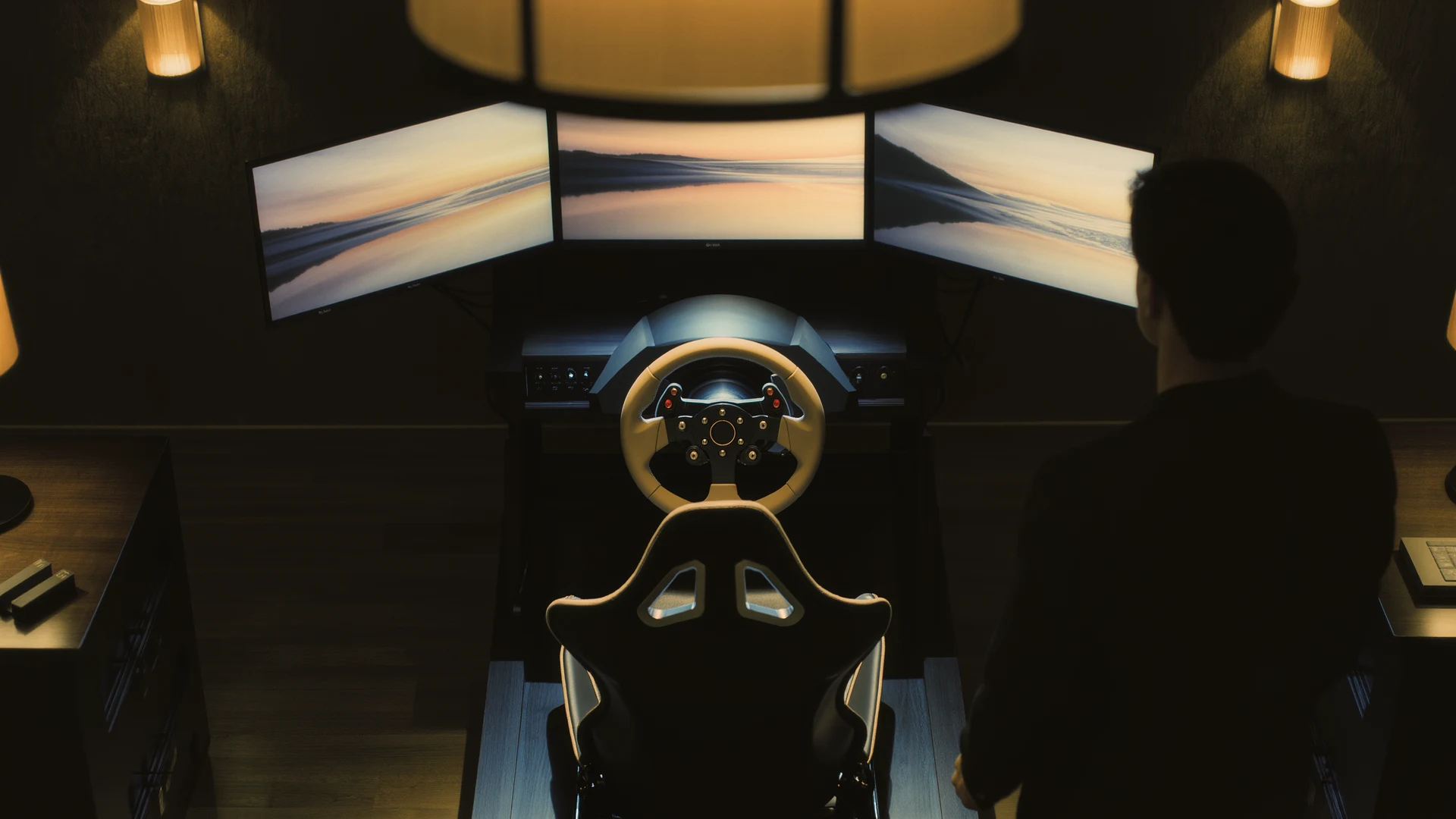
Future of Sim Racing
The future of sim racing: how AI tire models, mixed reality, cloud streaming, cheaper direct-drive hardware and the sim-to-real pipeline reshape motor…
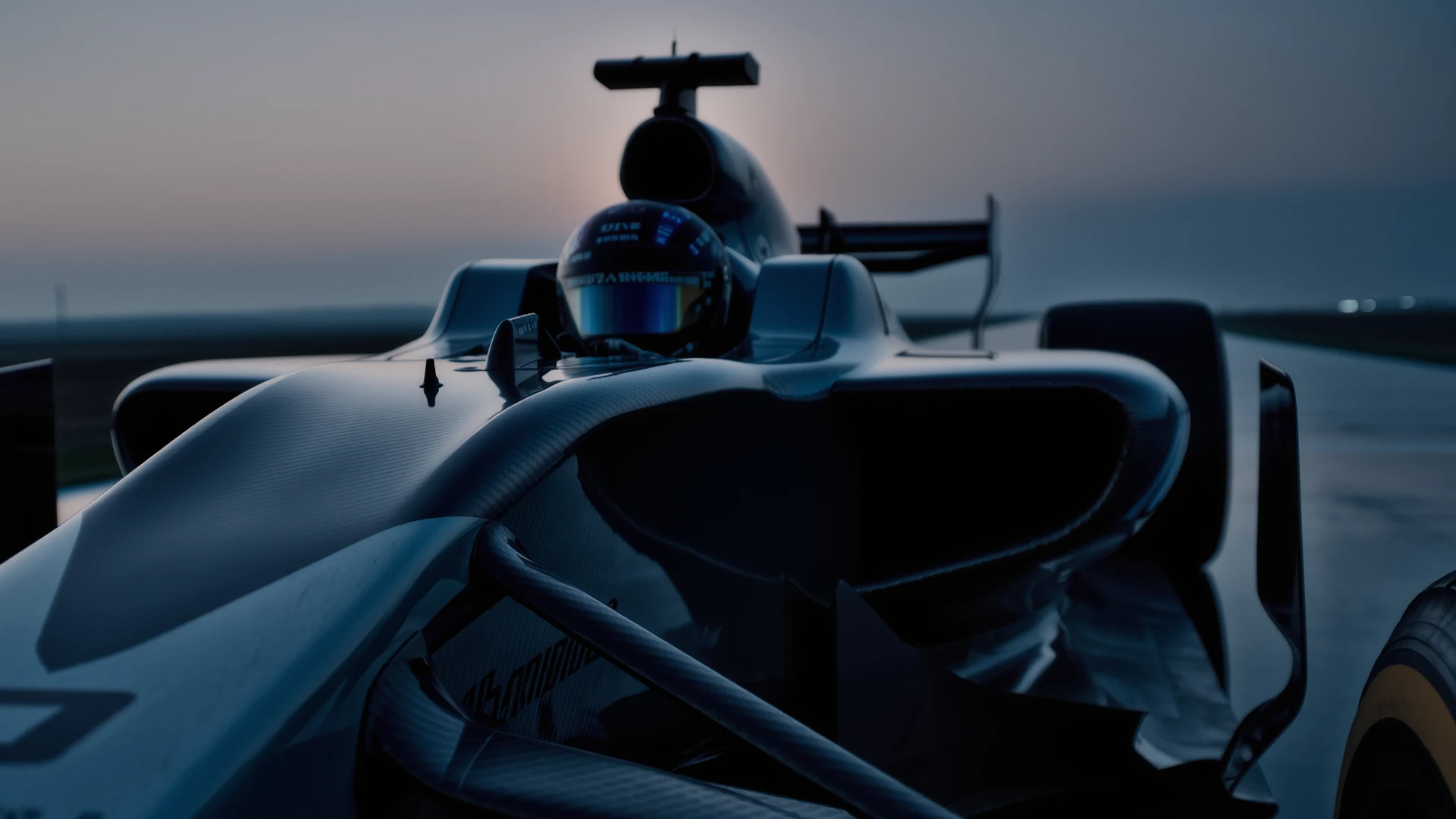
F1 Sim Racing Guide
F1 sim racing guide: compare F1 24, iRacing, RSS and AMS2, choose the right wheel and load-cell brake, and master braking, ERS and tire strategy.…
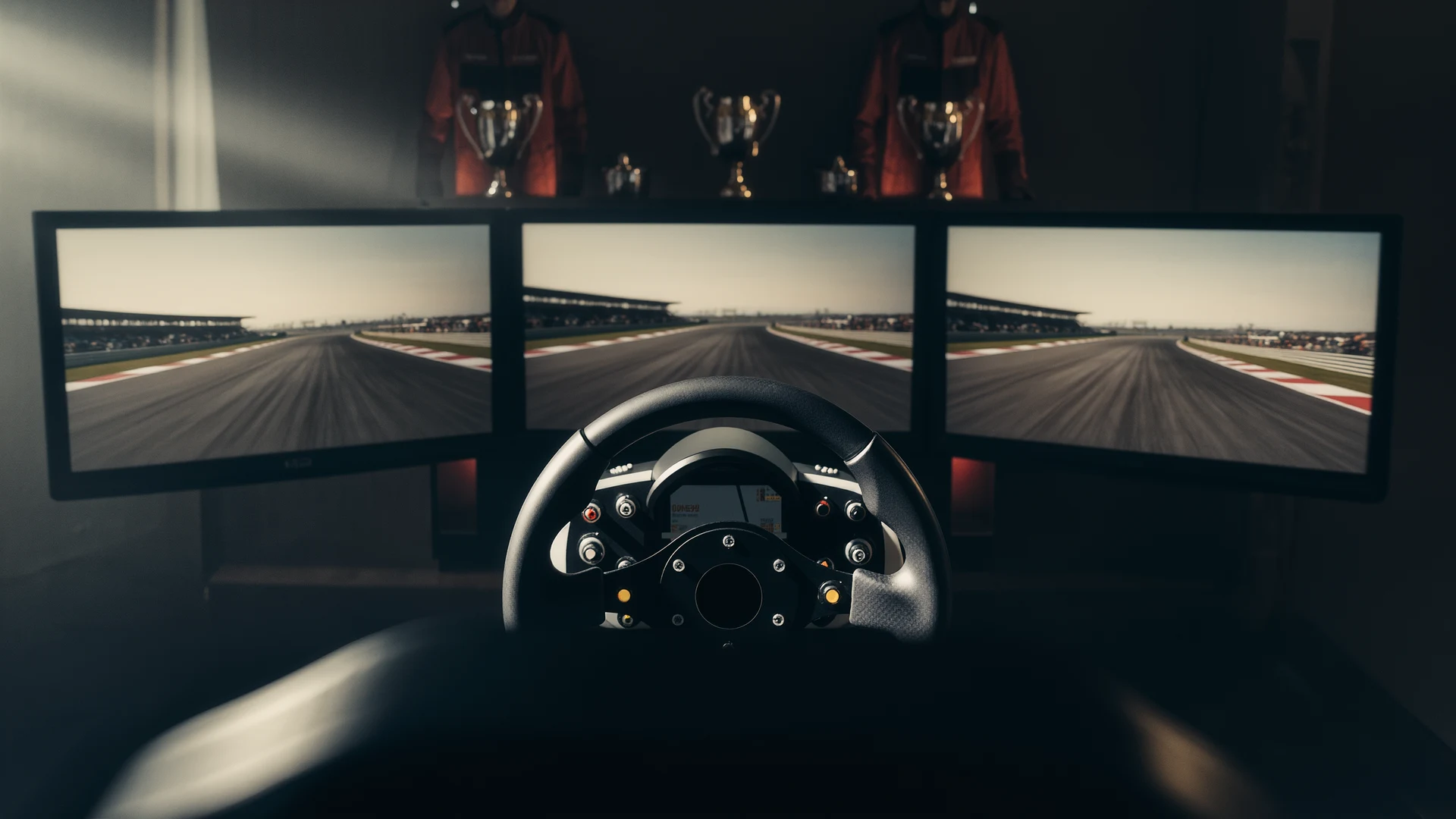
Assetto Corsa Ultimate Guide
Assetto Corsa ultimate guide: the best mods (Content Manager, CSP, SOL, Pure), free cars and tracks, online racing, performance tuning, and AC vs ACC …