Mastering Assetto Corsa Competizione: A Guide to Success
So, you want to get good at Assetto Corsa Competizione (ACC)? It’s a fantastic sim, really deep and rewarding, but it can also feel pretty intimidating at first. The good news is, …
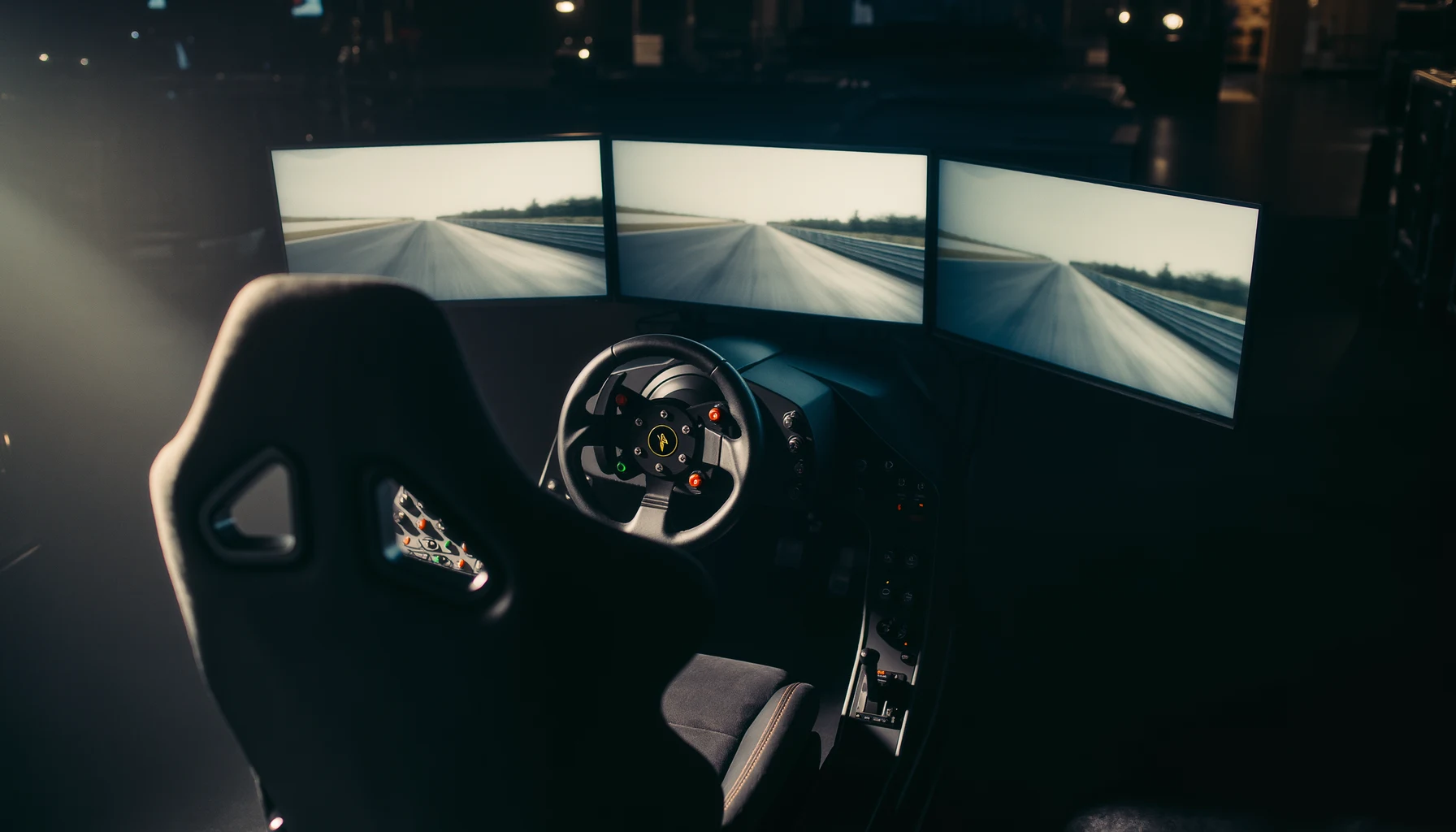
So, you want to get good at Assetto Corsa Competizione (ACC)? It’s a fantastic sim, really deep and rewarding, but it can also feel pretty intimidating at first. The good news is, you absolutely can master it, and it’s less about some secret magic and more about understanding the fundamentals and putting in some consistent practice. Think of it like learning any skill, the basics are key, and then you build from there. We’re going to break down what you need to focus on to really start shaving off those lap times and feeling more in control.
Before you even think about winning races, you need to make sure your setup is allowing you to drive the car effectively. This isn’t about chasing the “meta” setup you saw online; it’s about getting your car to feel predictable and manageable for you.
Understanding Your Car
Each GT3 car in ACC has its own personality. They feel different, handle differently, and require slightly different approaches. Don’t try to drive a Lamborghini like a Ferrari, and definitely don’t try to drive a Porsche 911 GT3 R like any of the front-engined V8s.
- Engine Location Matters: Front-engined cars tend to be more prone to understeer into corners, while mid-engined cars can be a bit more agile but also have a tendency to oversteer if you’re not careful with weight transfer. Rear-engined cars, like the Porsche, have unique handling characteristics that reward a different style. Get to know the general feel of the layout.
- Aerodynamics are King: GT3 cars rely heavily on aero. Understanding how your wing settings and ride height affect grip, especially at higher speeds, is crucial. Too much wing creates drag and slows you down on straights, but too little and you won’t have the downforce to carry speed through the fast corners.
Setting Up Your Controls
This is arguably the most important step for new players. A good setup lets you communicate effectively with the car.
- Wheel and Pedals: If you have a wheel and pedals, this is where you’ll get the most out of ACC. Ensure your wheel rotation is set to a comfortable level. Too high, and you won’t be able to make quick adjustments. Too low, and you’ll be fighting the wheel. For most GT3 cars, 900-1080 degrees is a good starting point, but some drivers prefer lower. Calibrate your pedals properly so that full throttle is indeed full throttle and full brake is full brake, with no dead zones.
- Controller: If you’re using a controller, it’s harder, but not impossible. You’ll need to experiment with sensitivity settings. Prioritize smooth inputs, jerky steering or braking will unsettle the car. Look into “gain” and “linearity” settings in the game or through controller software if you have it.
Basic Car Setup (The Easy Stuff)
You don’t need to be a suspension engineer to make some fundamental changes that will help.
- Tire Pressures: Start with the recommended pressures or slightly lower. Too high, and your tires won’t deform and grip well. Too low, and they’ll overheat quickly. Monitor tire temps and pressures in the HUD. Aim for a balance between front and rear.
- Brake Bias: This is a big one. It shifts braking force between the front and rear wheels. If you’re locking up the fronts too easily, move the bias rearward (increase the percentage). If your rears are locking up or the car feels unstable under braking, move the bias forward. Find a point where you can brake hard without locking up, but still get good braking performance.
- Aerodynamic Balance: As a starting point for most tracks, try setting the front and rear wing angles to be roughly equal or with the rear being slightly higher than the front. As you gain experience, you’ll learn to adjust this for specific tracks.
The Art of Driving: Mastering the Track
Once your car feels somewhat sorted, it’s time to focus on how you actually drive it on the track. This is where the real skill development happens.
Braking Technique
Effective braking is more than just slamming on the anchors. It’s about controlled deceleration, setting up your entry, and managing tire wear.
- Trail Braking: This is the golden rule of modern circuit racing. Instead of braking hard in a straight line and then abruptly releasing the brake to turn, you want to gradually release the brake pedal as you turn into the corner. This keeps weight on the front tires, improving turn-in grip and allowing you to carry more speed through the corner. It takes practice and feel, but it’s a game-changer.
- Brake Point Consistency: Find your braking points and hit them every single lap. This builds predictability and allows you to focus on other aspects of your driving. Don’t be afraid to brake a little earlier at first until you’re confident.
- Release Rate: The speed at which you release the brake is just as important as when you apply it. Too fast an ‘off’ can cause the car to unsettle and potentially oversteer. Smoothness is key.
Cornering Techniques
Getting through corners quickly and efficiently is where lap times are made or lost.
- The Racing Line: Learn the ideal racing line. This isn’t always the shortest path; it’s the path that allows you to carry the most speed through the corner. It typically involves a late apex to set up a wider exit onto the next straight.
- Throttle Control: Smooth throttle application is critical, especially on corner exit. Too much throttle too early will lead to understeer or oversteer, depending on the car. You want to be on the power as early as possible, but only with enough pressure to avoid upsetting the car.
- Weight Transfer: Understand how steering, braking, and throttle affect the car’s weight distribution. Accelerating shifts weight to the rear, improving rear grip but potentially making the front lighter. Braking shifts weight to the front, improving front grip but potentially making the rear lighter. This is why trail braking works so well.
Throttle Application and Traction
Getting power down without spinning your tires is vital.
- “Feel” the Grip: Listen to your tires. If you hear them spinning, you’re asking for too much. Back off slightly. Your wheel or on-screen telemetry can help here too.
- Steering Angle and Throttle: The more your front wheels are turned, the less grip is available for acceleration. As you unwind the steering wheel on corner exit, you can gradually apply more throttle.
- Short-Shifting (Sometimes): In certain situations, especially if you’re struggling for traction on a tight corner exit, you might find it beneficial to shift to a higher gear slightly earlier than you normally would. This can tame the power delivery.
Practice Makes Perfect (But Smart Practice)
Just grinding laps isn’t always the most efficient way to improve. You need to practice with purpose.
Time Attack Mode
This is your best friend for learning the fundamentals of a track and car.
- One Thing at a Time: In Time Attack, there’s no pressure from other cars. Focus on one aspect of your driving per session. Maybe today it’s perfecting your trail braking into Turn 3, or focusing on smooth throttle application out of the hairpin.
- Ghost Car: Use the ghost car of your fastest lap or a faster AI driver. This provides a tangible reference. Try to understand why the ghost car is faster. Where are they braking? Where are they accelerating?
- Data Acquisition (for the curious): ACC has a built-in data logging system. While it can be complex, even basic analysis of your speed on entry, mid-corner, and exit, as well as throttle/brake traces, can reveal patterns and areas for improvement.
Hotlap Practice with AI
Once you’re comfortable with a track’s layout and your car, start adding AI.
- Realistic Racing: AI cars add the element of traffic. You’ll need to learn how to manage space, overtake (and be overtaken), and maintain concentration when cars are close.
- Focus on Pace: Don’t get caught up in battling. Initially, focus on matching the pace of the AI cars that are around your target speed.
- Consistency Under Pressure: Try to run consistent laps even when AI cars are around you or you’re in traffic. This builds the muscle memory for race conditions.
Understanding Telemetry
For those who want to dive deeper, telemetry is invaluable.
- Basic Metrics: Focus on:
- Speed: Where are you losing speed on entry, mid-corner, and exit?
- Throttle Trace: How much throttle are you applying and when? Is it smooth?
- Brake Trace: How hard and for how long are you braking? How smoothly are you releasing?
- Steering Angle: Are you over-rotating or making too many small corrections?
- Tire Temperatures: Are they in their optimal window? Hotter or colder than ideal indicates setup issues or driving style problems.
- Comparing Laps: Compare your fastest laps with slow laps. What changed? Did you brake later? Did you miss the apex? Did you get on the throttle too early? Comparing laps with faster drivers (if you can get access to their telemetry) is even more insightful.
Race Craft: More Than Just Raw Speed
Being fast is one thing, but winning races involves more than just setting pole position. This is where your ability to execute under pressure comes into play.
Overtaking Strategies
Passing cars effectively and safely is a crucial skill.
- Patience is Key: Don’t force an overtake. Wait for an opportunity, a mistake, or a clear run. Losing time by being too aggressive is worse than losing a position temporarily.
- Leverage Your Strengths: If your car is better under braking, set up an overtake into a braking zone. If you have better straight-line speed, use that to your advantage onstraights.
- Be Aware of Their Position: Make sure the car you’re overtaking knows you’re there. Give them a bit of space, especially if they’re fighting back. Contact in ACC can be punishing.
Defensive Driving
When you’re being passed, or when you want to defend your position, you need to do it smartly.
- Positioning: Make yourself as narrow as possible to the apex if you’re defending the inside line. Force the attacker to go wide.
- Don’t Chop: Avoid “chopping” in front of a car that is clearly alongside you. This is dangerous and can lead to bad outcomes for everyone.
- Be Predictable (to a degree): While you want to make it difficult for them, don’t make sudden, erratic movements that could cause an incident.
Managing Tire Wear and Fuel
Longer races require a different strategy than short sprints.
- Tire Degradation: Be mindful of how hard you’re pushing. Overly aggressive driving, especially in corners, will wear your tires out faster. This will impact your pace significantly in the latter stages of a race.
- Fuel Saving: If you’re in a longer race, you’ll need to learn some light fuel saving. This usually involves short-shifting certain gears occasionally and being smooth on throttle. Don’t sacrifice too much pace, but a few tenths per lap saving fuel can make a big difference.
- Pit Stops: Understand your optimal pit stop strategy if applicable. Timing is important, and sometimes a well-timed pit stop can jump you ahead of rivals.
Tuning Your Car: Intermediate and Advanced Techniques
Once you’re comfortable with the basics, you might want to start digging into more complex setup adjustments. This is where you can really tailor the car to your preferences and specific tracks.
Suspension Geometry
This affects how the wheels are aligned.
- Camber: This is the angle of the wheel relative to vertical. Negative camber (top of the wheel tilted inwards) improves cornering grip by keeping more of the tire in contact with the road when cornering. Too much can overheat the inside edge of the tire.
- Toe: This is the angle of the wheel relative to the car’s longitudinal axis.
- Toe-in: The front of the wheels are closer together than the rear. Increases stability under braking and cornering. Can make turn-in slower.
- Toe-out: The front of the wheels are further apart than the rear. Improves turn-in response. Can make the car twitchy. Experiment with slight toe-out on the front for better turn-in and slight toe-in on the rear for stability.
Springs and Dampers
These control how the car reacts to bumps and weight transfer.
- Spring Rates: Stiffer springs make the car more responsive but can make it harsher over bumps and reduce grip on uneven surfaces. Softer springs offer more compliance and grip on bumpy tracks but can lead to more body roll.
- Dampers (Shocks): These control the rate at which the suspension compresses and rebounds.
- Bump Damping: Controls how quickly the suspension compresses.
- Rebound Damping: Controls how quickly the suspension extends after compression.
Adjusting these can fine-tune how the car handles weight transfer and reacts to track imperfections. This is a very nuanced area, and small adjustments can have significant effects.
Anti-Roll Bars (ARB)
ARBs connect the left and right sides of the suspension to reduce body roll.
- Stiffer ARBs: Reduce body roll, leading to quicker response and less loss of grip due to extreme lean. However, they can make the car more prone to oversteer or understeer if not balanced. A stiffer front ARB can induce understeer, while a stiffer rear ARB can induce oversteer.
- Softer ARBs: Allow for more body roll, which can improve tire contact on bumpy surfaces but make the car feel less precise.
Differential Settings
The differential controls how power is distributed between the driven wheels.
- Preload: Higher preload makes the differential lock up more readily. This can improve traction out of corners, especially for cars with limited-slip differentials. However, too much preload can cause the car to understeer in slow corners if the tires are unwilling to slip relative to each other.
- Acceleration/Deceleration Settings: These control how much the differential locks under acceleration and deceleration. Higher acceleration lock can improve traction out of corners. Higher deceleration lock can help with stability under braking and turn-in.
Mastering ACC is a journey, not a destination. Embrace the learning process, stay patient, and focus on understanding why things happen on track. The more you dissect your driving and your car’s behavior, the faster and more consistent you’ll become. Enjoy the ride!
FAQs
What is Assetto Corsa Competizione?
Assetto Corsa Competizione is a racing simulation video game developed by Kunos Simulazioni. It is the official game of the Blancpain GT Series and features realistic driving physics and accurate car and track models.What platforms is Assetto Corsa Competizione available on?
Assetto Corsa Competizione is available on PC, PlayStation 4, and Xbox One. It is not available on Nintendo Switch or mobile platforms.What kind of racing experience does Assetto Corsa Competizione offer?
Assetto Corsa Competizione offers a realistic racing experience, focusing on the simulation of the Blancpain GT Series. It features realistic driving physics, dynamic weather conditions, and day/night cycles, providing an immersive racing experience for players.Can players customize cars and tracks in Assetto Corsa Competizione?
Players can customize their cars in Assetto Corsa Competizione, including adjusting setups and liveries. However, the game does not offer extensive track customization options.Does Assetto Corsa Competizione support multiplayer gameplay?
Yes, Assetto Corsa Competizione supports multiplayer gameplay, allowing players to compete against each other in online races. The game also features a ranking system and special events for competitive multiplayer racing.More from Games & Platforms
F1 Sim Racing Guide
F1 sim racing guide: compare F1 24, iRacing, RSS and AMS2, choose the right wheel and load-cell brake, and master braking, ERS and tire strategy.…
Assetto Corsa Ultimate Guide
Assetto Corsa ultimate guide: the best mods (Content Manager, CSP, SOL, Pure), free cars and tracks, online racing, performance tuning, and AC vs ACC …
iRacing Complete Guide
IRacing complete guide: how the online racing sim works, real pricing, iRating vs Safety Rating, the Rookie path, and whether iRacing is worth the cos…