Revolutionizing Motorsport with Driving Simulators
Here’s an article on “Revolutionizing Motorsport with Driving Simulators” written in a friendly, practical, and conversational tone, with clear headings and…
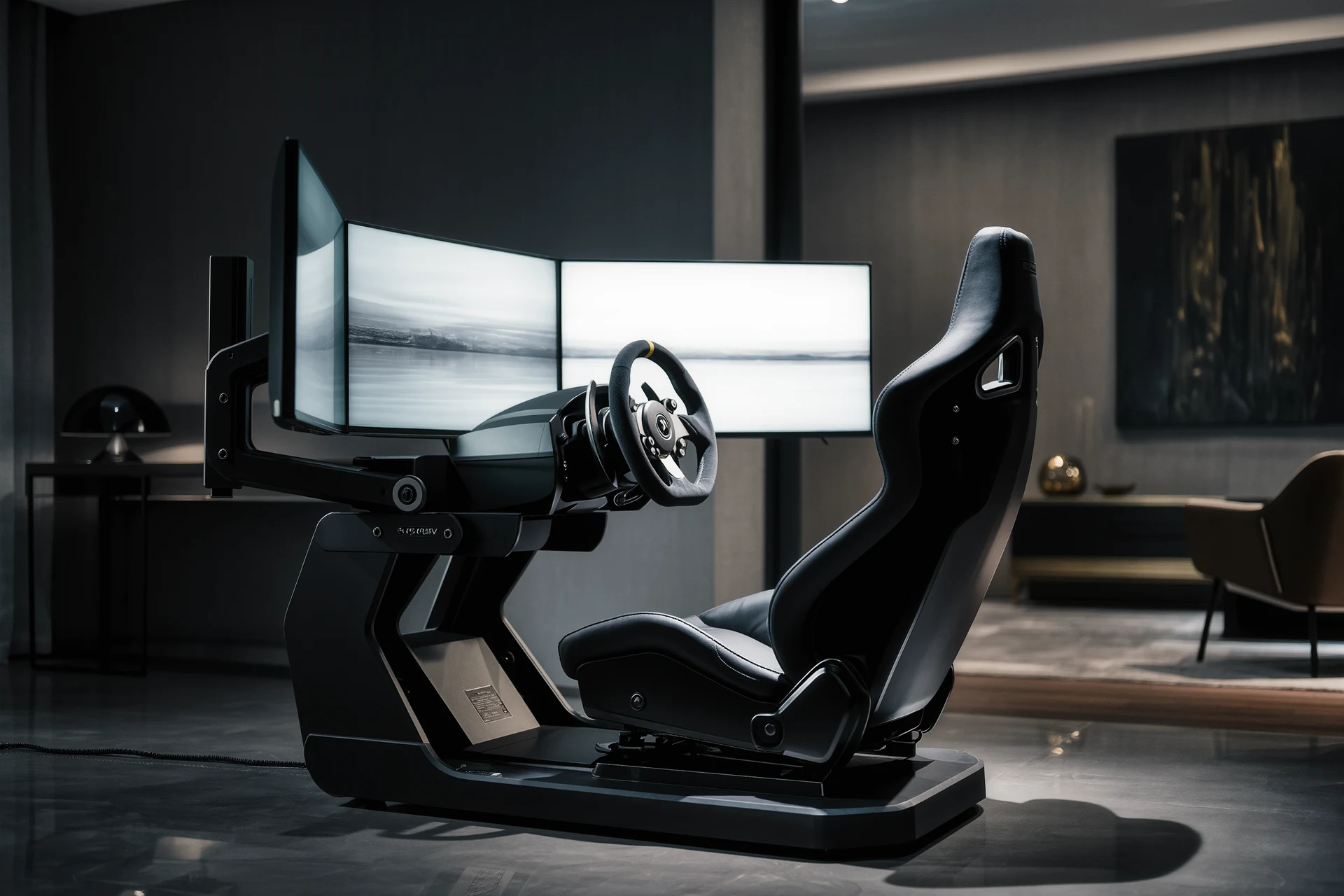
Here’s an article on “Revolutionizing Motorsport with Driving Simulators” written in a friendly, practical, and conversational tone, with clear headings and short paragraphs for easy reading:
Ever wondered what goes on behind the scenes in a professional racing team? You might picture mechanics tinkering with engines and drivers pushing cars to their limits on track. And that’s definitely part of it. But a huge, and increasingly important, piece of the puzzle for many modern motorsport outfits isn’t on asphalt at all, it’s inside a sophisticated driving simulator.
For years, simulators were seen as a fun way for enthusiasts to get a taste of the racetrack. Now, they’ve evolved far beyond that. We’re talking about incredibly powerful tools that are fundamentally changing how drivers train, how teams develop cars, and even how racing itself is approached. It’s not just about practice anymore; it’s about innovation, efficiency, and a more accessible path for talent to emerge. Think of it as a digital pit lane where almost anything can be tested and refined without the sky-high costs and risks of the real thing.
The Shift from Track Time to Screen Time
Gone are the days when a driver’s development solely relied on logging countless laps in a real race car. While real-world driving is irreplaceable, the sheer expense, logistical nightmares, and limited opportunities have pushed motorsport organizations to look for smarter, more efficient training methods. This is where simulators have stepped into the spotlight, offering a compelling alternative and a powerful supplement.
Cost-Effectiveness is a Game Changer
Let’s be honest, motorsport is expensive. Running a single Formula 1 car for a day costs millions. Even in lower series, track days, tire wear, fuel, and transportation add up incredibly fast. Simulators, while an initial investment, offer a drastically more economical way to get meaningful practice.
- Reduced Wear and Tear: No tires are scrubbed off, no engines are pushed to their redline unnecessarily, and no bodywork gets chipped from debris. This saves a fortune on consumables and maintenance.
- Logistical Simplicity: No need to book tracks, arrange transport for cars, or manage crew travel for simple practice sessions. Drivers can train from a dedicated facility, often even from home.
- Fewer Personnel: While a simulator rig needs setup and maintenance, it doesn’t require the entire race crew that a track day would.
Maximizing Driver Development
For drivers, particularly those coming up through the ranks, simulator time offers an unparalleled opportunity to hone their skills in a highly controlled and repeatable environment. It allows them to focus on the nuances of driving at the absolute limit, without the pressure of a qualifying session or the chaos of a race.
- Unlimited Practice: Drivers can practice a specific corner, braking point, or racing line thousands of times. This builds muscle memory and race craft in a way that simply isn’t feasible in a real car.
- Exposure to Diverse Conditions: Simulators can replicate almost any track in the world, and can be programmed to simulate different weather conditions, tire degradation, and even aerodynamic changes on the fly.
- Data-Driven Feedback: Every aspect of a driver’s input, steering angle, throttle, brake pressure, weight transfer, is meticulously recorded and analyzed, providing objective feedback for improvement.
Accessibility for New Talent
Historically, motorsport has been a sport dominated by those with significant financial backing. Simulators are starting to level the playing field. A talented individual with the right aptitude can, in theory, gain the necessary experience and showcase their skills through sim racing that can then translate to real-world opportunities.
- Lower Barrier to Entry: Aspiring drivers can buy a decent racing wheel and pedal setup for a few hundred dollars and begin their journey. This is a fraction of the cost of karting, let alone a junior single-seater.
- Global Competition: Online sim racing platforms allow drivers from anywhere in the world to compete against each other, identifying top talent regardless of their geographical location or financial background.
- Scouting Opportunities: Professional racing teams and series are increasingly scouting sim racing competitions for raw talent, offering pathways to real-world testing and racing opportunities.
The Engineering Advantage: Simulators as Virtual Test Beds
While drivers benefit immensely, the impact of simulators on the engineering side of motorsport is arguably even more profound. They’ve become indispensable tools for aerodynamicists, chassis engineers, and strategists, allowing for rapid iteration and optimization that was previously impossible.
Rapid Prototyping and Aerodynamic Testing
The virtual wind tunnel is now as important as the physical one. Simulators allow engineers to test a vast array of aerodynamic configurations and chassis setups without the need for a physical car or expensive wind tunnel time.
- Virtual Wind Tunnels: Sophisticated simulations can accurately model airflow around a car, predicting downforce, drag, and other critical aerodynamic characteristics. This allows for the design and testing of new wings, diffusers, and bodywork.
- Component Development: Engineers can plug in different virtual components, suspension arms, brake components, engine maps, and immediately see the effect on performance and handling.
- Optimizing Car Balance: Simulators allow for fine-tuning of the car’s balance, ensuring that the aerodynamic and mechanical elements work in harmony for optimal grip and stability.
Chassis and Suspension Development
Understanding how a car behaves over different surfaces and at varying speeds is crucial. Simulators provide a controlled environment to explore these complex interactions.
- Suspension Tuning: Teams can experiment with different spring rates, damper settings, anti-roll bars, and kinematic setups to find the optimal balance between mechanical grip, ride comfort, and tire wear.
- Chassis Stiffness and Flex: Engineers can analyze how chassis stiffness affects handling and implement modifications to achieve the desired flex characteristics.
- Tire Model Sophistication: The accuracy of a simulator is heavily dependent on its tire models. Modern simulators use incredibly complex algorithms to replicate tire behavior, including wear, temperature, and pressure changes, which are critical for setup.
Data Analysis and Performance Tuning
The sheer volume of data generated by a simulator session is immense. This data is then dissected by engineers to extract actionable insights and optimize performance.
- Precise Data Logging: Every driver input and car output is recorded with high fidelity, offering a comprehensive picture of the car’s behavior and the driver’s performance.
- Benchmarking and Comparison: Teams can compare different setups, driver inputs, and virtual components side-by-side to identify the most effective solutions.
- Predictive Performance: By feeding simulator data into advanced algorithms, engineers can predict how a car will perform across different tracks and conditions, informing race strategy and development priorities.
The Role of High-Fidelity Simulators
It’s important to understand that when we talk about revolutionary simulators in motorsport, we’re not referring to the kind you might have at home (though those are getting impressively good!). We’re talking about highly specialized, multimillion-dollar machines designed to replicate the physical sensations and precise dynamics of a real race car.
Motion Systems: Feeling the G-Forces
The most striking difference between a consumer sim and a professional one is the motion system. These systems are designed to physically move the driver to replicate the forces they would experience in a real car.
- Multi-Axis Actuators: High-end simulators utilize complex hydraulic or electric actuators to tilt, pitch, roll, and heave the driver’s seat or entire cockpit. This allows them to feel acceleration, braking, cornering forces, and even vibrations.
- Force Feedback Integration: The steering wheel and pedals are also equipped with sophisticated force feedback systems that transmit the feel of the tires on the track, the steering resistance, and even the subtle nuances of the road surface.
- Immersion and Realism: By replicating these physical sensations, motion systems significantly increase immersion and allow drivers to develop an intuitive understanding of vehicle dynamics that’s harder to achieve without experiencing it physically.
Realistic Graphics and Display Technology
While not as directly impactful as motion, the visual aspect of a simulator plays a crucial role in its effectiveness. Accurate graphics and immersive displays contribute to a driver’s ability to read the track and react appropriately.
- High-Resolution Displays: Wide-angle, high-resolution screens or even wraparound VR (Virtual Reality) headsets provide a realistic field of view, allowing drivers to judge braking points and apexes accurately.
- Accurate Track Recreations: Tracks are meticulously scanned and recreated, capturing every bump, curb, and gradient with extreme precision. This ensures that the simulator experience closely matches the real-world environment.
- Dynamic Lighting and Weather: Simulators can replicate realistic lighting conditions, including shadows and glare, as well as dynamic weather effects like rain, fog, and changing track temperature, adding another layer of complexity to practice.
Sophisticated Software and Physics Engines
At the heart of any simulator is the software that drives it. Professional motorsport simulators utilize incredibly complex physics engines that model every aspect of a car’s behavior.
- Advanced Tire Models: As mentioned, tire models are critical. These models simulate how tires deform, wear, and generate grip under various conditions, influencing everything from braking distances to cornering speeds.
- Powertrain and Drivetrain Simulation: The behavior of the engine, gearbox, and differentials are accurately simulated, allowing drivers to practice gear changes, clutch control, and understand the power delivery characteristics.
- Aerodynamic Modeling: Sophisticated computational fluid dynamics (CFD) can be integrated to simulate the complex airflow around the car, impacting downforce and drag.
Bridging the Gap: Simulators to Real-World Performance
The ultimate test of a simulator’s worth is its ability to translate into tangible performance gains on the actual racetrack. For years, there was skepticism about how well skills learned in a virtual environment would transfer. However, as simulator technology has advanced, so has the evidence of their effectiveness.
Developing Race Craft and Strategy
Simulators are not just about learning the racing line; they are powerful tools for developing broader race craft and strategic thinking.
- Overtaking Practice: Drivers can practice countless overtaking maneuvers in a safe environment, allowing them to develop timing, car placement, and the courage to make bold moves.
- Defensive Driving Techniques: Simulators are excellent for honing defensive driving skills, learning how to position the car to block an opponent without compromising speed.
- Pit Stop Strategy: Teams can simulate entire pit stops, allowing drivers and strategists to practice pit stop timing, tire change procedures, and the impact of pit stop speed on race outcomes.
Validating Car Setups Before Testing
Before a team hits the track for expensive pre-season testing, simulators can do a lot of the heavy lifting in terms of setup validation.
- Pre-Track Setup Optimization: Engineers can take a baseline setup developed in the simulator and fine-tune it for specific track conditions and driver preferences before even loading the car onto a transporter.
- Driver Feedback Integration: Drivers can provide detailed feedback on how a virtual setup feels, which engineers can then translate into real-world adjustments, saving valuable track time.
- Troubleshooting Specific Issues: If a car is exhibiting a particular handling problem, engineers can often recreate the scenario in the simulator and work on solutions without the pressure of a race weekend.
Identifying Driver Strengths and Weaknesses
Beyond general practice, simulators offer a highly analytical way to understand a driver’s individual performance and identify areas for targeted improvement.
- Lap Time Analysis: Detailed analysis of individual lap times can pinpoint specific corners or sections of a track where a driver is losing time, allowing for focused practice.
- Consistency and Pace: Simulators can measure a driver’s lap-to-lap consistency and sustained race pace, which are critical metrics for success.
- Mental Fatigue Simulation: Some advanced simulators can even incorporate elements to simulate the mental fatigue that drivers experience over long races, helping them to train for endurance.
The Future of Motorsport is Increasingly Digital
Looking ahead, the role of driving simulators in motorsport is only set to grow. As the technology continues to advance, we can expect even more integrated and sophisticated applications. The lines between the virtual and real worlds will continue to blur, creating exciting new possibilities.
Evolution of VR and AR in Simulators
Virtual Reality (VR) and Augmented Reality (AR) are poised to play an even bigger role in the future of driving simulators.
- Enhanced Immersion with VR: VR headsets offer a truly immersive experience, placing the driver directly into the virtual cockpit and providing a more natural sense of depth and spatial awareness.
- AR for Real-World Integration: Augmented Reality could be used to overlay virtual telemetry, racing lines, or even competitor positions onto a driver’s view of the real track during training sessions.
- Developing Predictive Skills: As graphics and physics become more photorealistic, simulators will become even better at training drivers to anticipate and react to subtle cues, akin to how they would in a real car.
AI-Powered Training and Analysis
Artificial Intelligence (AI) is already being used in data analysis, but its potential within simulators is vast.
- AI Coaching Systems: Imagine an AI coach that can analyze your driving in real-time, offer personalized tips, and even adapt its teaching style to your individual needs.
- AI Competitors: AI-controlled opponents can be programmed to exhibit a wide range of racing styles and skill levels, providing realistic and challenging competition for drivers.
- Simulating Race Scenarios: AI can be used to simulate unpredictable race scenarios, such as crashes, safety car periods, or changing weather, allowing drivers to practice responding to unexpected events.
The Blurring Line Between Esports and Professional Racing
The rise of sim racing as a competitive esport has undeniable parallels with professional motorsport. This crossover is already proving fruitful.
- New Talent Pipelines: Esports has become a legitimate scouting ground for raw driving talent, offering a more accessible route into professional racing for those who might not otherwise have the opportunity.
- Fan Engagement and Accessibility: Esports events are highly accessible to a global audience, bringing new fans into the motorsport world and increasing overall engagement.
- Cross-Pollination of Ideas: The innovations and technologies developed within the esports racing community can often filter up into professional motorsport, and vice versa.
Conclusion: A New Era of Performance
Driving simulators are no longer just a supplementary tool for motorsport; they are a revolutionary force. They are democratizing access to training, accelerating engineering innovation, and transforming how talent is discovered and nurtured. While the roar of the engines and the smell of burning rubber will always be central to motorsport, the quiet hum of powerful computers and the intricate dance of virtual physics are now equally vital components of success. The future of racing is undoubtedly a hybrid one, where the digital realm and the physical track work hand-in-hand to push the boundaries of speed and performance further than ever before.
FAQs
What is a driving simulator for motorsport?
A driving simulator for motorsport is a tool used by professional and amateur race car drivers to simulate real-life driving conditions and improve their skills. It provides a realistic driving experience by using advanced technology and software.How does a driving simulator for motorsport work?
A driving simulator for motorsport typically consists of a cockpit with a steering wheel, pedals, and a high-resolution display. It uses motion platforms, force feedback, and virtual reality to create a realistic driving experience. The software replicates different race tracks and driving conditions to help drivers practice and improve their skills.What are the benefits of using a driving simulator for motorsport?
Using a driving simulator for motorsport allows drivers to practice in a safe and controlled environment without the risk of accidents. It also helps drivers improve their reaction times, decision-making skills, and overall driving performance. Additionally, it can be used for testing and development of race cars and setups.Who can benefit from using a driving simulator for motorsport?
Professional race car drivers, amateur racers, racing teams, and driving enthusiasts can all benefit from using a driving simulator for motorsport. It provides an opportunity to practice and improve driving skills, test different race tracks, and refine race car setups.Are driving simulators for motorsport widely used in the racing industry?
Yes, driving simulators for motorsport are widely used in the racing industry. They are used by professional racing teams for driver training, testing, and development of race cars. Additionally, many racing enthusiasts and amateur racers use driving simulators to improve their skills and experience the thrill of racing from the comfort of their own homes.More from Racing Simulators
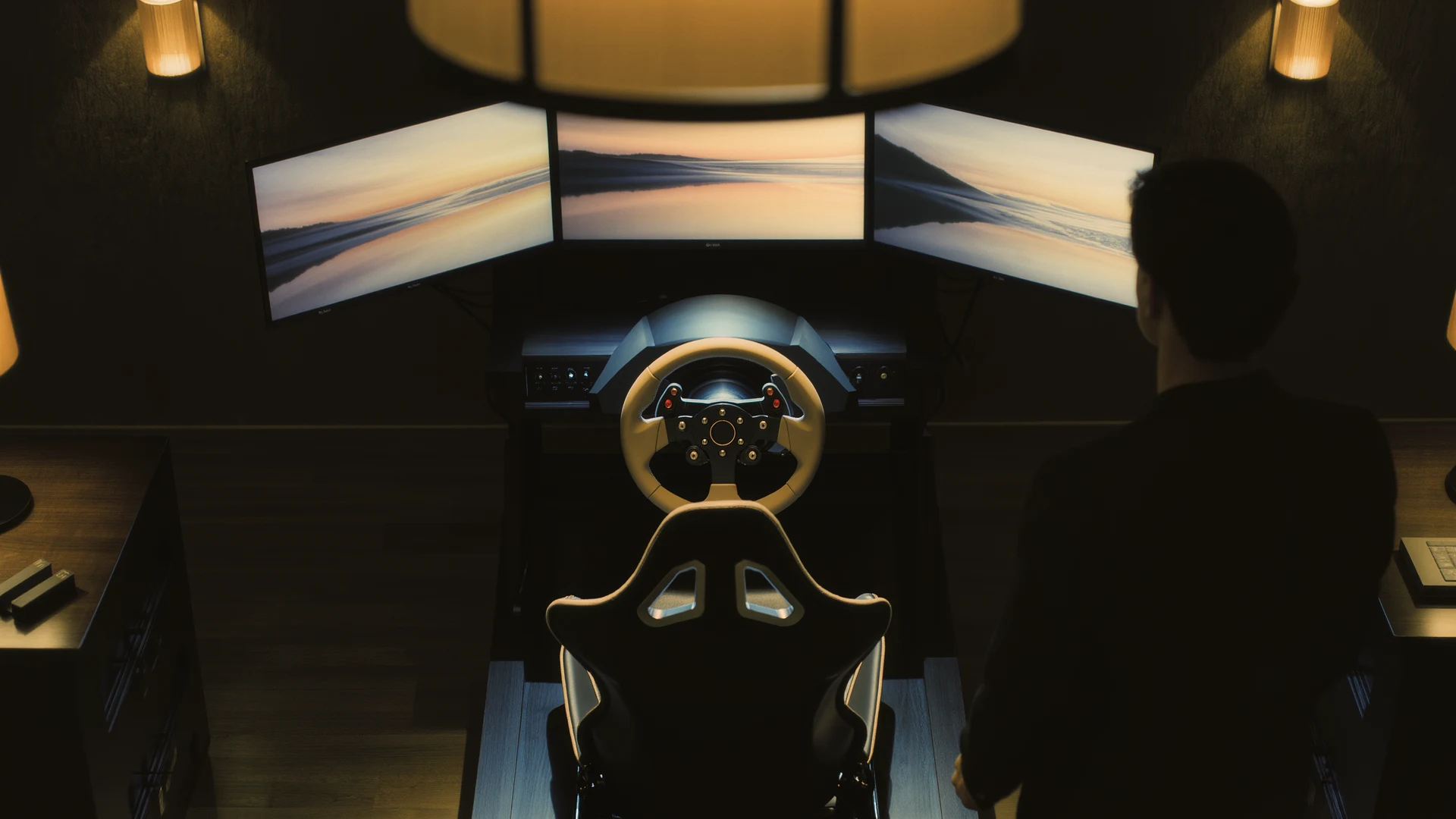
Future of Sim Racing
The future of sim racing: how AI tire models, mixed reality, cloud streaming, cheaper direct-drive hardware and the sim-to-real pipeline reshape motor…
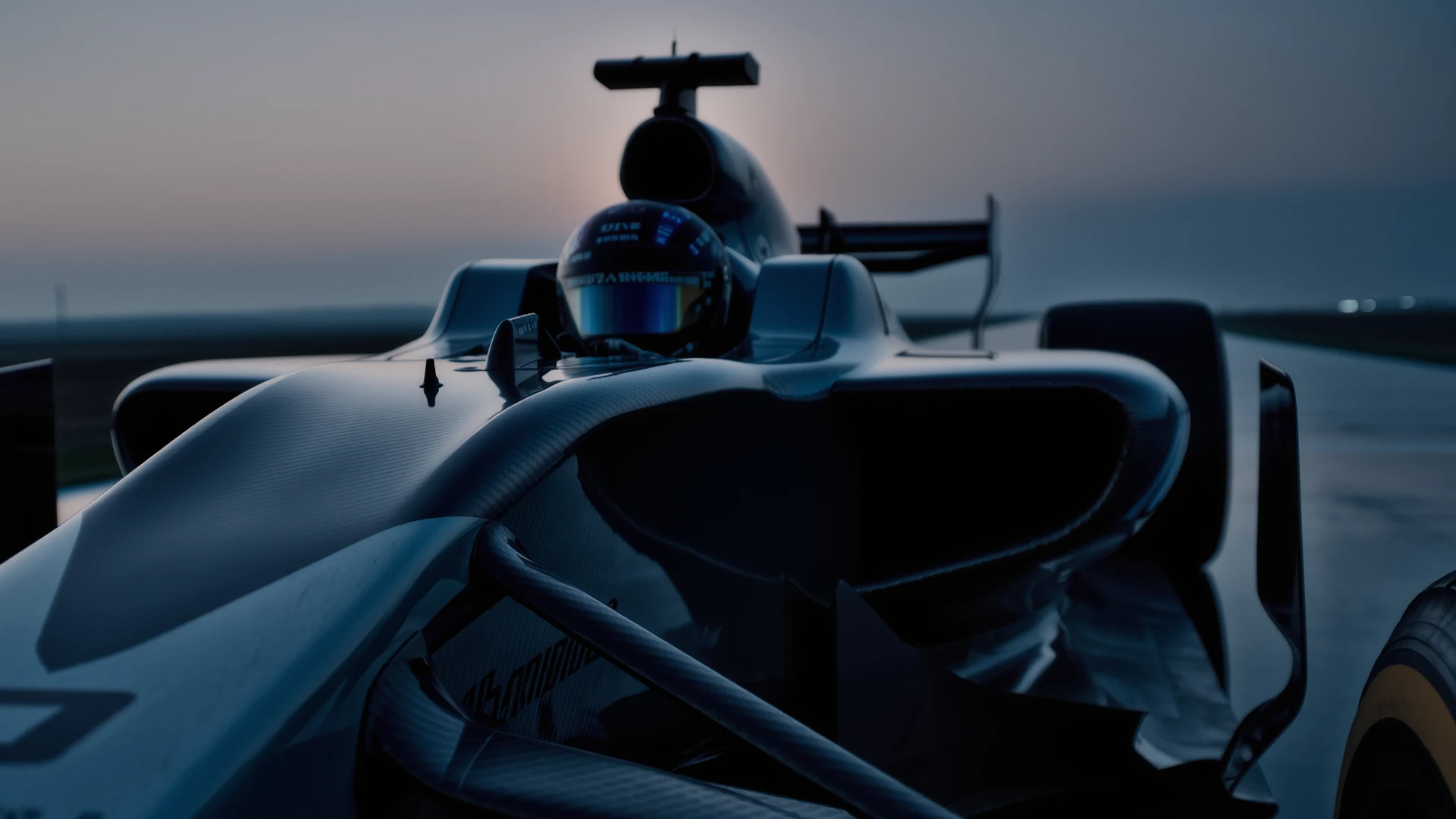
F1 Sim Racing Guide
F1 sim racing guide: compare F1 24, iRacing, RSS and AMS2, choose the right wheel and load-cell brake, and master braking, ERS and tire strategy.…
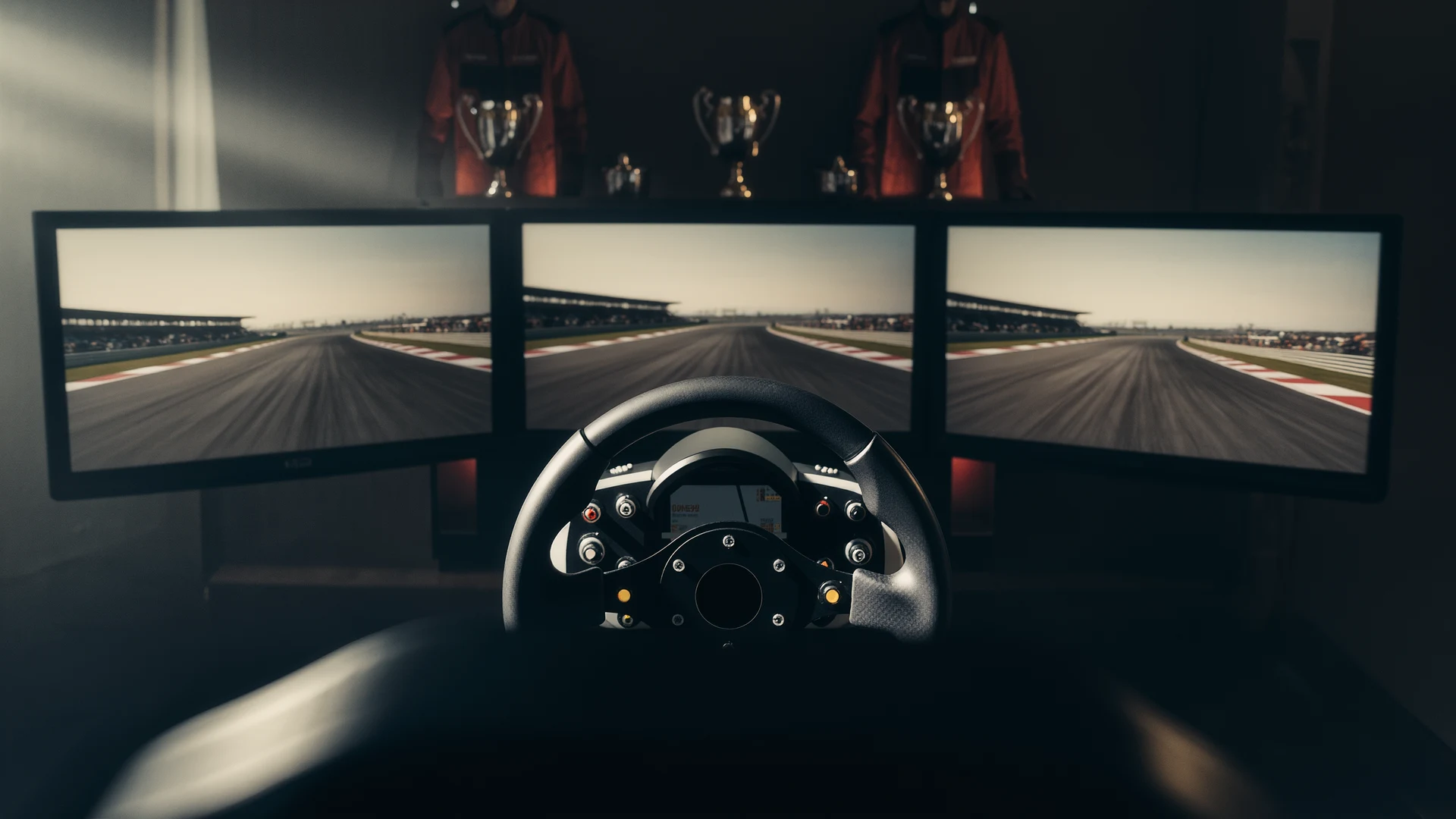
Assetto Corsa Ultimate Guide
Assetto Corsa ultimate guide: the best mods (Content Manager, CSP, SOL, Pure), free cars and tracks, online racing, performance tuning, and AC vs ACC …