Revving Up: Celebrating 25 Years of F1 Excellence
So, Formula 1 is hitting a big milestone, 25 years! That’s a quarter-century of roaring engines, daring overtakes, and some seriously incredible moments. What does 25 years of F1 …
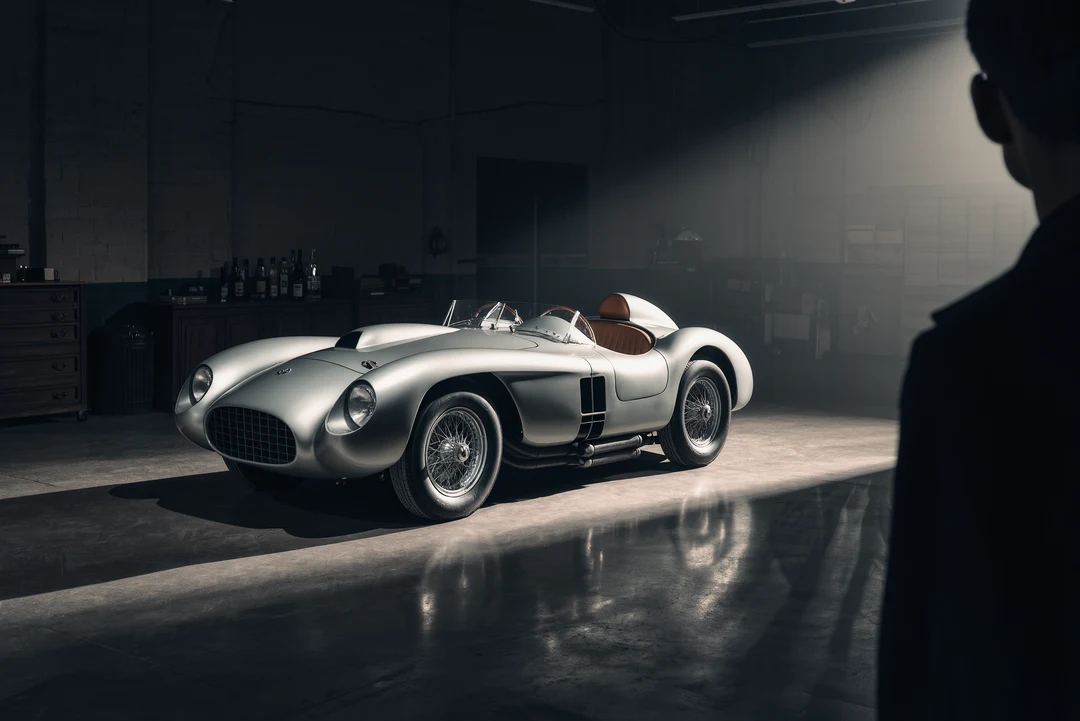
So, Formula 1 is hitting a big milestone, 25 years! That’s a quarter-century of roaring engines, daring overtakes, and some seriously incredible moments. What does 25 years of F1 excellence actually mean? It means a whole lot of evolution, a constant push for better, faster, and more exciting racing, and a sport that’s managed to stay relevant and captivating for millions around the globe. Let’s dive into what has made this period so special.
Over the past 25 years, Formula 1 has been a hotbed of technological innovation. The cars themselves have undergone a dramatic transformation, and it’s not just about looking sleeker.
Aerodynamics: From Wings to Wonder
Remember those clunky wings from the late 90s? They’ve evolved into incredibly sophisticated pieces of art. Today’s F1 cars are sculpted by wind tunnels, with complex front and rear wings, bargeboards, and floor designs all working in harmony to generate downforce. This allows drivers to carry immense speed through corners, pushing the limits of physics and human reaction times. It’s a constant battle between engineers to find that extra tenth of a second through aerodynamic wizardry. The introduction and refinement of concepts like diffusers and blown diffusers have dramatically changed how these cars hug the tarmac.
Engine Power: The Hybrid Revolution
The era of naturally aspirated V10s and V8s gave way to the current hybrid power units. This shift wasn’t just about catering to environmental concerns; it was a fundamental reprogramming of how F1 cars produce power. The combination of a powerful internal combustion engine with sophisticated energy recovery systems (ERS), harvesting energy from braking and exhaust heat, has created engines that are not only incredibly potent but also remarkably efficient. These power units are marvels of engineering, packing hundreds of horsepower while also managing complex energy deployment strategies mid-race. The interplay between the internal combustion engine and the electric motor is a key differentiator from any road car.
Materials Science: Lighter, Stronger, Safer
The quest for lighter and stronger materials has been relentless. Carbon fiber composites have become the backbone of F1 car construction, offering an incredible strength-to-weight ratio. This allows for lighter cars that can accelerate faster and brake harder. Beyond composites, advancements in metallurgy and other advanced materials have improved everything from suspension components to gearbox internals, all contributing to a more robust and capable racing machine. The focus on driver safety has also driven significant material advancements, particularly in the chassis and cockpit.
Iconic Drivers: The Faces of the Era
A sport thrives on its stars, and the last 25 years have given us some absolute legends. These drivers haven’t just won races; they’ve defined eras and captivated audiences with their skill, charisma, and sheer determination.
Schumacher’s Dominance: A Red Dynasty
Michael Schumacher’s name is synonymous with F1’s 25-year reign of excellence. His seven world championships, particularly his five consecutive titles with Ferrari, were a testament to his relentless pursuit of perfection. He wasn’t just fast; he was a master strategist, an incredible racer, and a fierce competitor who pushed the boundaries of what was thought possible. His era with Ferrari was a period of unparalleled team dominance that set a benchmark for others to chase. Even beyond his wins, his influence on driver training and preparation is undeniable.
The Rise of the New Guard: Hamilton and Vettel
As Schumacher’s era wound down, a new generation of talent emerged. Lewis Hamilton, a protégé who emerged from McLaren’s young driver program, has gone on to become one of the most decorated drivers in F1 history, matching Schumacher’s record seven world titles and breaking numerous other records along the way. Sebastian Vettel, with his four championships for Red Bull Racing, demonstrated a similar level of driving prowess and strategic brilliance during his peak. Their epic battles and contrasting styles provided some of the most thrilling racing of the past two decades.
Emerging Stars: Verstappen and Beyond
More recently, we’ve seen the explosive arrival of Max Verstappen. His raw speed, aggressive driving style, and uncanny ability to extract the maximum from his car have made him a fan favorite and a formidable champion. He represents a new archetype of F1 driver, one who is as comfortable with the hyper-modern technology as he is with pure racing instinct. The emergence of other talented drivers from various backgrounds also speaks to F1’s global appeal and its commitment to showcasing diverse talent.
The Tracks: From Street Circuits to Historic Venues
Formula 1 doesn’t just race on purpose-built circuits; it utilizes a diverse range of venues that add their own unique character and challenges to the sport.
Classic Circuits: Timeless Challenges
Tracks like Silverstone, Monza, Spa-Francorchamps, and Monaco have stood the test of time. These legendary circuits, with their rich histories and demanding layouts, offer a different kind of spectacle. The flowing corners of Spa, the high-speed straights of Monza, the glorious history of Silverstone, they all contribute to the mystique of Formula 1. The challenge for drivers at these venues is immense, demanding precision, bravery, and a deep understanding of the track’s nuances.
The Street Circuit Spectacle: Urban Thrills
In contrast, the rise of street circuits like Singapore, Baku, and formerly many others, has brought F1 racing directly into the heart of cities. These temporary tracks, often lined with barriers just inches from the cars, create incredibly tense and exciting races. The close quarters, the difficulty in overtaking, and the sheer drama of cars navigating these urban environments are a modern F1 staple. They offer a unique visual appeal and bring the sport closer to urban populations.
Evolving Layouts: Adapting to the Times
Even traditional circuits haven’t remained static. Many have undergone revisions to their layouts, aiming to improve overtaking opportunities or enhance safety. Chicane additions, run-off areas, and track surface changes are all part of the ongoing effort to keep racing exciting and sustainable. This constant adaptation ensures that the challenges presented by the tracks continue to evolve alongside the cars and drivers.
The Business of Speed: Commercial Growth and Global Reach
Formula 1 isn’t just a sport; it’s a massive global business that has seen significant commercial growth and expansion over the past 25 years.
Media Rights and Commercial Partnerships
The value of F1’s media rights has soared, with races broadcast to billions worldwide. This has attracted significant sponsorship from major global brands across various industries. The sport’s ability to attract high-profile partnerships is a testament to its enduring appeal and the quality of its audience. From watchmakers to energy drinks, the financial backing is crucial for the teams and the sport itself. The digital age has also opened up new avenues for content distribution and fan engagement.
The Netflix Effect: A New Generation of Fans
The hugely popular Netflix docu-series, “Drive to Survive,” has been a game-changer. It has introduced Formula 1 to an entirely new and younger demographic, demystifying the sport and highlighting the personalities and drama behind the scenes. This has led to a significant surge in fan engagement, track attendance, and online interest, proving that compelling storytelling can have a profound impact on sports viewership. It’s a prime example of how embracing new media platforms can revitalize an established sport.
Expanding the Calendar: New Markets, New Opportunities
Formula 1 has expanded its calendar to include new and exciting locations. The addition of races in regions like the Middle East, Asia, and North America (with the recent additions in Miami and Las Vegas) has broadened the sport’s global footprint and tapped into new fan bases. This strategic expansion is key to maintaining and growing its commercial viability and ensuring its long-term success. The sport is always looking for markets where there is a significant appetite for high-octane entertainment.
The Future of F1: Sustainability, Innovation, and Spectacle
As Formula 1 looks forward, it’s clear that the next 25 years will be just as dynamic as the last.
The Road to Net Zero: Environmental Responsibility
Sustainability is no longer an optional extra in F1; it’s a core principle. The sport has set ambitious targets to become Net Zero Carbon by 2030, with a focus on developing sustainable fuels and reducing the environmental impact of its operations. This commitment to environmental responsibility is crucial for the sport’s future relevance and credibility. The development of advanced sustainable fuels is a key area of research and development, with potential implications for road car technology.
Ground Effect Era: A New Paradigm
The recent introduction of new aerodynamic regulations, emphasizing ground effect, has been a significant step. The goal is to improve racing by allowing cars to follow each other more closely, leading to more wheel-to-wheel action and overtaking. This technical shift represents another chapter in F1’s ongoing evolution, designed to enhance the on-track spectacle for fans. The engineering challenge to optimize these new regulations is immense and will shape the cars for years to come.
The Human Element: Driver Skill and Endurance
Despite all the technological advancements, the fundamental element of F1 remains the sheer skill and endurance of the drivers. The increasing physical and mental demands of driving these complex machines at extreme speeds ensure that the human element will always be at the heart of the sport. The ability of drivers to push themselves and their machines to the absolute limit will continue to be what makes Formula 1 so compelling. A driver’s mental fortitude and physical conditioning are as important as any technological innovation.
Celebrating 25 years of F1 excellence is more than just marking a date; it’s acknowledging a journey of constant progress, thrilling competition, and an enduring passion for speed. The sport has navigated technological revolutions, welcomed new heroes, and broadened its horizons, all while keeping the core essence of high-octane racing alive. The challenges ahead, particularly in sustainability, are significant, but the spirit of innovation and the pursuit of excellence that have defined the last quarter-century suggest that Formula 1 will continue to thrive and captivate for decades to come.
FAQs
What is F1 25?
F1 25 is a special anniversary celebration of 25 years of Formula 1 racing.When did F1 25 take place?
F1 25 took place in 1995, marking the 25th anniversary of Formula 1 racing.What events were part of F1 25?
F1 25 included special races, exhibitions, and celebrations to commemorate 25 years of Formula 1 racing.Where did F1 25 events occur?
F1 25 events took place at various Formula 1 race tracks and venues around the world.Who participated in F1 25?
F1 25 involved participation from Formula 1 teams, drivers, and fans, as well as special guests and dignitaries from the world of motorsport.More from Games & Platforms
F1 Sim Racing Guide
F1 sim racing guide: compare F1 24, iRacing, RSS and AMS2, choose the right wheel and load-cell brake, and master braking, ERS and tire strategy.…
Assetto Corsa Ultimate Guide
Assetto Corsa ultimate guide: the best mods (Content Manager, CSP, SOL, Pure), free cars and tracks, online racing, performance tuning, and AC vs ACC …
iRacing Complete Guide
IRacing complete guide: how the online racing sim works, real pricing, iRating vs Safety Rating, the Rookie path, and whether iRacing is worth the cos…