The Thrilling World of Sim Racing Games
Ever wondered if you could feel the rush of a real race from your living room? Well, you can! Sim racing games blur the line between virtual and reality, offering an incredibly imm…
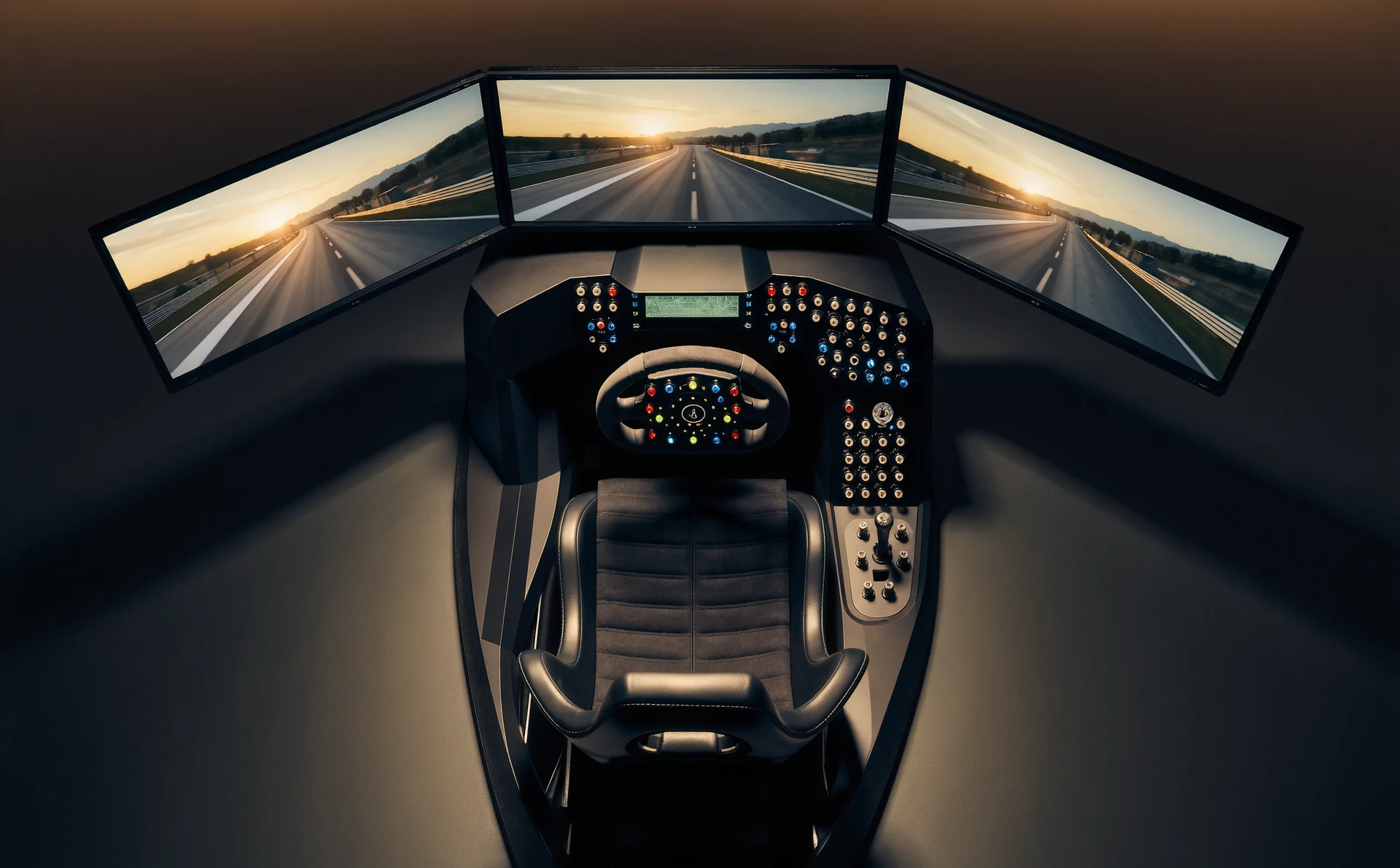
Ever wondered if you could feel the rush of a real race from your living room? Well, you can! Sim racing games blur the line between virtual and reality, offering an incredibly immersive and surprisingly accurate driving experience. Whether you’re a seasoned motorsport fan or just curious about what all the fuss is about, getting into sim racing is more accessible than you might think.
What Exactly IS Sim Racing?
Sim racing, short for simulation racing, isn’t your average arcade racer. We’re talking about games that aim to replicate the physics, handling, and feel of real-world motorsport as closely as possible. Think less “power-up boosts” and more “tire degradation” and “realistic suspension travel.” It’s about understanding how to brake, turn, and accelerate a car in a way that mimics what a professional driver would do.
The goal is to create a digital replica of the driving experience, where every input you make with your steering wheel and pedals has a direct and logical consequence on the car’s behavior. This means understanding things like weight transfer, grip levels, aerodynamic forces, and even the subtle nuances of engine power delivery. It’s a deep dive into automotive dynamics, all wrapped up in the excitement of competition.
The Gear You Actually Need (It’s Not Always Crazy Expensive)
Okay, so the image of a sim racer involves a triple-screen setup and a $1000 steering wheel. While those things exist and are awesome, you absolutely do not need them to get started.
Starting Simple: The Keyboard and Controller
Did you know you can actually get pretty far with just your standard keyboard or a game controller? It’s true. Many sim racing titles have robust controller support and offer extensive customization options for button mapping and sensitivity.
- Keyboard: While not ideal for nuanced steering, a keyboard can get you into the feel of braking and accelerating. It’s more about learning the track and the basic car behavior. You’ll find yourself using dedicated buttons for steering left/right, often with an on/off feel, but it’s a budget-friendly way to dip your toes in.
- Game Controller: A modern game controller with analog triggers and joysticks offers a much better experience than a keyboard. The analog input allows for more gradual acceleration and braking, as well as smoother steering inputs. Many dedicated sim racers started this way and still maintain a high level of skill.
Leveling Up: Entry-Level Wheels and Pedals
This is where sim racing starts to feel real. Investing in a basic steering wheel and pedal set is the single biggest upgrade you can make to your sim racing experience.
- What to Look For: For beginners, look for “force feedback” wheels. This is crucial. Force feedback is what transmits the feel of the road, tire slip, and even bumps into your hands, making you feel connected to the car. Brands like Logitech and Thrustmaster offer excellent entry-level options that are durable and provide a good introduction to force feedback.
- The Difference it Makes: Suddenly, you’ll feel the car wanting to understeer or oversteer, you’ll feel the rumble of the asphalt, and you’ll get a much better sense of grip limits. It’s an immediate game-changer.
The Enthusiast’s Corner: Mid-Range and High-End Gear
If you catch the sim racing bug, you might start looking at more advanced setups. This is where things can get serious, but always remember: you can have a fantastic time without going broke.
- Direct Drive Wheels: These wheels connect directly to the motor, offering incredibly precise and powerful force feedback. They provide the most realistic sensation and are a significant upgrade in terms of detail and responsiveness. However, they also come with a higher price tag and often require a sturdy desk or rig to mount them securely.
- Load Cell Pedals: These pedals measure braking force based on how much pressure you apply (load), rather than just how far you push the pedal down (potentiometer). This allows for much more consistent and nuanced braking, mimicking real car brake pedals. They are a popular upgrade for those serious about improving lap times.
- Sim Rigs: These are dedicated frames or cockpits that hold your wheel, pedals, and seat. They provide a stable platform, improve ergonomics, and enhance immersion by putting you in a more race-car-like seating position. They range from simple bolt-together units to elaborate custom-built solutions.
The Games: What’s Actually Out There?
The sim racing genre has exploded in recent years, with a variety of titles catering to different tastes and preferred motorsport disciplines.
Realism is King: The Pure Sims
These are the games that aim for the highest fidelity in terms of physics, car modeling, and track accuracy. They often require a bit of a learning curve but reward players with an unparalleled sense of accomplishment.
- iRacing: Often considered the gold standard by many hardcore sim racers. It’s a subscription-based service with a strong focus on competitive online racing, driver safety ratings, and accurate car and track models. It’s known for its rigorous licensing system and highly competitive community. You pay for the software subscription and then purchase individual cars and tracks.
- Assetto Corsa Competizione (ACC): The official game of the GT World Challenge series. ACC is renowned for its incredibly detailed GT3 and GT4 car models and its stunning visual presentation. The physics feel very authentic, particularly when it comes to tire grip and aerodynamics. It’s a single-purchase title.
- Automobilista 2: Known for its incredibly diverse range of cars and tracks, from classic F1 cars to modern prototypes and Brazilian touring cars. It uses the Madness Engine (the same as Project CARS 2) and offers a broad sim racing experience with impressive visual fidelity and a strong physics model, especially when using its official VR support.
- rFactor 2: A long-standing pillar of the sim racing community, rFactor 2 is celebrated for its cutting-edge tire model and dynamic track conditions. It’s highly adaptable, with a massive modding community that creates an endless supply of new cars and tracks. It requires a bit more effort to get into but offers incredible depth.
The Best of Both Worlds: Hybrid Titles
These games strike a balance between simulation and accessibility, offering realistic driving physics while also being more welcoming to newcomers than the pure sims.
- Gran Turismo 7 (PlayStation): While sometimes called a “driving simulator,” Gran Turismo has always strived for realism. GT7 offers a vast collection of cars, incredibly detailed environments, and a driving model that, while not as hardcore as iRacing or ACC, is still very engaging and requires a good understanding of driving dynamics. It’s also a fantastic showcase for what consoles can do.
- Forza Motorsport (Xbox/PC): Similar to Gran Turismo, Forza Motorsport aims for a blend of realism and fun. The latest iterations have pushed the physics engine further, making car handling feel more authentic. It offers a wide array of cars and tracks and a robust online multiplayer component.
Beyond Cars: Simulating Other Motorsports
Sim racing isn’t just about cars on a track. There are simulations for other motorsport disciplines too.
- Dirt Rally 2.0: If you love rally racing, this is the game. It’s incredibly challenging and rewarding, with fantastic handling physics that accurately simulate driving on gravel, snow, and tarmac surfaces. It forces you to be precise with your inputs and learn to read the terrain.
- KartKraft: For those who want to experience the raw, visceral thrill of karting, KartKraft is the answer. It’s known for its incredibly accurate kart physics and the feeling of being millimeters from the track. It’s surprisingly intense and competitive.
Why Do People Get So Into This? The Appeal of Sim Racing
It’s more than just playing a video game; sim racing taps into a deeper level of engagement.
The Pinnacle of Motorsport Competition
For many, sim racing is about the thrill of competition against other real people. The accuracy of the simulations means that skill, strategy, and consistent driving are rewarded, just like in real motorsport.
- Online Leagues and Championships: Many sim racing communities and titles host organized online leagues and championships. These can be incredibly competitive and provide a structured racing environment that simulates real-world motorsport series.
- Esports Potential: Sim racing has a growing esports scene, with professional drivers competing for real prize money in high-stakes events. This highlights the skill and dedication involved in competitive sim racing.
A Learning Tool for Real Drivers
This might surprise some, but real-world racing drivers, from amateurs to professionals, use sim racing extensively to learn new tracks, test setups, and hone their skills.
- Track Familiarization: Learning a new track can take months of real-world practice. Sim racing allows drivers to learn the racing line, braking points, and cornering techniques for a track in a matter of hours, saving significant time and money.
- Car Setup and Testing: Simulators can accurately replicate the effects of different car setups, allowing drivers to experiment with suspension, aerodynamics, and tire pressures to find optimal performance without the risk or cost of damaging a real race car.
The Immersion Factor
When you’re deep into a sim racing session, the outside world can really fade away.
- Visceral Feel: With good force feedback and a well-tuned setup, you can feel the car communicate with you. You feel the tires gripping, you feel them losing grip, you feel the suspension working. It’s a sensory experience that arcade racers simply can’t replicate.
- Sense of Accomplishment: Mastering a difficult track or car in a sim racing game, shaving off those crucial tenths of a second, and executing a perfect overtake provides a genuine sense of achievement. It’s earned through practice, patience, and precision.
Modding: Extending Your Sim Racing Universe
The modding community is a vital part of the sim racing landscape, especially for PC titles. It adds an incredible amount of longevity and variety to the games.
Adding New Cars and Tracks
This is the most common type of modding. Enthusiasts create replicas of cars or entirely new tracks that aren’t available in the base game.
- Historical Cars: Want to drive a classic Group C prototype or a vintage Formula 1 car? Mods often bring these historical machines to life.
- Real-World Tracks: Many mods meticulously recreate famous race tracks from around the world that might not be officially licensed in your chosen game.
- Fictional Content: Some mods even introduce entirely new, creative tracks or car concepts, which can be a lot of fun.
Enhancing Graphics and Physics
Beyond just adding new content, mods can also improve the visual fidelity or even tweak the physics models of existing cars.
- Visual Overhauls: Some mods aim to improve textures, lighting, or weather effects, making the game look even more stunning.
- Physics Tweaks: While purists might stick to the official physics, some mods offer alternative physics models that can change the feel and challenge of the driving experience.
Where to Find Mods
- Dedicated Forums: Most major sim racing titles have official or unofficial forums where modding communities thrive.
- Modding Websites: Websites dedicated to sim racing mods are common, offering organized downloads and communities for sharing creations. Be sure to check the reputation of sources to avoid malware.
Getting Started: Practical Advice for Newcomers
Jumping into sim racing can seem daunting, but it doesn’t have to be. Here’s how to make your first steps smooth and enjoyable.
Choose Your First Game Wisely
Don’t feel pressured to buy the most expensive or complex game right away.
- Consider Your Interests: Are you drawn to Formula 1? GT racing? Rally? Pick a game that focuses on your preferred motorsport.
- Look for Accessibility: Games like Gran Turismo 7 or Forza Motorsport are fantastic starting points because they offer a good balance of realism and ease of use. For PC, Assetto Corsa Competizione is a great choice for GT racing with a reasonable learning curve.
- Watch Reviews and Gameplay: Before buying, spend some time watching videos of people playing the games you’re considering. This will give you a feel for the graphics, physics, and overall experience.
Invest in a Basic Wheel (When You’re Ready)
As mentioned earlier, this is the biggest upgrade.
- Don’t Break the Bank Initially: A good entry-level force feedback wheel from Logitech or Thrustmaster can be found for under $200. This is a worthwhile investment that will immensely improve your enjoyment.
- Research Your Options: Read reviews and compare features. Look for wheels that offer good force feedback and a decent pedal set.
Start with the Basics
Don’t try to master a complex GT3 car on a challenging track on day one.
- Pick an Easy Car and Track: Many sim racing games allow you to drive simpler cars on easier circuits. Start there to get a feel for the controls and physics.
- Focus on One Thing at a Time: Try to focus on smooth acceleration, consistent braking, or finding the right racing line. Don’t expect to be perfect overnight.
- Use Driving Aids Wisely: Most sim racers have driving aids like traction control, ABS, and stability control. Use them initially to get comfortable, but gradually try to reduce or turn them off as your skills improve. These aids are designed to help you learn.
Join a Community
Sim racing can be a solitary experience, but it’s so much better with others.
- Online Forums and Discord: Many sim racing games have active online communities where you can ask questions, share tips, and find people to race with.
- Find Beginner-Friendly Leagues: Look for leagues or groups specifically for new sim racers. These often have a more relaxed atmosphere and are focused on learning and having fun alongside competition.
Sim racing offers a unique blend of competitive spirit, technical challenge, and pure driving enjoyment. It’s a hobby that can be as casual or as intense as you want it to be, and with so many great games and accessible hardware options available, there’s never been a better time to dive into the thrilling world of simulation racing.
FAQs
What is sim racing?
Sim racing, short for simulated racing, refers to the genre of video games that aim to realistically simulate the experience of driving a race car. These games often feature realistic physics, accurate car models, and detailed tracks to provide an immersive racing experience.What are some popular sim racing games?
Some popular sim racing games include titles like iRacing, Assetto Corsa, Project CARS, rFactor, and Gran Turismo. These games are known for their realistic driving physics, accurate car handling, and detailed track designs.What equipment do I need for sim racing?
To fully enjoy sim racing, you will need a gaming PC or console, a steering wheel and pedal set, and a racing seat or cockpit. Some players also use virtual reality headsets for a more immersive experience. Additionally, a high-quality monitor or TV and a good internet connection are recommended for online multiplayer racing.Can sim racing help improve real-life driving skills?
Sim racing can help improve certain aspects of real-life driving skills, such as understanding racing lines, car control, and vehicle dynamics. However, it’s important to note that sim racing should not be seen as a substitute for real-world driving experience and proper training.Are there professional sim racing competitions?
Yes, there are professional sim racing competitions with large prize pools and dedicated esports teams. Organizations like the FIA (Fédération Internationale de l’Automobile) have also recognized sim racing as an official motorsport discipline, further legitimizing its status in the racing world.What distinguishes sim racing from arcade racers?
Do you need expensive gear to start sim racing?
Which pure simulation titles are worth trying?
More from Games & Platforms
F1 Sim Racing Guide
F1 sim racing guide: compare F1 24, iRacing, RSS and AMS2, choose the right wheel and load-cell brake, and master braking, ERS and tire strategy.…
Assetto Corsa Ultimate Guide
Assetto Corsa ultimate guide: the best mods (Content Manager, CSP, SOL, Pure), free cars and tracks, online racing, performance tuning, and AC vs ACC …
iRacing Complete Guide
IRacing complete guide: how the online racing sim works, real pricing, iRating vs Safety Rating, the Rookie path, and whether iRacing is worth the cos…