Ultimate Formula Racing Simulator Experience
So, you’re curious about the “ultimate formula racing simulator experience”? Let’s cut to the chase: it’s all about getting as close to driving a real…
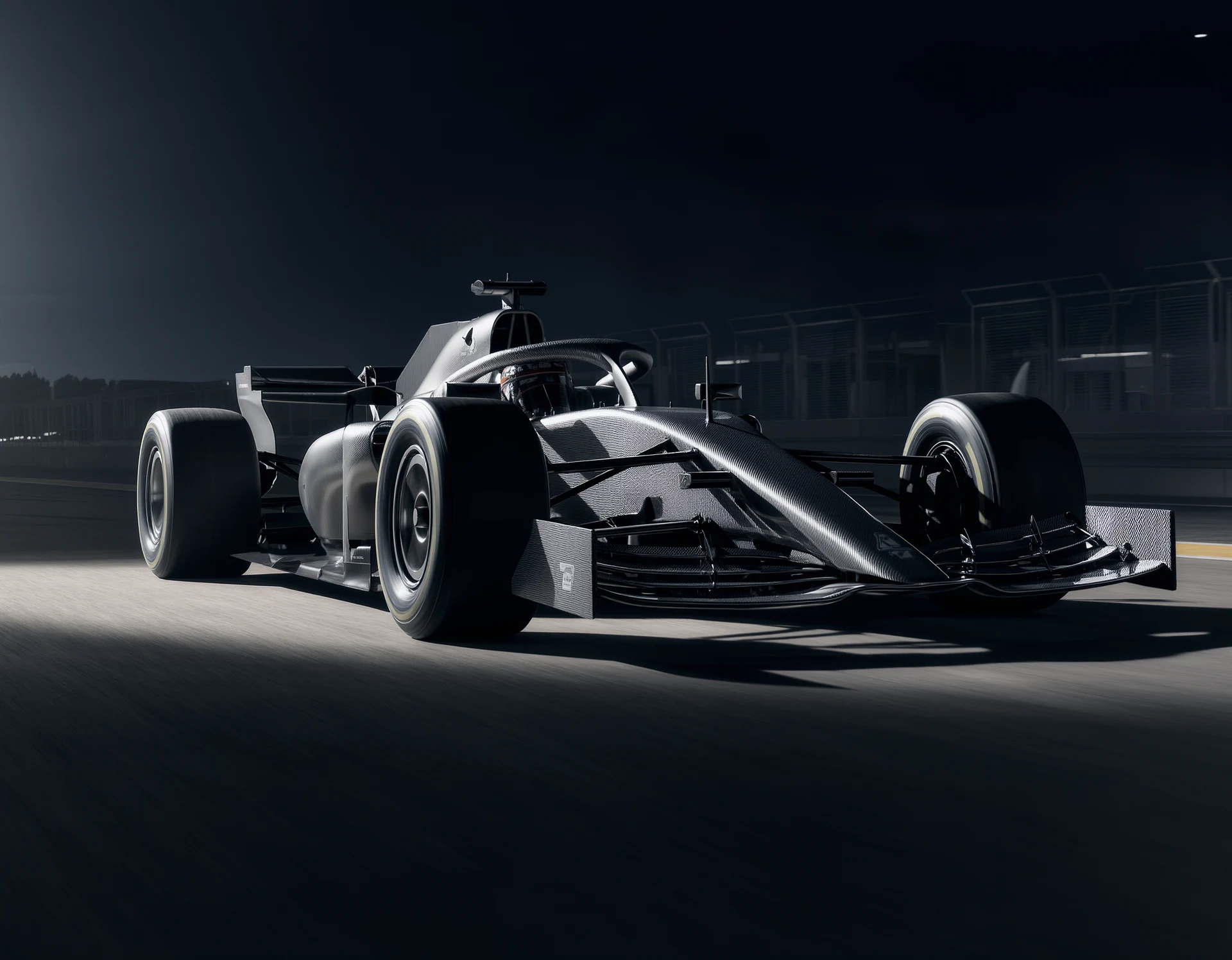
So, you’re curious about the “ultimate formula racing simulator experience”? Let’s cut to the chase: it’s all about getting as close to driving a real Formula 1 car as your budget and space allow, without the millions in engineering and the risk of a multi-car pile-up. It’s a blend of high-tech gear, meticulous setup, and a willingness to dive deep into the nuances of driving these incredible machines. Think less about flashy lights and more about the subtle feedback that tells you if you’re about to lose traction or if your tires are reaching their optimal temperature.
The Sensory Symphony: What Makes It “Real”?
What separates a casual sim racing setup from something that truly feels like the pinnacle of the experience? It’s the ability of the hardware to translate the complex physics of a modern F1 car into tangible sensations. This isn’t just about seeing the track on a screen; it’s about feeling the vibrations, the G-forces, the braking pressure, and the steering resistance.
The Foundation: Your Steering Wheel and Pedals
This is where the bulk of your feel will come from. Cheap wheels might offer basic force feedback, but the ultimate experience demands something with more fidelity.
Direct Drive Wheels: Feel Every Nuance
If you’re serious about the ultimate experience, a Direct Drive (DD) wheel is almost non-negotiable. Instead of gears or belts transmitting force, the steering wheel is directly attached to a powerful motor. This means incredibly precise and immediate feedback. You’ll feel the tiniest bumps in the road, the subtle shift of weight as you turn, and the sheer resistance when you’re pushing the car to its limits. The detail is astounding.
- Torque: This is the “strength” of the wheel. For F1 cars, which have heavy steering, you’ll want something with ample torque, typically 10 Nm and above. More is generally better, allowing for more dynamic and realistic force feedback.
- Resolution: Higher resolution means the motor can make smaller, finer adjustments, translating to smoother and more detailed feedback.
- Build Quality: DD wheels are an investment. Look for solid construction, premium materials, and a reputation for reliability.
Load Cell Pedals: Braking with Your Leg
Just like the wheel, the pedals need to go beyond simple spring resistance. Load cell pedals measure the force you apply to the brake pedal, not just how far you press it. This is crucial for replicating real-world braking.
- Brake Feel: You can set a specific amount of force (e.g. 80kg) to achieve maximum braking without locking up. This teaches your muscle memory to apply the right pressure, just like a real driver.
- Adjustability: Look for pedals that allow you to adjust the stiffness, travel, and even the type of brake pad simulation they offer.
- Material: High-quality metal construction is a must for durability and a solid feel.
Beyond the Basic: Immersion Enhancers
Once you have a solid wheel and pedal set, you can start layering on other components to truly elevate the experience.
Shifters and Handbrakes: More Than Just Aesthetics
While F1 cars don’t use traditional gear shifters, dedicated sim racers often incorporate them for other racing disciplines or for added immersion even in F1 if they include paddle shifters integrated into the wheel itself. However, a properly simulated paddle shifter unit connected to your wheel is a must.
- Paddle Shifters: Look for well-engineered paddle shifters that offer a satisfying click and resistance when you change gears. Magnetic shifters can provide a more premium feel.
- Haptic Feedback: Some advanced setups can incorporate haptic feedback into shifters, simulating the jolt of a gear change.
Button Boxes and Dash Displays: Information is Power
A real F1 car’s steering wheel is festooned with buttons and and informative displays. Replicating this in your sim setup provides crucial access to functions and vital telemetry.
- Dials and Switches: Assigning commonly used functions like traction control, brake bias, and pit lane speed limiter to physical controls makes for a more intuitive and immersive experience.
- Integrated Displays: Many button boxes and dedicated dashboards can display real-time telemetry like lap times, tire temperatures, fuel levels, and engine RPM, mimicking what a driver sees in a real F1 car.
The Rig: More Than Just a Seat
Your “rig” is the physical structure that houses your wheel, pedals, and display(s). It’s not just about comfort; it’s about stability and positioning.
Cockpits: The Foundation of Your Sim Racing World
A dedicated sim racing cockpit provides a stable platform for your peripherals and an ergonomic seating position that encourages long, focused sessions.
Playseat Style Cockpits: Entry-Level Versatility
These often fold up and are relatively easy to move, making them a good starting point if space is a concern. However, they might lack the absolute rigidity needed for very high-torque DD wheels.
Aluminium Profile Rigs: The Enthusiast’s Choice
Constructed from industrial-grade aluminium extrusions, these rigs offer unparalleled rigidity and adjustability. You can build them to your exact specifications, ensuring perfect positioning for your wheel, pedals, and seat.
- Modularity: The beauty of aluminium profile is that you can add or change components easily as your setup evolves.
- Cable Management: Integrated channels and mounting points make for a clean and tidy build.
- Wheel/Pedal Mounting: You can often mount your wheel and pedals directly to the profile, minimizing flex.
Seats: Comfort Meets Immersion
The seat you choose plays a significant role in both comfort and immersion.
Racing Seats: Ergonomics for Endurance
A proper bucket seat, similar to those found in road-legal sports cars or track day vehicles, offers good support and can enhance the feeling of being in a cockpit.
- Recline and Adjustability: Look for seats that allow you to adjust the recline angle and fore/aft position to find your perfect driving posture.
- Material: Fabric is generally more breathable for long sessions, whereas leather or faux leather can feel more premium but might get warm.
Motion Platforms: The Ultimate Sensation (and Expense)
For those who truly want to push the envelope, motion platforms add physical movement to your sim racing experience.
- Pitch, Roll, and Yaw: These platforms can simulate the G-forces of acceleration, braking, and cornering, providing a visceral sense of what the car is doing.
- Types of Motion: From simpler bass shakers that add vibration and rumble, to complex multi-axis platforms that can tilt and slide, the options vary widely in capability and cost.
The Visuals: Seeing is Believing
The screen(s) you use are your window into the virtual world. The quality and size of your display directly impact immersion.
Displays: From Single Monitor to Triple or Ultrawide
What you’re looking at matters. The goal is to fill your field of vision as much as possible to create a sense of presence.
Single Monitor: A Solid Starting Point
A good quality, high-refresh-rate gaming monitor (e.g. 144Hz or higher) with a low response time is the minimum for a smooth and enjoyable experience. Position it close enough to fill your horizontal view.
- Resolution: 1440p or 4K will offer sharper visuals.
- Aspect Ratio: A wider aspect ratio (like 21:9 Ultrawide) can offer more peripheral vision than a standard 16:9.
Ultrawide Monitors: Enhanced Peripheral Vision
An ultrawide monitor (21:9 or 32:9) can significantly improve immersion by expanding your horizontal field of view, making you feel more “in” the car.
- Curved Displays: A curved ultrawide can further enhance the feeling of being enveloped by the screen.
Triple Monitor Setups: The Apex of Immersion
Three monitors arranged in a slight arc around your seating position provide the most convincing sense of peripheral vision without the complexity of VR.
- Bezel Correction: Most sim racing software allows for bezel correction to minimize the visual break between screens.
- Calibration: Getting the alignment and color correction just right is key to a seamless image.
Virtual Reality (VR): The Frontier of Immersion
For some, VR is the absolute pinnacle of sim racing immersion. It puts you directly into the driver’s seat with a true 1:1 sense of scale and presence.
- Field of View (FOV): High-end VR headsets offer a wider FOV, which is crucial for replicating peripheral vision.
- Resolution and Refresh Rate: Higher resolution and refresh rates reduce the “screen door effect” and provide smoother motion, minimizing motion sickness.
- Comfort and Fit: A comfortable headset that fits well is essential for extended driving sessions.
The Software: The Brains Behind the Operation
You can have the best hardware in the world, but without compelling software, it’s just expensive furniture. The simulation itself needs to be accurate and engaging.
Sim Racing Titles: Where the Magic Happens
The choice of simulation software is paramount. F1 simulators need to accurately replicate the complex physics, tire models, and aerodynamic behavior of these incredibly sensitive machines.
Assetto Corsa Competizione (ACC): The Official Game
ACC is the official game of the GT World Challenge series, but its F1 cars (through mods and some official content) are exceptionally well-regarded for their physics. It focuses on GT3 and GT4 cars, but through community mods, the F1 car experience can be incredibly accurate.
- Laser Scanning: ACC uses laser scanning to perfectly replicate track layouts.
- Advanced Physics Engine: Its tire model and aerodynamic simulations are considered top-tier.
iRacing: The Gold Standard for Competitive Sim Racing
iRacing is a subscription-based service known for its incredibly accurate physics, dedicated online racing infrastructure, and high level of realism. It’s a demanding but rewarding platform for serious sim racers.
- Newey-Spec F1 Cars: The F1 cars on iRacing are incredibly well-modelled and provide a challenging and rewarding experience.
- Data Acquisition: iRacing provides detailed telemetry data that can be used for analysis and improvement.
- Structured Racing: The platform has a structured ranking and safety rating system that encourages clean and competitive racing.
rFactor 2: Deep Physics and Modding Community
rFactor 2 is another powerhouse in the sim racing world, renowned for its incredibly detailed tire model and dynamic track conditions. It also boasts a vibrant modding community, which can unlock F1 car simulations.
- Real Road Surface Simulation: Tracks evolve in real-time as you and other cars race on them, creating rubber build-up and changing grip levels.
- Extensive Modding Support: Many highly accurate F1 car mods are available for rFactor 2, often developed by teams that work with real motorsport engineers.
Track and Car Selection: The Details Matter
The specific tracks and car models you choose will greatly influence the “ultimate” feel.
- Official Tracks: Driving on laser-scanned versions of iconic F1 circuits like Monaco, Silverstone, Spa-Francorchamps, and Monza is essential for the authentic experience.
- Accurate Car Models: The more closely the simulation replicates the handling characteristics, power delivery, and aerodynamic downforce of a specific F1 era or car, the more immersive it will be. This often means relying on highly regarded mods for specific F1 cars if the chosen base simulation doesn’t include them officially.
Setup and Tuning: The Unseen Art
Even with the best hardware and software, an unoptimized setup will detract from the experience. F1 cars are incredibly sensitive to setup changes.
Tire Pressures and Temperatures: The Heart of Grip
Understanding how tire pressures and temperatures affect grip is fundamental to F1 racing.
- Optimal Window: Each tire compound has an optimal operating temperature window for maximum grip. You’ll need to monitor this closely.
- Pressure Effects: Higher pressures can reduce rolling resistance but also decrease the tire’s contact patch, leading to less grip. Lower pressures can increase grip but also tire wear and heat.
Aerodynamics: The Downforce Equation
The intricate aero packages of F1 cars are what allow them to corner at incredible speeds.
- Wing Angles: Adjusting front and rear wing angles directly impacts downforce and drag. More downforce means more grip in corners but also more drag on straights.
- Ride Height: The height of the car off the ground is critical for aerodynamic performance and can be highly sensitive.
Suspension and Dampers: Controlling the Car’s Dance
The way the suspension and dampers are configured dictates how the car reacts to bumps, cornering forces, and braking.
- Stiffness: Softer suspension can improve tire contact on undulating surfaces, while stiffer suspension offers more direct response.
- Dampers: These control the speed at which the suspension compresses and rebounds, affecting how the car handles weight transfer.
Braking and Differential Settings: Precision Control
Fine-tuning the braking system and the differential is crucial for extracting maximum performance.
- Brake Bias: Adjusting the front-to-rear brake bias can significantly influence braking stability and turn-in.
- Differential Settings: The limited-slip differential affects how power is distributed between the rear wheels, impacting traction and corner exit.
The “ultimate formula racing simulator experience” is a journey, not a destination. It’s about continuous learning, refinement, and a deep appreciation for the incredible engineering and skill that goes into real-world Formula 1. By focusing on the right hardware, immersive visuals, accurate simulations, and meticulous tuning, you can get closer than ever to feeling like you’re actually behind the wheel of one of these phenomenal machines.
FAQs
What is a formula racing simulator?
A formula racing simulator is a type of racing simulator that is designed to replicate the experience of driving a Formula 1 or other high-performance racing car. It typically includes a cockpit with a steering wheel, pedals, and a high-quality display, as well as advanced software to simulate the physics and handling of a real racing car.How does a formula racing simulator work?
A formula racing simulator works by using advanced software and hardware to replicate the experience of driving a racing car. The software simulates the physics of driving at high speeds, while the hardware provides a realistic cockpit environment with a steering wheel, pedals, and high-quality display. This allows drivers to practice and improve their racing skills in a safe and controlled environment.What are the benefits of using a formula racing simulator?
Using a formula racing simulator can provide several benefits for racing enthusiasts and professional drivers. It allows drivers to practice and improve their racing skills in a safe and controlled environment, without the risk of injury or damage to a real car. It also provides a cost-effective way to experience the thrill of driving a high-performance racing car.What features should I look for in a formula racing simulator?
When choosing a formula racing simulator, it’s important to look for features such as a realistic cockpit design, high-quality force feedback steering wheel and pedals, and advanced software with accurate physics simulation. A high-quality display with a wide field of view and high refresh rate is also important for an immersive racing experience.Are formula racing simulators used for professional training?
Yes, formula racing simulators are commonly used for professional training by racing teams and drivers. They provide a safe and cost-effective way to practice and improve racing skills, as well as to familiarize drivers with specific race tracks and conditions. Many professional racing teams use simulators as part of their training and development programs.More from Racing Simulators
Future of Sim Racing
The future of sim racing: how AI tire models, mixed reality, cloud streaming, cheaper direct-drive hardware and the sim-to-real pipeline reshape motor…
F1 Sim Racing Guide
F1 sim racing guide: compare F1 24, iRacing, RSS and AMS2, choose the right wheel and load-cell brake, and master braking, ERS and tire strategy.…
Assetto Corsa Ultimate Guide
Assetto Corsa ultimate guide: the best mods (Content Manager, CSP, SOL, Pure), free cars and tracks, online racing, performance tuning, and AC vs ACC …