Unleash Your Inner Speed Demon with Racing Simulator Experience
So, you’re wondering what all the fuss is about with racing simulator experiences? Simply put, it’s your chance to drive highly realistic virtual race cars on iconic tracks, pushin…
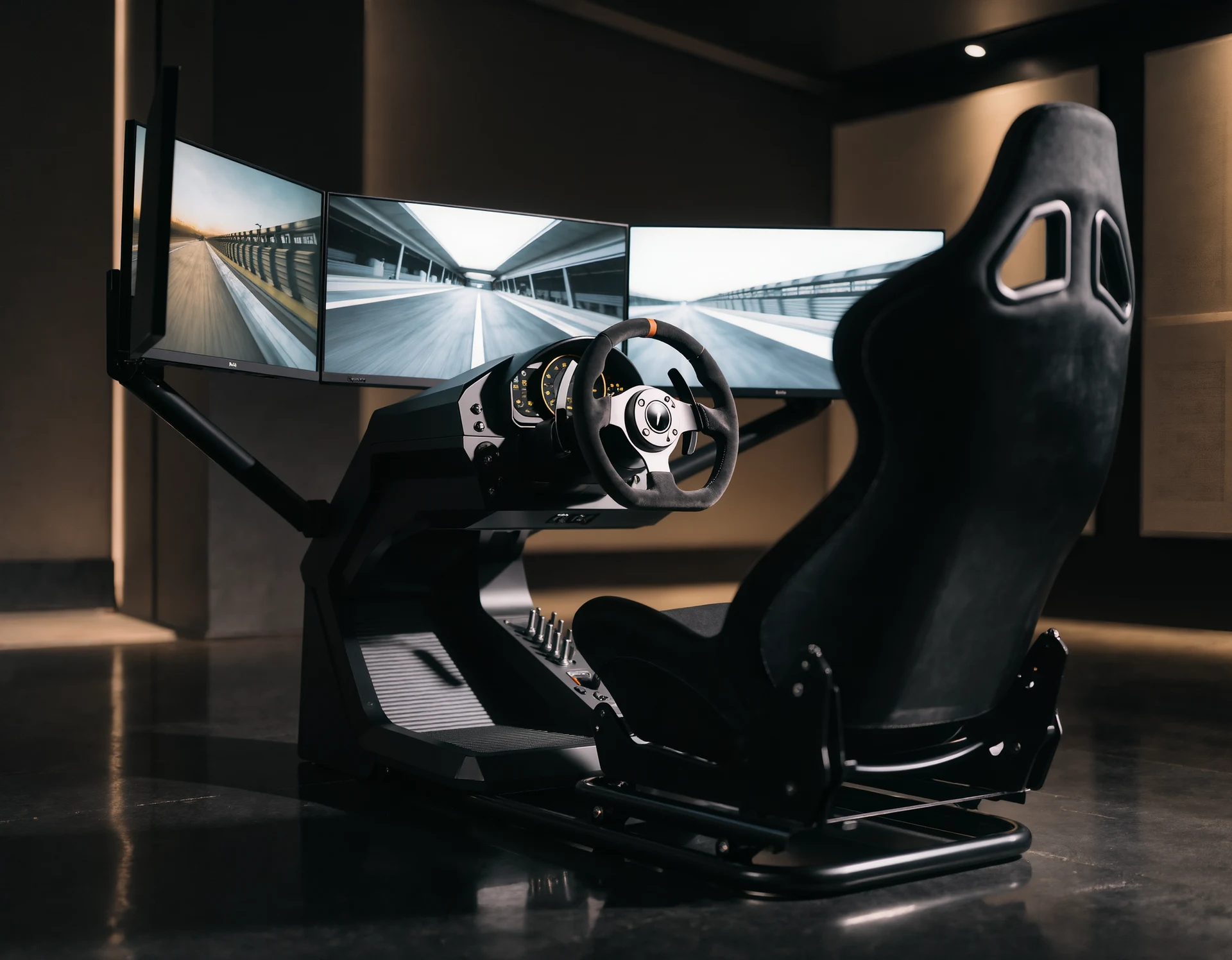
So, you’re wondering what all the fuss is about with racing simulator experiences? Simply put, it’s your chance to drive highly realistic virtual race cars on iconic tracks, pushing boundaries you’d never dream of in real life, all from the comfort and safety of a specialized cockpit. It’s more than just a game; it’s an immersive dive into the world of motorsport, offering a genuine feel for speed, G-forces (simulated, of course), and the adrenaline rush of competition. Forget generic video game controllers; we’re talking sophisticated setups designed to mimic the intricacies of real racecar driving.
Think beyond your average console racing game. A racing simulator experience elevates virtual driving to a whole new level. These aren’t just fancy arcade machines; they’re intricate systems designed to replicate the physics, feel, and visual fidelity of actual race cars and tracks.
The Hardware Behind the Hype
At its core, a racing simulator setup involves several key components working in concert.
- The Cockpit: This is where you’ll be spending your time. These vary widely, from sturdy frames with dedicated racing seats to more advanced full-motion platforms. The goal is to put you in a driving position that feels authentic, mimicking a race car’s ergonomics.
- Steering Wheel & Pedals: Crucially, these are far from typical gaming peripherals. High-end simulators use force feedback steering wheels, which realistically transmit the forces you’d feel through the wheel in a real car, the resistance in corners, the rumble strips, the loss of grip. The pedals are often hydraulic or load-cell based, providing a much more nuanced and realistic feel for braking and acceleration compared to spring-loaded consumer pedals.
- Displays: You’ll typically be looking at either a large single monitor, an ultrawide curved monitor for greater immersion, or a multi-screen setup (usually three monitors) to replicate a wider field of view, much like a driver would have in a real car. Some high-end experiences even incorporate virtual reality (VR) headsets for unparalleled immersion, letting you look around the cockpit and track as if you were truly there.
- Motion Platforms: This is where things get really interesting. More advanced simulators sit atop hydraulic or electric platforms that move and tilt, replicating the forces of acceleration, braking, cornering, and even road texture. A two-degree-of-freedom (2-DOF) platform might pitch and roll, while a six-degree-of-freedom (6-DOF) platform can mimic a much wider range of movements, including heave, sway, and surge, truly tricking your brain into feeling the G-forces.
The Software: The Brain of the Operation
While the hardware provides the physical sensation, the software delivers the virtual world.
- Physics Engines: This is arguably the most critical component. Top-tier racing simulator software employs highly complex physics engines that accurately model tire grip, aerodynamic downforce, suspension dynamics, engine characteristics, and track surface irregularities. This is why a real racecar driver can often gain insights or practice track elements on a simulator.
- Track Scanning: Modern simulator tracks aren’t just generic digital recreations. Many are laser-scanned, meaning every bump, camber change, and curb is precisely replicated in the virtual world, making the experience incredibly authentic to the actual track.
- Vehicle Models: Each car is meticulously modeled, not just visually, but also in terms of its performance characteristics. You’ll feel the difference between a high-downforce open-wheeler and a heavy touring car. Tuning options are often extensive, allowing you to tinker with suspension, aerodynamics, gear ratios, and more, just like a real race engineer.
Why Bother with a Racing Simulator Experience?
Okay, so it sounds cool, but is it just a glorified video game for adults? Not really. There are several compelling reasons why these experiences are gaining traction, appealing to a wide range of individuals.
The Thrill Without the Risk
This is probably the most obvious benefit. In a simulator, you can push a multi-million-dollar race car to its absolute limit on a challenging track like the Nürburgring Nordschleife without any risk of injury, damage, or astronomical insurance premiums. You can spin out, crash, and flip the car as many times as you like, and with the press of a button, you’re back on track, ready to try again. This freedom from consequence allows for aggressive experimentation and learning that’s simply not possible in real-world racing for most people.
Accessibility to Elite Motorsport
Real motorsport is prohibitively expensive and time-consuming. Getting track time in a decent car can cost hundreds, if not thousands, of dollars per day, not including transport, maintenance, and support staff. Racing simulators offer an incredibly affordable entry point into the world of performance driving. For a fraction of the cost, you can drive cars and tracks that only the wealthiest individuals or professional athletes could ever access in reality.
A Powerful Training Tool
Beyond just fun, simulators are incredibly effective training tools.
- Learning Tracks: Professional drivers and amateurs alike use simulators to learn new tracks or refine their lines on familiar ones. Building muscle memory for brake points, turn-in points, and apexes in a virtual environment translates directly to real-world driving.
- Car Setup & Dynamics: Experimenting with different car setups, adjusting tire pressures, suspension settings, wing angles, allows you to understand how these changes impact handling without the need for a garage full of mechanics and expensive testing days.
- Refining Techniques: Simulators provide instant feedback. You can analyze telemetry, watch replays from different angles, and pinpoint exactly where you’re losing time or making mistakes. This iterative process of driving, analyzing, and adjusting is crucial for skill development.
- Mental Fortitude: The concentration required to consistently hit your marks lap after lap, especially in close competition, builds mental stamina and focus, skills that are highly transferable to real driving and other high-pressure situations.
Pure, Unadulterated Fun
Let’s not forget the most important part for many: it’s incredibly fun. The adrenaline, the challenge, the immersion, it’s a unique form of entertainment that taps into our inherent love for speed and competition. Whether you’re chasing personal bests, competing against friends, or battling online opponents, the sense of achievement and exhilaration is palpable.
What to Expect from Your First Experience
Stepping into a racing simulator for the first time can be a little intimidating, but it shouldn’t be. Here’s a breakdown of what you can generally expect.
The Briefing
Before you even touch the wheel, you’ll likely receive a brief rundown from staff. They’ll explain the controls, how the simulator works, and answer any questions you might have. Don’t be afraid to ask, this is your chance to get comfortable with the setup.
- Basic Controls: You’ll learn the primary functions: steering, acceleration, braking, and potentially gear shifting (paddle shifters or a sequential stick, depending on the car).
- Safety Protocols: While it’s safe, they’ll often cover how to stop the session if you feel unwell or need a break.
- Choosing Your Ride: You’ll typically get to pick your car and track. Start with something manageable, like a GT car on a circuit you recognize, before jumping into an F1 car on the wildest track.
Getting Dialed In
Once you’re in the cockpit, the staff will help you get comfortable.
- Seat Adjustment: Ensuring you’re properly positioned relative to the pedals and steering wheel is crucial for comfort and control.
- Monitor/VR Setup: If using monitors, they’ll check your field of view. If using VR, they’ll help you adjust the headset for clarity.
- Initial Laps: Don’t expect to be Senna on your first lap. Take it easy, get a feel for the car, the forces, and the track. Focus on smooth inputs rather than raw speed.
The Immersion Factor
This is where the magic happens.
- Sensory Overload (in a good way!): The combination of realistic visuals, force feedback, motion, and often powerful audio (engine sounds, tire squeal, wind noise) creates a powerful illusion. Your brain genuinely believes you’re moving at speed.
- Physical Engagement: You’ll often find yourself subtly shifting your body, bracing for braking, and leaning into corners, even though you know it’s a simulation. This physical engagement deepens the experience.
- The Learning Curve: You’ll quickly realize that driving these virtual cars requires precision and finesse. Overdriving will lead to spins. Learning to manage throttle, brake, and steering in harmony is key.
Tips for Maximizing Your Simulator Experience
To get the most out of your time in the virtual driver’s seat, keep these practical tips in mind.
Start Simple, Then Get Ambitious
Don’t immediately jump into a Formula 1 car at Monaco.
- Beginner-Friendly Cars: Start with slower, more forgiving cars like a road-going sports car or a GT4 class racer. These have less power, more grip, and are easier to control as you learn the ropes.
- Familiar Tracks: Choose a track you might already know from real life or other games. This reduces the cognitive load of learning both a new car and a new circuit simultaneously.
- Automatic Gears: If available, use automatic gears for your first few sessions. This allows you to focus purely on steering, braking, and acceleration without the added complexity of shifting.
Focus on Smoothness, Not Speed
It’s tempting to mash the throttle and brake, but that’s the quickest way to end up in the virtual gravel trap.
- Smooth Inputs: Think about being smooth with the steering wheel, gentle on the throttle, and progressive with the brakes. Abrupt movements destabilize the car.
- Look Ahead: Just like in real driving, look far ahead on the track. Anticipate corners, braking zones, and apexes. Don’t just stare at the car’s nose; your eyes should be scanning the track.
- Section by Section: Break down the track into sections. Focus on getting one corner right, then the next. Don’t try to master the whole lap at once.
Listen to the Feedback
The simulator is constantly providing you with information.
- Force Feedback: Pay attention to what the steering wheel is telling you. Does it lighten when you lose grip? Does it get heavy in a corner? This tactile feedback is crucial for understanding the car’s behavior.
- Visual Cues: Watch the car’s attitude. Does it understeer (push wide) or oversteer (the tail slides out)? Visualizing this helps you react.
- Audio Cues: Listen to the engine note. Is it bogging down in too high a gear? Is it bouncing off the rev limiter? Are the tires screeching, indicating a loss of grip? These sounds are important indicators.
Ask for Advice
The staff running the simulator are usually enthusiasts themselves and are there to help.
- Don’t Be Shy: If you’re struggling with a particular corner or feel like something isn’t right, ask for guidance. They can often provide tips or adjust settings to make the experience more enjoyable for you.
- Telemetry Review: Some advanced simulators allow for telemetry analysis. If it’s offered, take advantage of it. Seeing where you’re braking too early or too late, or where your throttle input is inconsistent, can be incredibly insightful.
Beyond the First Experience: The World of Sim Racing
Your initial simulator experience might just be the tip of the iceberg. Many people find themselves drawn deeper into the world of sim racing.
Online Competition
Once you’ve got a grasp of the basics, the competitive world of online sim racing awaits.
- Leagues and Championships: Many dedicated sim racing platforms host structured leagues and championships, mirroring real-world racing series. This offers serious competition and a chance to race against others with similar skill levels.
- Esports: Sim racing has also exploded as an esports discipline, with professional sim racers competing for prize money and sponsorships.
- Community: A massive global community of sim racers exists, sharing tips, car setups, and track advice. It’s a great way to engage with like-minded individuals.
Building Your Own Setup
For those truly bitten by the bug, building a home sim racing setup is the next logical step.
- Scalability: Sim racing hardware ranges from budget-friendly wheels and pedals to full-motion, high-fidelity systems. You can start small and upgrade components as your passion and budget allow.
- Endless Variety: With your own setup, you have access to hundreds of cars, tracks, and simulator titles, offering endless content to explore.
- Convenience: Practice whenever you want, without booking slots or travel.
Real-World Skills Translation
Many professional race car drivers, from Formula 1 to endurance racing, heavily utilize simulators for training. The skills developed in a high-fidelity simulator, particularly track knowledge, consistency, and car control at the limit, are highly transferable to real-world driving. While it’s not a complete substitute for actual track time, it significantly reduces the learning curve and hones reflexes.
So, whether you’re a casual gearhead looking for a thrill, an aspiring racer wanting to hone your skills, or just curious about what it’s like to tame a digital beast, a racing simulator experience offers an accessible, safe, and exhilarating gateway into the world of motorsport. It’s an opportunity to truly unleash that inner speed demon, push the limits, and experience the raw excitement of racing without any of the real-world consequences. Go on, give it a try, you might just surprise yourself.
FAQs
What is a racing simulator experience?
A racing simulator experience is a virtual reality setup that allows individuals to experience the thrill of racing in a realistic and immersive environment. It typically involves using a racing simulator cockpit, steering wheel, pedals, and a high-quality display to create a lifelike racing experience.What equipment is typically used in a racing simulator experience?
A racing simulator experience typically involves the use of a racing simulator cockpit, a high-quality steering wheel, pedals, and a display screen. Some setups may also include additional accessories such as a racing seat, force feedback steering wheel, and virtual reality headset for a more immersive experience.Where can you find racing simulator experiences?
Racing simulator experiences can be found at dedicated racing simulation centers, gaming arcades, and even some entertainment venues. Additionally, some individuals may have their own personal racing simulator setups at home for personal use.What are the benefits of a racing simulator experience?
A racing simulator experience allows individuals to hone their racing skills in a safe and controlled environment. It also provides a realistic and immersive experience that can be enjoyed by racing enthusiasts and beginners alike. Additionally, it can be a cost-effective way to experience the thrill of racing without the need for a real race car and track.Is a racing simulator experience suitable for all ages and skill levels?
Racing simulator experiences can be enjoyed by individuals of all ages and skill levels. The setup can be adjusted to accommodate different heights and body types, and the difficulty level of the racing simulation can be adjusted to cater to beginners and experienced racers alike. However, it is important for younger participants to be supervised by an adult to ensure safety and proper use of the equipment.More from Racing Simulators
Future of Sim Racing
The future of sim racing: how AI tire models, mixed reality, cloud streaming, cheaper direct-drive hardware and the sim-to-real pipeline reshape motor…
F1 Sim Racing Guide
F1 sim racing guide: compare F1 24, iRacing, RSS and AMS2, choose the right wheel and load-cell brake, and master braking, ERS and tire strategy.…
Assetto Corsa Ultimate Guide
Assetto Corsa ultimate guide: the best mods (Content Manager, CSP, SOL, Pure), free cars and tracks, online racing, performance tuning, and AC vs ACC …