Enhancing Precision: Cockpit for Load Cell Pedals
So, you’re wondering how a cockpit can enhance your load cell pedals? Simply put, a solid cockpit provides the stability and adjustability crucial for truly harnessing the po…
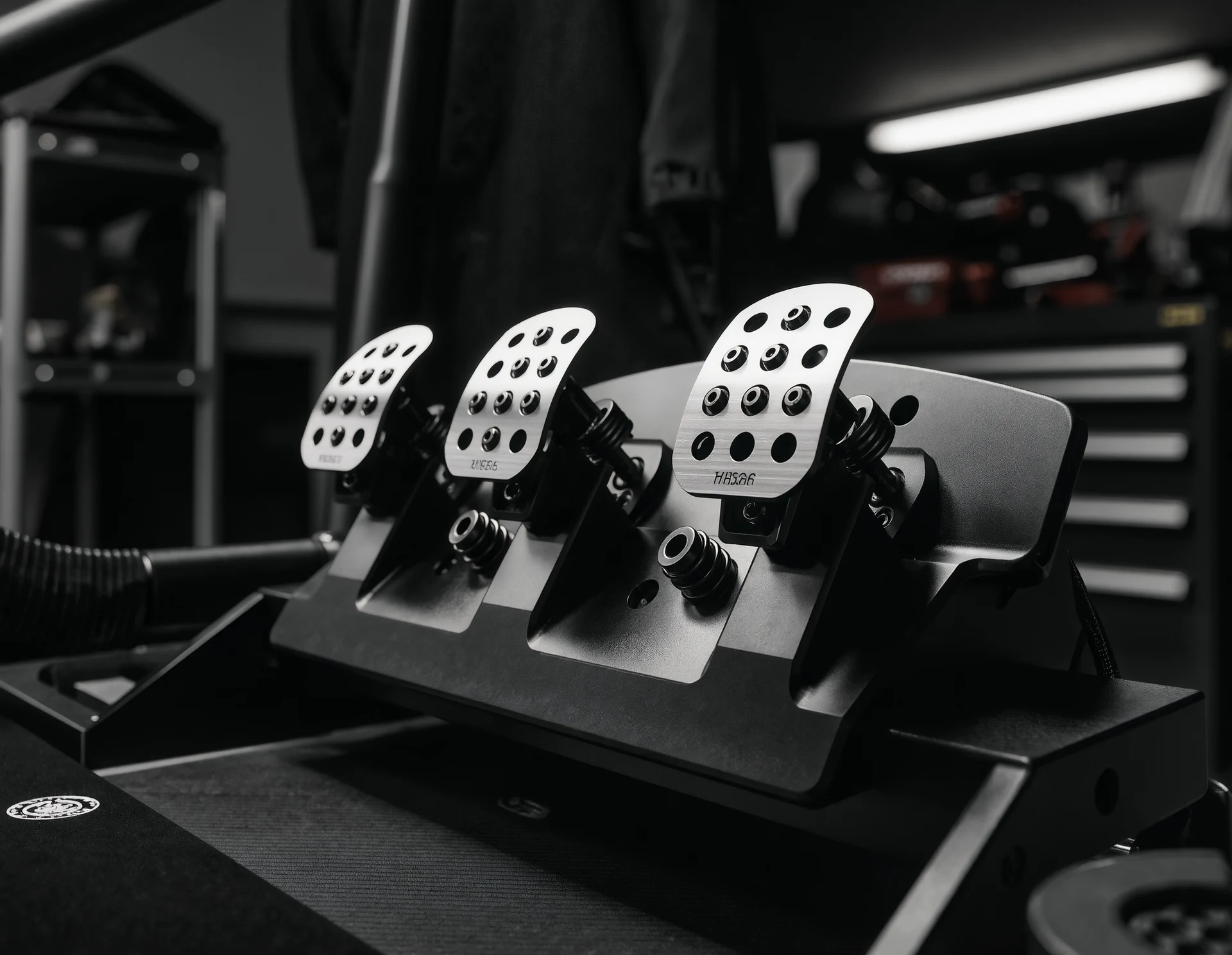
So, you’re wondering how a cockpit can enhance your load cell pedals? Simply put, a solid cockpit provides the stability and adjustability crucial for truly harnessing the power of load cell pedals. Without a firm foundation, your sophisticated pedals are like a high-performance engine in a wobbly chassis, you’re just not getting the full potential out of them. A cockpit allows you to brace yourself and apply consistent force, translating to better braking control and more accurate lap times. Let’s dive into why this matters and how to get the most out of your setup.
If you’ve ever tried to slam the brakes on an office chair or a flimsy desk, you know the feeling. Your body moves, the chair moves, the pedals move, everything is working against you. This isn’t just uncomfortable; it’s a huge barrier to precision.
The Problem with Instability
When your pedal set isn’t rigidly mounted, or your seat isn’t firmly planted, every ounce of force you apply to your load cell brake is partially absorbed by movement. This means:
- Inconsistent Braking: You might think you’re applying 50kg of force, but a portion of that is spent pushing your body back or flexing your setup. This leads to wildly inconsistent braking points and lockups.
- Reduced Feedback: Load cell pedals are all about tactile feedback. If your whole rig is shifting, you’re not feeling the nuances of the pedal travel or the pressure you’re applying.
- Fatigue and Frustration: Constantly having to brace yourself or fight against a wobbly setup is exhausting. This fatigue directly impacts your focus and ultimately, your performance and enjoyment.
- Increased Wear and Tear: While not a critical factor for most home setups, excessive movement can put undue stress on mounting points and components over time.
How a Cockpit Breaks the Cycle
A robust cockpit eliminates this flex. When you press the brake, your body is firmly planted, the seat doesn’t budge, and the pedals stay exactly where they are. All that force goes directly into the pedal, giving you:
- Pure Force Application: 100% of your input goes to the load cell, allowing for ultra-consistent and repeatable braking.
- Enhanced Muscle Memory: With true consistency, your brain and muscles can learn to apply the exact amount of force needed for specific braking zones. This is the holy grail of sim racing.
- Superior Feedback: You feel every nuance of the pedal, allowing you to modulate braking with incredible precision.
- Reduced Fatigue: No more fighting your gear. You can focus entirely on the driving, leading to longer, more enjoyable, and more productive sessions.
Anatomy of a Stable Cockpit: Key Features for Load Cells
Not all cockpits are created equal, especially when load cell pedals are in the picture. Here’s what you should prioritize.
Rock-Solid Pedal Deck
This is non-negotiable. Your pedal deck needs to be incredibly rigid and ideally, adjustable.
- No Flex Materials: Avoid thin metal sheets or plastics that can bend under pressure. Aluminum profiles (80/20 style), thick steel, or very robust wood constructions are ideal.
- Secure Mounting: Your pedals shouldn’t just sit on the deck; they should be bolted down with multiple bolts. This prevents any lifting or shifting during heavy braking. T-slot nuts and bolts for aluminum profile rigs or direct drilling for others are common methods.
- Angle and Distance Adjustment: The ability to fine-tune the pedal angle and distance from your seat is crucial for ergonomic comfort and optimal force application. You want to be able to push into the pedal, not just down, allowing your whole leg to contribute to the braking force.
Sturdy Seat Mount and Rigid Seat
Your seat is half of the equation for stability. If your seat moves, your body moves.
- Direct Mounting: Seats should be bolted directly to the cockpit frame, not on office chair castors or flimsy rails. The more direct the connection, the less flex.
- Solid Seat Frame: Just like your pedal deck, the seat frame needs to be robust. Aluminum profile rigs shine here, offering strong mounting points for racing seats.
- Appropriate Seat Type: A proper bucket seat or a stiff recliner-style racing seat is far better than a general office chair. These seats hold you firmly in place, preventing your body from shifting during braking. Fabric flex on some seats can also be a minor factor, so a seat with firm bolsters is preferable.
Minimal Frame Flex
The overall structure of the cockpit itself plays a huge role.
- Robust Materials: Again, aluminum profiles (40x40mm or thicker for pedal/seat sections, 80x40mm or 80x80mm for base frames), heavy-gauge steel, or purpose-built wooden designs are best. Skip anything that feels light or flimsy.
- Reinforcement: Look for designs with adequate cross-bracing, especially around the pedal deck and seat mounting points. Gussets or corner brackets can significantly improve rigidity in aluminum profile setups.
- Footprint and Weight: A wider, heavier footprint generally correlates with better stability. The more mass your cockpit has, the harder it is to move, even slightly.
Optimizing Your Seating Position: The Ergonomics of Braking
Getting your body position right isn’t just about comfort; it’s about maximizing your braking potential.
The Right Distance and Angle
This is highly personal, but some general principles apply.
- Slight Bend in Knees: When your foot is fully on the brake pedal, your knee should have a slight bend, not locked out, but not overly bent either. This allows for optimal leverage and comfort.
- Hip Angle: Your hips should be at a comfortable angle, allowing you to push forwards with your whole leg, not just your ankle. A common mistake is having the pedals too far away, forcing you to stretch uncomfortably. Too close, and you’re cramped.
- Pedal Angle: Experiment with the angle of your pedal set. Some people prefer a more upright, F1-style angle, while others prefer a more reclined GT-style. The goal is to find an angle where your foot naturally rests on the pedal and you can apply force efficiently. The adjustability of many pedal decks (especially on aluminum profile rigs) is invaluable here.
The Role of Body Bracing
With a stable cockpit, you can use your body more effectively to apply brake force.
- Against the Seat Back: Your upper body should be braced against the seat back. This helps transfer the force from your legs directly into the pedals without your torso lurching forward.
- Foot on the Dead Pedal/Clutch: While not directly pressing, using your left foot on a dead pedal (if present) or the clutch pedal on a 2-pedal setup can subtly help brace your body and provide additional stability. It creates a counter-force point.
- Core Engagement: While not as overt as bracing against a seat, engaging your core muscles subtly helps maintain a stable posture and allows for more precise leg movements.
Steering Wheel Position
While not directly related to pedal force, your steering wheel position impacts your overall posture and comfort, which in turn affects your ability to brake consistently.
- Clearance and Comfort: Ensure the steering wheel doesn’t impede your leg movement to the pedals.
- Ergonomics: Your arms should have a slight bend at the elbows when holding the wheel, similar to the knee bend. This prevents fatigue and allows for quick, precise steering inputs. A comfortable and sustainable steering position indirectly contributes to better pedal control by reducing overall body strain.
Beyond Stability: Other Cockpit Benefits
While stability for load cells is a primary driver, a good cockpit offers a host of other advantages that enhance your overall sim racing experience.
Immersion Factor
A purpose-built cockpit significantly boosts immersion, making you feel more like you’re in a real car.
- Dedicated Space: Having a dedicated sim racing setup mentally separates it from a regular desk or gaming station.
- Integrated Gear: When your wheel, pedals, and shifter are all perfectly aligned and mounted, it creates a cohesive and realistic driving environment.
- Eliminating Distractions: No more wobbly gaming chairs, shifting pedal plates, or monitors at awkward angles. Everything is designed for the singular purpose of racing.
Upgrade Path and Modularity
High-quality cockpits, especially aluminum profile rigs, offer incredible flexibility for future enhancements.
- Easy Upgrades: Want to add a handbrake, sequential shifter, button box, or even motion actuators? Aluminum profile rigs are designed for easy integration of new components.
- Customization: You can adjust virtually every aspect of the cockpit, wheel height, pedal distance, seat position, monitor stand, to perfectly suit your needs. This makes it a long-term investment.
- Wide Compatibility: Most reputable cockpit brands are designed to be compatible with a wide range of popular sim racing hardware from different manufacturers.
Aesthetics and Organization
Let’s face it, a well-put-together cockpit just looks better than a jumble of gear.
- Clean Setup: A cockpit usually includes cable management solutions, helping to keep your racing area tidy and free of tangled wires.
- Impressive Look: A dedicated cockpit gives your sim racing setup a professional and enthusiast-level appearance. It’s a statement piece.
- Space Optimization: While they take up space, cockpits often allow for better organization of your gear within their footprint.
Choosing the Right Cockpit: What to Look For
With so many options out there, how do you pick the right one for your load cell pedals?
Budget vs. Performance
This is often the primary constraint.
- Entry-Level (Under $400): Often wheel stands evolve into basic cockpits. While better than nothing, they might still have some flex, especially with heavy load cells. Look for steel construction and good reviews on stability. Examples: Playseat Challenge (with mods for rigidity), some basic GTracing style rigs.
- Mid-Range ($400 – $800): This is where you start seeing serious gains. Steel tube cockpits like the GT Omega ART/Prime or some entry-level aluminum profile rigs (e.g. Trak Racer TR80 Lite, sim-lab P1X concept) fall into this category. These offer much better rigidity.
- High-End ($800+): Dominated by robust aluminum profile rigs (e.g. Sim-Lab P1X, Trak Racer TR160, RigMetal, 4Play Racing). These are virtually flex-free, highly adjustable, and offer the best upgrade paths. If you’re serious about load cells and long-term sim racing, this is the ideal category.
Materials and Build Quality
As discussed, rigidity is paramount.
- Aluminum Profile (80/20): The gold standard for rigidity, adjustability, and modularity. Look for thicker profiles, especially for the base and pedal deck (80x40mm or 80x80mm).
- Heavy Gauge Steel Tubing: Can also provide excellent rigidity if designed well. Check for tubing diameter and wall thickness. Welds should be clean and strong.
- Wood: DIY wood cockpits can be incredibly effective if designed and built correctly with thick, structural lumber. However, they require time, tools, and some carpentry skill.
Adjustability
The more ways you can adjust the better, especially for ergonomics.
- Pedal Deck: Angle, height, and distance adjustment.
- Seat: Forward/back, height (if possible), and ideally tilt.
- Wheel Deck: Height, distance, and angle.
- Monitor Mount (Optional): Integrated or separate, but essential for proper FOV and immersion.
Manufacturer Reputation and Community Support
- Reviews: Read user reviews, particularly from people using load cell pedals.
- Forums and Social Media: Check dedicated sim racing forums (e.g. RaceDepartment, Reddit r/simracing) for discussions on specific cockpits and their suitability for load cells.
- Part Availability: If you go with an aluminum profile rig, knowing that spare parts or additional profiles are easily sourced is a plus.
Integration with Existing Gear
Make sure the cockpit you choose will properly mount your current wheel, pedals, and shifter. Most reputable brands offer wide compatibility, but it’s always good to double-check. Don’t assume all “universal” mounts will work perfectly; sometimes you need manufacturer-specific plates.
In conclusion, a well-chosen and properly set up cockpit is not just a luxury for load cell pedal users; it’s a fundamental requirement. It unlocks the true potential of your high-precision pedals by giving them the stable platform they need to perform consistently. By investing in a rigid, adjustable, and ergonomically sound cockpit, you’re not just buying a frame; you’re investing in accuracy, consistency, endurance, and ultimately, a far more enjoyable and competitive sim racing experience.
FAQs
What is a cockpit for load cell pedals?
A cockpit for load cell pedals is a specialized setup designed to provide a realistic and immersive experience for racing simulation enthusiasts. It typically includes a seat, pedal mount, and wheel stand, all of which are adjustable to accommodate different body types and preferences.What are load cell pedals?
Load cell pedals are a type of racing simulator pedals that use load cell technology to measure the pressure applied by the user’s foot. This allows for more precise and realistic control over braking and acceleration in racing simulations, compared to traditional potentiometer-based pedals.What are the benefits of using a cockpit for load cell pedals?
Using a cockpit for load cell pedals can enhance the overall racing simulation experience by providing a more realistic and immersive environment. The adjustable nature of the cockpit allows for a comfortable and ergonomic setup, while the load cell pedals offer more accurate and responsive control over braking and acceleration.What are some features to look for in a cockpit for load cell pedals?
When choosing a cockpit for load cell pedals, it’s important to consider factors such as adjustability, build quality, compatibility with different racing simulator setups, and additional features such as integrated mounts for peripherals like shifters and handbrakes.Are cockpits for load cell pedals compatible with different racing simulator setups?
Yes, many cockpits for load cell pedals are designed to be compatible with a wide range of racing simulator setups, including different brands of racing wheels, pedals, and other peripherals. However, it’s important to check the compatibility of a specific cockpit with your existing setup before making a purchase.More from Cockpits & Rigs
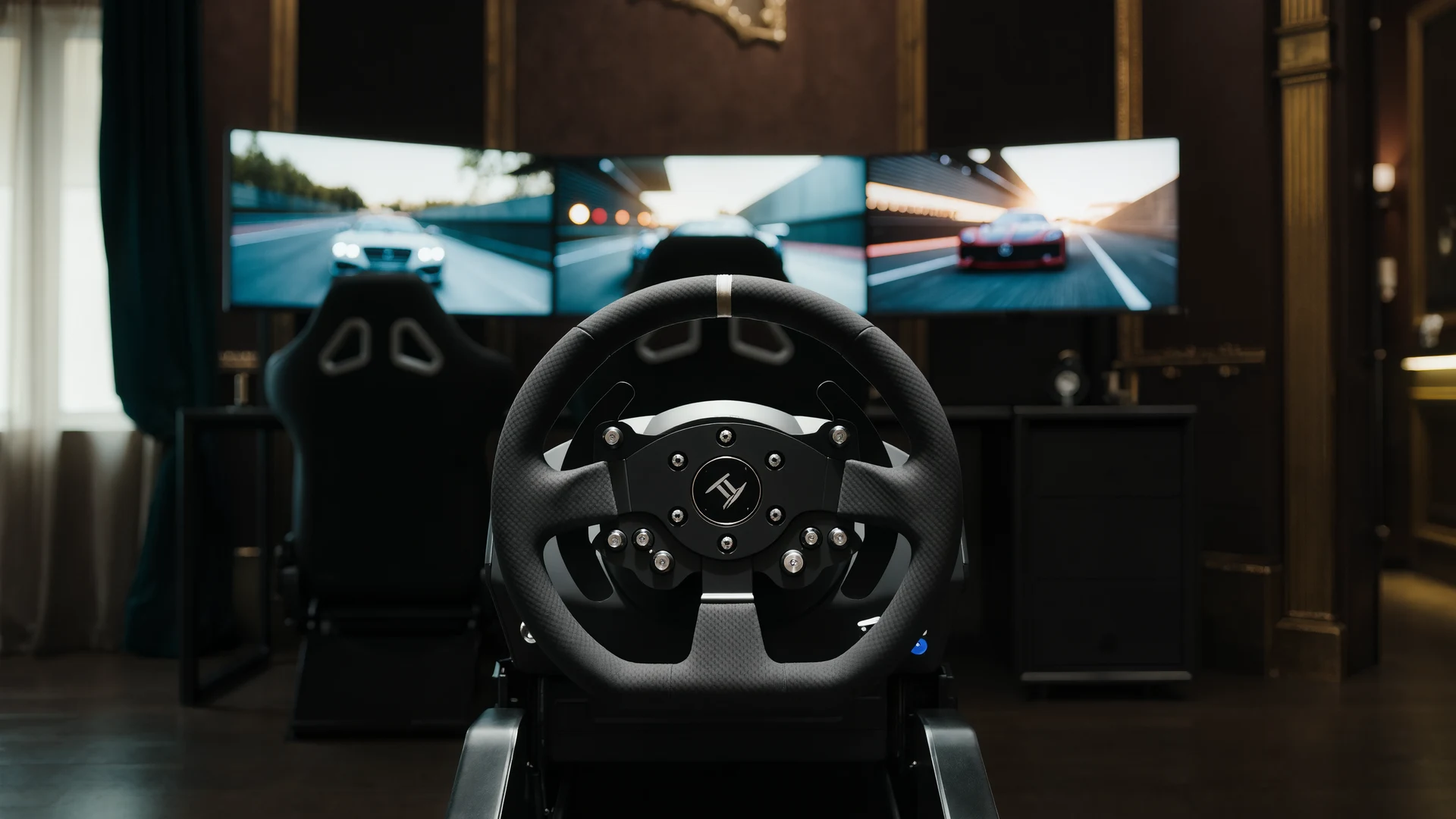
Sim Racing VR vs Triples Guide
VR vs triple monitors for sim racing in 2026: compare Quest 3, Pimax Crystal Light and triple 1440p setups on field of view, depth, comfort, cost and …
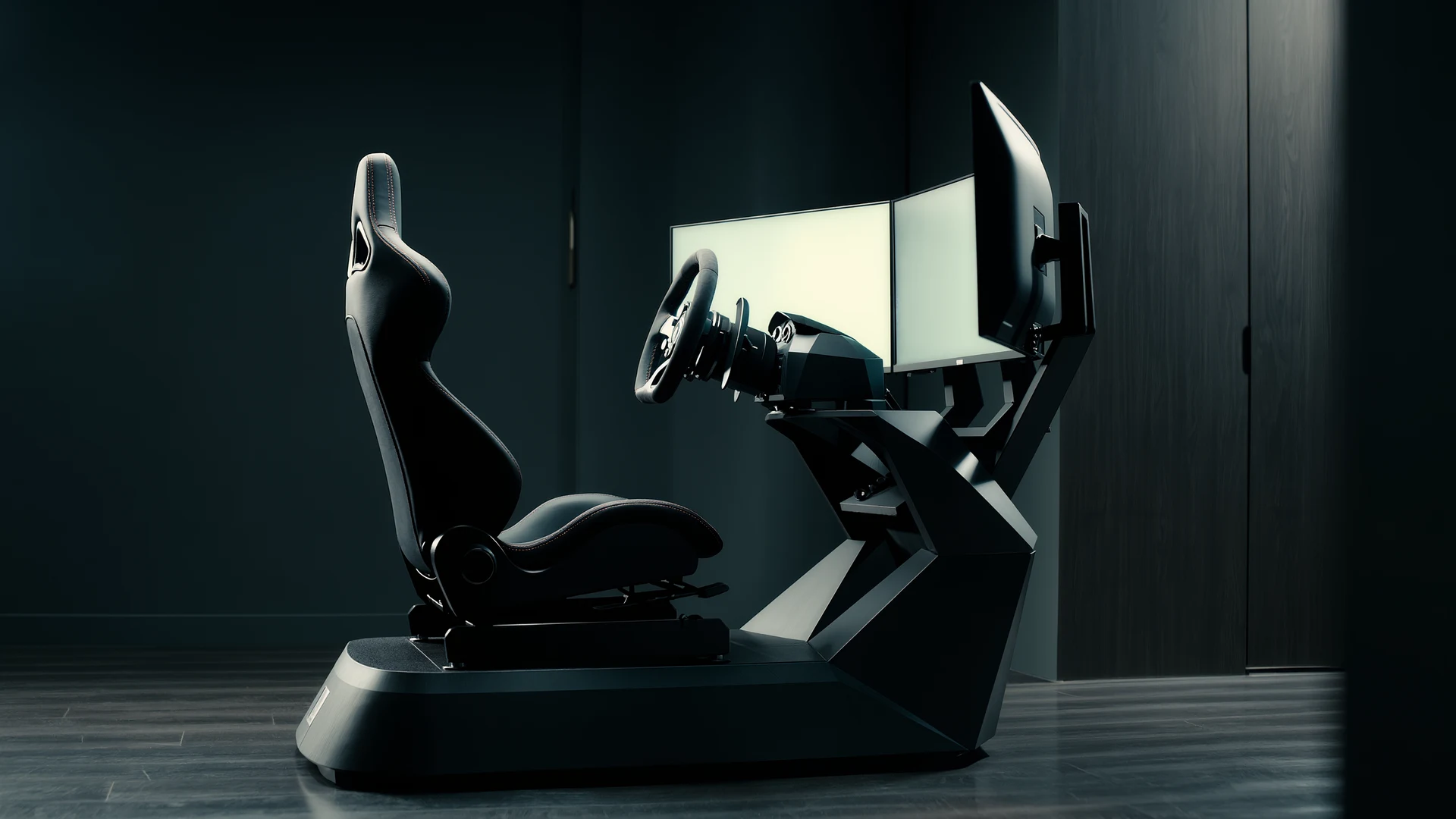
Sim Racing Motion Platforms Guide
Sim racing motion platforms guide: compare seat movers, chassis movers, D-BOX, PT Actuator, and bass shakers, with prices from $150 to $20,000-plus an…

Sim Racing Cockpit Setup Guide
Sim racing cockpit setup guide: compare folding rigs, wheel stands, full cockpits and aluminum profile, plus seats, ergonomics and field-of-view tips.…