Immerse Yourself in the Ultimate GT Style Cockpit Experience
So, you’re looking to dial up the immersion in your sim racing or gaming setup? Great! The “ultimate GT style cockpit experience” is all about creating a space th…
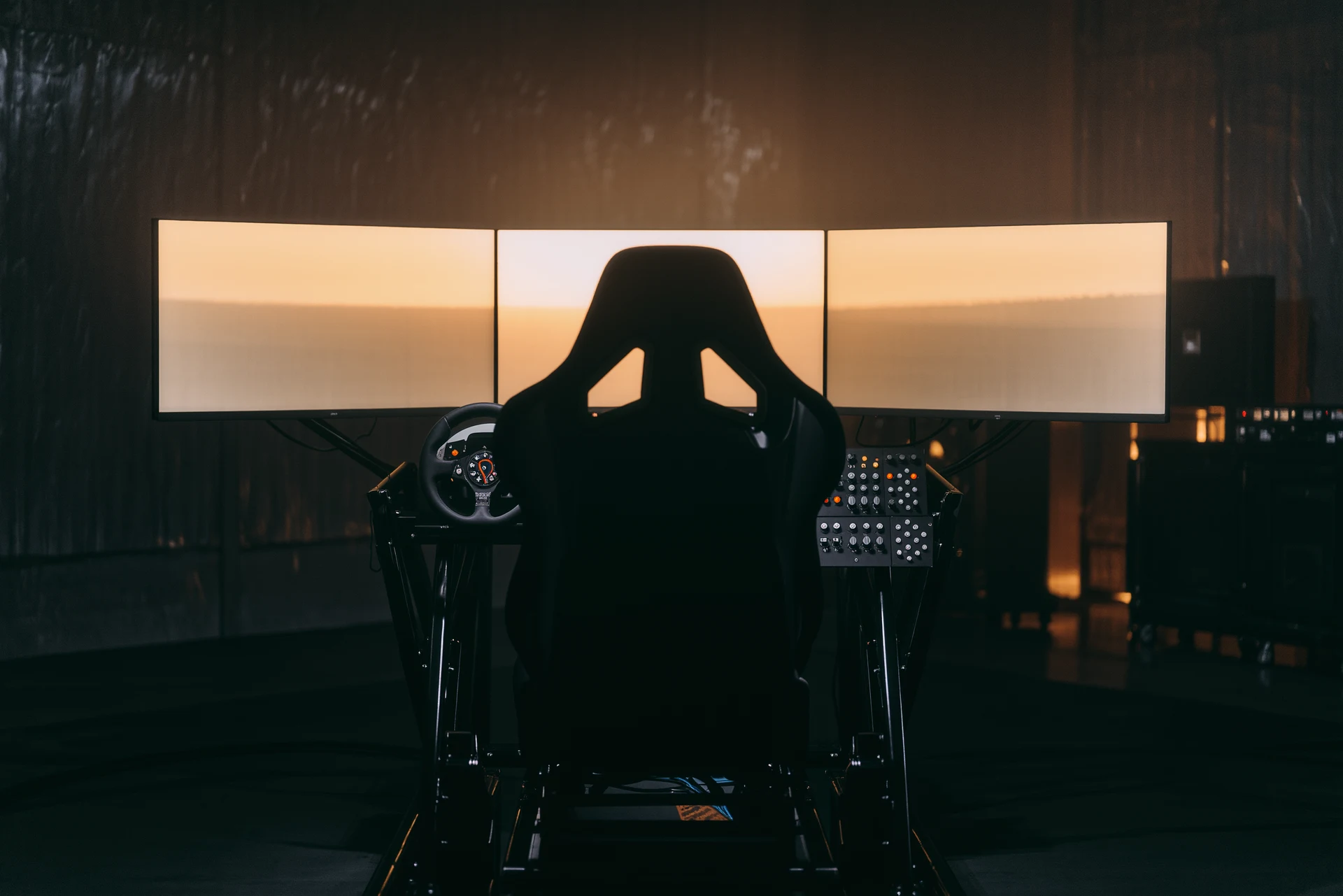
So, you’re looking to dial up the immersion in your sim racing or gaming setup? Great! The “ultimate GT style cockpit experience” is all about creating a space that genuinely feels like you’re behind the wheel of a high-performance racing machine. It’s not just about having the gear; it’s about how it all comes together to trick your senses into believing you’re on track. Let’s break down what that really means and how you can achieve it.
At its heart, a GT cockpit aims to replicate the focused, ergonomic environment of a real GT race car. This means prioritizing driver comfort, control, and sensory feedback. It’s a dedicated space where you can lose yourself in the digital (or simulated) asphalt.
The Foundation: The Rig Itself
The rig is your chassis, the central piece that holds everything together. For a true GT feel, think about a dedicated racing cockpit rather than a repurposed office chair and desk. These are designed from the ground up for sim racing.
Types of Rigs:
- Entry-Level Cockpits: These are often more budget-friendly and might be foldable for easier storage. They offer a significant upgrade over a desk-based setup, providing a fixed position for your wheel and pedals. While not as robust, they’re a solid starting point for GT immersion.
- Mid-Range Aluminium Profile Rigs: This is where things start to get serious. Aluminium profile rigs (think 80/20 extrusion) offer incredible adjustability and rigidity. You can customize them to perfectly fit your body and desired seating position, mimicking a real GT car’s driver’s seat. They’re also highly scalable, allowing you to add more components later.
- High-End Motion Rigs: For the absolute ultimate in immersion, motion rigs are the pinnacle. They physically move and tilt to replicate acceleration, braking, G-forces, and track imperfections. While expensive, they blur the line between simulation and reality dramatically.
Key Considerations for the Rig:
- Material and Rigidity: A solid, creak-free rig is non-negotiable. Any flex or wobble will detract from the realism. Aluminium profiles are the gold standard here due to their strength and adjustability.
- Adjustability: The ability to fine-tune seat position, pedal height and angle, and wheel mounting is crucial for ergonomic comfort and realism. You want to achieve a driving posture that feels natural and sustainable for long sessions.
- Compatibility: Ensure the rig can accommodate your chosen wheel, pedals, and shifter if you plan on using one.
The Driving Controls: What You Touch
This is where your interaction with the simulation happens. The quality and feel of your wheel, pedals, and shifter have a massive impact on realism.
Steering Wheels:
The wheel is your primary point of contact. For a GT experience, you’re looking for something that offers accurate force feedback and a realistic grip.
- Rim Diameter: GT cars often have smaller, more compact steering wheels than their road-going counterparts. Aim for a wheel rim around 270-330mm in diameter. This feels more like a performance vehicle.
- Material and Grip: Alcantara or a high-quality rubber grip provides authentic feel and prevents your hands from slipping during intense moments.
- Force Feedback (FFB): This is paramount. Good FFB communicates what the car is doing, tire grip, road surface, weight transfer. Direct drive wheels offer the most precise and powerful FFB, while belt-driven and gear-driven wheels can still provide an excellent experience.
- Button Layout and Shifters: Many GT-style wheels incorporate paddle shifters, often on a dual-clutch system, and a variety of buttons for in-game functions. This mirrors a real race car’s steering wheel.
Pedals:
Pedals are your connection to acceleration, braking, and clutch. For GT immersion, you need precision and a realistic feel, especially for braking.
- Load Cell Brakes: This is the single most impactful upgrade for pedal realism. Instead of measuring pedal travel, load cell pedals measure the force you apply. This allows for much finer control and better modulation, just like in a real car where you press harder to brake harder.
- Adjustability: The ability to adjust the feel (stiffness, travel) of the throttle and clutch, and crucially, the brake, is important. Some pedals allow you to tune the resistance and even the brake pedal travel.
- Material and Construction: Sim racing pedals are usually made of sturdy metal. Look for a well-built set that won’t flex under pressure.
- Heel-and-Toe: The spatial arrangement of pedals can also impact your ability to perform advanced techniques like heel-and-toe downshifting. Ensure they are positioned comfortably for your driving style.
Shifters (Optional but Recommended for Realism):
While many GT cars use paddle shifters exclusively, a manual H-pattern shifter can add another layer of tactile engagement for certain simulations or if you enjoy driving older GT cars or muscle cars in a GT style.
The Visuals: Seeing the Track
Your display setup is what pulls you into the simulation. For a GT cockpit, the goal is to maximize your field of vision and create a sense of depth and presence.
Monitor Configurations:
- Single Ultrawide Monitor: This is a popular choice for a balance of immersion and simplicity. An ultrawide (21:9 or 32:9 aspect ratio) significantly increases your peripheral vision compared to a standard 16:9 monitor, giving you a better sense of track width and car positioning.
- Triple Monitor Setup: This is the gold standard for maximum peripheral vision. Three monitors placed around your cockpit create a panoramic view that closely mimics a real car’s windshield. It significantly enhances spatial awareness.
- VR Headset: Virtual Reality offers unparalleled immersion by placing you directly inside the car. The sense of depth, scale, and presence is unmatched. However, it can have downsides like heat, motion sickness for some, and a potentially lower visual fidelity than high-end monitors depending on the headset.
Monitor Placement and Considerations:
- Eye-Level Mounting: Your monitor(s) should be positioned at or slightly below eye level, similar to where you’d look through a real car’s windshield. This prevents neck strain and enhances realism.
- Distance: The ideal distance for your monitor(s) is such that the edges of the screen fill your peripheral vision without you having to excessively move your head. For triples, this means the side screens wrap around you.
- Refresh Rate and Resolution: Higher refresh rates (120Hz and above) reduce motion blur, making fast on-track action appear smoother and more realistic. Higher resolutions (1440p, 4K) provide sharper details.
The Audio: Hearing the Machine
Sound is a crucial, often overlooked, element of immersion. The roar of an engine, the squeal of tires, the crackle of downshifts, these all contribute to the experience.
Speaker Placement and Types:
- Dedicated Sim Racing Speakers: Many cockpit manufacturers offer integrated speaker mounts or you can add your own. Placing speakers near your ears, pointing towards you, is key.
- High-Quality Stereo System: A good pair of bookshelf speakers or even a 2.1 system can provide a significant audio upgrade.
- Tactile Transducers (Buttkickers): These devices mount to your rig and translate low-frequency audio (engine vibrations, road rumble) into physical vibrations. They add a whole new dimension to the experience, making you feel the engine.
Sound Settings and Content:
- In-Game Audio: Ensure your sim racing game has high-quality audio assets. Pay attention to engine sounds, tire scrub, and impact noises.
- External Audio Software: Some users experiment with external audio software to enhance environmental sounds or engine notes, though this can be complex.
The Comfort and Ergonomics: Staying in the Race
You can have the most advanced hardware, but if you’re not comfortable, your immersion will be short-lived. GT race cars are designed for long stints, and your cockpit should be too.
Seating Position:
- Bucket Seat: A dedicated bucket seat, often found in mid-range to high-end rigs, provides excellent support and a snug fit, mimicking a race car seat. Look for one with good lumbar and thigh support.
- Recline and Adjustability: Even with a bucket seat, being able to adjust the recline angle is important for finding your optimal position to see the screen and reach controls comfortably.
- Footwell Space: Ensure you have enough room for your feet to comfortably operate the pedals without feeling cramped.
Ergonomic Considerations:
- Reach to Controls: Your steering wheel and shifter should be within easy reach without you having to overextend or strain.
- Visibility: As mentioned with displays, ensure your seating position allows a clear view of your monitors.
- Cooling: For long sessions, especially in warmer climates, consider fan placement to keep yourself cool. Some rigs have integrated fan mounts.
- Cable Management: While not directly related to immersion, keeping your cockpit tidy with good cable management reduces visual clutter and makes the experience more pleasant and professional.
Fine-Tuning for a True GT Feel
Beyond the core components, there are nuances that elevate a good sim rig to an exceptional GT cockpit experience.
Simulating the G-Forces
This is where things get exciting and can significantly ramp up the realism.
Motion Systems:
- Direct Drive Simulators: These are the most advanced and expensive. They use powerful actuators to move your entire rig, simulating heave, pitch, roll, and surge. The fidelity of these systems can be astounding, providing a visceral connection to acceleration, braking, and cornering forces.
- Haptic Feedback Systems: While not full motion, these systems use bass shakers and transducers to vibrate your seat and rig based on in-game events. They can simulate tire slip, engine vibrations, and impacts, adding a tactile layer to the experience.
What Motion Mimics:
- Acceleration and Braking: The “push and pull” of G-forces as you accelerate and brake.
- Cornering: The lateral forces that press you into the side of the seat during turns.
- Track Texture: Vibrations and jolts from driving over curbs, bumps, or painted lines.
- Collisions and Impacts: The jarring sensation of contact.
Visual Fidelity and Immersion Elements
The visual aspect is more than just having a big screen.
Graphics Settings:
- Realistic Lighting and Shadows: Maximize these settings in your sim racer. Good lighting and shadows are crucial for judging braking points and understanding the track environment.
- Post-Processing Effects: While some like clean visuals, effects like subtle motion blur (on the wheel, not the track) and depth of field can actually enhance realism.
- High-Quality Assetto Corsa: Whether it’s the car models, track textures, or environmental details, high-quality assets make a difference. Look for sims and mods that prioritize visual fidelity.
VR Specifics:
- Resolution and Refresh Rate: Higher resolution and refresh rates in VR headsets are crucial for reducing the “screen door effect” and improving clarity.
- FOV Optimization: For VR, ensuring your field of view is correctly set within the headset and simulation is key to avoiding a tunnel-vision effect.
The Audio Experience: Beyond Engine Roar
The sound design of your sim is paramount for GT immersion.
Engine Notes:
- Authentic Sound Samples: The quality of the car’s engine sound sample is vital. A poorly sampled engine can instantly break immersion. Many sims boast highly accurate engine sounds recorded from real cars.
- Dynamic Soundscapes: Good sim audio will dynamically change engine volume based on throttle input, gear selection, and RPM.
Tire and Chassis Sounds:
- Tire Scrub and Slip: The subtle (or not-so-subtle) sounds of tires losing grip are critical for understanding your car’s limits.
- Chassis Flex and Resonance: The creaks, groans, and vibrations of the car’s chassis under stress can provide additional feedback.
- Suspension Noise: The sounds of your suspension working over bumps and curbs add to the realism.
Software and Settings: The Inner Workings
The software you use and how you configure it plays a significant role.
Simulators:
- Choice of Sim: Different simulators excel in different areas. For GT racing, titles known for their accurate physics and car handling often include Assetto Corsa, iRacing, rFactor 2, and Dirt Rally 2.0 (for certain rally-GT hybrids).
- Car and Track Selection: Focus on accurately modeled GT cars and circuits for the most authentic experience.
Wheel and Pedal Software:
- Force Feedback Tuning: This is an art. You’ll want to tune your FFB to feel the subtle shifts in grip, weight transfer, and the texture of the track, without the wheel feeling too heavy or clipping (losing detail due to FFB clipping).
- Dead Zones and Sensitivity: Set these for your pedals to ensure smooth acceleration and precise braking control. Loading cell pedals often require minimal dead zones.
The Dashboard and Information Display
Real GT cars have extensive dashboards. Mimicking this can enhance immersion.
Dashboards and HUDs:
- Integrated Dash Displays: Some modern steering wheels come with small, integrated LCD screens that can display telemetry data, lap times, and other driver information, mimicking a real GT car’s dashboard.
- External Dashboards/Tablets: Using a separate tablet or monitor running specialized software can display incredibly detailed telemetry, rivaling that of real race cars. This can include tire temperatures, brake bias, fuel levels, and more.
- In-Game HUD Customization: While not as authentic as physical dashes, many games allow you to customize your on-screen Heads-Up Display (HUD) to show key information. For the ultimate GT cockpit, minimizing the HUD and relying on physical displays or VR is often preferred.
Telemetry Data:
- Understanding Data: Learning to read and utilize telemetry data (even a basic understanding of tire temps and pressures) can improve your driving and add a layer of realistic preparation often associated with professional racing.
Putting It All Together: The Synergistic Experience
The true “ultimate GT style cockpit experience” comes from the synergy of all these elements. It’s when your eyes see the apex, your hands feel the road through the wheel, your feet modulate the brakes with precision, and your ears interpret the symphony of the race.
The Feedback Loop:
- Visual to Tactile: You see a corner approaching, you anticipate the G-forces, and your body prepares for the turn.
- Tactile to Visual: You feel the tires losing grip through the wheel and pedals, prompting you to react visually and adjust your inputs.
- Audio Cues: You hear the engine revving just right for the gear, or the distinct sound of tire scrub, providing crucial information.
The Goal: Suspension of Disbelief
Ultimately, the aim is to achieve a “suspension of disbelief.” When you can sit in your cockpit, strap in, and for moments at a time, forget you’re in your living room or office. You’re on the Mulsanne Straight, you’re battling for the lead at Spa, you’re feeling the car communicate every nuance of its behaviour.
Gradual Upgrades vs. All-In
It’s important to note that you don’t need to go all-in on the most expensive gear from day one. The beauty of sim racing is its scalability.
- Start with Fundamentals: A good rig and a solid set of load cell pedals can make a massive difference even with a less premium wheel.
- Prioritize Impact: Think about which component will give you the biggest leap in realism for your budget. For many, that’s the pedals.
- Upgrade Path: Plan your upgrades. Perhaps you start with a belt-driven wheel and later upgrade to direct drive. Or you begin with a single ultrawide and eventually invest in triples.
Beyond the Hardware: Practice and Mindset
Even the most advanced cockpit won’t magically make you a faster or more immersed driver.
- Consistent Practice: Spend time in your chosen sim, learning the cars and tracks.
- Driver Coaching: Consider using in-game telemetry tools or even external coaching to understand your driving and how to improve it.
- Mental Focus: The ability to stay focused and react to the information your simulated car is giving you is key to true immersion.
Building an ultimate GT style cockpit experience is a journey, not a destination. It’s about thoughtfully integrating components that work together to deceive your senses into believing you’re truly in the driver’s seat. It’s about the tactile feedback, the visual immersion, and the auditory cues that combine to create a palpable sense of presence. When you get it right, the racing becomes less of a game and more of an experience.
FAQs
What is a GT style cockpit?
A GT style cockpit is a type of racing simulator setup that is designed to mimic the seating position and controls of a real GT (Grand Touring) car. It typically includes a racing seat, steering wheel, pedals, and a monitor or VR headset for an immersive driving experience.What are the key features of a GT style cockpit?
Key features of a GT style cockpit include a comfortable and adjustable racing seat, a sturdy frame to mount the steering wheel and pedals, a realistic steering wheel with force feedback, and a platform for mounting a monitor or VR headset. Some setups may also include additional accessories such as a shifter and handbrake.How does a GT style cockpit enhance the racing experience?
A GT style cockpit enhances the racing experience by providing a more realistic and immersive environment for simulating the driving of a GT car. The seating position and controls closely mimic those of a real car, allowing for better ergonomics and improved control during virtual races.What are the benefits of using a GT style cockpit for racing simulations?
The benefits of using a GT style cockpit for racing simulations include improved comfort and ergonomics, enhanced realism and immersion, better control and precision during races, and the ability to practice and improve driving skills in a realistic environment.Are GT style cockpits compatible with different racing simulation platforms?
Yes, GT style cockpits are designed to be compatible with a wide range of racing simulation platforms, including popular PC-based racing games, console racing titles, and virtual reality racing experiences. They can be used with various steering wheel and pedal setups to accommodate different gaming systems.More from Cockpits & Rigs
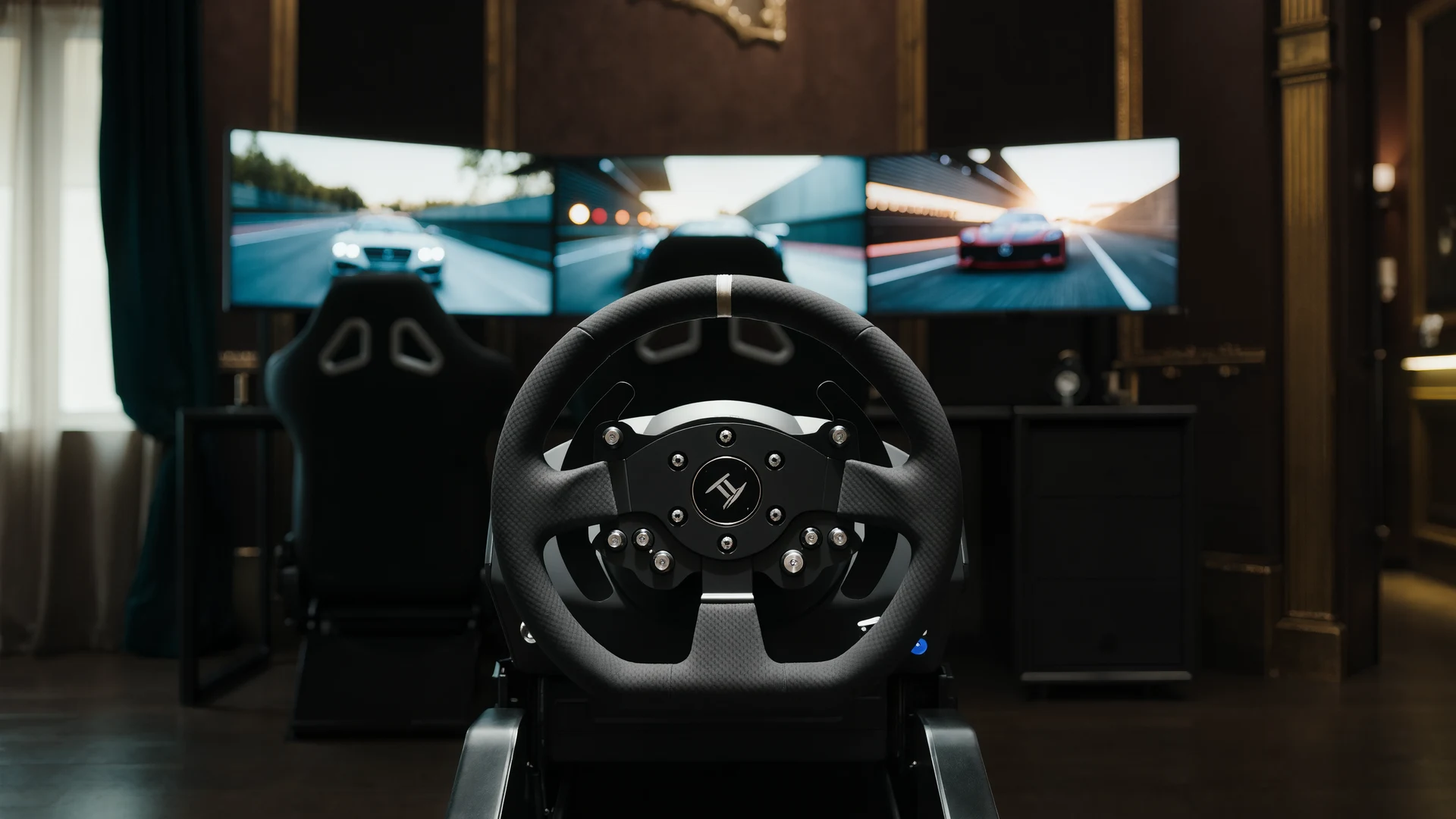
Sim Racing VR vs Triples Guide
VR vs triple monitors for sim racing in 2026: compare Quest 3, Pimax Crystal Light and triple 1440p setups on field of view, depth, comfort, cost and …
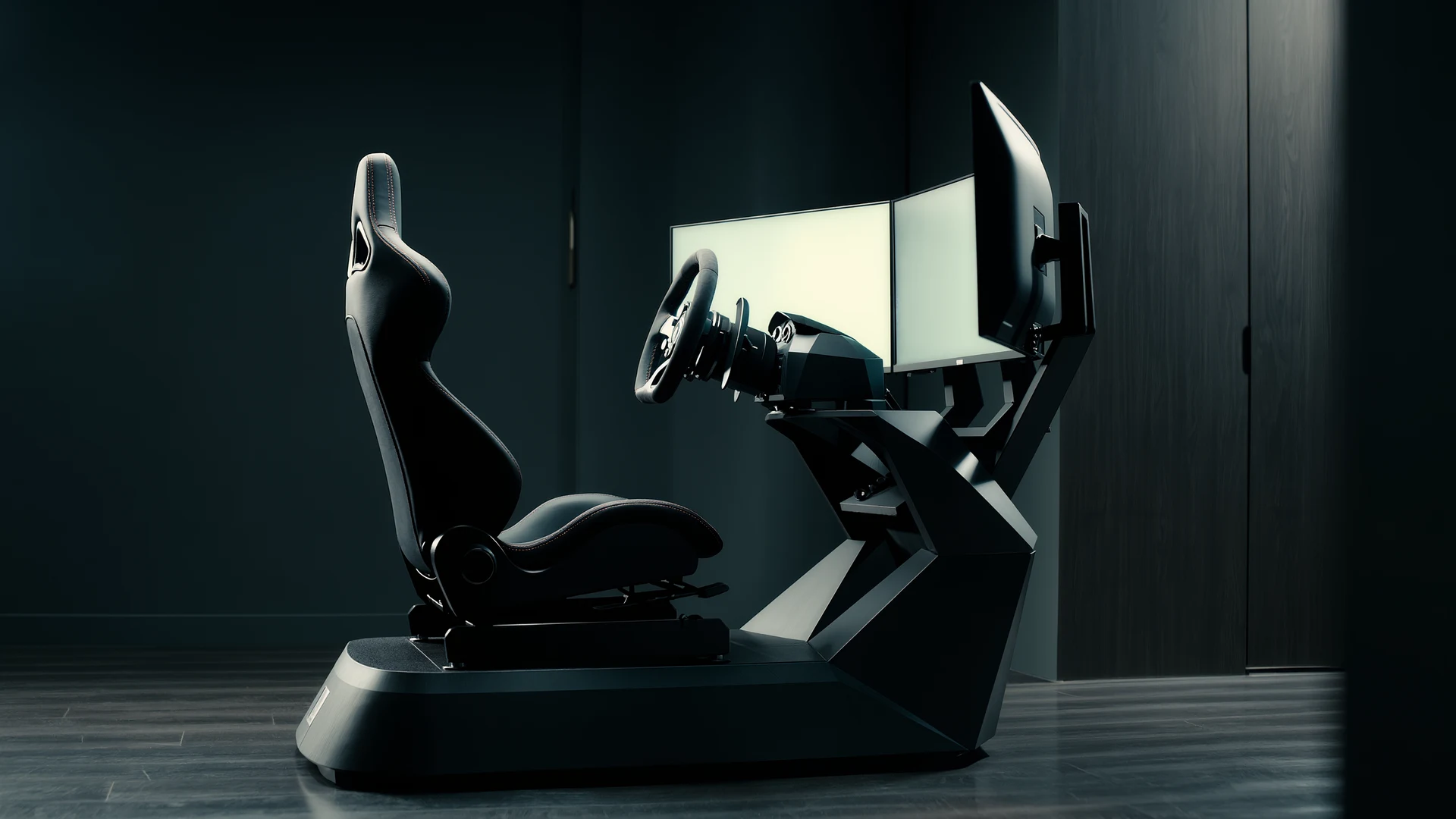
Sim Racing Motion Platforms Guide
Sim racing motion platforms guide: compare seat movers, chassis movers, D-BOX, PT Actuator, and bass shakers, with prices from $150 to $20,000-plus an…
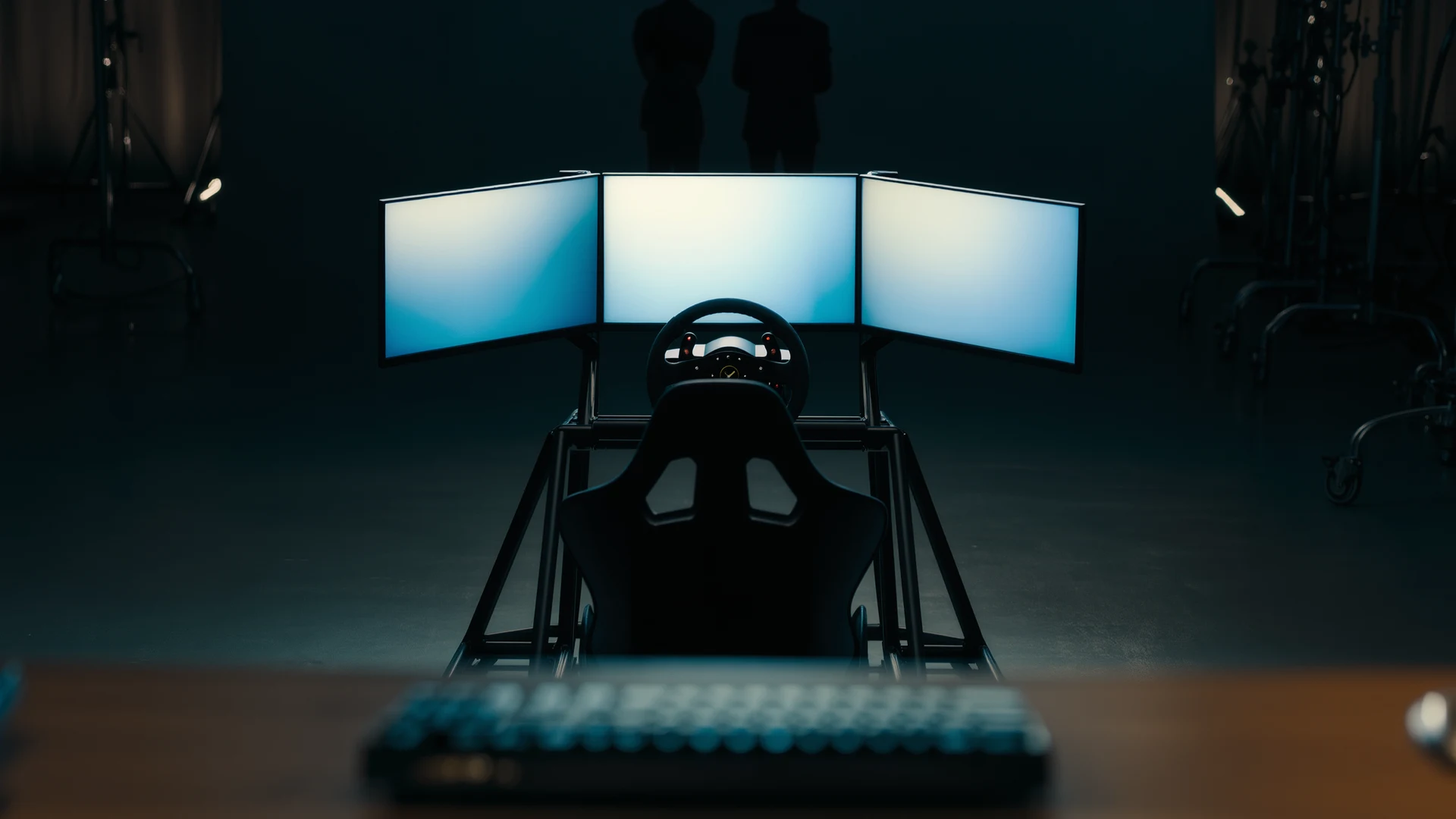
Sim Racing Cockpit Setup Guide
Sim racing cockpit setup guide: compare folding rigs, wheel stands, full cockpits and aluminum profile, plus seats, ergonomics and field-of-view tips.…