Level Up Your Racing Game with an Entry Level Sim Rig
Thinking about getting into sim racing and wondering if an entry-level rig is worth it? The short answer is a resounding yes. While you don’t need to drop thousands to start …
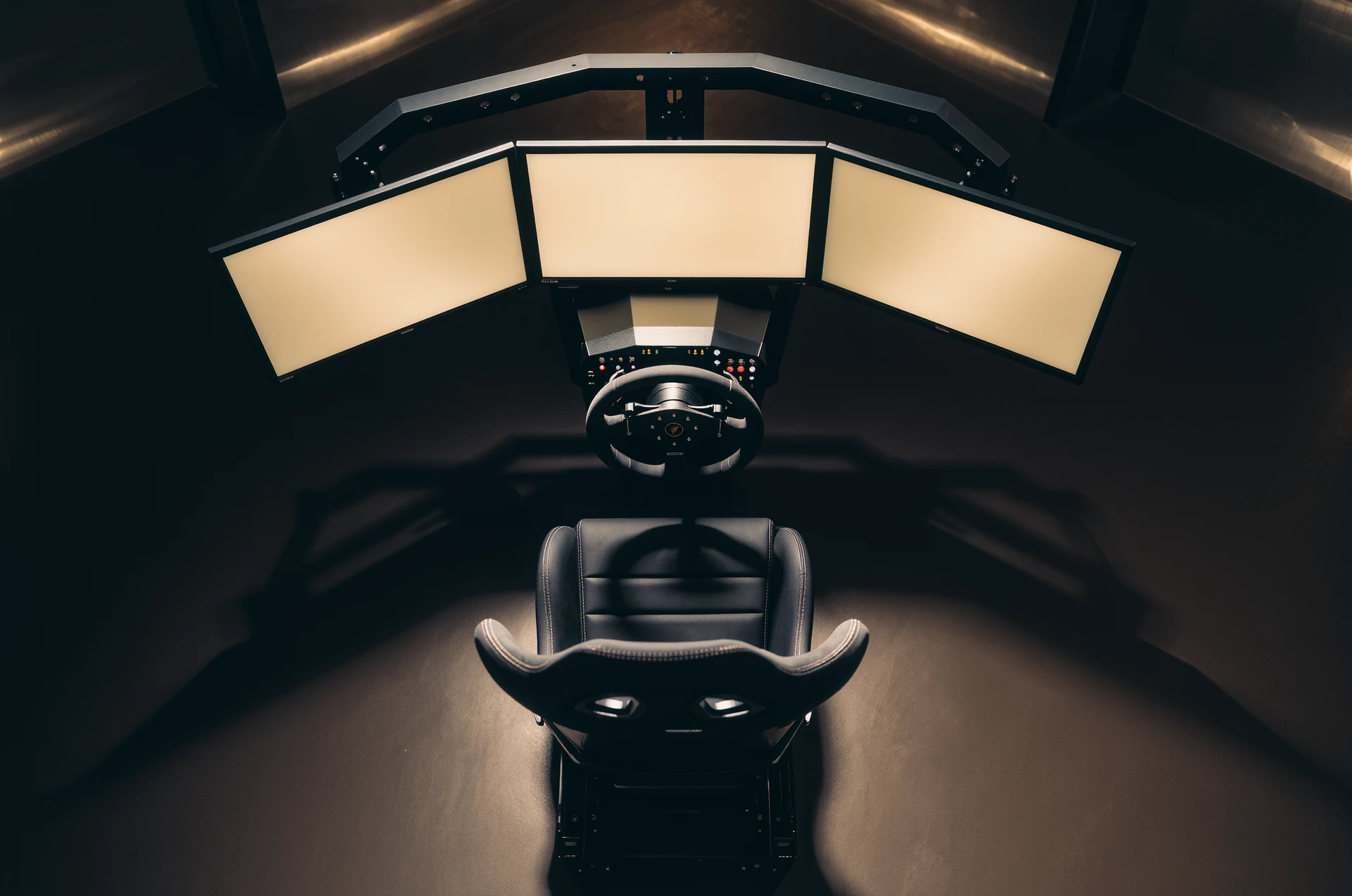
Thinking about getting into sim racing and wondering if an entry-level rig is worth it? The short answer is a resounding yes. While you don’t need to drop thousands to start feeling like you’re on the track, an entry-level sim rig can genuinely elevate your racing experience in ways that a basic wheel and pedal set on your desk just can’t. It’s about immersion, control, and ultimately, faster lap times. Let’s break down what makes it a game-changer without breaking the bank.
Forget those multi-million dollar professional setups you see on YouTube. An entry-level sim rig is essentially a dedicated, often adjustable seating solution that firmly mounts your wheel and pedals. Think of it as a more serious upgrade from just plonking a wheel on your desk. It’s designed to offer a more stable, comfortable, and consistent racing position.
The Core Components
At its most basic, an entry-level rig usually consists of three main parts:
- The Cockpit/Chassis: This is the frame that holds everything. It’s designed to be sturdy and often adjustable so you can find your ideal driving position.
- Wheel Mount: A dedicated spot to securely attach your steering wheel. This is crucial for preventing wobble and ensuring precise movements translate directly to the screen.
- Pedal Mount: Similarly, a strong mount for your pedals ensures they don’t slide around under braking or acceleration, which is a surprisingly common frustration with desk-mounted setups.
Beyond the Basics: What Else Might Be Included?
While the above are the essentials, some entry-level setups might start to incorporate:
- Seat: Many entry-level rigs use a standard gaming chair or even a repurposed car seat. Some more integrated setups will come with a basic bucket seat included.
- Shifter Mount: If you’re planning on using a manual shifter, a dedicated mount is a must-have for proper feel and functionality.
- Monitor Mount: Some more involved rigs offer integrated monitor stands, pulling your screen closer and higher for better immersion and a more natural field of view.
Why Bother Upgrading from a Desk Mount?
You might be thinking, “I’ve got a decent wheel and pedals, why change what works?” That’s fair. But a dedicated rig addresses several limitations that a desk mount creates, regardless of how good your peripheral hardware is.
Stability is King
This is arguably the biggest advantage. When your wheel and pedals are bolted down to a sturdy frame, there’s zero flex or movement.
- Precise Input: Every little nudge of the wheel, every subtle brake pressure adjustment, is transmitted directly. There’s no lag or wobble affecting your input.
- No More Slipping Pedals: Anyone who’s slammed on the brakes with their desk-mounted pedals knows the anxiety of them sliding forward or tilting. A solid mount eliminates this entirely.
- Consistent Feel: The physical feedback from the wheel and pedals is more pronounced and consistent, giving you a better sense of the car’s grip and the track surface.
Immersion Takes a Leap
While graphics and sound play a huge role, the physical experience of a sim rig is a game-changer for immersion.
- Feeling Connected: Being seated in a dedicated position, with the wheel and pedals firmly in place, makes you feel like you’re actually in the car, not just playing a game at your desk.
- Ergonomics Matter: A well-designed rig allows for prolonged comfortable sessions. No more hunching over a desk or craning your neck. This means you can practice for longer and enjoy it more.
- Visual Advantage: When you eliminate the desk and monitor clutter, and potentially position your screen closer, you get a more natural field of view, which is surprisingly important for racing.
Enhanced Performance and Learning
This isn’t just about feeling good; it translates directly to faster lap times and better driving.
- Fine Motor Control: With stable inputs, you can refine your steering inputs and braking zones with much greater precision. This is where those last tenths of a second are found.
- Learning the Limits: You can push the car harder and explore its grip limits more confidently when you trust your inputs and know the car will react predictably.
- Muscle Memory Development: Consistent and repeatable inputs from a stable rig help build crucial muscle memory, making your driving smoother and more intuitive.
What to Look for in an Entry-Level Rig
Not all entry-level rigs are created equal. Here’s what to keep in mind to make sure you get a setup that actually improves your experience.
Rigidity and Sturdiness
This is paramount. A flimsy rig defeats the purpose.
- Material Quality: Look for rigs made from steel tubing or robust aluminum profiles. Thicker gauge metal is generally better.
- Construction: Are the welds clean? Are the joints secure? A well-built frame will feel solid, with no creaking or flexing.
- Weight: While not always an indicator, a heavier rig often suggests more robust materials.
Adjustability is Key
You’re not a one-size-fits-all driver. Your rig shouldn’t be either.
- Wheel Mount: Can you adjust the height, angle, and distance of the wheel mount? This allows you to find a comfortable and natural steering position.
- Pedal Mount: The angle and distance of the pedals should be adjustable. Some rigs allow for different pedal plate configurations.
- Seat Mounting: If a seat is included or you’re adapting one, ensure it can be positioned correctly relative to the wheel and pedals.
Compatibility and Expansion
Think about your current and future hardware.
- Wheel and Pedal Compatibility: Does the rig have pre-drilled mounting points for common wheel bases and pedal sets? Check dimensions if possible.
- Future Upgrades: Can you easily add a shifter mount, handbrake mount, or even a VR headset mount later on? Many good entry-level rigs are designed with expansion in mind.
- Space Considerations: How much space does the rig take up? Some can be quite bulky, while others are designed to fold or be more compact.
Budget and Value
“Entry-level” can still span a decent price range.
- Price Range: Entry-level rigs generally start from a few hundred dollars and can go up to $600-$800. Anything significantly cheaper might compromise on quality.
- DIY vs. Pre-built: Some enthusiasts build their own rigs from scratch using extruded aluminum profiles, which can be very cost-effective and customizable, but requires tools and some technical skill. Pre-built options offer convenience.
- Included Features: What’s included in the price? A standalone chassis is different from a rig that includes a seat and monitor mount.
Popular Entry-Level Sim Rig Options
The market has a good number of options that fit the bill. You don’t need to hunt for obscure brands; many established sim racing accessory makers offer solid entry-level choices.
The “All-in-One” Packages
These are often the most straightforward for newcomers. They typically include a chassis and a seat, sometimes even a basic monitor mount.
- Brands to Consider: Look at offerings from brands like Playseat, Next Level Racing, and GT Omega for their beginner-friendly integrated solutions.
- Pros: Simple setup, often designed to work well together, can be aesthetically pleasing for a living room setup.
- Cons: Less customizability than modular systems, seat quality can vary significantly.
The Modular Aluminum Profile Rigs
These are becoming increasingly popular because of their strength and infinite adjustability.
- Brands to Consider: While some brands specialize in specific high-end profiles, many companies offer kits or individual parts. Brands like Sim-Lab (though often considered mid-range, their smaller profiles can be entry-level) or even more DIY-focused suppliers can be sources.
- Pros: Incredibly strong and rigid, highly customizable for perfect ergonomics, excellent upgrade path.
- Cons: Can be more expensive upfront than basic integrated rigs, requires more time and effort to assemble and configure.
Budget-Friendly Chassis Options
These are essentially the frames without seats, designed to be paired with your existing gaming chair or a separate seat.
- Brands to Consider: Companies like GT Omega, Playseat, and Trak Racer (their more basic models) offer chassis-only options.
- Pros: More affordable than full packages, allows you to use your preferred seating, often simpler to assemble.
- Cons: Requires you to source your own comfortable seating solution, might not look as integrated as a full package.
DIY: The Ultimate Budget and Customization Route
For those handy with tools and seeking maximum control.
- Materials: 40x40mm or 40x80mm aluminum extrusion is the most common and versatile material.
- Advantages: Can be tailored precisely to your body and space, potentially the most cost-effective if you have some tools and can source materials well.
- Disadvantages: Requires significant research, planning, and assembly time. You need to be comfortable with measurements and basic construction. Online communities and readily available plans can help immensely.
Setting Up Your Entry-Level Rig for Success
Just getting the rig is only half the battle. Proper setup is crucial for comfort, performance, and longevity.
Finding Your Driving Position
This is where true customization begins.
- Seat Position: Adjust your seat so your knees are slightly bent when your feet are on the pedals. You should be able to reach the wheel comfortably without overextending.
- Wheel Height and Angle: Aim for a position where your arms are slightly bent at the elbows when holding the wheel, and you can see the entire wheel rim and gauge cluster without obstruction.
- Pedal Placement: Ensure your pedals are positioned so you can apply full force under braking without your legs being straight or cramped.
Mounting Your Hardware
Secure everything properly.
- Wheel Base: Double-check that your wheel base is securely bolted to the mount. Any looseness will kill feedback and control.
- Pedals: Ensure your pedals are positioned for comfort and stability. If they have a toe-in or toe-out angle adjustment, experiment with what feels best for you.
- Shifter/Handbrake: If you have these, mount them where they are easily accessible without taking your eyes off the track.
Cable Management
A tidy rig is a happy rig.
- Zip Ties and Velcro Straps: Use these to keep your cables organized and out of the way. This prevents accidental snags and makes your setup look much cleaner.
- Integrated Cable Management: Some rigs have built-in channels or clips for managing wires.
Comfort is Not Optional
You won’t improve if you’re constantly shifting to get comfortable.
- Seating: If you’re using a standard gaming chair, ensure it offers decent lumbar support. If you’re buying a dedicated seat, consider one designed for ergonomics.
- Footwear: Racing socks or thin-soled shoes are ideal. Avoid bulky trainers that can obstruct pedal feel.
- Breaks: Even with a comfortable rig, remember to take breaks during long sessions.
The Return on Investment: Is it Worth It?
When we talk about “entry-level,” it often implies a stepping stone. But is this particular step worth taking? From a practical standpoint, yes, absolutely.
More Than Just a Toy
Think of it as investing in your hobby.
- Increased Enjoyment: The sheer fun factor is amplified. The immersion you get from a dedicated rig makes the experience far more engaging than playing on a desk.
- Accelerated Learning Curve: As mentioned, stability and ergonomics directly translate to better driving skills. You’ll improve faster.
- Longevity of Your Gear: A stable rig protects your wheel and pedals from unnecessary strain that can come from being mounted on a wobbly desk.
Cost vs. Benefit
While it’s an expense, consider what you’re gaining.
- Diminishing Returns: For most sim racers, the biggest leap in performance and immersion comes from upgrading from a desk mount to a basic rig. The subsequent upgrades to more professional rigs offer diminishing returns for the cost.
- Relatively Affordable Upgrade: Compared to high-end direct drive wheels or expensive motion platforms, a good entry-level rig is a relatively accessible purchase that offers a disproportionately large improvement.
- Resale Value: Good quality sim racing gear, including rigs, tends to hold its value reasonably well, meaning you can likely recoup a good portion of your initial investment if you decide to upgrade later.
Ultimately, an entry-level sim rig is about transforming your sim racing experience from a casual desktop game to a genuinely immersive and performance-enhancing hobby. It’s the foundation upon which faster lap times and more enjoyable races are built, without demanding a professional-grade budget. It’s a very practical way to level up your game.
FAQs
What is an entry level sim rig?
An entry level sim rig is a basic setup designed for beginners in the world of sim racing. It typically includes a racing seat, a wheel stand, and a pedal set, providing a more immersive and realistic racing experience compared to using a regular controller.What are the key components of an entry level sim rig?
The key components of an entry level sim rig include a racing seat, a wheel stand or racing wheel, and a pedal set. These components are designed to mimic the experience of driving a real race car and provide a more immersive and realistic simulation experience.What are the benefits of using an entry level sim rig?
Using an entry level sim rig can enhance the overall sim racing experience by providing a more realistic and immersive driving experience. It can also improve driving skills and techniques, as well as offer a more comfortable and ergonomic setup for extended gaming sessions.What are some popular entry level sim rig brands?
Some popular entry level sim rig brands include Playseat, Next Level Racing, GT Omega Racing, and Openwheeler. These brands offer a range of entry level sim rig options with varying features and price points to suit different budgets and preferences.What should I consider when choosing an entry level sim rig?
When choosing an entry level sim rig, consider factors such as compatibility with your gaming platform, adjustability and customization options, build quality, and overall comfort. It’s also important to consider your budget and the specific features you prioritize for your sim racing setup.More from Cockpits & Rigs

Sim Racing VR vs Triples Guide
VR vs triple monitors for sim racing in 2026: compare Quest 3, Pimax Crystal Light and triple 1440p setups on field of view, depth, comfort, cost and …

Sim Racing Motion Platforms Guide
Sim racing motion platforms guide: compare seat movers, chassis movers, D-BOX, PT Actuator, and bass shakers, with prices from $150 to $20,000-plus an…

Sim Racing Cockpit Setup Guide
Sim racing cockpit setup guide: compare folding rigs, wheel stands, full cockpits and aluminum profile, plus seats, ergonomics and field-of-view tips.…