Mastering the Art of Drift Racing: A Thrilling Experience
So, you’re curious about drift racing? It’s a spectacular motorsport where drivers intentionally oversteer, making their cars slide sideways in a controlled manner. But it’s …
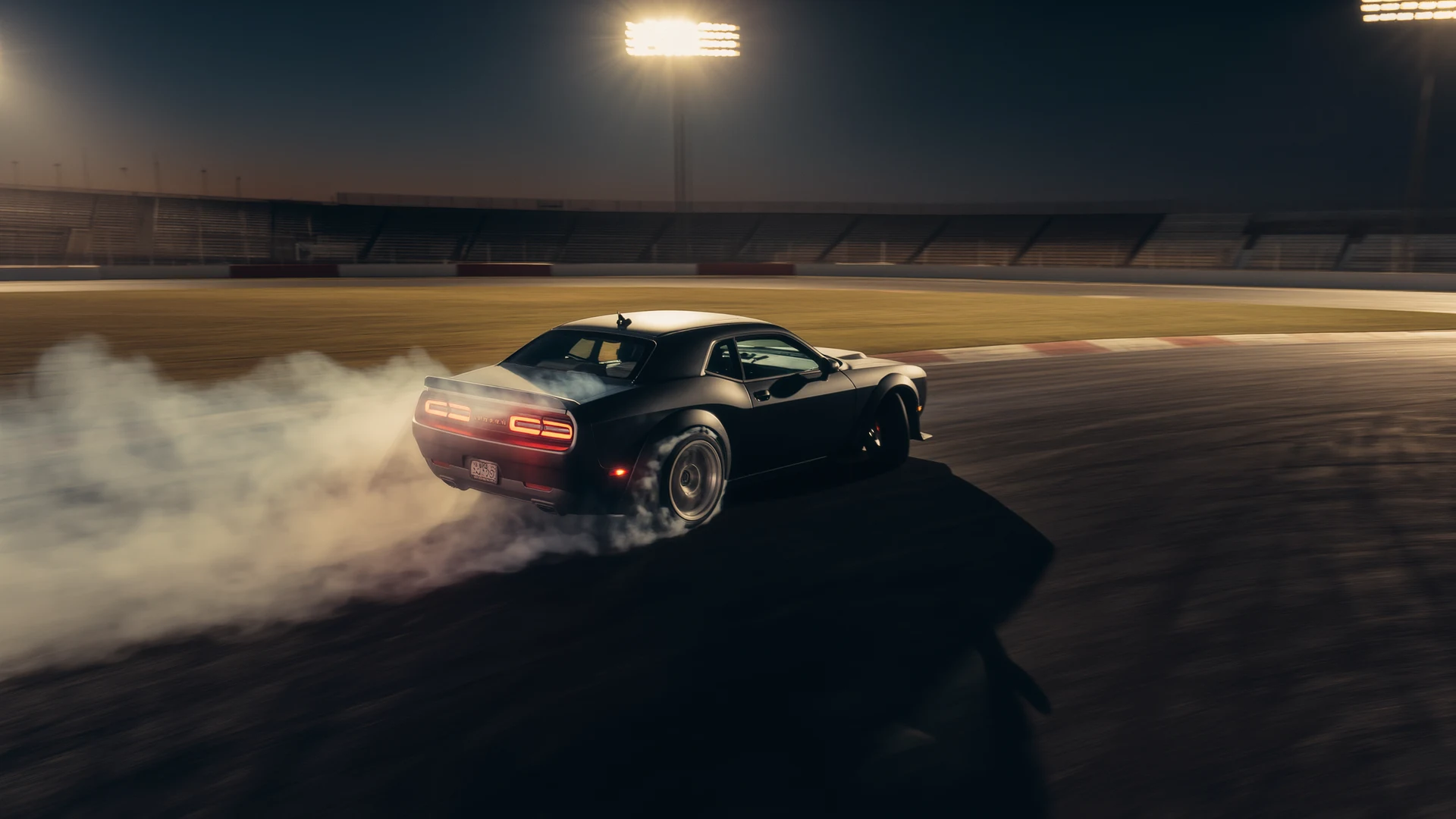
So, you’re curious about drift racing? It’s a spectacular motorsport where drivers intentionally oversteer, making their cars slide sideways in a controlled manner. But it’s more than just about sliding; it’s a blend of car control, precision, and pure nerve. If you’re looking to understand what makes drift racing tick, and maybe even get a taste of it yourself, you’ve come to the right place. This isn’t about flashy promises; it’s about the practicalities and the thrill of making metal and rubber dance.
Drifting is often misunderstood as just losing control of your car. In reality, it’s the opposite. It’s about gaining control in a situation most drivers train to avoid. Think of it as ballet with horsepower, where the goal is to maintain a smooth, sustained slide through a corner. It requires a deep understanding of how your car behaves at its limit, and how to manipulate that behavior.
Beyond the Burnout: The Physics of the Slide
At its core, drifting relies on a complex interplay of physics. It’s about breaking the tires’ grip and then managing that loss of traction.
Understanding Tire Grip and Traction Loss
Your tires have a certain amount of grip available, like a sponge that can hold so much water. When you accelerate, brake, or turn, you’re using up that grip. In drifting, you intentionally exceed the tire’s sideways grip limit. This is usually achieved through a combination of steering, throttle, and sometimes braking inputs.
The Magic of Oversteer
Oversteer is the key. It happens when the rear wheels lose more grip than the front wheels. The car’s rear end then slides outwards. A drift is the art of counter-steering, turning the front wheels away from the direction of the slide, and modulating the throttle to keep the car sliding in the desired path, rather than spinning out.
More Than Just Smoke: The Goals of a Drift
In competition, it’s not just about looking cool, though that’s a big part of it. Judges look for specific elements to score drivers.
Line, Angle, and Speed
The primary scoring criteria usually revolve around how well the driver navigates the designated track line, the angle of the slide (how sideways the car is), and the speed at which they maintain the drift. A high score often means a deep, consistent angle, a good line through the course, and maintaining a respectable speed, all while keeping the car under control.
Proximity and Flow
In tandem drifts (when multiple cars are drifting together), closeness is also crucial. Drivers aim to maintain very tight proximity to the car in front, following its exact line. The flow of the run, meaning how smoothly the transitions between drifts and corners are executed, also plays a significant role.
Getting Started in Drift Racing: From Theory to Practice
So, you’re intrigued. Maybe you’ve watched some videos, and now you’re wondering how to actually get into it. It’s definitely an achievable goal, but it requires a structured approach.
The Right Machine for the Job: Choosing Your Drift Car
You don’t need a million-dollar supercar to start drifting. In fact, simpler, rear-wheel-drive cars are often ideal for beginners.
Rear-Wheel Drive is Non-Negotiable
This is the golden rule. Front-wheel-drive cars or all-wheel-drive cars (unless specifically set up for drifting, which is an advanced topic) won’t allow you to easily initiate and sustain the rear-wheel slide that defines drifting. Think cars with a traditional engine up front and power sent to the rear wheels.
Popular and Practical Platforms
Many enthusiasts start with older Japanese sports cars like the Nissan Silvia (S13, S14, S15), Nissan 240SX, Toyota AE86 Corolla, or Mazda RX-7. These cars are generally affordable, have a robust aftermarket for performance parts, and are well-suited for drifting. Even some BMW models (like the E36 or E46 3 Series) are popular choices.
What to Look For in a Used Drift Car
When buying, look for a car that’s mechanically sound. You’ll likely be putting it through its paces. Check for rust, engine health, and a solid transmission and differential. Don’t worry too much about cosmetic perfection; you’ll probably be adding body kits and custom paint later if you get serious.
Essential Modifications: Making Your Car Drift-Ready
While you can start with a stock rear-wheel-drive car, some basic modifications will make learning much easier and more enjoyable.
The Welded Diff (or Limited-Slip Differential)
This is arguably the most important modification for beginners. A factory differential usually sends power to both rear wheels independently. A welded differential (where the internal gears are literally welded together) forces both rear wheels to spin at the same rate. This makes it much easier to break traction and initiate a drift. A limited-slip differential (LSD) is a more sophisticated and street-friendly option that achieves a similar effect.
Stiffer Suspension and Performance Tires
Upgraded suspension components, like coilovers, can help manage weight transfer and body roll, which are crucial for controlling slides. As for tires, you’ll want to invest in a set of budget-friendly performance tires for the front (for grip) and some less expensive, more durable tires for the rear (as you’ll be destroying them).
Safety First: Seats and Harnesses
Once you get serious about pushing the limits, safety becomes paramount. Racing seats and a multi-point harness will keep you securely in place during a crash and help you feel more connected to the car.
Mastering the Techniques: The Art of the Slide
This is where the real skill comes in. It’s about learning to intentionally upset the car’s balance and then regain control.
Initiating the Drift: Getting the Rear End Loose
There are several common ways to start a drift.
The Clutch Kick
This is a very popular and effective method. While accelerating through a corner, you suddenly press the clutch pedal in, momentarily disengaging the engine from the transmission. You then quickly release the clutch and blip the throttle simultaneously. This sudden surge of power to the rear wheels, combined with the abrupt engagement of the drivetrain, overwhelms the rear tires’ grip, making them slide.
The Handbrake (E-Brake) Turn
This is another common initiation technique, especially for tighter corners. As you approach the corner, you pull the handbrake firmly. This locks up the rear wheels, causing them to lose traction. You then use steering and throttle to guide the car into the slide. Once the drift is established, you release the handbrake.
The Power Oversteer
This is more about simply having enough power. By accelerating hard through a corner, especially one with a slightly slippery surface, you can overwhelm the rear tires’ grip and initiate a slide. This is often used in higher-speed drifts or by more experienced drivers.
Maintaining the Drift: The Dance of Counter-Steer and Throttle
Once the car is sliding, the real work begins.
Counter-Steering: The Key to Control
This is the most counter-intuitive but essential part of drifting. As the rear of your car slides to the left, you need to steer the front wheels to the left as well. This is not turning into the slide, but rather turning with the slide. The amount of counter-steer depends on the angle of the slide and the speed.
Throttle Modulation: The Rhythm of the Slide
Your right foot is your dance partner for the throttle. Modulating the throttle, applying more or less pressure, controls the amount of power going to the rear wheels. More throttle increases the angle of the slide and can help maintain it at higher speeds. Less throttle can help reduce the angle or transition into a different phase of the drift.
Weight Transfer and Footwork
Learning to manipulate the car’s weight transfer through subtle steering and throttle inputs is crucial. This allows you to “place” the car precisely where you want it. Your left foot can also be used on the brake pedal, a technique known as “left-foot braking”, to fine-tune the car’s balance mid-drift.
Where to Experience Drift Racing: From the Track to the Console
You don’t have to be a professional racer to enjoy drift racing. There are opportunities for everyone.
Professional Drift Events: Spectacle and Skill
If you want to witness the pinnacle of drift racing, attend a professional event. Organizations like Formula DRIFT in the US or D1 Grand Prix in Japan showcase the world’s best drivers executing incredible feats of car control. These events are usually held on dedicated circuits and offer a thrilling spectator experience.
Grassroots Drifting: Your First Taste
For those who want to get hands-on, grassroots drifting is the way to go. Many smaller tracks or specially organized events offer “drift days” or “open drift” sessions where you can bring your own car and practice in a safe, controlled environment with instruction available. This is where many future champions cut their teeth.
Sim Racing: The Virtual Playground
For those who prefer a more accessible entry point, drift racing simulators on consoles or PCs are incredibly realistic. Titles like Assetto Corsa, Forza Motorsport, or CarX Drift Racing allow you to hone your skills and experiment with different cars and techniques without risking real-world damage. It’s a fantastic way to learn the fundamentals and understand the physics involved.
Safety and Etiquette in the Drift World
Drift racing, like any motorsport, has its own set of rules and considerations to ensure everyone has a good time and stays safe.
The Track is Your Classroom: Respecting the Environment
When you’re on a track, whether for practice or competition, safety is non-negotiable. Always follow the instructions of track officials and safety marshals.
Pre- and Post-Drift Checks
Before and after any drift session, make sure your car is in good working order. Check tire pressures, fluid levels, and ensure all safety equipment is properly secured.
Spotting and Communication
In tandem drifting, good communication and spotting are essential. Drivers need to be aware of each other’s positions and intentions to avoid collisions.
The Drift Community: A Brotherhood (and Sisterhood)
The drift community is known for being passionate and welcoming. There’s a strong sense of camaraderie, and most experienced drifters are happy to share knowledge and offer advice to newcomers.
Learning from Others
Don’t be afraid to ask questions. Watch experienced drivers, observe their techniques, and seek out mentors. Many grassroots events have instructors who can provide valuable guidance.
Respecting the Cars and the Hobby
Drift cars often have their fair share of battle scars. Regardless of the car’s condition, respect the effort and dedication that goes into building and racing them.
Mastering drift racing is a journey, not a destination. It takes practice, patience, and a willingness to learn. But for those who embrace the challenge, it offers an unparalleled thrill and a unique connection with their machine. It’s about pushing limits, understanding physics, and creating art with horsepower. So, whether you’re watching from the sidelines or gripping the wheel yourself, the world of drift racing is an exhilarating one to explore.
FAQs
What is drift racing?
Drift racing is a motorsport in which drivers intentionally oversteer their cars, causing loss of traction in the rear wheels while maintaining control to navigate through a course.What is a drift racing experience?
A drift racing experience is an opportunity for individuals to learn and practice the art of drifting under the guidance of professional instructors. Participants can experience the thrill of drifting in a controlled environment.What can participants expect from a drift racing experience?
Participants can expect to learn the fundamentals of drifting, including techniques such as throttle control, weight transfer, and car control. They will also have the opportunity to practice drifting on a designated course with the guidance of experienced instructors.Is prior racing experience required for a drift racing experience?
No, prior racing experience is not required for a drift racing experience. Participants of all skill levels, including beginners, are welcome to take part in the experience.Are there age or license requirements for participating in a drift racing experience?
Age and license requirements may vary depending on the specific drift racing experience provider. Some providers may have minimum age requirements and may require participants to hold a valid driver’s license. It is recommended to check with the experience provider for specific requirements.More from Drifting
Virtual Drifting: A Thrilling Experience
Virtual drifting is, in short, a digital simulation of the high-skill, car-control sport of drifting. It’s about sliding a car through a turn, m…

Mastering Drifts: Professional Simulator Experience
So, you want to get good at drifting in a simulator, huh? The short answer is: it takes a lot of practice, the right equipment, and a solid understand…
Mastering the Art of Sim Racing Drifting
Let’s dive into the world of sim racing drifting. If you’re wondering how to actually drift in a simulator, it boils down to a controlled …