Mastering Drifts: Professional Simulator Experience
So, you want to get good at drifting in a simulator, huh? The short answer is: it takes a lot of practice, the right equipment, and a solid understanding of vehicle dynamics. It…
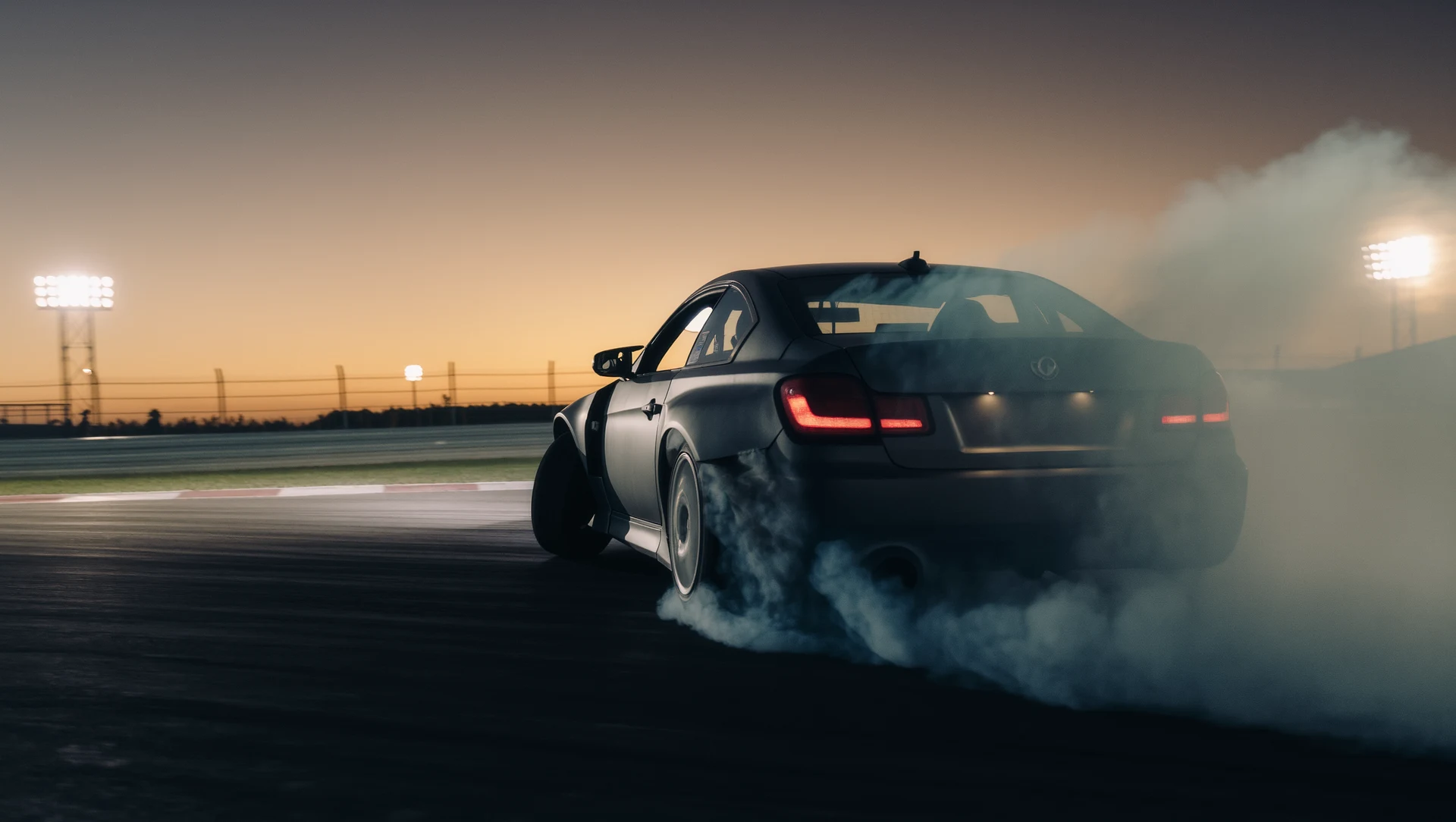
So, you want to get good at drifting in a simulator, huh? The short answer is: it takes a lot of practice, the right equipment, and a solid understanding of vehicle dynamics. It’s not just about slamming the throttle and hoping for the best; it’s a nuanced dance between power, weight transfer, and steering input. This guide will help you navigate the world of virtual drifting and bring your skills to a professional level.
Before you even think about hitting the virtual track, let’s break down what drifting actually is. It’s the art of intentionally oversteering, causing a loss of traction in the rear wheels, all while maintaining control of the vehicle through corners. Think of it as a controlled slide.
The Physics Behind the Slide
At its core, drifting is a delicate balance of forces. You’re intentionally disrupting the car’s equilibrium to make the back end step out.
Weight Transfer is Key
When you accelerate, weight shifts to the rear. When you brake, it shifts to the front. This is crucial for initiating and sustaining a drift. Understanding how to manipulate this weight transfer with your inputs is half the battle.
Grip vs. Slip
Tires have a maximum amount of grip they can provide. When you exceed this, they start to slip. Drifting involves finding that sweet spot where your rear tires are slipping just enough to maintain the angle, but not so much that you spin out. This isn’t about having zero grip; it’s about managing limited grip.
The Role of Steering
It’s counter-intuitive initially, but you’ll be doing a lot of counter-steering, turning the wheel into the drift, to maintain control. This prevents the car from spinning around.
Essential Simulator Setup for Drifting
You can’t expect to become a drift master with a keyboard and mouse. A proper simulator setup is absolutely non-negotiable for serious practice.
The Wheel and Pedals
This is your primary interface with the virtual car. Don’t skimp here.
Force Feedback is Your Best Friend
A good force feedback (FFB) wheel is crucial. It transmits incredibly important information about tire grip, weight transfer, and what the car is doing in general. Cheap wheels often have weak or clunky FFB, which severely limits your ability to feel the car. Look for wheels with strong, smooth, and detailed FFB. Direct Drive wheels are the gold standard for this, but even a good belt-driven wheel can offer a great experience.
Responsive Pedals
Load cell pedals are highly recommended for braking. They measure force, not just travel, which gives you much finer control over brake pressure. For the throttle, you want a pedal that’s not too stiff, allowing for precise inputs. A clutch pedal is also essential for advanced drift techniques like clutch kicking.
Shifter and Handbrake
These aren’t strictly necessary for every drift, but they open up a world of control.
Sequential vs. H-Pattern Shifter
For most drift cars, a sequential shifter is often sufficient as many modern drift cars utilize sequential gearboxes. However, an H-pattern shifter can be more engaging and useful for older drift cars or just for variety and feel. The important thing is having a tactile way to change gears at speed.
Dedicated Handbrake
This is almost as important as the wheel itself. A proper analog handbrake allows for precise modulation of rear wheel lock-up, which is vital for initiating and adjusting drifts. Using a button on your wheel for a handbrake is incredibly limiting.
Displays and Ergonomics
While not directly impacting your control, a good display setup and comfortable seating are important for long practice sessions.
Single Monitor vs. Triple Screen vs. VR
A single, large, high-refresh-rate monitor is a good starting point. Triple monitors offer a vastly improved sense of speed and peripheral vision, which is incredibly helpful for anticipating corners and managing drift angles. Virtual Reality (VR) can offer the most immersive experience and best sense of depth, but it can also be more demanding on your PC and may cause motion sickness for some. Choose what works best for your budget and comfort.
Comfortable Seating
You’ll be spending hours in this setup. A comfortable racing seat or even a stable office chair can make a big difference in preventing fatigue and allowing you to focus on driving.
Choosing the Right Simulator and Car
Not all simulators are created equal, especially when it comes to replicating drifting physics.
Simulator Software Options
Some simulators are known for their strong drift communities and realistic physics.
Assetto Corsa
Often considered the gold standard for drifting due to its highly customizable physics engine and vast modding community. Many professional drift teams and drivers use Assetto Corsa for practice. It offers a huge variety of drift cars and tracks, both official and community-made.
rFactor 2
Another simulator with highly realistic and detailed tire physics, making it excellent for understanding grip limits. While not as overtly drift-focused as Assetto Corsa’s modding scene, its foundational physics are top-notch.
BeamNG.drive
This simulator excels in its soft-body physics, meaning vehicle deformation is incredibly realistic. While not a conventional racing simulator, its physics engine allows for very organic and realistic car behavior under stress, which translates well to understanding how a car reacts during a drift. It’s great for experimentation and seeing the consequences of your inputs.
Forza Motorsport / Horizon
While these offer accessible and fun drifting, their physics engines are generally more arcade-like compared to dedicated simulators. They can be a good starting point but will not fully prepare you for the nuances of realistic sim drifting.
Car Selection: Start Simple
Don’t jump straight into a ridiculously overpowered drift monster.
Milder Power and Predictable Handling
Begin with a car that has manageable power (e.g. 300-400 hp) and predictable handling characteristics. Something like a moderately tuned Nissan Silvia S13/S14/S15, a lightly modded BMW E36/E46, or even a Mazda RX-7 can be excellent choices. These cars are forgiving enough to learn the ropes without punishing every small mistake.
Understanding Car Setup
Once you’re comfortable, start playing with car setups. Things like tire pressure, suspension stiffness, camber, caster, and toe angles all massively impact how a car drifts. Many drift communities offer setup guides or share their own refined setups. Don’t be afraid to experiment, but change one thing at a time to understand its effect.
Mastering Drift Techniques
Now for the fun part: actually learning to drift. It’s a progression of techniques, building on core skills.
Initiation Techniques
How you start a drift sets the stage for the entire maneuver.
Clutch Kick
This is a classic. While driving, depress the clutch, rev the engine to build power, then quickly dump the clutch. The sudden surge of power to the rear wheels breaks traction and initiates the slide. It’s effective for tighter corners and quick transitions. You’ll need a physical clutch pedal for this.
Handbrake Entry
A reliable way to initiate a drift, especially in slower corners. Briefly pull the handbrake to lock the rear wheels, causing them to lose traction and the rear of the car to swing out. Once the desired angle is achieved, release the handbrake and apply throttle to maintain the slide. Precision with the handbrake is key here.
Power Oversteer
Perhaps the simplest method, but requires adequate power. While taking a corner, apply a significant amount of throttle. If the car has enough power, the rear wheels will lose traction and the car will begin to oversteer. You then manage the slide with throttle and counter-steer. This is often the first technique beginners learn.
Feint Drift (Kansei Drift)
This involves a quick flick of the steering wheel in the opposite direction of the corner, followed by a sharp turn into the corner. The weight transfer from the initial flick helps upset the car’s balance, making it easier to break traction when turning into the corner. It’s a smooth, flow-based technique.
Sustaining and Controlling the Drift
Initiating is one thing, keeping it going is another.
Throttle Control
This is your primary tool for managing the drift angle and speed. Too much throttle, and you spin out. Too little, and you grip up. It’s a constant, nuanced dance with the pedal. You’ll often be modulating the throttle in quick bursts rather than holding it wide open.
Counter-Steering
As the rear of the car slides out, you must turn the steering wheel in the opposite direction of the slide to maintain control. The amount of counter-steer needed changes constantly depending on the angle, speed, and grip. Your wheel’s force feedback will be invaluable here, telling you how much grip your front tires have and how much correction is needed.
Gaze Direction
Look where you want to go, not where you are going. This applies massively to drifting. Your eyes should be focused on the exit of the corner, or even further down the track, allowing your hands and feet to react instinctively to the car’s movements. This is often called “driving by looking.”
Transitions and Linking Drifts
Professional drifting isn’t just one drift; it’s a series of linked slides.
Drift Transitions
Changing direction while maintaining a drift. This involves quickly transferring weight from one side of the car to the other (often with a quick flick of the wheel or a lift-off/stab of the throttle) to initiate a drift in the opposite direction. It’s a continuous, fluid motion.
Maintaining Momentum
Drifting effectively means carrying speed through corners. You’re not just sliding; you’re using the slide to maintain or even increase your average speed around a track. This comes with understanding the racing line and adapting it for drifting.
Practice Strategies and Advanced Tips
Getting good at drifting isn’t a quick process. It requires dedication and smart practice.
The Power of Repetition
Consistency is key. Pick one car and one track, and just practice. Don’t constantly switch cars or tracks in the beginning.
Focused Practice Sessions
Instead of aimlessly sliding around, set specific goals for each practice session. “Today, I will focus on consistent clutch kicks,” or “I will try to link this specific combo of corners.” This gives your practice structure.
Analyze Replays
Most simulators have replay functions. Watch yourself drift. Where did you lose angle? Where did you over-correct? Replays offer invaluable insight into your mistakes and successes. Some sim racing telemetry tools can also visualize your inputs, which is incredibly helpful.
Community and Coaching
You don’t have to do this alone.
Join Online Communities
There are vast communities for sim drifting on platforms like Discord, Reddit, and various forums. These are excellent places to ask questions, share replays for feedback, find car setups, and even participate in online drift events.
Watch Professional Drifters (Real and Virtual)
Observe how real-world professional drifters approach corners, manage throttle, and counter-steer. Then, watch top sim drifters. Pay attention to their inputs and car behavior. Many top sim drifters stream their practice sessions or share tutorials.
Advanced Techniques and Mindset
Once you have the basics down, you can start exploring more advanced concepts.
Tandem Drifting Fundamentals
Drifting with other cars requires an entirely new level of precision and spatial awareness. Start by following a ghost car or a friend at a distance, then gradually get closer. Communication and predictable driving are paramount in tandem.
The “Flow” State
At a certain point, the inputs become muscle memory, and you’re no longer consciously thinking about every throttle blip or steering correction. You’re simply reacting and feeling the car. This is the “flow” state, and it comes from thousands of repetitions. Don’t chase it; let it come naturally with practice.
Patience and Persistence
You will spin out. A lot. It’s part of the learning process. Don’t get discouraged. Every spin is an opportunity to learn what not to do. Celebrate small victories and keep pushing. The satisfaction of nailing a perfect drift or linking a challenging section of track is what makes it all worthwhile.
FAQs
What is a professional drift simulator?
A professional drift simulator is a high-tech driving simulator designed specifically for practicing and perfecting the art of drifting. It provides a realistic and immersive experience that allows drivers to hone their skills in a safe and controlled environment.How does a professional drift simulator work?
A professional drift simulator typically consists of a motion platform, high-fidelity steering wheel and pedals, and advanced software that accurately replicates the physics and dynamics of drifting. The motion platform provides realistic feedback, while the software simulates various drift scenarios and tracks.What are the benefits of using a professional drift simulator?
Using a professional drift simulator allows drivers to practice and refine their drifting techniques without the risk of damaging real vehicles or causing harm to themselves or others. It also provides a cost-effective way to train and improve skills in a controlled environment.Who can benefit from using a professional drift simulator?
Professional drift simulators are beneficial for both novice and experienced drifters. Novices can use the simulator to learn the basics of drifting in a safe environment, while experienced drifters can use it to fine-tune their skills and experiment with different techniques.Where can one find a professional drift simulator?
Professional drift simulators are often found in specialized training facilities, racing schools, and entertainment venues. They may also be available for purchase by individuals or organizations looking to set up their own drift training facility.More from Drifting
Virtual Drifting: A Thrilling Experience
Virtual drifting is, in short, a digital simulation of the high-skill, car-control sport of drifting. It’s about sliding a car through a turn, m…
Mastering the Art of Sim Racing Drifting
Let’s dive into the world of sim racing drifting. If you’re wondering how to actually drift in a simulator, it boils down to a controlled …
Ultimate Sim Drift Wheel Settings for Maximum Control
Let’s dive into getting your sim drift wheel feeling just right for maximum control. The truth is, there’s no single “ultimate…